






husitský kostel v Zábřehu na Moravě Church
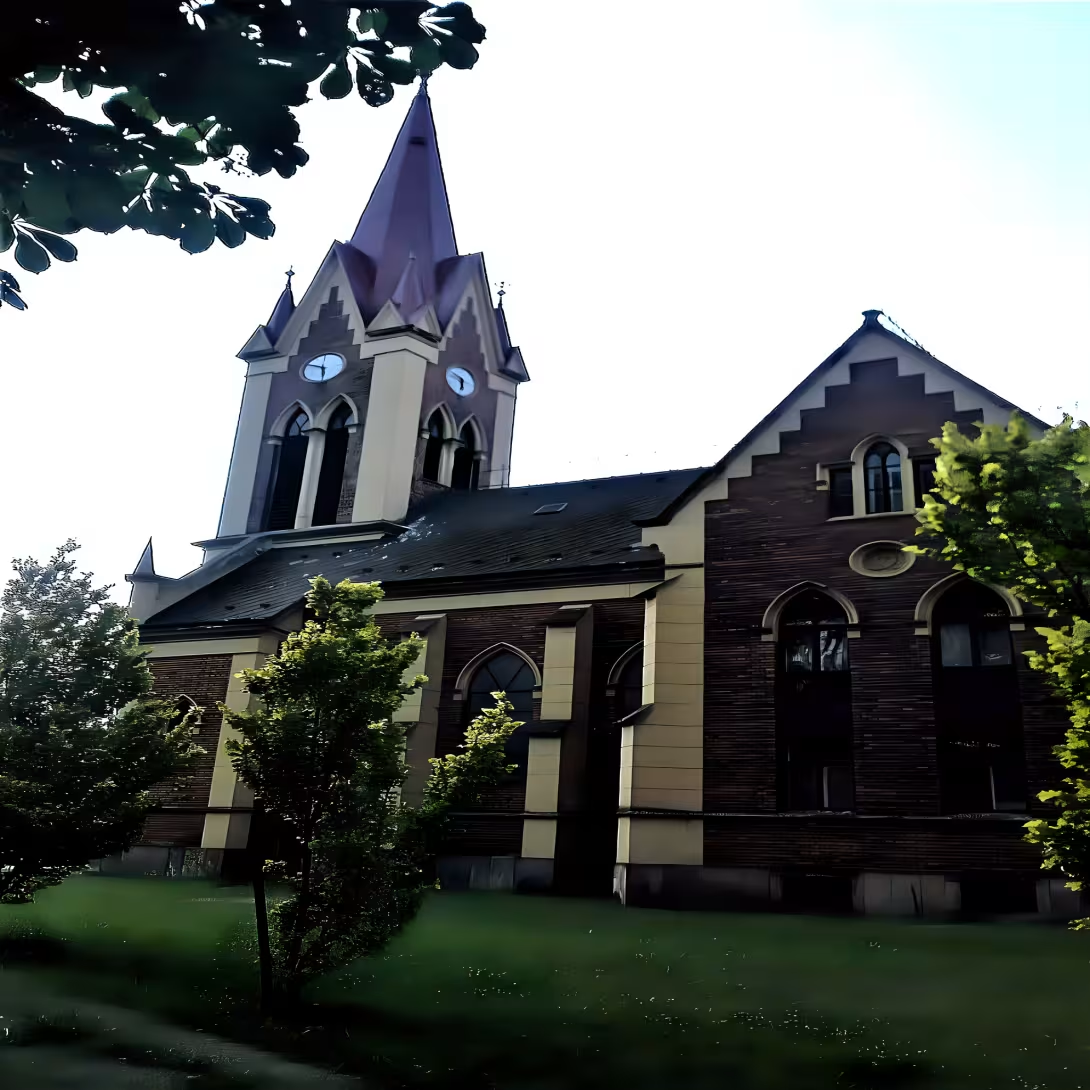
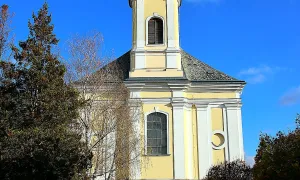
The Husitský kostel v Zábřehu na Moravě, also known as Evangelický Kristův kostel or Christuskirche, is a significant historical monument in Zábřeh, Olomoucký kraj. Constructed between 1902 and 1903, this church exemplifies the new Gothic architectural style prevalent in the early 20th century. Originally built for the German Evangelical community by local entrepreneurs Otto and Hermann Brass, it was later adopted by the Czechoslovak Hussite Church after World War II. The building features a tower with a clock mechanism and bells, restored in 2003 following wartime damage.
Initiated by the influential Brass family, who owned a textile factory and dyeing plant in Zábřeh, construction began with the foundation stone laid in 1896. This reflected the community's desire for a dedicated worship space that also served multiple purposes. Plans were crafted by Karl Ilgner, a notable local architect, ensuring functionality and aesthetic alignment with contemporary trends.
Architecturally, the church uses dark fired bricks complemented by light stucco framing, embodying the new Gothic style adapted to modern needs. Its cruciform plan is typical of Gothic architecture but includes additional facilities like a parsonage. The structure features a 45-meter-high tower with a clock and bells, significant elements contributing to its historical and architectural importance.
Ownership transitioned from the German Evangelical community to the Czechoslovak Hussite Church in 1946 after the expulsion of the German population post-World War II. This marked a new chapter in the church's history, aligning it with the local cultural and religious landscape.
Throughout its existence, the church has witnessed several key events and curiosities. Original oil lamps were replaced with electric lighting, preserving historical integrity while modernizing facilities. Its interior retains original furnishings such as wooden pews and a pulpit, maintaining early 20th-century design authenticity.
Today, the Husitský kostel v Zábřehu na Moravě stands as a testament to architectural innovation and cultural resilience. Located in the southern park area of Zábřeh on the banks of the Morava River, it offers visitors insights into its rich history and stunning views of the surrounding landscape. The church remains accessible for those interested in exploring its historical significance and appreciating its unique blend of architectural styles.
Visiting this monument provides an opportunity to delve into Zábřeh's cultural heritage and understand the broader historical context of early 20th-century Europe. Its enduring presence serves as a reminder of the region's dynamic history, making it a worthwhile destination for those interested in architecture or history.
Then and now
Drag the slider to compare how the landmark may have looked when it was built with the view today.
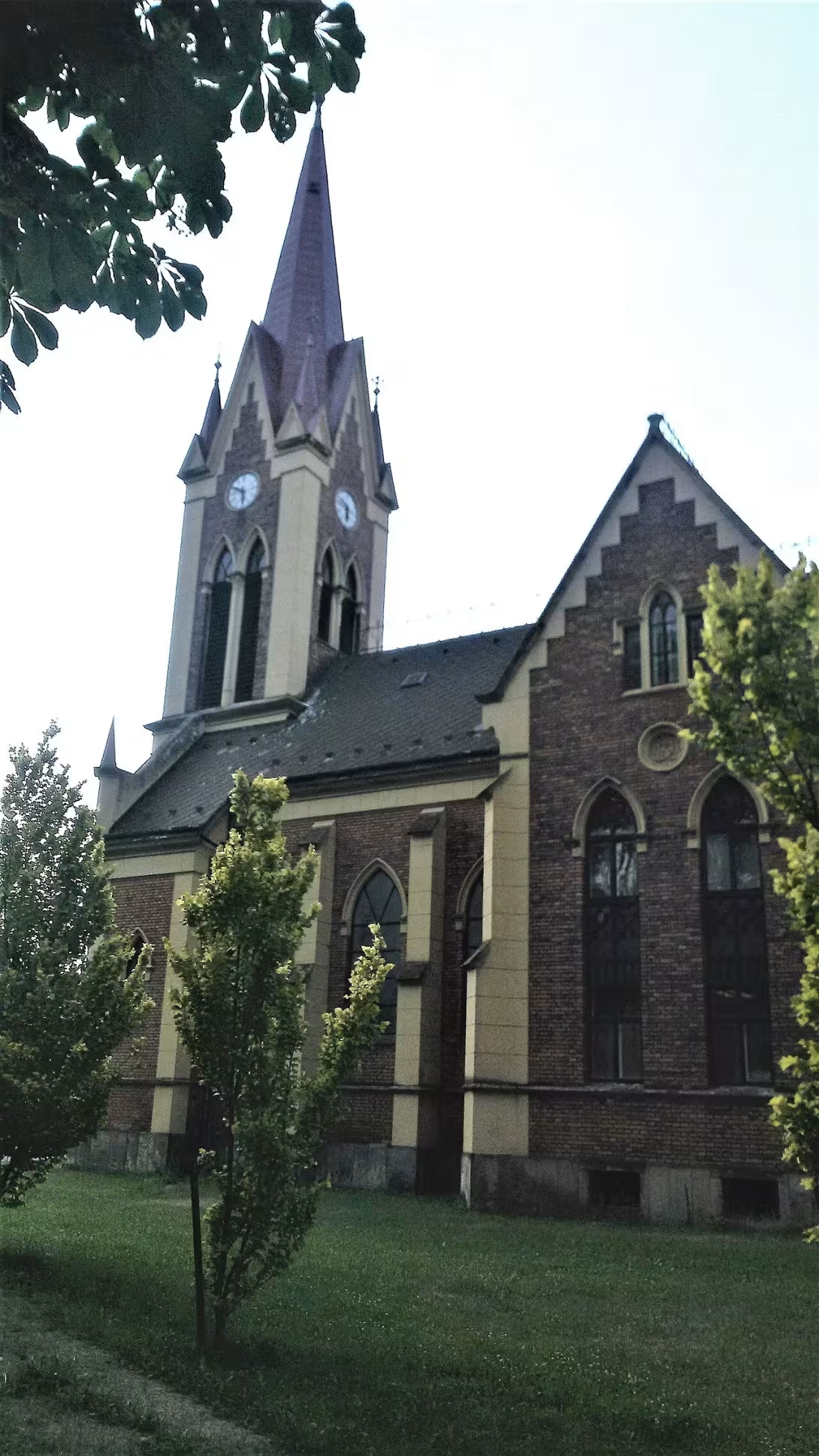

The historical appearance on the left is an AI-generated visualisation and serves as inspiration only.
Historical milestones
- 1902
- Construction of the church began.
- 1903
- The church was completed and consecrated.
Architectural development
Designed by Karl Ilgner, the church was built using dark fired bricks with light stucco framing. Its cruciform plan is typical of Gothic architecture, though adapted to modern needs with additional facilities like a parsonage. The structure includes a tower with a clock and bells, which were restored in 2003 after being damaged during World War II.
Historical events
Foundation stone laid in 1896 marking the beginning of construction.
Completed and consecrated in 1903 as a multi-purpose building for worship and community activities.
Owners
Initially owned by the German Evangelical community in Zábřeh, post-1946 ownership transferred to the Czechoslovak Hussite Church following the expulsion of the German population.
Points of interest
- The church's construction was initiated by the influential Brass family, who were prominent local entrepreneurs known for their textile factory and dyeing plant in Zábřeh. This connection highlights how industrial wealth played a role in shaping religious architecture during that period.
- Originally built as a place of worship for the German Evangelical community, the Husitský kostel v Zábřehu na Moravě underwent a significant cultural transition after World War II when it was adopted by the Czechoslovak Hussite Church. This shift reflects broader post-war changes in population and religious affiliations within the region.
- Architect Karl Ilgner, who designed the church, ensured that its new Gothic style incorporated modern functionalities like additional facilities such as a parsonage. His design choices illustrate how architects of the time balanced historical aesthetics with contemporary needs.
- The church's tower was restored in 2003 after suffering damage during World War II, highlighting ongoing efforts to preserve this architectural monument despite past adversities. This restoration underscores the community’s commitment to maintaining its cultural heritage.
- Despite modernization efforts like replacing original oil lamps with electric lighting, the interior of the church retains much of its early 20th-century design authenticity, including wooden pews and a pulpit. This blend of preservation and adaptation showcases how historical sites can maintain their character while evolving with time.
Guide
This guide is narrated by a synthetic voice generated by artificial intelligence.
Show guide text
This text was created by artificial intelligence and has not been editorially reviewed. It may contain inaccuracies.
Welcome to the Husitský kostel in Zábřeh, a remarkable testament to early 20th-century architecture and community spirit. As you stand here today, you're surrounded by an aura of history and artistry. The church's striking facade captures your attention immediately, with its intricate Gothic details that speak volumes about the era it was built in.
Let’s step back in time to when this architectural gem began taking shape. Construction started in 1902 and concluded just a year later, in 1903. This period marked an exciting chapter for Zábřeh, as it embraced modernity while honoring traditional styles. The church was commissioned by Otto and Hermann Brass, influential figures in the local community, known for their entrepreneurial ventures in textiles and dyeing. Their vision brought to life a space that not only served religious purposes but also symbolized the prosperity of their time.
As you look around, take note of the new Gothic style that defines this church's architecture. This choice reflects a broader European trend during the early 1900s when architects sought to revive and reinterpret medieval designs with contemporary flair. Although specific architectural elements aren't detailed here, imagine yourself observing the harmonious blend of old-world charm and modern craftsmanship.
The story of the Husitský kostel is deeply intertwined with the Brass family's legacy. Their commitment to their community and faith was instrumental in establishing this church as a cornerstone for the German Evangelical community in Zábřeh. The local entrepreneurs' influence extended beyond business, shaping cultural and spiritual landscapes through projects like this.
Now, let’s delve into an intriguing aspect of the church’s history: its connection to industrial wealth. During this era, it was common for affluent families to invest in religious architecture as a way to give back to their communities. The Brass family's investment in the Husitský kostel underscores how economic prosperity could influence and enhance cultural heritage.
As you conclude your visit here today, I invite you to explore further and immerse yourself in the rich tapestry of stories that Zábřeh has to offer. This church is just one piece of a larger historical puzzle waiting for you to discover. Thank you for joining me on this journey through time, and may your curiosity lead you to even more fascinating discoveries.
Farewell, and enjoy the rest of your exploration in this captivating part of Moravia!
Tips for visitors
The best time to visit the Husitský kostel v Zábřehu na Moravě is during late spring or early autumn when the weather is mild, and the surrounding park area is lush with greenery. These seasons offer pleasant temperatures for walking around the church and enjoying the natural beauty of the Morava River landscape. Additionally, visiting outside of peak tourist season can provide a more serene experience, allowing you to appreciate the historical architecture without large crowds.
Walking or cycling are also great options if you're staying within the town.
When visiting the Husitský kostel, it's recommended to bring comfortable walking shoes as you may want to explore the surrounding park area along the Morava River. A camera is essential for capturing the stunning views and architectural details of the church. Additionally, consider bringing a light jacket or umbrella in case of sudden weather changes, especially during spring and autumn.
For photography enthusiasts, the best spots around the Husitský kostel are those that capture its unique architecture against the backdrop of the Morava River. Early morning or late afternoon provides the most favorable lighting conditions for photographs, with softer light enhancing the church's features. The park area offers several vantage points for capturing both close-up details and panoramic views.
Families visiting the Husitské kostel can enjoy a day out in Zábřeh by exploring other historical sites within a 30-minute drive. The nearby town of Olomouc, known for its rich history and cultural offerings, is an excellent destination with attractions like the Olomouc Castle and the Holy Trinity Column. These sites provide educational opportunities for children while allowing the whole family to immerse themselves in the region's heritage.
Frequently asked questions
Can the monument be visited?
Religious buildings are usually open mainly during services; at other times a visit is normally arranged with the parish or the operator. We have not verified specific times.
Where is the monument?
Location: Zábřeh, Olomoucký kraj. The map on this page shows the exact spot.
Businesses nearby
Do you run a restaurant, accommodation, shop, museum, rental, wellness or other visitor service near this monument? Show yourself directly to the people heading to it — this is how they will see you in the app and on the web:
Nearby
Located in the southern park area of Zábřeh on the banks of the Morava River, the church is surrounded by natural beauty and offers views of the river landscape. The area includes other historical sites within a 5 km radius.
Accommodation nearby
Themed route
Tematická výletní trasa: Husitský kostel a okolí Zábřehu na Moravě
1. Husitský kostel v Zábřehu
- Typ: Kostel
- Proč stojí za návštěvu: Tento historický husitský kostel je nejstarším sakrálním stavbou na Moravě a představuje klíčové dílo gotiky. Jeho bohatá historie a architektura ho činí fascinujícím místem pro návštěvu, zejména jeho významnou varhanní komorou s jedním z nejstarších varhan na Moravě.
2. Sídliště Zábřežských Židů
- Typ: Historická lokalita
- Proč stojí za návštěvu: Toto místo je památkou židovského osídlení v Zábřehu, které bylo založeno ve 14. století. Sídliště nabízí vhled do života a historie židovské komunity v oblasti a je důležitým kulturním památkovým areálem.
3. Zábřežské náměstí
- Typ: Historické náměstí
- Proč stojí za návštěvu: Toto centrální náměstí je srdcem Zábřehu a nabízí pohled na historickou architekturu města. Je to ideální místo pro odpočinek a prohlídku, kde si můžete užít klidného okolí a krásy místních budov.
4. Památný les Zábřeh
- Typ: Historická lokalita
- Proč stojí za návštěvu: Tento les je památkou historie, kde se v minulosti odehrávaly důležité události. Je to místo plné historických příběhů a nabízí krásný pohled na okolní krajinu.
5. Morava River Landscape
- Typ: Přírodní krajina
- Proč stojí za návštěvu: Kostel je postaven v parkové oblasti u řeky Moravy, což nabízí pohled na krásné říční kraje. Toto místo je ideální pro relaxaci a prohlídku přírodního prostředí s jeho klidným tokem a okolními zeleněmi.
Tato trasa nabízí kombinaci historických, kulturních i přírodních atrakcí v Zábřehu na Moravě, což ji činí ideálním výletem pro návštěvníky zainteresované o místní dědictví a krajinou.
Seasonal recommendations
A visit to the Hussite church in Zábřeh on Morava offers unique experiences throughout different times of the year, each with its own specifics and practical tips.
Spring: In springtime Zábřeh is full of life with blooming gardens and returning birds, bringing freshness and a new sense of openness to the church. This time may be popular for visits during the first days of summer solstice due to mild temperatures, but it's recommended to come early in the morning or late afternoon to avoid crowds. Appropriate clothing should be compact and protective against possible rain.
Summer: In summer, Zábřeh is a favorite destination for tourists, meaning high visitor frequency. The church benefits from long days of sunlight while nature around offers beautiful landscapes. It's best to visit the church early in the morning or late in the evening to avoid peak sunny hours when crowds multiply. Summer also means warm and sunny weather, so it's advisable to bring sun protection.
Autumn: In autumn, Zábřeh offers a gentle and calm atmosphere with colorful foliage. The church becomes a place for reflective visits as surrounding nature is in shades of gold and red. This time can be ideal due to lower temperatures and fewer tourists. Appropriate clothing should include a warm sweater or jacket, especially during chillier periods.
Winter: A winter visit to the Hussite church offers unique views with the possibility of seeing the church under snow cover and illuminated windows, creating a magical atmosphere. Warm clothing and protective boots are essential for a comfortable journey in cold weather, while an early arrival can help avoid shorter time restrictions.
Visualizations and artistic views


The visualisations are generated by artificial intelligence and serve as inspiration.
Photos from the area
Real photos taken near the monument


Zdroj a licence jsou uvedeny u každého snímku.
Tips from visitors
No tips yet. Be the first!
Log in and add your tip.
Sources and literature
Photos: Miroslava Fišerová / CC BY-SA 4.0, rozlišení zvýšeno umělou inteligencí — Wikimedia Commons. The author and licence also appear when you hover over the image.
Faktickým podkladem tohoto textu byl článek na Wikipedii, jehož autory jsou přispěvatelé Wikipedie. Článek je dostupný pod licencí CC BY-SA 4.0.
Location on the map
Příběhy a pověsti
Legendy, pověsti a příběhy spjaté s touto památkou
Fotografie návštěvníků
Zatím žádné fotografie. Buďte první, kdo přidá fotografii z návštěvy!
Log in a přidejte svou fotografii nebo hodnoťte.
Za ověřenou návštěvu v aplikaci získáte víc bodů — poznáme podle GPS, že jste na místě.
Reviews and comments