






Kostel svatého Bartoloměje (Zábřeh) Church
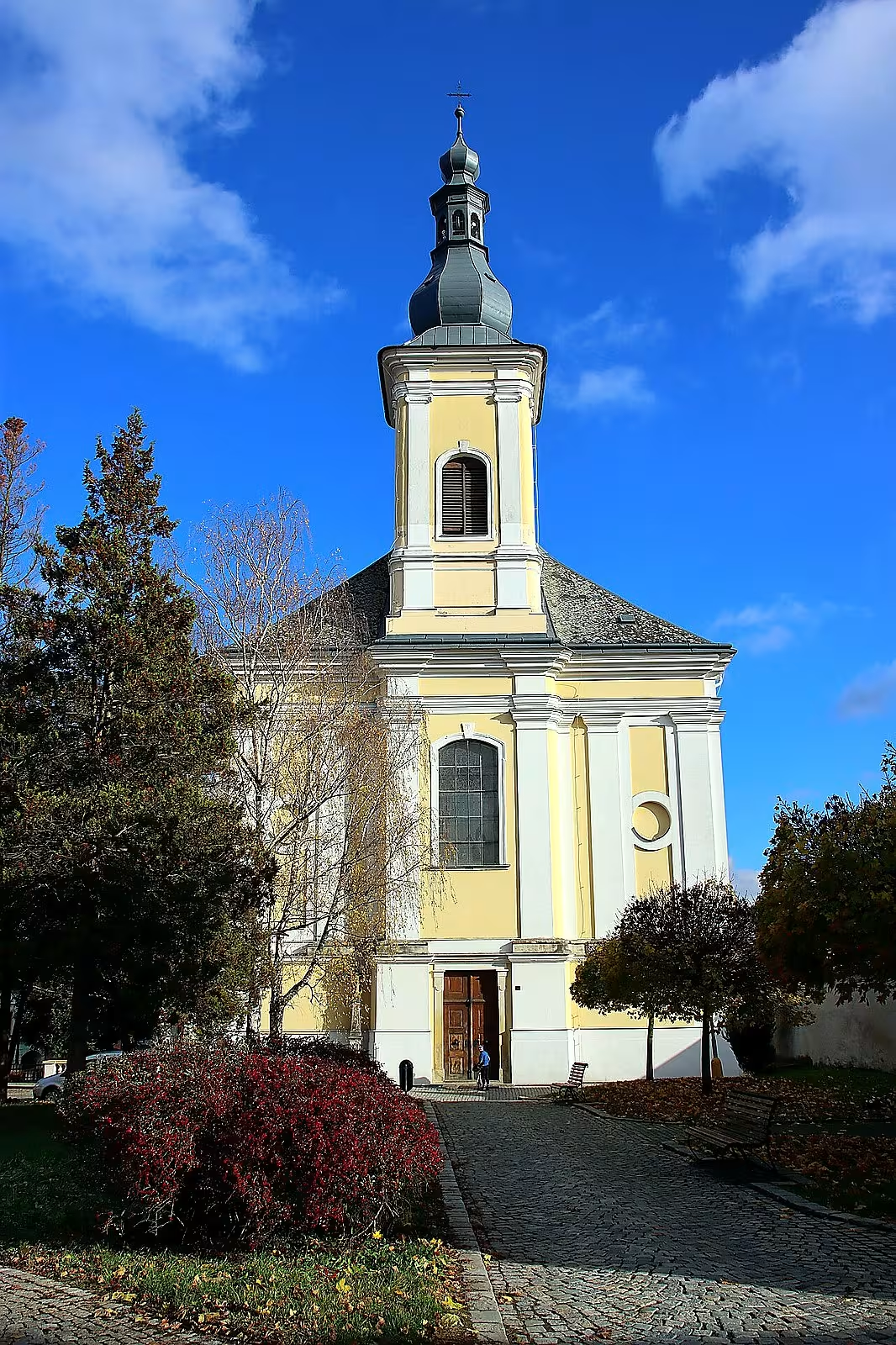
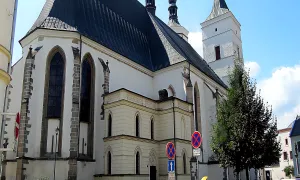
Kostel svatého Bartoloměje in Zábřeh is a baroque church built in 1757. It stands as an important cultural monument within the Olomoucký kraj region of the Czech Republic. Located on the edge of a town square, this historical edifice was consecrated in 2024 by Mons. Antonín Basler, highlighting its enduring spiritual and architectural significance. The church's history is deeply intertwined with that of Zábřeh itself, which dates back to the mid-13th century. Its journey through various religious affiliations during the Reformation reflects broader historical shifts within Europe.
The origins of Kostel svatého Bartoloměje are rooted in the town’s early history, with its first mention as a parish church recorded in 1351. Throughout the 16th and 17th centuries, it served different Protestant communities before being returned to Catholic hands in 1620. By the late 17th century, structural deterioration prompted plans for a new building, which were delayed due to regional conflicts. The original structure was demolished in 1751, paving the way for the current baroque church designed by architect Domenico Martinelli. Although local builders modified his initial plans during construction, the first services were held in 1754.
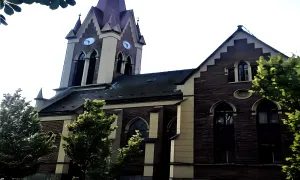
Architecturally, Kostel svatého Bartoloměje exemplifies the baroque style with its single-nave layout and a prominent 47-meter spire. The church features a rectangular nave leading into a narrower presbytery, with a sacristy attached to its north side. Its exterior is characterized by lisenes framing and segmental windows, while the façade includes a two-story tower with lateral chapels. Despite facing foundational challenges shortly after completion, necessitating reinforcements in 1760, the church has undergone various restorations over the centuries, including significant repairs following a lightning strike in 1764.
Ownership and administration of the church have seen dramatic changes throughout its history, reflecting broader socio-political shifts within the region. Initially associated with different Protestant groups during the Reformation, it was reclaimed by the Catholic Church in the early 17th century. The construction of the new baroque structure was initiated under the patronage of Prince Václav z Lichtenštejna in 1751.
Key events in the church's history include its initial consecration and subsequent structural challenges that necessitated ongoing maintenance and restoration efforts. A parish museum established in 1996 within the church tower offers insights into its rich history, showcasing exhibitions such as a lapidarium and liturgical items. The bell ensemble includes four bells, with an umíráček from 1781 being the oldest, though not used for regular ringing.
Today, Kostel svatého Bartoloměje stands as a testament to its historical resilience and architectural beauty. It remains accessible to visitors who can explore both its interior and the nearby sacred monuments, including sculptures of the Holy Trinity and Saint John Nepomucene. The church's cultural significance is further enhanced by its role in the community and its status as a protected monument.
Visitors are invited to experience Kostel svatého Bartoloměje not only for its architectural splendor but also for its rich historical narrative, offering a glimpse into the religious and cultural transformations of Zábřeh over centuries.
Then and now
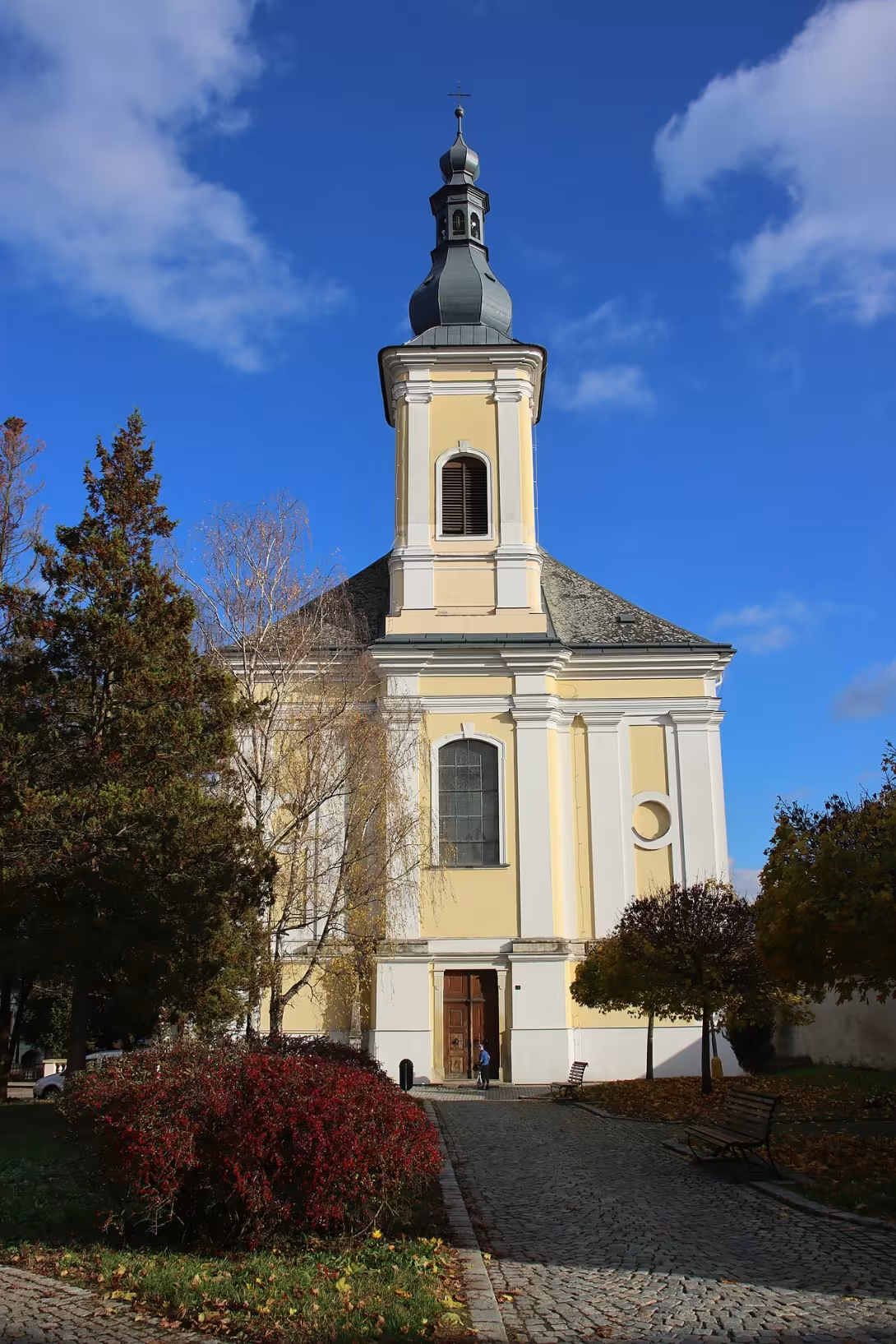
Drag the slider to compare how the landmark may have looked when it was built with the view today.
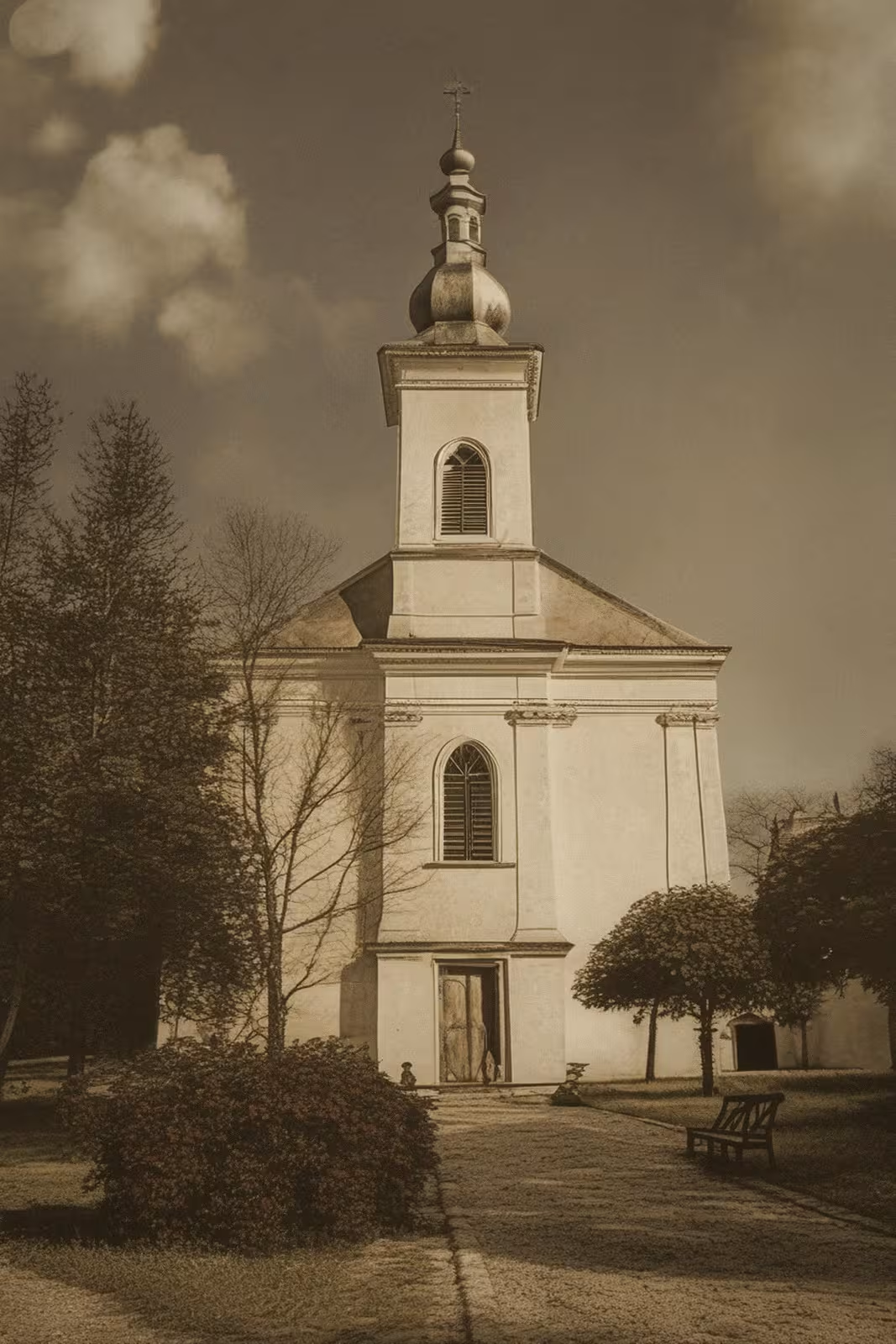
The historical appearance on the left is an AI-generated visualisation and serves as inspiration only.
Historical milestones
- 1351
- První zmínka o kostele jako farním.
- 1620
- Kostel vrácen katolické církvi.
- 1751
- Demoliční původního kostela.
- 1754
- První bohoslužby v novém barokním kostele.
- 1760
- Reinforcement of church foundations.
- 2024
- Kostel zasvěcen Mons. Antonínem Baslerem.
Architectural development
The church's architectural development began with plans by Domenico Martinelli, though local builders modified these during construction. Initial services were held in 1754, but the structure required reinforcement due to foundational issues as early as 1760. A lightning strike damaged the tower in 1764, leading to further repairs and additions over the centuries.
Historical events
In 1620, the church was returned to the Catholic Church after being associated with different religious groups during the Reformation.
The original church structure was demolished in 1751 to make way for a new building, which faced structural challenges shortly after its completion.
Points of interest
- Despite its architectural elegance, the church faced significant structural issues shortly after completion, requiring foundational reinforcements as early as 1760.
- The bell ensemble in the tower includes an "umíráček" from 1781, a unique type of bell traditionally rung to announce impending death, though it is not used for regular ringing today.
- In 1996, a parish museum was established within the church tower, offering visitors insights into its history through exhibitions like a lapidarium and displays of liturgical items.
- The church's journey through various religious affiliations during the Reformation reflects broader historical shifts in Europe, having served different Protestant communities before being reclaimed by the Catholic Church in 1620.
- Architect Domenico Martinelli originally designed the church, but local builders made modifications to his plans during construction, leading to a unique blend of architectural styles.
Guide
This guide is narrated by a synthetic voice generated by artificial intelligence.
Show guide text
This text was created by artificial intelligence and has not been editorially reviewed. It may contain inaccuracies.
Welcome to the historic site of Kostel svatého Bartoloměje in Zábřeh! As you stand here today, imagine yourself stepping back into a world where baroque elegance meets centuries-old history. The church before you, built in 1757, is an architectural gem reflecting the grandeur and style of its era.
Let's delve into its origins. The first mention of a church serving as a parish dates back to 1351, marking the beginning of this sacred site’s long-standing presence in Zábřeh, which itself was founded in the mid-13th century. Over time, the original structure faced challenges, leading to its demolition in 1751 and the subsequent construction of the baroque church we see today. By 1754, the first services were held within these new walls, signaling a new chapter for the community.
As you gaze upon the church's facade, notice how it captures the essence of baroque architecture with its symmetry and ornate details. Designed by Domenico Martinelli, the church has stood as a testament to both artistic vision and spiritual resilience. While exploring, take in the overall harmony of its design, which reflects not just an architectural style but also a period rich in cultural significance.
Throughout its history, Kostel svatého Bartoloměje has been intertwined with key events and figures that have shaped its narrative. In 1620, it was returned to the Catholic Church, marking a significant moment in its religious journey. Fast forward to 2024, when Mons. Antonín Basler consecrated the church, further cementing its role as a spiritual beacon for the community.
Now, let's turn our attention to an intriguing aspect of this site: despite its architectural elegance, the church faced structural challenges shortly after completion. By 1760, foundational reinforcements were necessary, highlighting the ongoing dialogue between creation and preservation that has characterized its history.
As you continue your exploration, take a moment to listen for the unique bell ensemble in the tower. Among them is an "umíráček," a distinctive type of bell from 1781 traditionally rung to announce impending death—a fascinating reminder of how this church connects with both life and tradition.
We hope this visit has enriched your understanding and appreciation of Kostel svatého Bartoloměje. As you move forward, may the stories and history of this remarkable place inspire you in unexpected ways. Thank you for joining us on this journey through time and architecture.
Businesses nearby
Do you run a restaurant, accommodation, shop, museum, rental, wellness or other visitor service near this monument? Show yourself directly to the people heading to it — this is how they will see you in the app and on the web:
Nearby
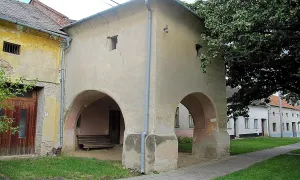
Nearby the church are several small sacred monuments, including a sculpture of the Holy Trinity (1807) and Saint John Nepomucene (1734), both recognized as cultural landmarks.
Accommodation nearby
Themed route
Thematic Walking Tour: Zábřeh's Sacred Monuments
1. Kostel svatého Bartoloměje (Church of Saint Bartholomew) *Type:* Church *Why Visit:* This stunning Baroque church, located in the heart of Zábřeh, is a masterpiece of religious architecture and artistry. Its rich history and intricate design make it an essential stop for anyone interested in exploring Olomoucký kraj's cultural heritage.
2. Sculpture of the Holy Trinity (1807) *Type:* Sculpture *Why Visit:* Situated near Kostel svatého Bartoloměje, this sculpture is a significant cultural landmark that reflects the deep religious traditions of Zábřeh. Its detailed craftsmanship and historical significance offer insight into early 19th-century artistic expressions.
3. Saint John Nepomucene (1734) *Type:* Sculpture *Why Visit:* A few steps from the Church of Saint Bartholomew, this sculpture honors Saint John Nepomucene, a revered figure in Czech history known for his martyrdom and dedication to faith. Its age and cultural importance make it a must-see for those interested in religious art.
This tour provides an enriching experience through Zábřeh's sacred sites, offering visitors a glimpse into the town’s rich spiritual and artistic legacy.
Seasonal recommendations
Spring: The arrival of spring at the Church of Saint Bartholomew in Zábřeh brings a refreshing atmosphere as nature awakens around this historic site. Visitors can enjoy the gentle warmth and blossoming flora, which enhances the natural beauty surrounding the church. During this time, the lighting is soft and diffused by the sun's rays filtering through budding trees, creating an inviting ambiance for exploration. As spring is generally less crowded than summer, it offers a pleasant opportunity to appreciate the site with fewer visitors. It's advisable to wear comfortable layers that can be adjusted as temperatures fluctuate throughout the day.
Summer: Summer at the Church of Saint Bartholomew in Zábřeh is marked by vibrant and long daylight hours, casting a golden glow on the historic architecture. The lush greenery surrounding the church provides a picturesque backdrop, ideal for photography or leisurely walks. During this peak season, visitors should expect larger crowds, particularly during weekends and holidays. To fully enjoy your visit, it's recommended to arrive early in the morning to avoid the midday heat and to wear light, breathable clothing suitable for warm weather.
Autumn: The autumn season transforms the Church of Saint Bartholomew into a stunning tapestry of reds, oranges, and yellows as deciduous trees shed their leaves. This period is characterized by cooler temperatures and a serene atmosphere, making it an excellent time to visit without the summer crowds. The softer light during this season enhances the architectural details of the church. Visitors should dress in layers to accommodate the changing weather and consider bringing a jacket for the crisp evenings.
Winter: Winter at the Church of Saint Bartholomew offers a unique charm with its snow-covered surroundings, creating a magical winter wonderland effect. The shorter days mean that lighting is softer and more intimate during visiting hours, which may be reduced compared to other seasons. This time of year sees fewer visitors, providing a tranquil experience for those who appreciate the quiet beauty of historic sites in the cold season. It's important to dress warmly with layers, including hats and gloves, and to check opening times as they might vary due to weather conditions.
Visualizations and artistic views


The visualisations are generated by artificial intelligence and serve as inspiration.
Photos from the area
Real photos taken near the monument


Zdroj a licence jsou uvedeny u každého snímku.
Tips from visitors
No tips yet. Be the first!
Log in and add your tip.
Sources and literature
Fotografie: Draceane / CC BY-SA 4.0 — Wikimedia Commons. The author and licence also appear when you hover over the image.
Faktickým podkladem tohoto textu byl článek na Wikipedii, jehož autory jsou přispěvatelé Wikipedie. Článek je dostupný pod licencí CC BY-SA 4.0.
Location on the map
Příběhy a pověsti
Legendy, pověsti a příběhy spjaté s touto památkou
Fotografie návštěvníků
Zatím žádné fotografie. Buďte první, kdo přidá fotografii z návštěvy!
Přihlaste se a přidejte svou fotografii nebo hodnoťte.
Za ověřenou návštěvu v aplikaci získáte víc bodů — poznáme podle GPS, že jste na místě.
Reviews and comments