






Husův sbor na Zbraslavi Church
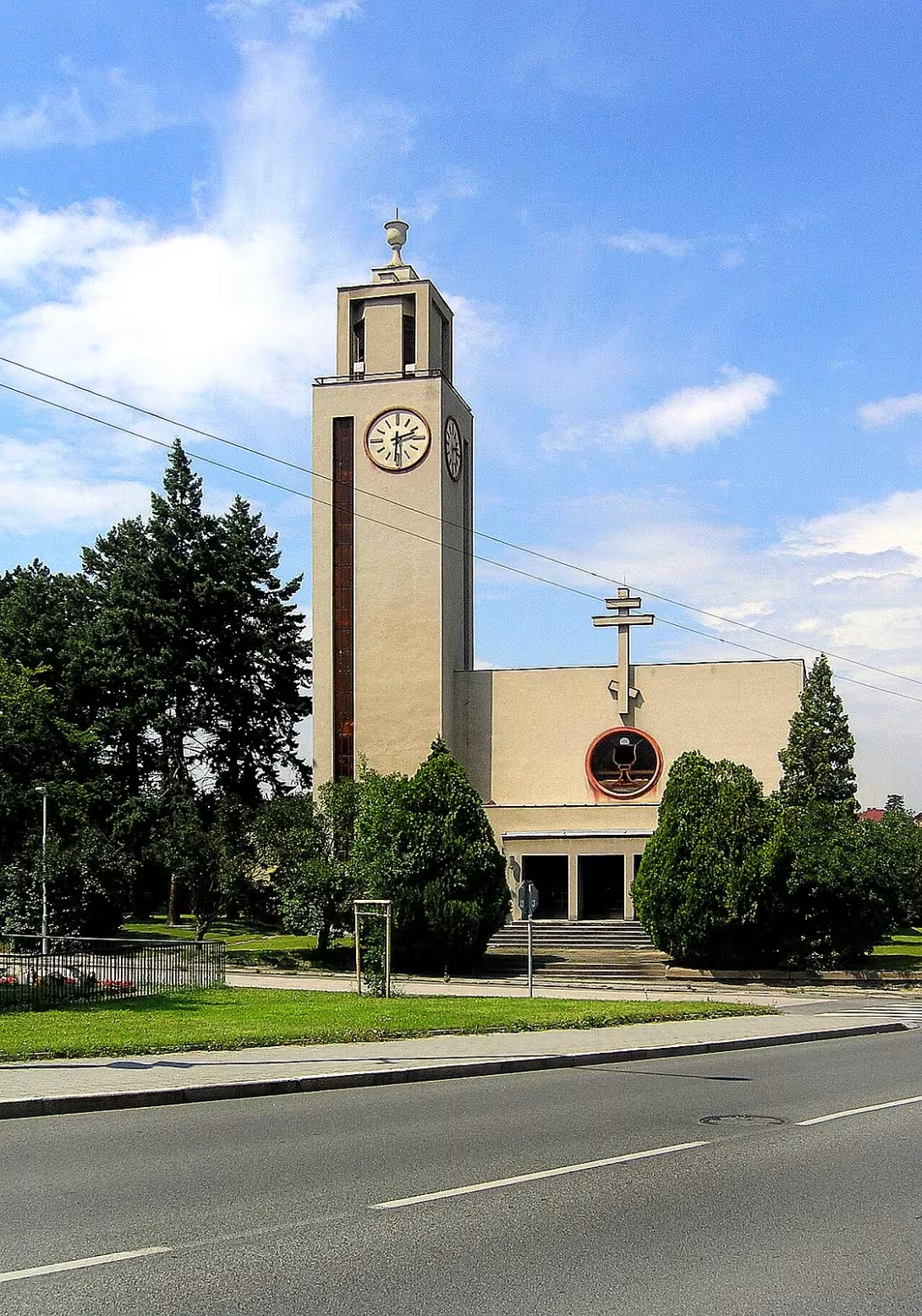
Husův sbor na Zbraslavi is a distinctive church located in Prague-Zbraslav, notable for its functionalist architecture with modernist elements. Originally transformed from an old granary, this church stands as a prominent feature in the area. Its design includes circular windows and a tower topped by an octagon featuring a symbolic chalice. The interior boasts unique artworks created by local artists and craftsmen, making it a significant cultural landmark.
The origins of Husův sbor na Zbraslavi trace back to 1924 when the Church of Czechoslovak Hussites needed a new space for services after losing shared use of St. Wenceslas' church. The search for a new location led to the acquisition of an old granary in 1925, though initial plans were delayed due to leasing complications. By 1937, under Václav Jílek's leadership, construction began and was completed by 1939. This period coincided with political tensions leading up to World War II, reflecting Czechoslovakia's cultural and religious dynamics at the time.
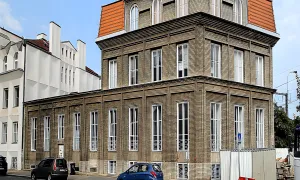
Architecturally, Husův sbor na Zbraslavi exemplifies functionalist design with modernist influences. The building's vertical alignment is complemented by circular windows and a distinctive tower topped with an octagon featuring a symbolic chalice. Local craftsmen contributed to its interior decoration, including frescoes and mosaics by notable artists such as Břetislav Dvořák, Jindřich Mahelka, and Miloš Pošár. The church also houses a Renaissance altar originally from the Zbraslav monastery of St. James, adding historical depth to its artistic elements.
Throughout its history, Husův sbor na Zbraslavi has seen various administrators and contributors who have shaped its development. Václav Jílek played a pivotal role in its construction, while local craftsmen like Břetislav Dvořák enriched its interior with their artistic works. The church's historical organs are also protected as cultural heritage, underscoring its significance.
Key events at Husův sbor na Zbraslavi include its inauguration on September 10, 1939, marking the completion of a project that overcame numerous challenges. The church has since hosted various pious and artistic activities, including choir and organ concerts. In 2012, it featured in Noci kostelů with an exhibition of paintings, highlighting its role as a cultural venue.
Today, Husův sbor na Zbraslavi continues to serve as a place for religious services and spiritual gatherings. Its rich history and unique architectural features make it a worthwhile visit for those interested in Czechoslovakian culture and religious heritage. The church's blend of historical significance and artistic beauty invites visitors to explore its storied past and appreciate its enduring legacy.
Then and now
Drag the slider to compare how the landmark may have looked when it was built with the view today.
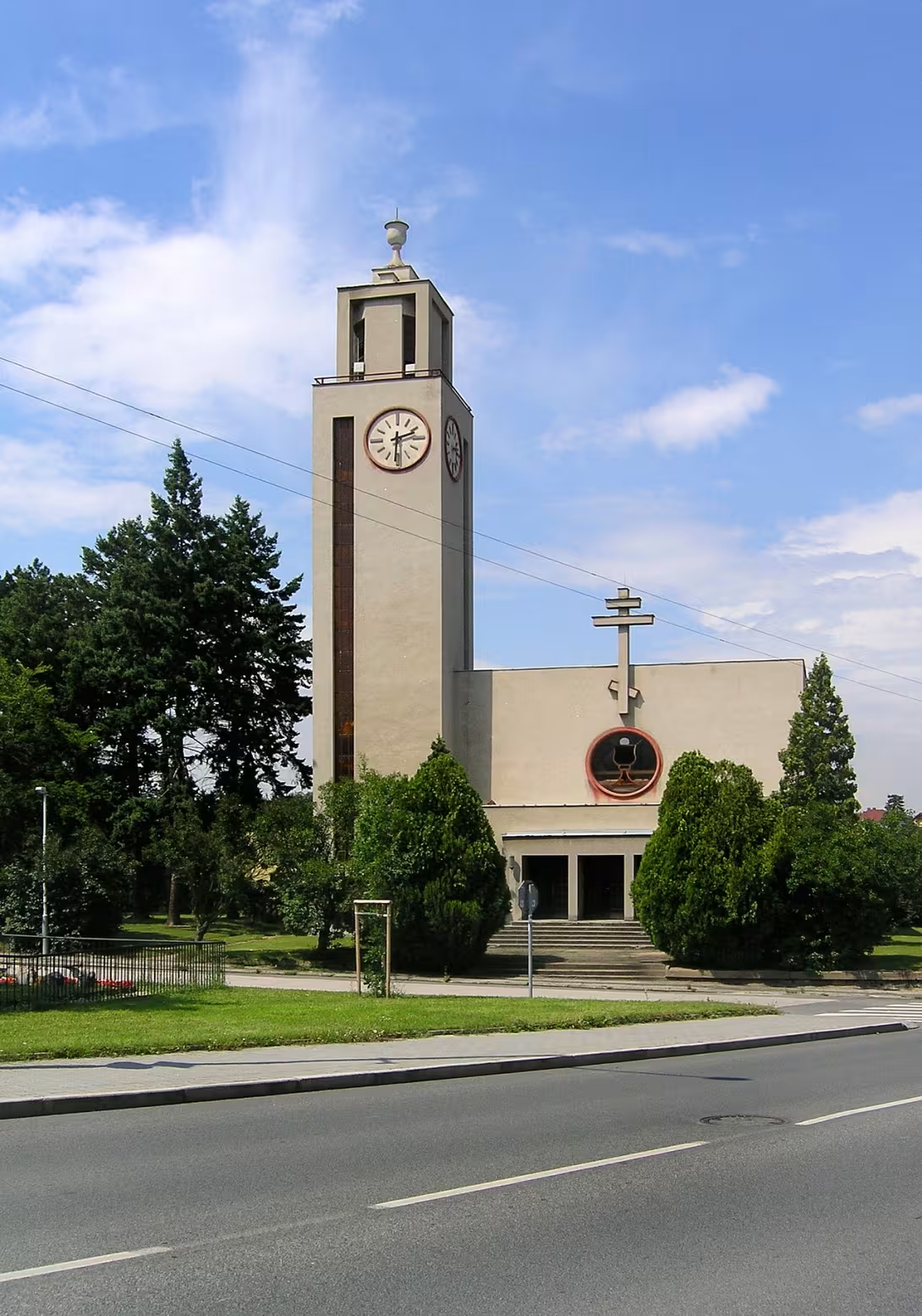
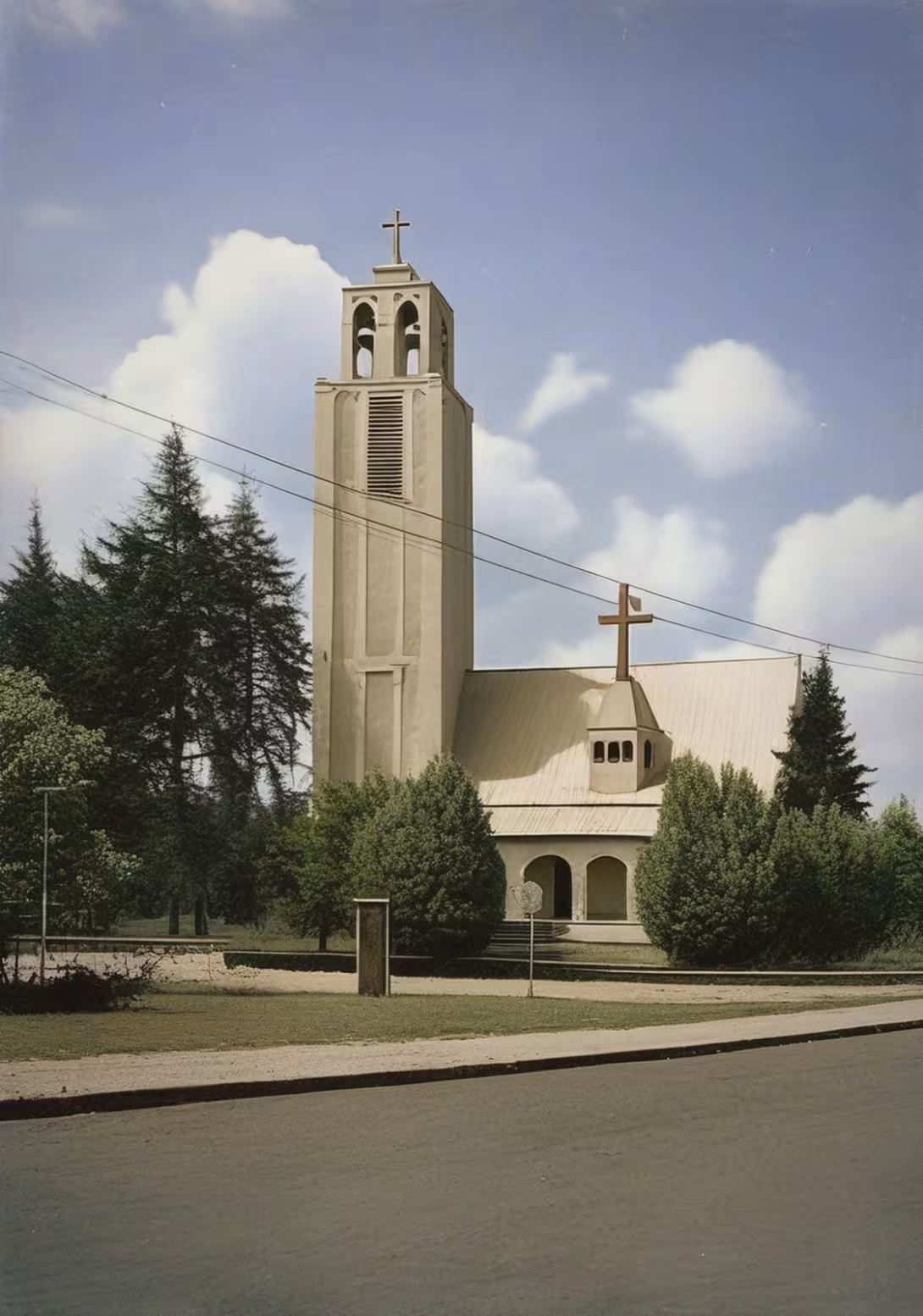
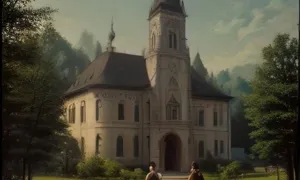
The historical appearance on the left is an AI-generated visualisation and serves as inspiration only.
Historical milestones
- 1939
- The church was inaugurated on September 10, 1939.
Architectural development
The church was constructed from an old granary, showcasing a functionalist style with modernist influences. The building features vertical alignment, circular windows, and a distinctive tower design. Local craftsmen contributed to its interior decoration, including frescoes and mosaics.
Historical events
In 1924, the Church of Czechoslovak Hussites needed a new space for services after losing shared use of St. Wenceslas' church.
Construction began in 1937 under the leadership of Václav Jílek and was completed by 1939.
Points of interest
- The church was originally a granary before being transformed into the Husův sbor na Zbraslavi in 1937, highlighting an unusual architectural conversion from agricultural to religious use.
- During its construction period, which coincided with rising political tensions leading up to World War II, the building's completion on September 10, 1939, symbolizes a significant cultural achievement amidst global uncertainty.
Guide
This guide is narrated by a synthetic voice generated by artificial intelligence.
Show guide text
This text was created by artificial intelligence and has not been editorially reviewed. It may contain inaccuracies.
Welcome to Husův sbor na Zbraslavi, a remarkable site nestled in the heart of Prague-Zbraslav. As you stand here, take a moment to absorb the surrounding atmosphere. Before you is an architectural marvel with its distinctive functionalist style and modernist elements, seamlessly integrated into this serene locale.
Let's delve into the history that brought this church to life. The transformation began in 1937 when this site was repurposed from an old granary into what we see today—a testament to innovative design and vision. This conversion was completed by architect Stanislav Vachata, whose work reflects a unique blend of functionality and aesthetic appeal. On September 10, 1939, the church was officially inaugurated, marking its place in history during a time of rising political tensions leading up to World War II.
As you explore further, notice the architectural details that define this structure. The circular windows catch your eye, allowing natural light to dance across the interior, while the tower ascends gracefully, culminating in an octagonal top adorned with a symbolic chalice—a nod to its spiritual significance.
This site is intertwined with key figures whose contributions have shaped its legacy. Václav Jílek, Břetislav Dvořák, Jindřich Mahelka, Miloš Pošár, and Ed. Veselý are among the notable personalities who played pivotal roles in its history.
A fascinating aspect of this church is its origin as a granary, highlighting an unusual architectural conversion from agricultural to religious use—a transformation that underscores both creativity and adaptability.
As we conclude our journey here at Husův sbor na Zbraslavi, I invite you to continue exploring the rich tapestry of stories and details that make this site truly unique. Thank you for joining me on this exploration of history and architecture.
Tips for visitors
The best time to visit Husův sbor na Zbraslavi is during the late spring or early fall when the weather is pleasant, allowing for a comfortable exploration of its unique architecture and surroundings. These seasons offer mild temperatures and natural light that enhance the visual appeal of the church's functionalist design. Additionally, visiting outside peak tourist season can provide a more serene experience with fewer crowds.
Parking and transportation options are available to make your visit convenient. While specific parking details may vary, there is generally accessible parking near Prague-Zbraslav. Public transport is also a viable option; you can reach the area using various public transit routes. It's advisable to check current travel connections in advance for the most efficient journey.
When visiting Husův sbor na Zbraslavi, consider bringing comfortable walking shoes as there may be some walking involved, especially if exploring nearby areas. A camera or smartphone is recommended to capture the architectural details and picturesque views. Additionally, carrying a light jacket can be useful in case of sudden weather changes.
Photography enthusiasts will find several spots around Husův sbor na Zbraslavi ideal for capturing its distinctive architecture. The best lighting conditions are typically during the golden hours—early morning or late afternoon—when the sunlight accentuates the church's modernist elements. Exploring different angles and perspectives can yield diverse and striking images.
For families with children, Husův sbor na Zbraslavi offers a culturally enriching experience. The area around Prague-Zbraslav is relatively quiet, making it suitable for family outings. While there are no specific child-focused activities at the church itself, exploring the nearby surroundings within a 30-minute radius can be enjoyable. Consider planning a leisurely walk or visit to local parks in the vicinity for an engaging day out.
Businesses nearby
Do you run a restaurant, accommodation, shop, museum, rental, wellness or other visitor service near this monument? Show yourself directly to the people heading to it — this is how they will see you in the app and on the web:
Events nearby
Zdroj akcí: otevřená data měst a obcí ČR (Národní katalog otevřených dat) a kalendář akcí Národního památkového ústavu.
Accommodation nearby
Trips and activities nearby
Guided tours, tickets and activities nearby from GetYourGuide
Affiliate link: if you buy from the partner, we may receive a commission. The price for you does not change.
Search tours and activities →Themed route
Thematic Walking Tour: Husův sbor na Zbraslavi and Surroundings
1. Husův sbor na Zbraslavi (Church) - *Type:* Historical Church - *Why Visit:* Begin your journey at the iconic Husův sbor, a stunning example of Gothic architecture dedicated to Jan Hus. This church is not only a place of worship but also a historical monument that offers insight into the Hussite movement and its impact on Czech history.
2. Zbraslav Monastery (Monastic Complex) - *Type:* Historical Monastery - *Why Visit:* Located just a short walk from Husův sbor, the Zbraslav Monastery is an architectural marvel with roots dating back to the 12th century. Explore its rich history and enjoy the serene atmosphere of this historic site, which played a significant role in the cultural development of Prague.
3. Church of Saint George (Church) - *Type:* Historical Church - *Why Visit:* A short walk from the monastery, the Church of Saint George is another gem in Zbraslav's historical landscape. Known for its beautiful frescoes and architectural details, this church offers a glimpse into medieval religious art and architecture.
4. Zbraslav Cemetery (Cemetery) - *Type:* Historical Cemetery - *Why Visit:* Conclude your tour at the historic cemetery of Zbraslav, which is not only a resting place for many notable figures but also an interesting site with unique tombstones and monuments that reflect local history and culture.
This thematic walking tour offers a deep dive into the historical and cultural significance of Zbraslav, providing visitors with a rich understanding of this area's heritage.
Seasonal recommendations
Spring: The arrival of spring at Husův sbor na Zbraslavi brings a gentle awakening to the surrounding nature, with blossoming trees and vibrant greenery that frame the historic church beautifully. This season offers a unique atmosphere as the soft light filters through budding branches, creating an ethereal glow around the church's architecture. Visitors can enjoy the tranquility of this time before the summer crowds arrive. It’s advisable to wear layers, as spring weather in Prague can be unpredictable with occasional rain showers. Arriving early allows you to experience the site without the hustle and bustle of larger groups that gather later in the day.
Summer: Summer at Husův sbor na Zbraslavi is marked by long daylight hours and warm temperatures, making it an ideal time for outdoor exploration around the church grounds. The lush landscape is in full bloom, offering a picturesque setting with vibrant colors and fragrant flowers. However, this season also attracts more visitors, so arriving early can help avoid larger crowds. Comfortable walking shoes and light clothing are recommended to stay comfortable during your visit, along with sunscreen and a hat for sun protection.
Autumn: Autumn at Husův sbor na Zbraslavi transforms the area into a tapestry of warm colors as leaves change from green to shades of gold, orange, and red. The cooler temperatures make it an excellent time for photography enthusiasts looking to capture the church against a backdrop of autumnal beauty. This season is generally less crowded than summer, offering a more peaceful experience. Visitors should dress in layers to accommodate the fluctuating temperatures throughout the day, and consider bringing a light jacket as evenings can become quite chilly.
Winter: Winter brings a serene and quiet atmosphere to Husův sbor na Zbraslavi, with snow often blanketing the landscape, creating a magical setting around the historic church. The shorter days mean that visitors should plan their visit during daylight hours for optimal viewing. While the site remains open in winter, it's important to check ahead as operating hours may vary due to weather conditions. Warm clothing is essential to ensure comfort during your visit, along with sturdy boots for navigating snowy paths. This season offers a unique opportunity to experience the church in a tranquil and reflective setting.
Visualizations and artistic views


The visualisations are generated by artificial intelligence and serve as inspiration.
Photos from the area
Real photos taken near the monument


Zdroj a licence jsou uvedeny u každého snímku.
Tips from visitors
No tips yet. Be the first!
Log in and add your tip.
Sources and literature
Fotografie: Czech Wikipedia user Packa / CC BY-SA 3.0 — Wikimedia Commons. The author and licence also appear when you hover over the image.
Faktickým podkladem tohoto textu byl článek na Wikipedii, jehož autory jsou přispěvatelé Wikipedie. Článek je dostupný pod licencí CC BY-SA 4.0.
Location on the map
More monuments – Praha-Zbraslav
Show all in the municipality
Příběhy a pověsti
Legendy, pověsti a příběhy spjaté s touto památkou
Příběh: Husův sbor na Zbraslavi
Bylo to v pondělí ráno, kdy Jan Podkova zjistil, že jeho život je na hraně, pokud by se dnes nestalo něco neuvěřitelného. Výhledy se mu zdály být uzavřeny ja…
Číst příběh
Pověst: Husův sbor na Zbraslavi
Staří zbraslavští obyvatelé vyprávějí, že stará sýpka stojící na rohu u Elišky Přemyslovny nebyla jen ledajakou skladnicí obilí. Přes sto let v ní leželo zrn…
Číst příběhFotografie návštěvníků
Zatím žádné fotografie. Buďte první, kdo přidá fotografii z návštěvy!
Přihlaste se a přidejte svou fotografii nebo hodnoťte.
Za ověřenou návštěvu v aplikaci získáte víc bodů — poznáme podle GPS, že jste na místě.
Reviews and comments