






Husův sbor v Kolíně Church
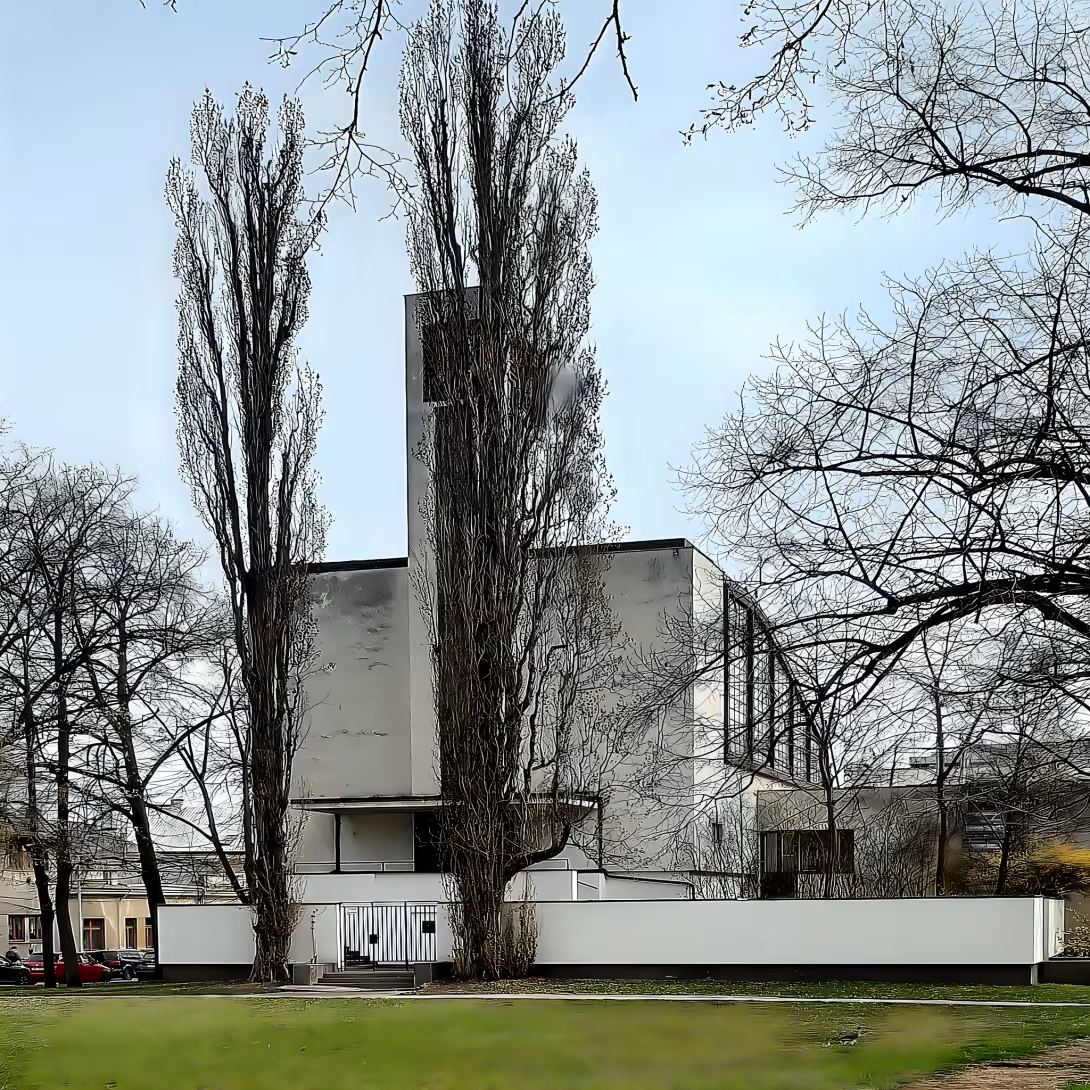
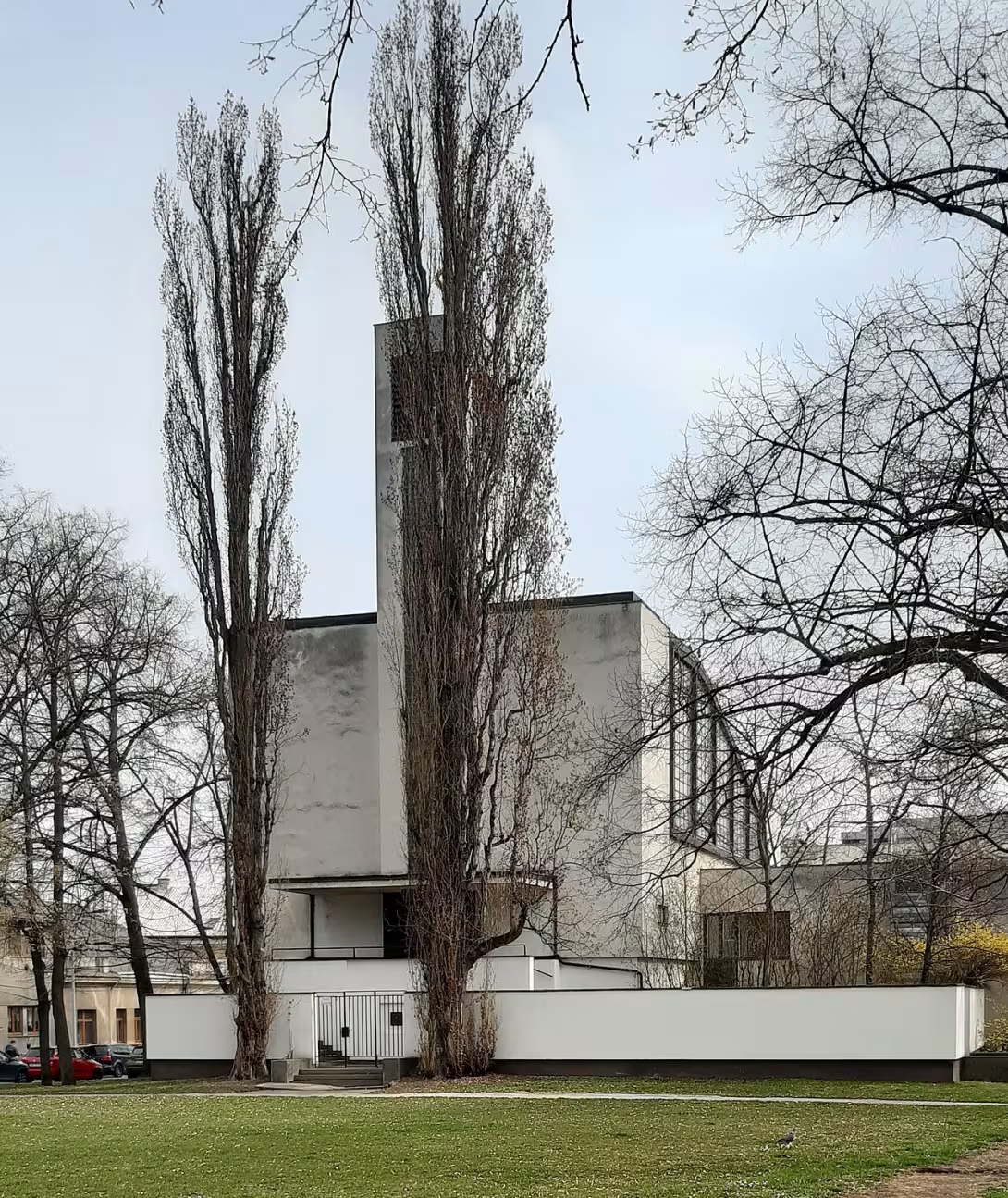
Husův sbor v Kolíně is a modern church located on the eastern side of Husovo náměstí, originally known as Vinařického náměstí. Designed by architect Vladimír Wallenfels and completed in 1932, this church features a distinctive west façade resembling a dove with folded wings, topped by a 27-meter-high spire adorned with a Hussite chalice. The building reflects early 20th-century modernist influences prevalent during Czechoslovakia's national identity formation after gaining independence from Austria-Hungary in 1918.
The origins of Husův sbor v Kolíně are linked to the growth of the Czechoslovak Church following independence, which saw a rise in new religious institutions reflecting cultural and political shifts. In September 1921, the church initially sought to use St. John the Baptist Church for services but found it unsuitable due to hygiene issues. This led them to construct their own building. By February 1922, they established a foundation fund, and by 1924, plans began as they were invited back into the previously used church. The municipality of Kolín generously donated land for this project, with Patriarch Karel Farský describing it as ideal for their congregation.
The architectural journey involved several key figures and decisions. Initially, František Potůček drafted plans; however, these were rejected by the city council due to technical concerns. The project was then entrusted to Vladimír Wallenfels, a student of Josef Gočár, who designed the accepted final plan. Construction began on August 28, 1931, with the foundation stone laid on June 28, 1931, in a ceremony attended by Bishop Stanislav Korduleh. The church opened to the public on June 12, 1932.
Architecturally, Husův sbor v Kolíně is characterized by its modernist style and innovative use of materials. It features brickwork with bryozoan limestone cladding, adding a unique texture to its façade. A notable design element is the reinforced concrete roof, replacing an originally planned steel structure. The main hall, designed for congregation gatherings, spans 17 by 12 meters and uses polycarbonate glass that creates an impression of infinite space while allowing ample natural light.
Throughout its history, Husův sbor v Kolíně has been maintained as a significant religious site within Kolín. While specific details about changes in ownership or fortune are not extensively documented, it remains integral to the community, serving both spiritual and social functions.
Today, Husův sbor v Kolíně stands as a testament to early 20th-century architectural innovation and religious development in Czechoslovakia. Visitors can appreciate its unique design elements and historical significance within Husovo náměstí, which also features a statue of Jan Hus by František Bílek. The church remains accessible for worship and community events, making it an important cultural landmark.
Husův sbor v Kolíně offers more than architectural beauty; it symbolizes the historical and cultural evolution of its time. Its presence in Kolín invites visitors to explore a rich past while experiencing the serene atmosphere of this modern church. Whether interested in architecture, history, or spirituality, Husův sbor v Kolíně provides an enriching experience that resonates with both locals and tourists alike.
Then and now
Drag the slider to compare how the landmark may have looked when it was built with the view today.
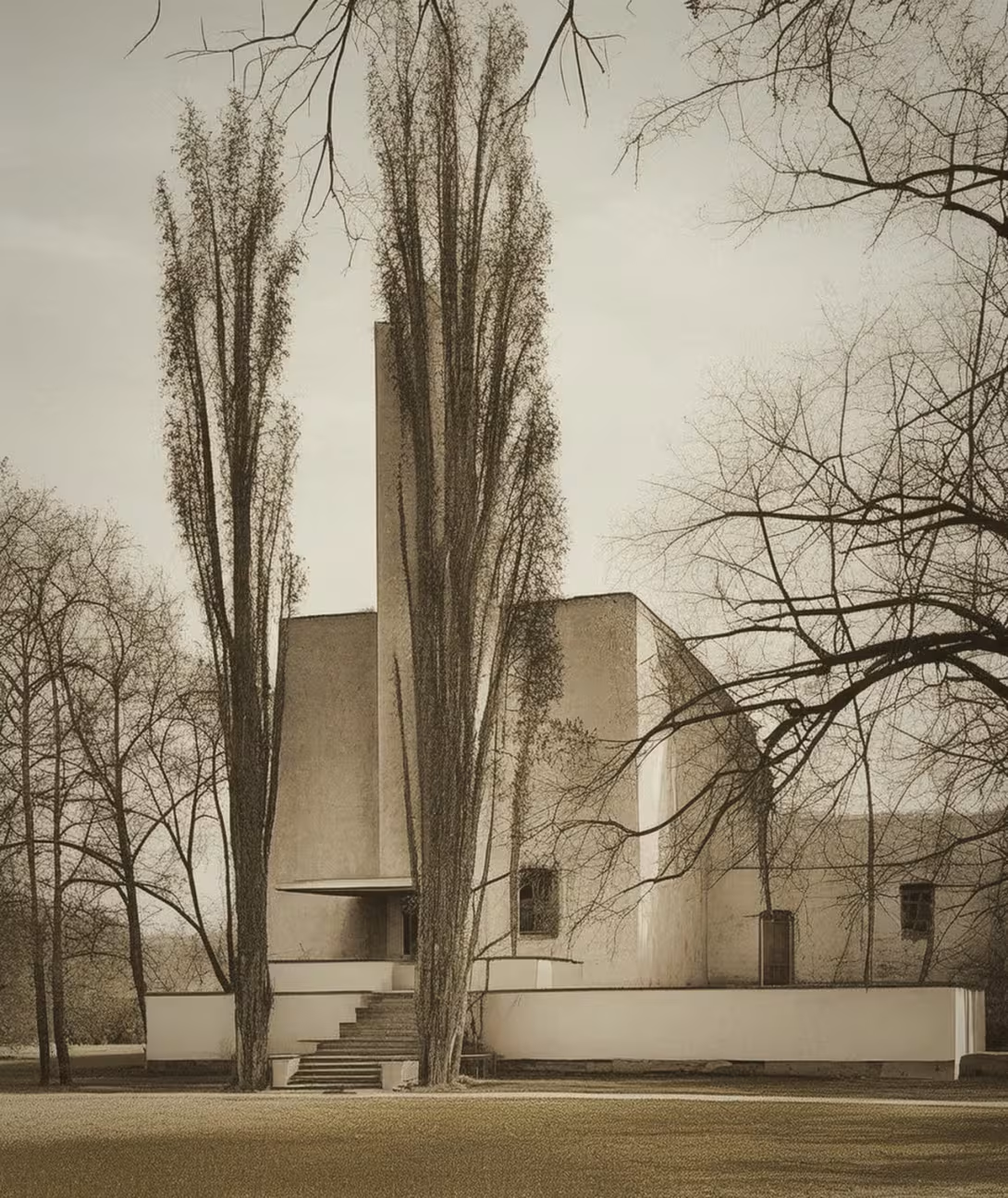
The historical appearance on the left is an AI-generated visualisation and serves as inspiration only.
Historical milestones
- 1931
- The foundation stone was laid on June 28.
- 1932
- The church was officially opened on June 12.
Architectural development
The construction of Husův sbor v Kolíně began in August 1931 after initial plans by František Potůček were rejected. The project was then taken over by Vladimír Wallenfels, a student of Josef Gočár, who designed the final accepted plan. The church features a reinforced concrete roof instead of the originally planned steel structure and incorporates brickwork with bryozoan limestone cladding.
Historical events
In September 1921, the Czechoslovak Church in Kolín was granted use of St. John the Baptist Church by the city council, which they found unsuitable due to hygiene issues.
The foundation stone for Husův sbor v Kolíně was laid on June 28, 1931, with the participation of Bishop Stanislav Korduleh.
The church was officially opened on June 12, 1932.
Points of interest
- The church's west façade is designed to resemble a dove with folded wings, symbolizing peace and the Holy Spirit, which aligns with the Hussite tradition of emphasizing reformative and spiritual ideals.
- During its construction, there was an initial plan for a steel roof structure that was later replaced by reinforced concrete. This change reflects both practical considerations and innovative architectural solutions typical of early 20th-century modernism.
- The church's design incorporates bryozoan limestone cladding, which not only provides a unique texture but also connects the building to local geological resources, showcasing a blend of natural beauty and architectural innovation.
- Despite its modernist style, the interior uses polycarbonate glass in the main hall. This material choice creates an impression of infinite space while allowing ample natural light, enhancing both the aesthetic and spiritual experience for congregants.
- The church's location on Husovo náměstí is significant as it shares the square with a statue of Jan Hus by František Bílek, emphasizing its connection to Hussite heritage and reinforcing its role in commemorating key historical figures in Czech religious history.
Guide
This guide is narrated by a synthetic voice generated by artificial intelligence.
Show guide text
This text was created by artificial intelligence and has not been editorially reviewed. It may contain inaccuracies.
Welcome to Husův sbor v Kolíně, a modern marvel that stands as a testament to the rich history and architectural innovation of this region. As you stand here on Husovo náměstí, formerly known as Vinařického náměstí, your eyes are immediately drawn to the church's striking west façade. Designed to resemble a dove with folded wings, it symbolizes peace and the Holy Spirit, reflecting the Hussite tradition of reformative and spiritual ideals.
The story of this iconic structure begins in 1931 when the foundation stone was laid on June 28th. By June 12th, 1932, Husův sbor v Kolíně was officially opened to the public. This period marked a significant time for architectural development in Czechoslovakia, with architects František Potůček and Vladimír Wallenfels at the helm of this project. Their vision brought together modern design elements with historical significance, creating a space that is both spiritually uplifting and architecturally impressive.
As you take in the view, notice the church's 27-meter-high spire topped with a Hussite chalice—a detail that captures the essence of its namesake and his followers' beliefs. The spacious main hall within invites reflection on the innovative design choices made during its construction, including an initial plan for a steel roof structure that was later revised.
The creation of Husův sbor v Kolíně is intertwined with key figures such as Karel Farský and Stanislav Korduleh, whose contributions to its development have left an indelible mark on this community. Their dedication to realizing the vision for this church underscores the collaborative spirit that brought it into existence.
An intriguing aspect of this building's history is the evolution of its design plans, including the shift from a steel roof structure to what we see today—a testament to the adaptability and creativity of its architects.
As you continue your exploration, allow yourself to be enveloped by the atmosphere of innovation and spirituality that Husův sbor v Kolíně embodies. We invite you to delve deeper into its history, architecture, and the stories it holds within its walls. Thank you for joining us on this journey through time and design. May your visit inspire reflection and admiration for the beauty and complexity of architectural heritage.
We hope you enjoy every moment of your exploration and carry with you a piece of the spirit that Husův sbor v Kolíně represents. Safe travels as you continue to discover the wonders of Kolín and beyond.
Tips for visitors
The best time to visit Husův sbor v Kolíně is during late spring or early autumn when the weather is pleasant, allowing you to comfortably explore both the church and its surroundings. These seasons offer mild temperatures ideal for walking around Husovo náměstí and enjoying the green spaces nearby. Additionally, visiting outside of peak tourist season can provide a more serene experience, with fewer crowds at this cultural site.
Parking near Husův sbor v Kolíně is limited, so it's advisable to use public transportation or park in areas further away from the church and walk over. The area around Husovo náměstí is accessible by bus, making it convenient for visitors traveling without a car. Always check current transport options online before your visit to ensure smooth travel plans.
When visiting Husův sbor v Kolíně, consider bringing comfortable walking shoes as you'll likely be exploring the area on foot. A camera or smartphone with a good camera is recommended to capture the unique architecture of the church and the statue of Jan Hus by František Bílek. Sunscreen and water are also advisable if visiting during warmer months.
For photography enthusiasts, the best spots around Husův sbor v Kolíně include the west façade of the church itself, which offers a unique perspective resembling a dove with folded wings. Early morning or late afternoon light provides a softer illumination, enhancing the architectural details and creating dramatic shadows. The green spaces surrounding the area also offer beautiful natural backdrops for photographs.
Nearby attractions within 30 minutes include other historical sites in Kolín that contribute to its cultural significance. Exploring these areas can provide additional context about the region's history and architecture. For families with children, visiting Husovo náměstí offers a chance to explore both indoor and outdoor spaces, making it an engaging experience for all ages.
Businesses nearby
Nearby
Husovo náměstí is located in Kolín and features a statue of Jan Hus by František Bílek. The area includes green spaces and other historical sites, contributing to its cultural significance.
Accommodation nearby
Trips and activities nearby
Guided tours, tickets and activities nearby from GetYourGuide
Affiliate link: if you buy from the partner, we may receive a commission. The price for you does not change.
Search tours and activities →Themed route
Tematická výletní trasa kolem Husův sbor v Kolíně
1. Husův sbor (Kostel) - Typ: Historický kostel - Proč stojí za návštěvu: Husův sbor je klíčovou kulturní památkou, která připomíná významné historické a duchovní období spojené s Janem Hussem. Jeho architektura a bohatá historie nabízejí cenný vhled do minulosti města.
2. Husovo náměstí - Typ: Historické náměstí - Proč stojí za návštěvu: Náměstí je centrem kulturního dědictví Kolína, kde se nachází působivá socha Jana Husa od Františka Bílka. Zelené prostory a architektonické prvky náměstí přidávají jeho atmosféře a činí ho ideálním místem k relaxaci a reflektování.
3. Okolní zelené prostory kolem Husova náměstí - Typ: Parky a zelené plochy - Proč stojí za návštěvu: Tyto zelené oblasti nabízejí klidnou přestávku během procházky, umožňující si užít přírodní krásy a odpočinout v mírném prostředí. Jsou ideálním místem k pozorování místní fauny a flóry.
Tato trasa nabízí kompaktní zážitek o historickém a kulturním dědictví Kolína, zaměřený na Husův sbor a jeho okolí.
Seasonal recommendations
Spring: Visiting Husův sbor v Kolíně during the spring offers a unique experience as nature awakens around this historic site. The blooming flowers and budding trees create a picturesque backdrop, enhancing the serene atmosphere of the church. This is an ideal time to appreciate the architecture with natural light filtering through stained glass windows, providing a vibrant display within the interior. Visitors should be prepared for occasional rain showers, so wearing layers and bringing an umbrella or waterproof jacket is advisable. The weather can vary significantly from day to day, making adaptable clothing essential.
Summer: Summer at Husův sbor v Kolíně brings long daylight hours and warm temperatures, perfect for exploring the church's rich history and architecture. This season often sees higher visitor numbers, especially during weekends and holidays, so arriving early in the morning can help avoid crowds. The lush greenery surrounding the site adds to its charm, making it a pleasant place to stroll before or after your visit. Comfortable walking shoes and light clothing are recommended due to the warmer weather.
Autumn: Autumn at Husův sbor v Kolíně is characterized by stunning foliage as the leaves turn vibrant shades of red, orange, and yellow. The cooler temperatures create a cozy atmosphere, ideal for enjoying the church's tranquil ambiance. This season typically sees fewer visitors compared to summer, offering a more peaceful experience. It’s advisable to dress warmly in layers, as mornings can be chilly while afternoons may still feel mild. Carrying a light jacket or sweater is recommended.
Winter: Winter transforms Husův sbor v Kolíně into a serene and picturesque site, often blanketed with snow that accentuates its architectural beauty. The shorter days mean the church might have reduced opening hours, so checking in advance is wise. Winter attire should be warm, including coats, hats, gloves, and scarves to stay comfortable during your visit. Despite fewer visitors due to the cold, the atmosphere inside the church can feel intimate and reflective, offering a unique way to experience its history during this quieter season.
Visualizations and artistic views


The visualisations are generated by artificial intelligence and serve as inspiration.
Photos from the area
Real photos taken near the monument


Zdroj a licence jsou uvedeny u každého snímku.
Atmosphere of the place
This atmospheric visualisation of the place and period was generated by artificial intelligence. It is not real footage of the location.
Tips from visitors
No tips yet. Be the first!
Log in and add your tip.
Sources and literature
Fotografie: Jrnka ka / CC BY-SA 4.0, rozlišení zvýšeno umělou inteligencí — Wikimedia Commons. The author and licence also appear when you hover over the image.
Faktickým podkladem tohoto textu byl článek na Wikipedii, jehož autory jsou přispěvatelé Wikipedie. Článek je dostupný pod licencí CC BY-SA 4.0.
Location on the map

Příběhy a pověsti
Legendy, pověsti a příběhy spjaté s touto památkou

Fotografie návštěvníků
Zatím žádné fotografie. Buďte první, kdo přidá fotografii z návštěvy!
Přihlaste se a přidejte svou fotografii nebo hodnoťte.
Za ověřenou návštěvu v aplikaci získáte víc bodů — poznáme podle GPS, že jste na místě.
Reviews and comments