






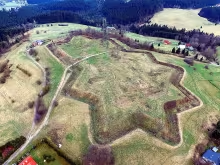
Jablunkovské šance are fortifications in Mosty u Jablunkova, within the Moravskoslezský kraj region of the Czech Republic. Built along the Silesian border, they protected against Turkish invasions and played significant roles during conflicts like the Thirty Years' War. The main fortress, Velká šance, is strategically located at Jablunkov Pass in the Moravian-Silesian Beskids. Today, these fortifications are recognized as cultural heritage sites of the Czech Republic, attracting visitors due to their historical significance and picturesque setting.
The origins of Jablunkovské šance date back to a period when Central Europe faced threats from Ottoman expansion into Europe. It is assumed that some form of fortification existed in this area since the 14th century. Documented construction began in 1529 due to the imminent threat of Turkish invasion. Their strategic importance was further enhanced during the Thirty Years' War, where they served as critical defensive structures.
Architecturally, Jablunkovské šance underwent several phases of construction and reconstruction throughout their history. Initially built in the early 16th century, they were destroyed and rebuilt multiple times. The fortifications included walls, ditches, and barracks, with significant rebuilding occurring between 1724-1729. During this period, the main fortress was transformed into a pentagonal structure featuring additional buildings such as barracks and storage facilities to strengthen their defensive capabilities.
Throughout history, Jablunkovské šance were managed by various figures who played crucial roles in their maintenance and defense. Notably, Matyáš Korvín initiated the construction of a road through the pass with local consent in 1474, enhancing its strategic value. During times of peace, the fortifications were manned by vybraňci—local Goral people—who enjoyed certain privileges similar to those of the Chodové in Bohemia. These defenders were led by a hejtman who acted as their administrator and judge. In 1678, a permanent military garrison was stationed at the site, underscoring its ongoing strategic importance.
Several key events underscore the historical significance of Jablunkovské šance. In 1638, during the Thirty Years' War, the fortifications were completely destroyed by Hungarians. However, they were quickly rebuilt in 1642 due to the threat posed by Swedish invasion forces. The site also witnessed conflicts involving Hungarian revolutionaries led by František II. Rákóczi between 1703 and 1704, who sought to liberate Hungary from Habsburg rule.
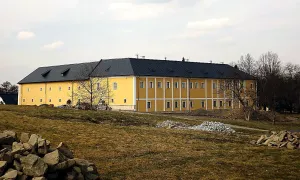
Today, Jablunkovské šance stand as a testament to the region's turbulent history. Although much of the original structure has deteriorated over time, remnants such as walls, ditches, and defensive trenches are still visible in the landscape. The site is protected by an official conservation area established around it in 1981. Visitors can explore these historical ruins and learn about their significance at a nearby visitor center. Despite their age, Jablunkovské šance continue to captivate those interested in history and architecture.
Jablunkovské šance offer a unique glimpse into the past, showcasing the strategic importance of fortifications in European history. Their preservation as cultural heritage sites ensures that future generations can appreciate their historical value. For anyone visiting the Moravian-Silesian Beskids, exploring Jablunkovské šance provides an enriching experience, blending natural beauty with a rich tapestry of historical events.
Historical milestones
- 1529
- Construction began due to the threat of Turkish invasion.
- 1638
- The fortifications were completely destroyed by Hungarians.
- 1642
- Quick rebuilding occurred due to the threat of Swedish invasion.
Architectural development
The Jablunkovské šance underwent several phases of construction and reconstruction. Initially built in the early 16th century, they were destroyed and rebuilt multiple times throughout their history. The fortifications included walls, ditches, and barracks, with significant rebuilding occurring between 1724-1729.
Historical events
In 1529, construction began in response to the threat of Turkish invasion.
In 1638, the fortifications were completely destroyed by Hungarians.
By 1642, they were quickly rebuilt due to the threat of Swedish invasion.
Points of interest
- The Jablunkovské šance were initially fortified as early as the 14th century to defend against Ottoman expansion into Europe, showcasing their longstanding strategic importance in Central European defense.
- During peaceful times, the fortifications were manned by vybraňci—local Goral people—who enjoyed privileges similar to those of the Chodové in Bohemia, highlighting a unique aspect of local military tradition and autonomy within these defenses.
Guide
Show guide text
Welcome to the Jablunkovské šance, a remarkable series of fortifications nestled in the heart of the Moravian-Silesian Beskids near Mosty u Jablunkova. As you stand here, surrounded by the lush greenery and rugged terrain, imagine the strategic significance this site once held. Before you stretches an expanse that tells tales of resilience and defense against formidable foes.
The origins of these fortifications date back to 1529 when the looming threat of a Turkish invasion prompted their construction. These defenses were not merely walls but a testament to the foresight and determination of those who sought to protect Central Europe from Ottoman expansion. Over the years, particularly during the Thirty Years' War, the Jablunkovské šance proved crucial in safeguarding the region.
As you gaze upon the remnants of Velká šance, the main fortress at Jablunkov Pass, take a moment to appreciate its strategic positioning. The architecture, though now worn by time, speaks volumes about the ingenuity of its builders—though their names remain unknown. Notice how the fortifications blend seamlessly with the natural landscape, using the terrain to enhance defensive capabilities.
Throughout history, these walls have witnessed significant events and figures. Matyáš Korvín played a pivotal role in their early development, while kněžna Alžběta Lukrécie's influence was felt during their reconstruction after destruction by Hungarians in 1638. The resilience of the fortifications is evident as they were quickly rebuilt just four years later to counter the threat of a Swedish invasion.
An intriguing aspect of these fortifications lies in their role during peaceful times. They were manned by vybraňci, local Goral people who not only defended but also contributed to the cultural tapestry of this region. Their presence adds a layer of human connection to this historical site, reminding us of the lives intertwined with its walls.
As you continue your exploration, let yourself be drawn into the stories that echo through these ancient stones. Each step is an opportunity to delve deeper into history and uncover the secrets held within the Jablunkovské šance.
We invite you to wander further, discover more hidden corners, and immerse yourself in this fascinating chapter of European heritage. Thank you for joining us on this journey through time, and may your curiosity lead you to many more discoveries. Safe travels as you continue exploring the wonders that history has left behind.
Businesses nearby
Do you run a restaurant, accommodation, shop, museum, rental, wellness or other visitor service near this monument? Show yourself directly to the people heading to it — this is how they will see you in the app and on the web:
Nearby
The site is located in a picturesque area of the Moravian-Silesian Beskids, attracting tourists due to its natural beauty and historical significance. Nearby features include remnants of walls and ditches.
Accommodation nearby
Themed route
Tematická výletní trasa: Jablunkovské šance a jejich okolí
1. Jablunkovské šance (hradby) - *Typ:* Historická památka - *Proč stojí za návštěvu:* Jablunkovské šance jsou fascinujícím historickým místem, které představuje zázrak dřevěné obrany z 16. století. Tyto hradby byly postaveny k ochraně proti tureckým vpádům a jsou jedinečným svědkem minulosti, který nabízí návštěvníkům pohled na architekturu a historii regionu.
2. Ostatky hradeb a příkopů - *Typ:* Historické zbytky - *Proč stojí za návštěvu:* Tato místa jsou klíčovými součástmi obecného areálu Jablunkovských šanc a poskytují hlubší vhled do strategického významu těchto obranných struktur. Prozkoumáním zbytků hradeb a příkopů si můžete užít pohled na rozsáhlou historii regionu a jeho obranné mechanismy.
3. Přírodní prostředí Moravskoslezských Beskyd - *Typ:* Příroda - *Proč stojí za návštěvu:* Okolní krajina nabízí pohledy na krásné a dramatické horské kraje Moravskoslezských Beskyd. Tato přírodní krása je ideálním pozadím pro pochopení historického kontextu, ve kterém byly Jablunkovské šance postaveny, a nabízí výjimečné možnosti pro relaxaci a prozkoumávání přírody.
4. Procházka po horských stezkách - *Typ:* Turistická trasa - *Proč stojí za návštěvu:* Procházky po horských stezkách v okolí Jablunkovských šanc umožňují zasvětit se do pohodlného turistického prostředí, které nabízí jak fyzickou aktivitu, tak příležitost prohlédnout si místní faunu a flóru. Tyto stezky jsou ideálním doplňkem k historickým zážitkům, které nabízejí samotné šance.
Tato trasa vám umožní prozkoumat nejen historickou hodnotu Jablunkovských šanc, ale také přírodní krásy a turistické možnosti regionu.
Seasonal recommendations
Jaro: Návštěva Jablunkovských šanc v jarním období nabízí jedinečný pohled na historickou památku, když se hradby překrývají s mladými listy stromů a kvetoucími keři. Tento čas roku je známý svou mírnou teplotou a vlhkostí, což vytváří živou atmosféru plnou zeleně. Ačkoli se mohou objevit první návštěvníci toužící po tichém prozkoumání, oblast stále není přeplněná davem, což umožňuje klidné procházky. Doporučujeme nosit pohodlné boty a nějaký tepelný oděv, protože teplota může být střední s chladnými rány nebo večery.
Léto: V letním období jsou Jablunkovské šance plné života díky dlouhým dnům a teplému slunci, což zvyšuje atraktivitu historického místa pro návštěvníky. Krásný pohled na oblohu v kombinaci s přirozenou krajinou nabízí ideální podmínky pro fotografování a relaxační chůze po hradbách. V hlavní letní sezóně se zvyšuje návštěvnost, takže je vhodné přijít dříve v den, aby si užili místa bez dlouhých front a tlačení. Nosit lehké oblečení, kravaty proti slunci a dostatek pitného nápoje je klíčem k pohodlí během prohlídky.
Podzim: Podzimní návštěva Jablunkovských šanc nabízí zcela odlišnou atmosféru, když se listy stromů barví v živé paletě a slunce zapadá brzy. Tato sezóna je ideální pro milovníky přírody, kteří hledají klidné chvíle na pozadí zlatých a rudých listů, které zdobí krajinu kolem ruin. Navzdory snižujícím se teplotám je oblast stále dostupná pro návštěvu, ale s menším počtem turistů ve srovnání s letním obdobím. Nosit tepelné oblečení a možná deky proti vlhkosti je klíčové pro pohodlný zážitek.
Zima: V zimě nabízejí Jablunkovské šance jedinečné prostředí, kde historické hradby zdobí sněhovou dekorací a vytvářejí tichou atmosféru. Krátké dny znamenají, že otevírací doba je obvykle omezena, takže se doporučuje přijít co nejdříve po otevření. Zima může být náročná na pohodu kvůli chladu a sněhu, takže je důležité nosit teplé oblečení, včetně košile proti vlhkosti a tepelných bot. Navzdory potenciálním překážkám může být zimní návštěva poutavou cestou pro ty, kteří hledají klidné a odlehlé místo na únik od většiny turistických tras.
Visualizations and artistic views

Vizualizace jsou generovány umělou inteligencí a slouží jako inspirace.


Tips from visitors
No tips yet. Be the first!
Log in and add your tip.


Reviews and comments