






jezový most a zdymadlo Miřejovice Water structure
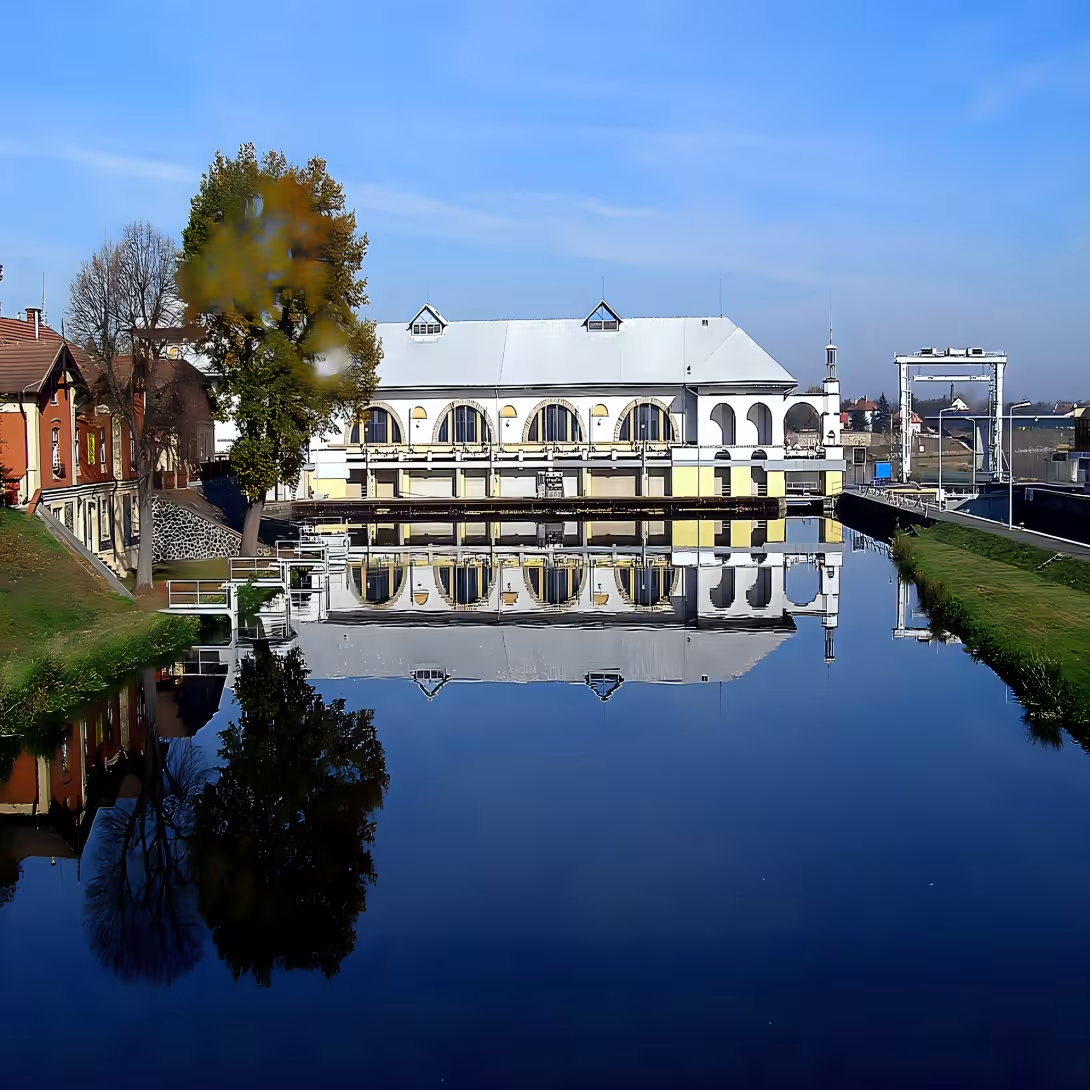
The Jezový Most and Weir at Miřejovice is a notable water engineering structure located in the Nelahozeves municipality within the Mělník District of the Středočeský Region, Czech Republic. Built between 1900 and 1903, it plays a crucial role in regulating the Vltava River's flow while facilitating navigation. The site is distinguished by its decorative towers that blend functionality with aesthetic appeal, forming an architectural ensemble comprising a weir bridge, navigational canal, electric power intake, and an electricity plant.
The origins of Jezový Most and Weir at Miřejovice trace back to the early 20th century during Czechoslovakia's industrial growth. Initially, it featured a wooden bridge constructed by the Chotkové family in 1755, which was destroyed by floodwaters in 1784. Císař Josef II.'s refusal to permit a new bridge led to the establishment of a ferry service instead. The current weir was built between 1900 and 1903, designed by František Sander, reflecting Europe's technological advancements during that era.
Architecturally, Jezový Most and Weir at Miřejovice is known for its decorative towers, setting it apart from other Vltava weirs. The weir bridge, completed in 1903, served both functional and aesthetic purposes. By 1927, an electricity plant was added to modernize the site further. Between 1928 and 1930, significant enhancements included the addition of an electric power intake and plant. Recent updates involved reconstructing navigational chambers and installing a new control house at the beginning of the 21st century.
Ownership and administration have remained consistent over time, with Povodí Vltavy, a state enterprise, overseeing operations related to the weir. This continuity ensures that the site's historical integrity is maintained while adapting to modern needs.
Key events in its history include its initial construction and subsequent enhancements. The addition of an electric power intake and plant between 1928 and 1930 marked significant engineering advancements. Another interesting aspect was the temporary removal of a trolleybus line between 2009 and 2010, which has since been restored by 2022.
Today, Jezový Most and Weir at Miřejovice functions as both an operational water management facility and a historical site. Although it no longer supports vehicular traffic due to the construction of a new bridge in 1974, it remains accessible for pedestrians and cyclists. The structure is part of a scenic landscape near the former Povltavské tukové závody, offering visitors insights into its industrial past and natural beauty.
Visitors are invited to explore this unique blend of engineering prowess and historical significance. Jezový Most and Weir at Miřejovice stands as a testament to early 20th-century innovation while showcasing the harmonious integration of functionality and design in Czech water management history.
Then and now
Drag the slider to compare how the landmark may have looked when it was built with the view today.
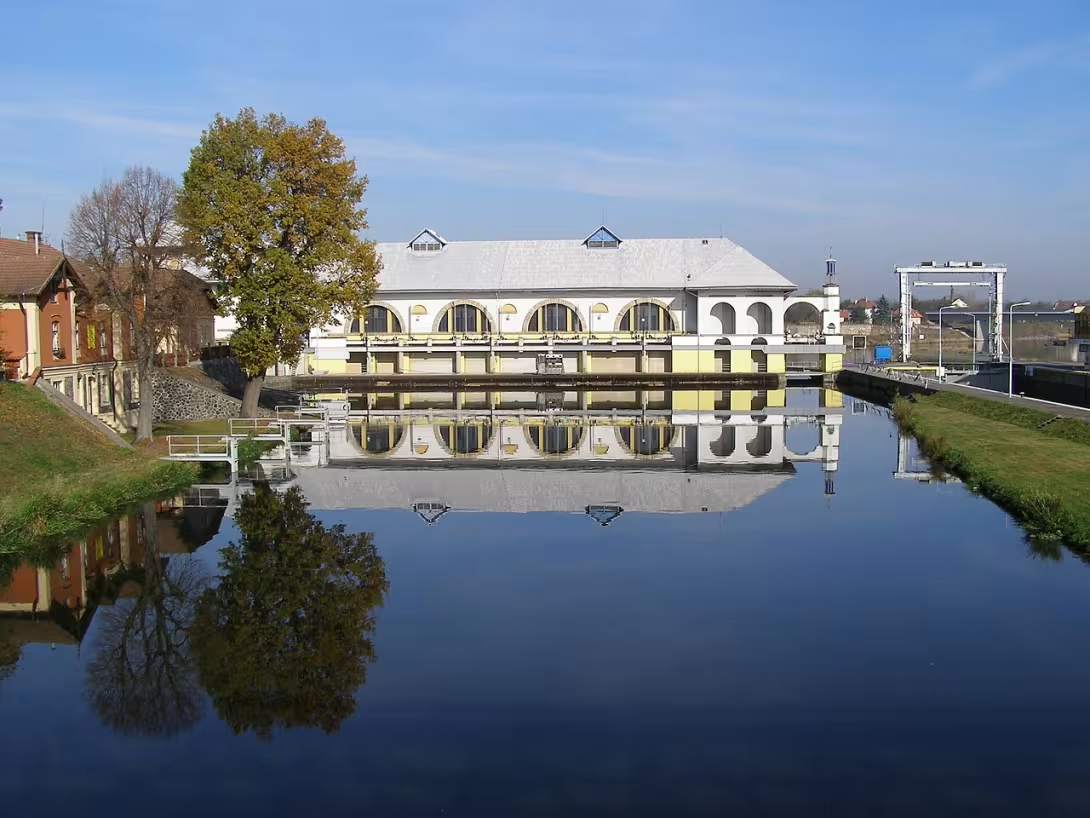

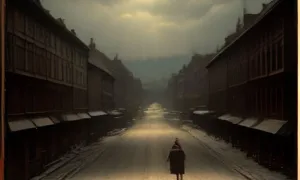
The historical appearance on the left is an AI-generated visualisation and serves as inspiration only.
Historical milestones
- 1755
- Construction of the original wooden bridge by the Chotkové family.
- 1784
- The wooden bridge was destroyed by floodwaters.
- 1900
- Construction began for the current weir and Jezový Most.
- 1903
- Completion of the weir bridge, designed by František Sander.
- 1927
- Addition of an electricity plant to modernize the site.
- 1928-1930
- Installation of electric power intake and enhancements to the plant.
Architectural development
The Jezový most a zdymadlo Miřejovice underwent significant development from its initial construction in the early 20th century. The original wooden bridge was replaced by a weir built between 1900 and 1903, designed by František Sander. In the late 1920s, the structure was modernized with the addition of an electric power intake and plant. The most recent updates include the reconstruction of navigational chambers and the installation of a new control house at the beginning of the 21st century.
Historical events
The original wooden bridge on the site was built by the Chotkové family in 1755 and destroyed in a flood in 1784.
A weir was constructed between 1900 and 1903.
Between 1928 and 1930, an electric power intake and plant were added, modernizing the structure.
Owners
Provozovatelem všech zdymadel je Povodí Vltavy, státní podnik.
Points of interest
- Despite its modern functionality, the Jezový Most and Weir at Miřejovice was preceded by a wooden bridge built in 1755 by the Chotkové family, which was destroyed by floods in 1784. This highlights the area's long history of dealing with water management challenges.
- An interesting anecdote involves Císař Josef II., who refused to allow the construction of a new bridge after the original wooden one was destroyed, leading instead to the establishment of a ferry service—a decision that underscores historical tensions between infrastructure development and imperial authority.
- The decorative towers at Jezový Most and Weir are unique among Vltava weirs for their blend of functionality and aesthetic appeal, reflecting early 20th-century European architectural trends in water management structures.
- Between 2009 and 2010, a trolleybus line that crossed the area was temporarily removed. This event reflects ongoing efforts to balance modern transportation needs with historical preservation, as the line has since been restored by 2022.
- The site's history is marked by significant engineering advancements, such as the addition of an electric power intake and plant between 1928 and 1930, illustrating early integration of electricity generation into water management systems.
Guide
This guide is narrated by a synthetic voice generated by artificial intelligence.
Show guide text
This text was created by artificial intelligence and has not been editorially reviewed. It may contain inaccuracies.
Welcome to the Jezový Most a zdymadlo Miřejovice, an engineering masterpiece nestled in the scenic municipality of Nelahozeves within the Mělník District of Středočeský Region. As you stand here, take a moment to absorb the grandeur and historical significance of this site. Before you is a structure that seamlessly blends functionality with aesthetic beauty, playing a crucial role in regulating the Vltava River while facilitating navigation.
The story of this location begins in 1755 when the Chotkové family commissioned the construction of an original wooden bridge. This early endeavor was a testament to the region's ongoing struggle and ingenuity in water management. However, just 29 years later, in 1784, the wooden bridge succumbed to the river’s might during a flood, highlighting the challenges posed by nature.
Fast forward to the turn of the century; between 1900 and 1903, construction began on what stands today—a robust weir and the iconic Jezový Most. This new structure was designed by the esteemed architect František Sander, whose vision transformed this site into a functional yet visually striking landmark. As you look around, notice the decorative towers that rise above the water. These aren't just structural elements; they are artistic expressions that enhance the bridge's grandeur and historical narrative.
The Jezový Most is not merely an architectural feat but also a symbol of modernization in its era. In 1927, an electricity plant was added to further modernize the site, marking another significant chapter in its history. Between 1928 and 1930, enhancements were made with the installation of electric power intake facilities, ensuring that this structure continued to meet evolving technological needs.
While specific historical figures associated with the site remain largely anonymous, their contributions have left an indelible mark on this landscape. The transformation from a simple wooden bridge to a sophisticated engineering marvel speaks volumes about the ingenuity and resilience of those who came before us.
One intriguing aspect of Jezový Most is its layered history. Despite its modern functionality, it stands as a reminder of past challenges with water management—a narrative that began over two centuries ago. This rich tapestry of history invites you to ponder how each era's innovations have built upon the last, creating what we see today.
As your journey through this site concludes, I invite you to explore further and immerse yourself in the surrounding beauty of Nelahozeves. Let the stories and sights here inspire a deeper appreciation for both the past and present achievements that define this remarkable place. Thank you for joining us on this exploration of Jezový Most a zdymadlo Miřejovice, where history and engineering artistry converge to create something truly extraordinary.
Tips for visitors
The best time to visit the Jezový most a zdymadlo Miřejovice is during late spring or early autumn when the weather is pleasant, and the surrounding nature is particularly vibrant. During these months, you can enjoy the scenic beauty of the Vltava River without the crowds that might be present in peak summer months. The lighting conditions are also ideal for photography, with softer sunlight enhancing the natural colors of the landscape.
When planning your visit, consider bringing comfortable walking shoes as there are paths around the weir that offer great views of the Vltava River. A camera is recommended to capture the picturesque landscapes, especially during golden hours when the light is soft and warm. Additionally, carrying water and some snacks can enhance your experience if you plan on spending a few hours exploring.
For photography enthusiasts, the best spots are along the riverbank where you can capture both the engineering structure of the weir and its natural surroundings. Early morning or late afternoon provides the most flattering light for photographs. Don't forget to bring a tripod for stable shots, especially in low-light conditions.
Nearby attractions within 30 minutes include the charming village of Veltrusy, known for its historic church and beautiful gardens. Another nearby site is the Nelahozeves chateau, which offers insights into Czech history and architecture. These locations are perfect for extending your visit and exploring more of the region's cultural heritage.
Frequently asked questions
Can the monument be visited?
This is a structure in a public space that can usually be seen from outside free of charge. We have not verified that this particular one is freely accessible.
Where is the monument?
Location: č.p. 145, Nelahozeves, Veltrusy, Středočeský kraj. The map on this page shows the exact spot.
Why is the monument protected?
It is listed in the Central List of Cultural Monuments of the Czech Republic as a cultural monument (register no. 25133/2-1424).
Businesses nearby
Do you run a restaurant, accommodation, shop, museum, rental, wellness or other visitor service near this monument? Show yourself directly to the people heading to it — this is how they will see you in the app and on the web:
Events nearby
Zdroj akcí: otevřená data měst a obcí ČR (Národní katalog otevřených dat) a kalendář akcí Národního památkového ústavu.
Nearby
Located near the former Povltavské tukové závody, the weir is situated in a scenic area with natural beauty. The surrounding landscape includes the Vltava River and nearby villages such as Miřejovice and Veltrusy.
Accommodation nearby
Trips and activities nearby
Guided tours, tickets and activities nearby from GetYourGuide
Affiliate link: if you buy from the partner, we may receive a commission. The price for you does not change.
Search tours and activities →Themed route
Thematic Walking Tour: The Miřejovice Weir and Surrounding Attractions
1. Miřejovice Weir (Water Structure) Begin your journey at the heart of this scenic area, the Miřejovice Weir, a remarkable example of engineering nestled by the Vltava River. This water structure not only serves practical purposes but also offers picturesque views and a peaceful atmosphere for visitors to enjoy nature's tranquility.
2. Vltava River (Natural Feature) Continue along the banks of the Vltava River flowing nearby. The river provides a serene backdrop, perfect for leisurely walks or picnics. Its gentle currents and lush surroundings make it an ideal spot for those looking to relax and appreciate the natural beauty of the region.
3. Miřejovice Village (Cultural Site) Explore the charming village of Miřejovice, located just a short walk from the weir. This quaint settlement offers insights into local life and history, with its traditional architecture and inviting atmosphere. It's a great place to experience the cultural richness of the area.
4. Veltrusy Village (Cultural Site) Conclude your tour in the nearby village of Veltrusy. Known for its historical significance and scenic views, Veltrusy provides an enriching end to your exploration with its charming streets and local heritage. The village is a testament to the region's enduring charm and cultural depth.
This thematic route offers a blend of natural beauty, engineering marvels, and cultural insights, making it perfect for those interested in both history and nature.
Seasonal recommendations
Spring: Visiting the Ježový most and Miřejovice water mill in spring offers a refreshing experience as nature awakens with vibrant colors. The surrounding fields are dotted with blooming wildflowers, creating a picturesque setting that enhances the charm of this historic site. With longer daylight hours, visitors can enjoy leisurely strolls along the paths without the rush of summer crowds. It's advisable to wear comfortable layers as temperatures can vary; mornings may be cool while afternoons warm up. This is an excellent time for photography enthusiasts eager to capture the lush greenery and floral displays.
Summer: The summer months bring a lively atmosphere to Ježový most and Miřejovice water mill, with the area bustling with visitors enjoying the peak of outdoor activities. The sun casts a golden hue over the landscape, making it ideal for capturing scenic photographs or simply soaking in the warmth. Staying hydrated is crucial, so bring plenty of water, and wear light, breathable clothing to stay comfortable under the sun.
Autumn: Autumn transforms Ježový most and Miřejovice into a canvas of warm colors, with leaves turning shades of red, orange, and yellow. This season offers a serene atmosphere as nature prepares for winter, providing a tranquil backdrop for visitors seeking a peaceful escape. The cooler temperatures make it comfortable to explore the area without the summer heat, but it's advisable to bring a light jacket or sweater for chilly afternoons. Early mornings are particularly enchanting when mist lingers over the water, creating an ethereal ambiance.
Winter: Winter at Ježový most and Miřejovice presents a unique charm with snow-covered landscapes that add a magical touch to this historic site. The quietness of the season allows for a more intimate experience as fewer visitors explore the area during colder months. Dressing warmly in layers is essential, along with sturdy footwear for walking over snow or ice. Winter's soft light offers a different perspective on the architecture and surroundings, perfect for those seeking a peaceful winter getaway.
Visualizations and artistic views


The visualisations are generated by artificial intelligence and serve as inspiration.
Photos from the area
Real photos taken near the monument


Zdroj a licence jsou uvedeny u každého snímku.
View from the area
This animation was generated by artificial intelligence from a real photograph of the surroundings. The motion and details are not real footage of the location.
Tips from visitors
No tips yet. Be the first!
Log in and add your tip.
Sources and literature
Photos: Michal Kmínek / CC BY-SA 3.0, rozlišení zvýšeno umělou inteligencí — Wikimedia Commons. The author and licence also appear when you hover over the image.
Faktickým podkladem tohoto textu byl článek na Wikipedii, jehož autory jsou přispěvatelé Wikipedie. Článek je dostupný pod licencí CC BY-SA 4.0.
Location on the map
Příběhy a pověsti
Legendy, pověsti a příběhy spjaté s touto památkou
Fotografie návštěvníků
Zatím žádné fotografie. Buďte první, kdo přidá fotografii z návštěvy!
Log in a přidejte svou fotografii nebo hodnoťte.
Za ověřenou návštěvu v aplikaci získáte víc bodů — poznáme podle GPS, že jste na místě.
Reviews and comments