






kamenný kříž z roku 1876 Crucifix
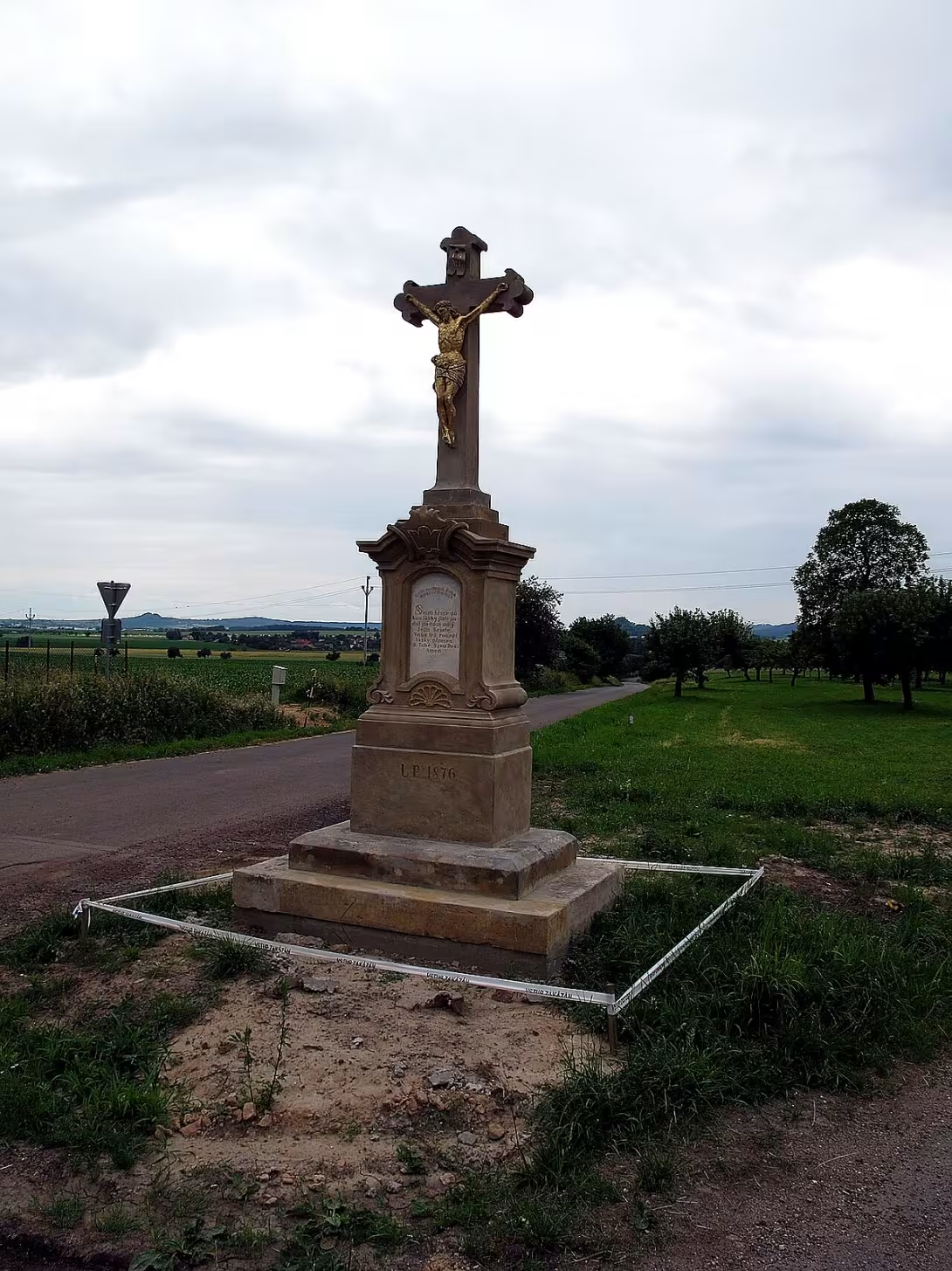
The Sandstone Crucifix in Dřevěnice is a notable historical monument located at the village's eastern edge near crossroads leading to Radimi and Studeňan. Built in 1876 from sandstone, it replaced an earlier wooden cross documented on a stable cadastral map from 1842. This crucifix is significant for its architectural features and as a reflection of late 19th-century Bohemia within the Austro-Hungarian Empire.
The monument's origins trace back to 1842 when a wooden cross was recorded at the same site, indicating an earlier tradition or place of importance. By 1876, the current sandstone crucifix was erected, marking a shift from wood to stone and reflecting broader historicism trends of that era. This period saw a revival of historical styles across Europe, including Bohemia, where there was a nostalgic return to past forms.
Architecturally, the Sandstone Crucifix is distinguished by intricate design elements. It stands on two sandstone steps with an engraved year and maker's mark—L. P. 1876 and zh. O. Mencl / z Vojic—on the upper step. The structure features a rectangular plinth, volutes adorning its sides, and a decorative cartouche at the top of the shaft. Central to its design is a niche with an inscription referencing Revelation 7:2, emphasizing themes of divine love and sacrifice. This highlights the cross's focus on spiritual reflection and devotion.
The crucifix also showcases artistic elements such as a relief shell beneath the niche and a bobulový (triple bulb) motif at the ends of its arms, adding to its decorative complexity. The cross bears the depiction of Christ's deceased body, with an inscription IN/RI above His head, enhancing its religious significance.
Throughout its history, there have been no dramatic changes in ownership or administration documented for this monument. Its enduring presence and architectural evolution from a wooden structure to a sandstone crucifix reflect its sustained cultural importance within Dřevěnice's community.
Today, the Sandstone Crucifix remains an accessible site of interest for visitors exploring historical architecture and religious art. Its location near typical Czech countryside features adds to its charm, making it a worthwhile destination for those interested in the region's rich heritage. The monument stands as a testament to the artistic and cultural developments of its time, inviting reflection on themes of faith and history.
Visitors are encouraged to explore this remarkable site, where historical context blends with architectural beauty, offering a unique glimpse into the past. The Sandstone Crucifix in Dřevěnice is not only a monument of religious significance but also a cherished piece of cultural heritage worth experiencing firsthand.
Then and now
Drag the slider to compare how the landmark may have looked when it was built with the view today.
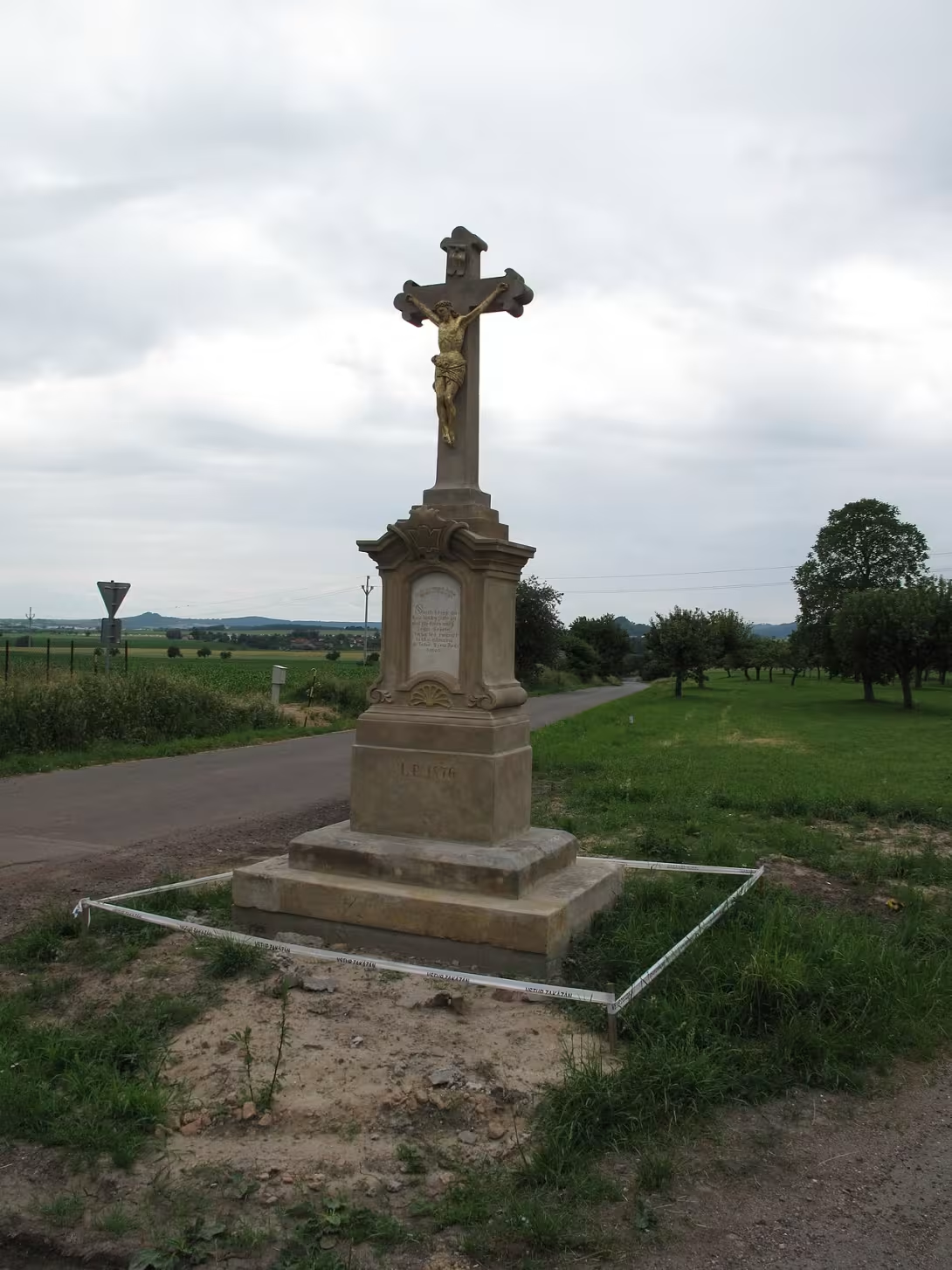
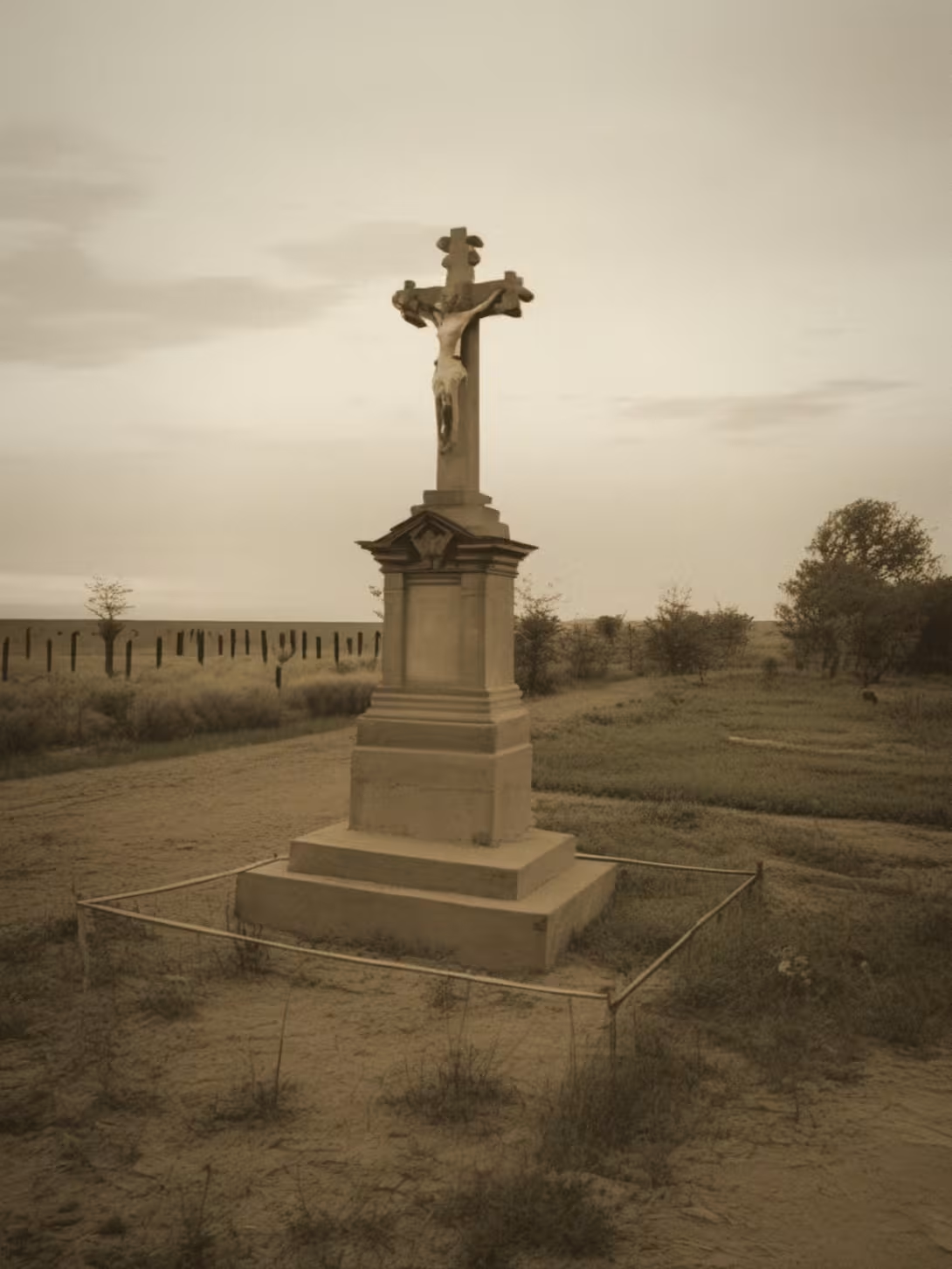
The historical appearance on the left is an AI-generated visualisation and serves as inspiration only.
Historical milestones
- 1842
- A wooden cross was documented at this location on a stable cadastral map.
- 1876
- The current sandstone krucifix was erected, replacing the earlier wooden structure.
Architectural development
The krucifix underwent significant development from its original wooden form to the present sandstone construction in 1876. It features a two-step base with an engraved year and maker's mark on the upper step. The design includes a rectangular plinth, volutes, and a cartouche, culminating in a cross with Christ depicted as deceased.
Historical events
- 1842
- A wooden cross was documented at this location on a stable cadastral map.
- 1876
- The current sandstone krucifix was erected, replacing the earlier wooden structure.
Guide
This guide is narrated by a synthetic voice generated by artificial intelligence.
Show guide text
This text was created by artificial intelligence and has not been editorially reviewed. It may contain inaccuracies.
Welcome to the historic site of the Pískovcový krucifix, a remarkable piece of cultural heritage nestled on the eastern edge of Dřevěnice near the crossroads leading to Radimi and Studeňan. As you stand here, take a moment to absorb the serene atmosphere surrounding this sandstone monument. Constructed in 1876, it stands as a testament to the craftsmanship and historical transitions of its time.
This site has an intriguing past that dates back even further than its current form might suggest. In 1842, a wooden cross was documented here on a stable cadastral map, marking the original spiritual presence at this location. However, by 1876, this humble wooden structure had been replaced with the sandstone krucifix you see before you today. This transition reflects broader European trends of historicism during the late 19th century—a nostalgic revival that sought to echo past architectural styles.
As you look more closely at the krucifix, notice its intricate carvings and thoughtful design elements. The relief shell adorning it, along with volutes on its sides, speaks to the skilled hands that crafted this monument. At the top, a decorative cartouche adds an elegant touch, inviting contemplation of both artistry and faith.
While specific architects or historical figures connected to this site remain unknown, the presence of an engraved maker’s mark—L. P—adds a layer of mystery and intrigue. This small detail hints at the hands that shaped its existence, leaving behind a signature in stone for us to ponder today.
This monument is not just a static piece of history; it tells stories of cultural shifts and personal devotion. As you stand here, imagine the countless individuals who have paused by this cross over the years, each drawn by their own reasons—whether spiritual reflection or historical curiosity.
As your journey with this site continues, take time to explore the surroundings and let the tranquility of the area envelop you. There are always more stories waiting to be uncovered in every corner of history's embrace.
Thank you for joining us on this exploration. We hope you carry forward a sense of connection and wonder as you continue your journey through Dřevěnice and beyond.
Tips for visitors
The best time to visit the Pískovcový krucifix is during late spring or early autumn when the weather is mild, and the surrounding Czech countryside is lush with greenery. These seasons offer pleasant temperatures for walking around Dřevěnice and exploring nearby areas like Radimi and Studeňan. Additionally, visiting outside of peak summer months can help avoid larger crowds, allowing for a more serene experience.
For those preferring public transport, there are various routes that can be checked in advance using a travel planner or local transit apps to ensure you reach this historical site efficiently.
When planning your visit, consider bringing comfortable walking shoes as the terrain around the krucifix includes typical Czech countryside features which may involve some uneven paths. A camera is also recommended for capturing the scenic views and the historic monument itself. Don't forget a light jacket or sweater, as temperatures can vary slightly even during warmer months.
Photography enthusiasts will find several spots around the Pískovcový krucifix ideal for capturing its beauty. Early morning or late afternoon is best for softer lighting that enhances the textures of the sandstone structure. The junction leading to Radimi and Studeňan provides a picturesque backdrop, especially when the sun casts long shadows across the landscape.
For families with children visiting the Pískovcový krucifix, nearby attractions within a 30-minute drive include natural parks and small villages that offer opportunities for exploration and relaxation. These areas often have open spaces perfect for kids to play while adults enjoy the historical context of the site.
Frequently asked questions
Can the monument be visited?
This is a structure in a public space that can usually be seen from outside free of charge. We have not verified that this particular one is freely accessible.
Where is the monument?
Location: Královéhradecký kraj. The map on this page shows the exact spot.
Why is the monument protected?
It is listed in the Central List of Cultural Monuments of the Czech Republic as a cultural monument (register no. 1999993776).
Businesses nearby
Do you run a restaurant, accommodation, shop, museum, rental, wellness or other visitor service near this monument? Show yourself directly to the people heading to it — this is how they will see you in the app and on the web:
Nearby
Located near Dřevěnice, this krucifix is situated at a junction leading to Radimi and Studeňan. The surrounding landscape includes typical Czech countryside features.
Accommodation nearby
Themed route
Thematic Walking Tour: The Stone Cross of 1876 and Surrounding Attractions
1. Krucifix (Stone Cross) - Historical Landmark Begin your journey at the heart of this tour, the Krucifix from 1876 located near Dřevěnice. This stone cross stands as a testament to local history and craftsmanship, offering visitors a glimpse into the past with its enduring presence at the junction leading to Radimi and Studeňan. Its significance lies in both religious and cultural heritage, making it an essential starting point for any exploration of this area.
2. Junction Pathway - Scenic Route From the Krucifix, follow the pathway that leads towards Radimi. This route offers a picturesque walk through the quintessential Czech countryside, characterized by rolling hills and lush greenery. The journey is not only about reaching your next destination but also enjoying the serene beauty of nature along the way.
3. Radimi - Village Exploration Arrive in Radimi, where you can immerse yourself in the charm of a traditional Czech village. Known for its quaint architecture and peaceful atmosphere, Radimi provides an opportunity to experience local life away from bustling city centers. Stroll through the village streets, appreciate the well-preserved buildings, and perhaps stop at a local café or shop to engage with residents.
4. Studeňan - Cultural Insight Continue your exploration by heading towards Studeňan. This area offers insights into rural Czech culture and history. As you walk through Studeňan, take note of its unique landscape features and any historical markers that tell stories of the past. The village's proximity to natural surroundings adds an extra layer of charm to your visit.
5. Return Path - Reflective Journey Conclude your tour by retracing your steps back towards Dřevěnice via a different route, if possible, to experience varied scenery and perspectives. This reflective journey allows you to revisit the landscapes you've seen with fresh eyes, appreciating the tranquility and beauty of the region once more before returning to the Krucifix.
This thematic walking tour offers a blend of history, culture, and natural beauty, providing an enriching experience for those interested in exploring the local heritage and landscape around the Stone Cross of 1876.
Seasonal recommendations
Spring: The arrival of spring brings a gentle awakening to the historic stone cross from 1876, with blossoming flora framing its solemn presence. The soft light filtering through budding trees creates a serene atmosphere ideal for reflection and appreciation of nature's renewal. Visitors can enjoy the relatively mild weather, making it perfect for leisurely exploration without the summer crowds. It is advisable to wear layers, as temperatures can vary throughout the day. Early mornings or late afternoons are optimal times to visit when the site is quieter and more tranquil.
Summer: Summer offers vibrant daylight that accentuates the intricate details of the 1876 stone cross, casting dramatic shadows and highlighting its historical significance. The lush greenery surrounding the monument provides a picturesque backdrop, making it an ideal time for photography enthusiasts. However, visitors should be prepared for larger crowds during peak hours in this popular season. Arriving early in the morning or later in the afternoon can help avoid the busiest times. Comfortable walking shoes and light clothing are recommended to navigate the site comfortably under the warm sun.
Autumn: Autumn transforms the area around the stone cross into a kaleidoscope of colors, with rich hues of red, orange, and gold enhancing its historic charm. The cooler temperatures make for pleasant strolls through the landscape as leaves gently fall around the monument. This season is perfect for capturing the unique interplay between nature's palette and the enduring stone structure. Visitors should dress in layers to accommodate fluctuating weather conditions. Late afternoon visits can offer a magical experience with golden hour lighting, providing an idyllic setting for photography or quiet contemplation.
Winter: Winter cloaks the 1876 stone cross in a serene blanket of snow, offering a mystical and tranquil atmosphere that contrasts sharply with its usual appearance. The crisp air and shorter days create a unique ambiance, ideal for those seeking solitude amidst historical beauty. However, visitors should be prepared for potential closures or limited access due to inclement weather conditions. Dressing warmly is essential, along with wearing sturdy boots for navigating snowy paths. Early morning visits can capture the cross in pristine snowfall, offering a peaceful and picturesque experience.
Visualizations and artistic views


The visualisations are generated by artificial intelligence and serve as inspiration.
Photos from the area
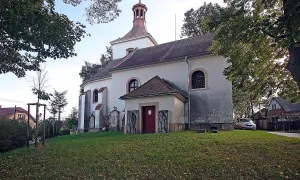
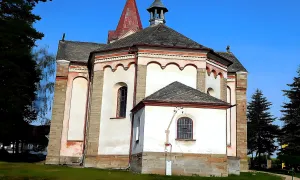
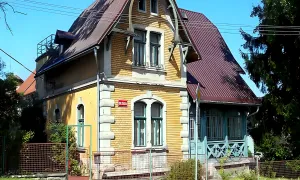
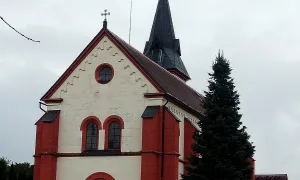
Real photos taken near the monument


Zdroj a licence jsou uvedeny u každého snímku.
Tips from visitors
No tips yet. Be the first!
Log in and add your tip.
Sources and literature
Photos: Juandev / CC BY-SA 3.0 — Wikimedia Commons. The author and licence also appear when you hover over the image.
Faktickým podkladem tohoto textu byl článek na Wikipedii, jehož autory jsou přispěvatelé Wikipedie. Článek je dostupný pod licencí CC BY-SA 4.0.
Location on the map

Příběhy a pověsti
Legendy, pověsti a příběhy spjaté s touto památkou

Příběh: kamenný kříž z roku 1876
Bylo to v pondělí ráno, kdy Tomáš Kostka zjistil, že nemůže ignorovat náznaky podivného. Vybavený pouze svým otcovským pochodem a nevysvětlenou touhou po pra…
Číst příběh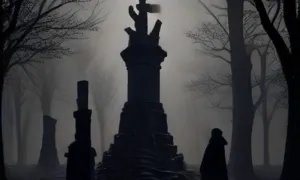
Pověst: kamenný kříž z roku 1876
Traduje se, že na rozcestí silnic vedoucích z Dřevěnic do Radimi a Studeňan straší od nepaměti. Staří obyvatelé vsi vyprávějí, že právě tady, kde se cesty kř…
Číst příběhFotografie návštěvníků
Zatím žádné fotografie. Buďte první, kdo přidá fotografii z návštěvy!
Log in a přidejte svou fotografii nebo hodnoťte.
Za ověřenou návštěvu v aplikaci získáte víc bodů — poznáme podle GPS, že jste na místě.
Reviews and comments