






Kapitulní děkanství Museum
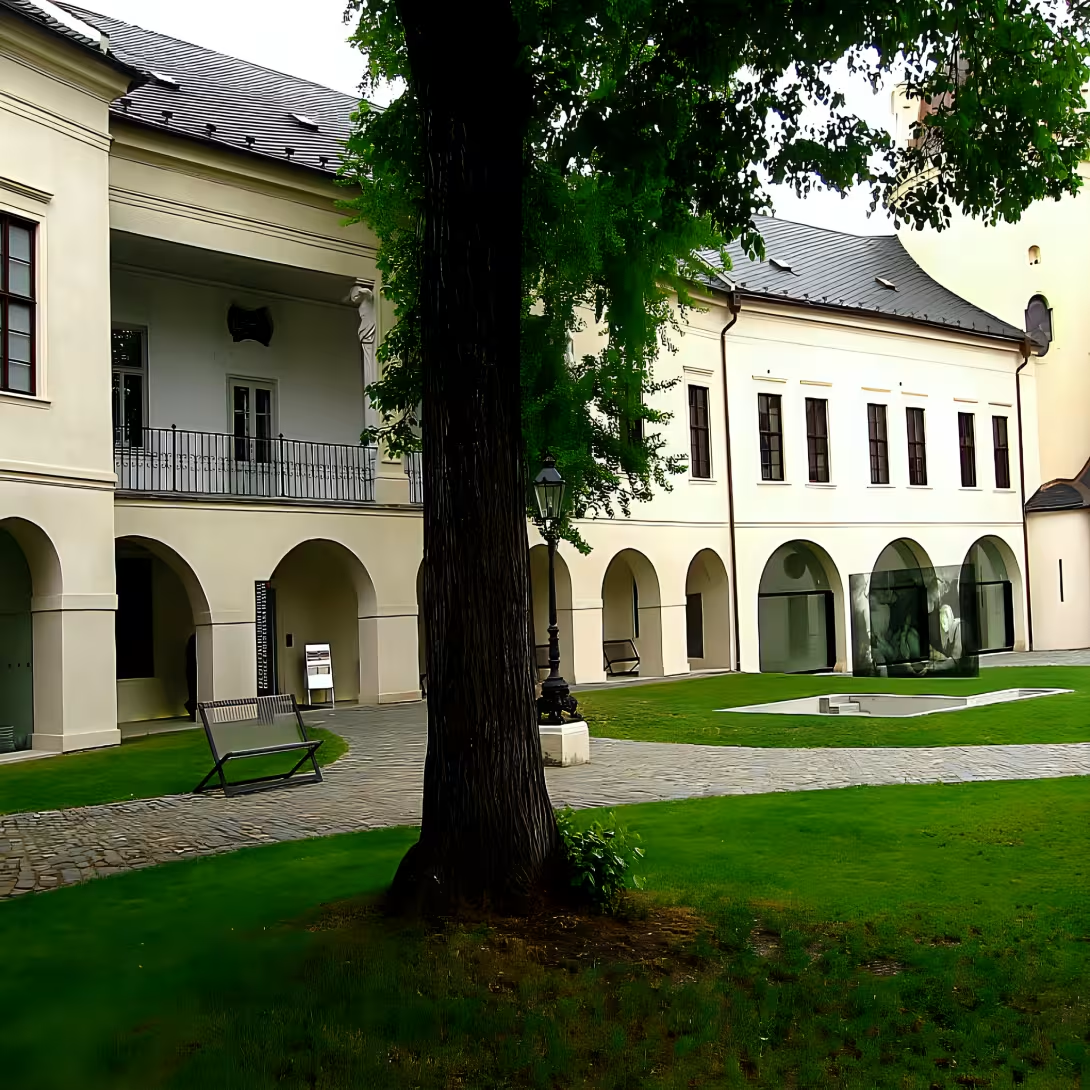
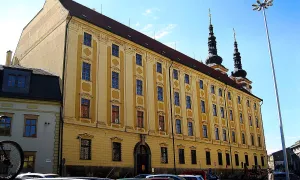
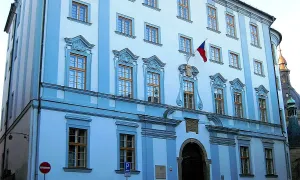
Kapitulní děkanství is a historic monument located in Olomouc, part of the Olomouc Castle complex. It is recognized as a national cultural heritage site and represents over a millennium of architectural development. This site is among Europe's oldest continuously inhabited locations. Initially serving as the residence for the canons of the Olomouc chapter, it has transformed from its origins in the late 13th century to its final baroque form in the early 18th century.
The origin of Kapitulní děkanství is linked with the construction of a Romanesque basilica initiated by Bishop Jindřich Zdík in the mid-12th century. This period marked significant ecclesiastical influence and architectural development across Central Europe, as Bohemia was part of the Holy Roman Empire under the Přemyslid dynasty. The site evolved through various phases, beginning with a core from the late 13th century when děkan Bartoloměj acquired land from King Přemysl Otakar II in 1267 to build the chapter house.
Architecturally, Kapitulní děkanství showcases Gothic, Renaissance, and Baroque elements. The complex includes a round defensive tower that now houses a chapel dedicated to Saint Barbara, reflecting its medieval origins. It underwent significant transformations during the early 17th century when Swedish forces caused considerable damage during their occupation in the Thirty Years' War. Renovations led by Claudius Sorina z Mantovy and Kašpar Florentin Glandorf introduced baroque elements, culminating in a grand palace-like structure with elaborate stucco and painted interiors.
Ownership of Kapitulní děkanství has historically been under ecclesiastical authorities. The property is currently owned by the Metropolitní kapitula u svatého Václava. Notably, King Václav III was murdered at this site on August 4, 1306, an event commemorated by a memorial plaque. In 1767, Wolfgang Amadeus Mozart stayed here and composed Symphony No. 38 in D major, adding to its cultural significance.
Today, Kapitulní děkanství houses the Arcidiecézní muzeum Olomouc, opened after extensive reconstruction in 2006. The museum showcases art collections from the Olomouc archbishopric and is a testament to the site's rich history and architectural evolution. Visitors can explore its historical interiors and learn about significant events that took place here.
Kapitulní děkanství offers a unique glimpse into over a thousand years of European history, architecture, and culture. Its blend of styles and stories make it an invaluable cultural treasure worth visiting for anyone interested in the rich tapestry of Central Europe's past.
Then and now
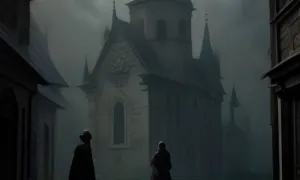
Drag the slider to compare how the landmark may have looked when it was built with the view today.
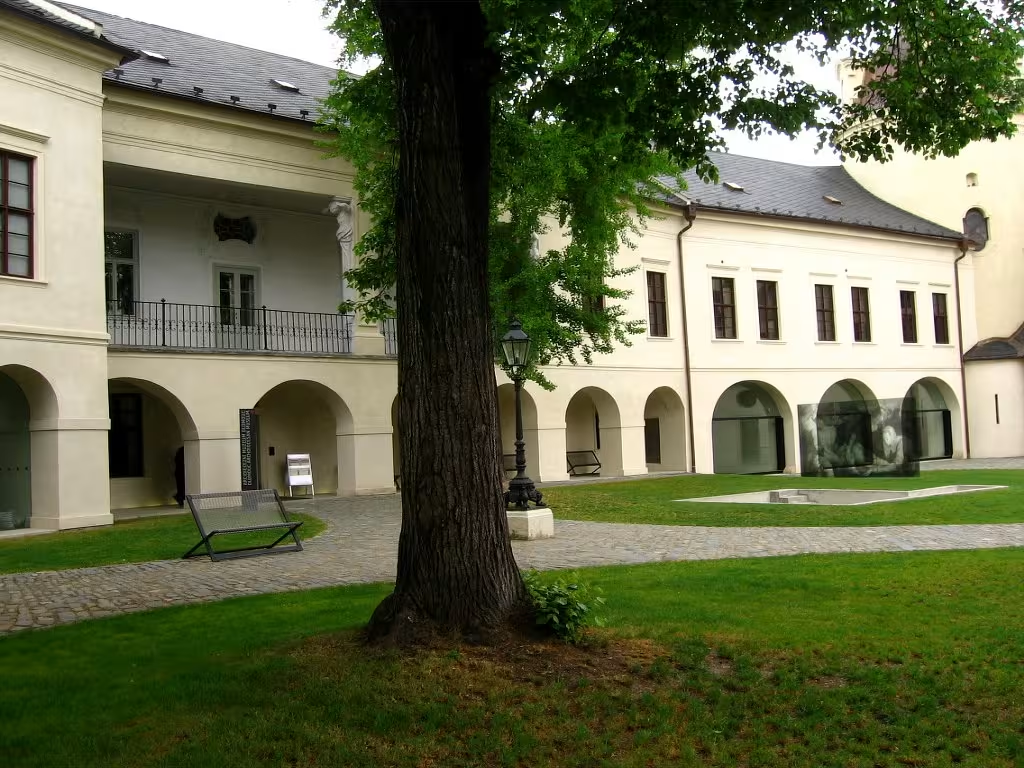

The historical appearance on the left is an AI-generated visualisation and serves as inspiration only.
Historical milestones
- kolem 1150
- Bishop Jindřich Zdík began the construction of a Romanesque basilica.
- 1267
- Děkan Bartoloměj purchased lands from King Přemysl Otakar II.
- konec 13. století
- The founding of the chapter house within Olomoucký hrad.
- 1306
- King Václav III was assassinated at Kapitulní děkanství.
- konec 16. - počátek 17. století
- Swedish forces caused significant damage during the Thirty Years' War.
- 1767
- Wolfgang Amadeus Mozart composed Symphony No. 38 during his stay.
Architectural development
The Kapitulní děkanství evolved through several architectural phases, beginning with a core from the late 13th century. It was transformed into a baroque palace in the early 18th century under Claudius Sorina z Mantovy and later Kašpar Florentin Glandorf. The complex includes a mix of Gothic, Renaissance, and Baroque elements, reflecting its long history of modifications.
Historical events
In the mid-12th century, Bishop Jindřich Zdík initiated construction of a Romanesque basilica and associated structures on this site.
On August 4, 1306, King Václav III was murdered at Kapitulní děkanství.
In the early 17th century, significant damage occurred during the Thirty Years' War when Swedish forces occupied Olomouc.
In 1767, Wolfgang Amadeus Mozart stayed here and composed Symphony No. 38 in D major.
Owners
The property is owned by Metropolitní kapitula u svatého Václava. Historically, ownership and control have shifted through various ecclesiastical authorities over centuries.
Points of interest
– Although Kapitulní děkanství is renowned for its architectural evolution, it was once a site of political intrigue; King Václav III's assassination in 1306 marked the end of the Přemyslid dynasty and shifted Bohemia's power dynamics.
– The survival of the complex through the Thirty Years' War is remarkable. Despite significant damage inflicted by Swedish forces, Kapitulní děkanství was not only restored but also transformed into a baroque masterpiece, showcasing resilience and adaptability over centuries.
– A lesser-known fact about its cultural significance is that Wolfgang Amadeus Mozart composed Symphony No. 38 in D major during his stay at the site in 1767. This event highlights Kapitulní děkanství's role as a muse for one of history’s greatest composers, adding to its artistic legacy.
– The chapel dedicated to Saint Barbara within the defensive tower is an intriguing blend of spiritual and military architecture. Originally built for protection, it now serves as a place of worship, reflecting the site's transition from fortification to cultural heritage.
– Kapitulní děkanství’s long-standing ownership by ecclesiastical authorities underscores its continuous religious significance. The Metropolitní kapitula u svatého Václava has maintained stewardship over this historic monument, ensuring its preservation and continued role in the spiritual life of Olomouc.
Guide
This guide is narrated by a synthetic voice generated by artificial intelligence.
Show guide text
This text was created by artificial intelligence and has not been editorially reviewed. It may contain inaccuracies.
Welcome to the historic Kapitulní děkanství in Olomouc, a remarkable site that forms an integral part of the Olomouc Castle and stands as a testament to over a millennium of architectural evolution. As you stand here, imagine yourself amidst one of Europe's oldest continuously inhabited locations, where history whispers through every stone.
The origins of this complex trace back to around 1150 when Bishop Jindřich Zdík initiated the construction of a Romanesque basilica. This marked the beginning of a significant chapter in Olomouc's architectural and cultural heritage. By 1267, Děkan Bartoloměj acquired lands from King Přemysl Otakar II., setting the stage for further development. The late 13th century saw the establishment of the capitolium house within the Olomoucký hrad, a pivotal moment that would see this site evolve into what we witness today.
As you gaze upon the structure before you, take in its architectural grandeur. While specific architects remain unknown, the layers of history embedded in its walls speak volumes about its past transformations and resilience through time. The complex's survival through the Thirty Years' War, despite significant damage from Swedish forces, is a testament to its enduring significance.
This site has been intertwined with key historical figures and events that have shaped its legacy. Notably, it was here in 1306 that King Václav III met his untimely end, an event that marked the conclusion of the Přemyslid dynasty and altered Bohemia's power dynamics. The complex also witnessed the creative genius of Wolfgang Amadeus Mozart, who composed Symphony No. 38 during his stay in 1767.
Among its many intriguing aspects is the site's role as a center of political intrigue, highlighted by King Václav III's assassination. This event not only underscores the Kapitulní děkanství's historical significance but also invites us to ponder the complex interplay of power and politics that has unfolded within these walls.
As we conclude our journey through this remarkable site, I invite you to continue exploring its depths, uncovering more stories etched into its very fabric. The Kapitulní děkanství is not just a monument; it's a living narrative waiting to be discovered. Thank you for joining me on this exploration of history and heritage in Olomouc.
---
This text has been crafted to guide your auditory journey through the Kapitulní děkanství, offering insights into its rich historical tapestry while inviting further personal discovery.
Frequently asked questions
Can the monument be visited?
Some buildings of this kind are open for guided tours, others serve another purpose or are privately owned. We have not verified whether and when this monument is open – please ask the operator.
What are the opening hours and admission?
We have not verified the opening hours or admission. Current information is published by the operator.
Where is the monument?
Location: Václavské nám. 811/4, Olomouc, Olomoucký kraj. The map on this page shows the exact spot.
Why is the monument protected?
It is listed in the Central List of Cultural Monuments of the Czech Republic as a national cultural monument (register no. 13759/8-3756). It is protected as part of a larger listed ensemble.
Businesses nearby
Do you run a restaurant, accommodation, shop, museum, rental, wellness or other visitor service near this monument? Show yourself directly to the people heading to it — this is how they will see you in the app and on the web:
Events nearby
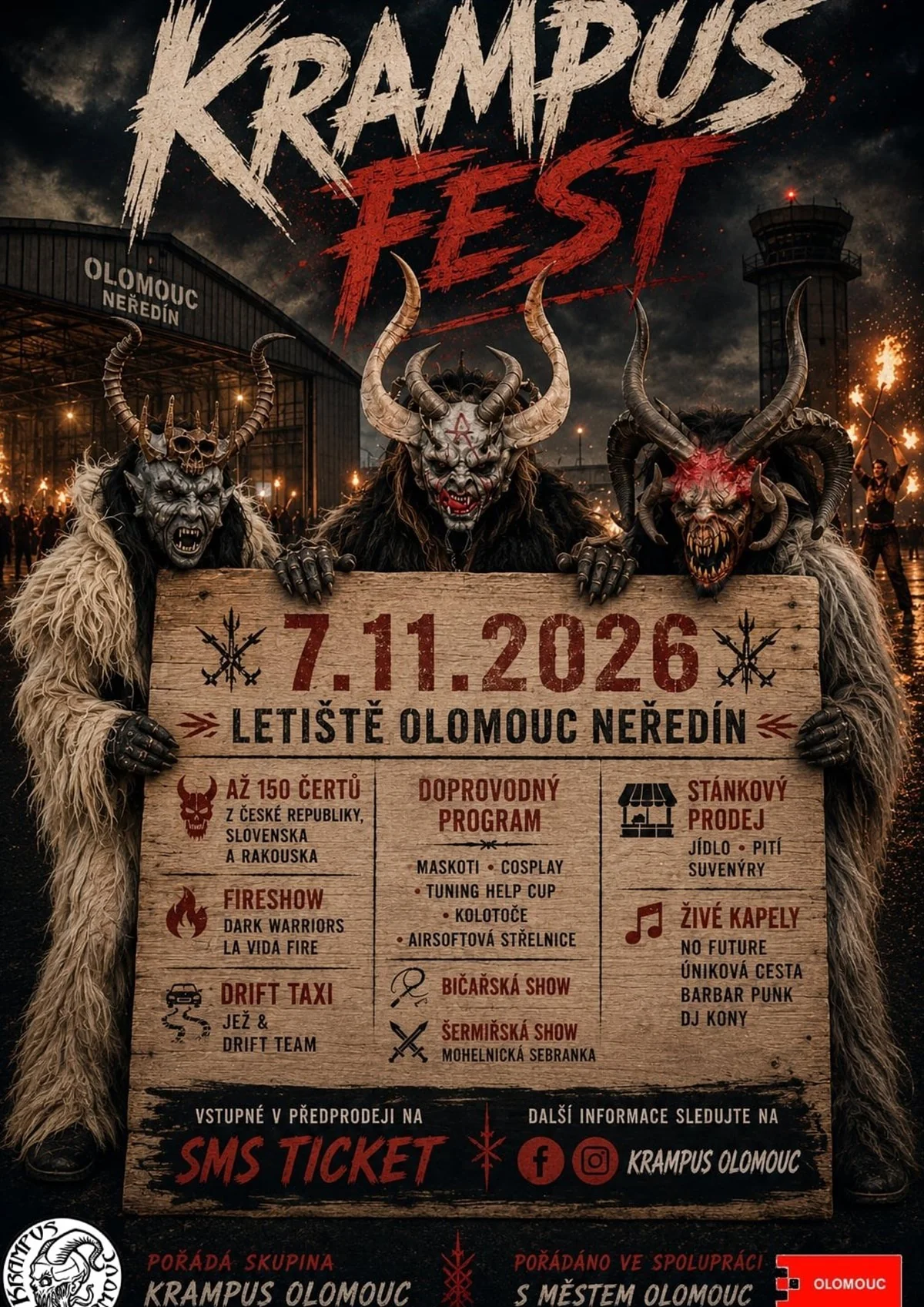
Zdroj akcí: otevřená data měst a obcí ČR (Národní katalog otevřených dat) a kalendář akcí Národního památkového ústavu.
Nearby
Kapitulní děkanství is located near Olomouc Castle and the Basilica of Saints Cyril and Methodius. The surrounding area features historical architecture and cultural landmarks within a short distance.
Accommodation nearby
Trips and activities nearby
Guided tours, tickets and activities nearby from GetYourGuide
Affiliate link: if you buy from the partner, we may receive a commission. The price for you does not change.
Search tours and activities →Themed route
Thematic Walking Tour: Exploring the Historical and Cultural Heart of Olomouc
1. Kapitulní Děkanství (Dean's Chapter) - Type: Museum - Why Visit: Begin your journey at this historic site, which serves as a museum showcasing the rich history of the chapter that has been integral to Olomouc since its founding in 1061. The building itself is an architectural marvel with stunning Gothic and Baroque elements, offering insight into centuries of ecclesiastical influence.
2. Olomouc Castle - Type: Historical Landmark - Why Visit: Located a short walk from the Kapitulní Děkanství, Olomouc Castle is an imposing structure that has witnessed numerous historical events over its long history. Explore its well-preserved interiors and enjoy panoramic views of the city from its vantage point.
3. Basilica of Saints Cyril and Methodius - Type: Religious Site - Why Visit: Just a brief stroll from Olomouc Castle, this basilica is an architectural masterpiece with stunning frescoes and intricate stucco work. It stands as a testament to the spread of Christianity in Central Europe by Saints Cyril and Methodius, making it both a spiritual and cultural landmark.
4. Kapitulní Nádvoří (Chapter Square) - Type: Public Space - Why Visit: This charming square is nestled between the Kapitulní Děkanství and Olomouc Castle, offering a serene spot to reflect on the historical narratives you've encountered. The area's harmonious blend of architectural styles provides an excellent backdrop for relaxation or a leisurely coffee break.
5. Kapitulní Věž (Chapter Tower) - Type: Architectural Feature - Why Visit: Adjacent to the Kapitulní Děkanství, this tower offers another perspective on Olomouc's skyline. Climbing it provides a unique vantage point from which to appreciate both the cityscape and the historical significance of the surrounding area.
This tour encapsulates the essence of Olomouc's rich cultural heritage through its most iconic landmarks, offering an immersive experience into the heart of this historic city.
Seasonal recommendations
Spring: Visiting the Kapitulní děkanství during spring offers a delightful experience as nature awakens around Olomouc, with blooming flowers and lush greenery enhancing the historic charm of the site. The soft, natural light of longer days provides ideal conditions for exploring the museum's exhibits in detail, creating an inviting atmosphere that complements the architectural beauty. During this time, you might encounter fewer visitors compared to peak summer months, allowing for a more relaxed visit. It’s advisable to wear comfortable layers as temperatures can vary; mornings and evenings may still be cool while afternoons warm up.
Summer: The Kapitulní děkanství in summer is bathed in bright sunlight that accentuates the intricate details of its architecture, making it a perfect time for photography enthusiasts. This period marks the height of tourist activity, so expect larger crowds and plan to arrive early to avoid long waits. The longer daylight hours extend visiting times, offering more flexibility for exploration. Dressing in light, breathable clothing is recommended due to warmer temperatures, and carrying water or wearing sunscreen can enhance comfort during your visit.
Autumn: Autumn at the Kapitulní děkanství presents a picturesque setting with vibrant fall foliage surrounding Olomouc, providing a stunning backdrop for visitors. The cooler weather makes walking through the site more comfortable, and the subdued light of shorter days adds a cozy ambiance to your exploration. This season often sees fewer tourists than summer, allowing for a quieter experience. Layered clothing is advisable as temperatures can fluctuate, with brisk mornings and evenings.
Winter: Visiting the Kapitulní děkanství in winter offers a unique charm under a blanket of snow, transforming the historic site into a serene winter wonderland. The shorter days mean that daylight hours for exploration are more limited, so planning your visit during peak sunlight is beneficial. Winter can draw fewer visitors, providing an intimate experience with the museum's exhibits. Dress warmly in layers and wear insulated footwear to stay comfortable against the cold; check opening times as they may be adjusted due to seasonal conditions.
Visualizations and artistic views


The visualisations are generated by artificial intelligence and serve as inspiration.
Photos from the area
Real photos taken near the monument


Zdroj a licence jsou uvedeny u každého snímku.
Tips from visitors
No tips yet. Be the first!
Log in and add your tip.
Sources and literature
Photos: Jan Jenista / CC BY 2.5, rozlišení zvýšeno umělou inteligencí — Wikimedia Commons. The author and licence also appear when you hover over the image.
Faktickým podkladem tohoto textu byl článek na Wikipedii, jehož autory jsou přispěvatelé Wikipedie. Článek je dostupný pod licencí CC BY-SA 4.0.
Location on the map
Příběhy a pověsti
Legendy, pověsti a příběhy spjaté s touto památkou
Fotografie návštěvníků
Zatím žádné fotografie. Buďte první, kdo přidá fotografii z návštěvy!
Log in a přidejte svou fotografii nebo hodnoťte.
Za ověřenou návštěvu v aplikaci získáte víc bodů — poznáme podle GPS, že jste na místě.
Reviews and comments