






kaple Nejsvětější Trojice (Rokytník) Chapel
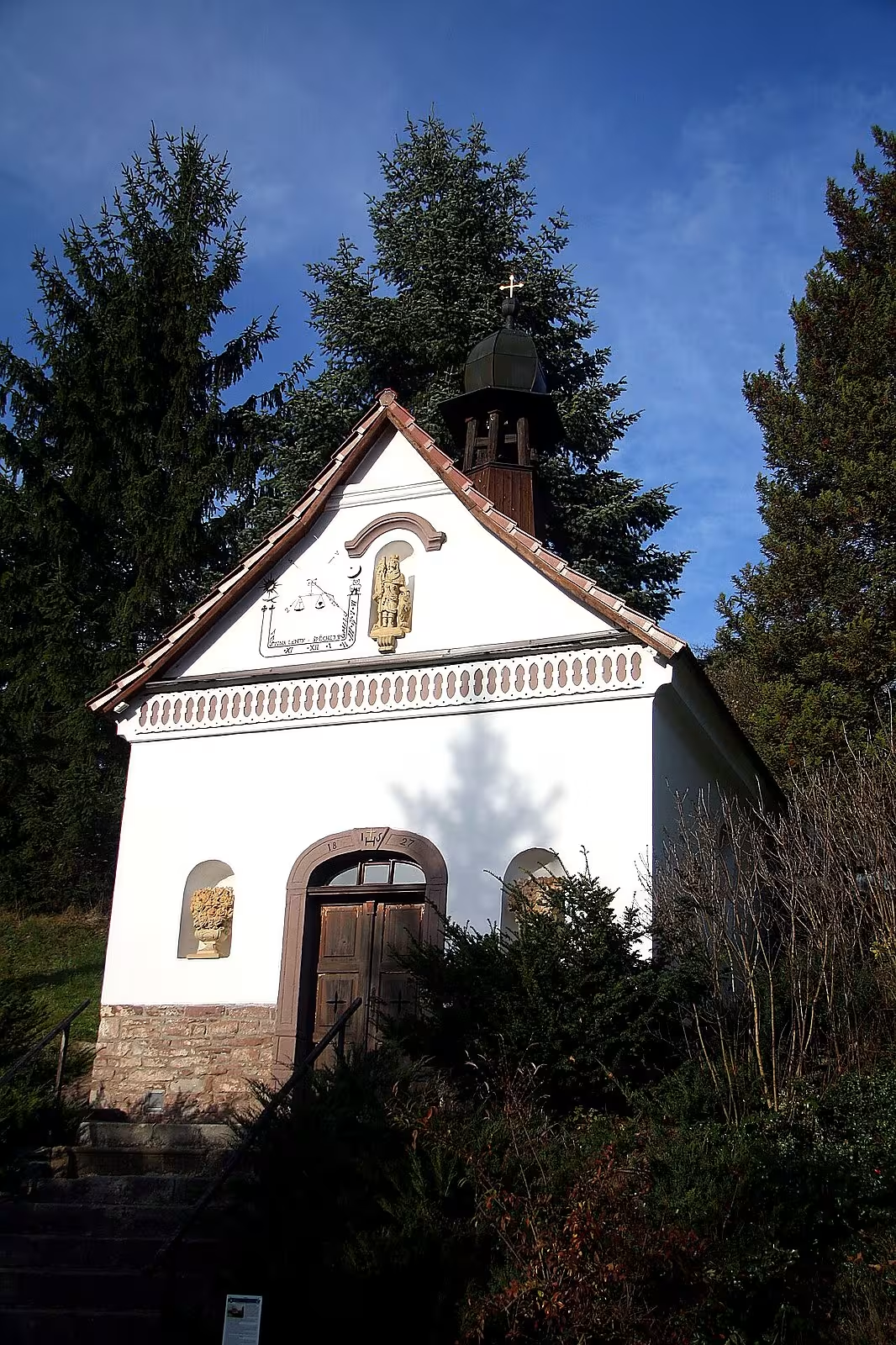
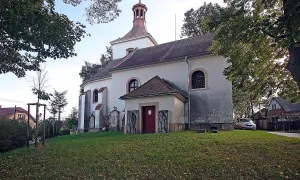
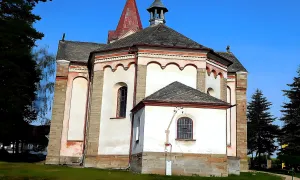
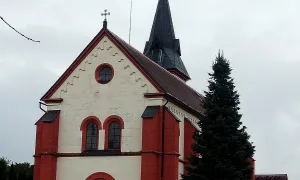
The Chapel of the Holy Trinity in Rokytník is a neoclassical chapel built in 1827 by farmer Vejra. Situated in the village of Rokytník within the Náchod District of Královéhradecký kraj, it serves as an important local cultural and religious site. Notable for its sundials inscribed with "Festina lente" and electrically powered bell ringing, the chapel has undergone several reconstructions to address moisture issues due to its position on a steep slope.
Constructed in the early 19th century when Bohemia was part of the Austrian Empire, the chapel reflects the era's blend of traditionalism and modernization. Cultural and political changes under Habsburg rule influenced local architecture and religious practices, enhancing the site's significance within its community.
The Chapel has experienced multiple construction and renovation phases primarily to address moisture problems due to its steep location. Key renovations included waterproofing, steel reinforcements, plaster repairs, new roofing, electrical installations, bell repair, and inventory restoration. These efforts have preserved both the chapel's structural integrity and historical value.
Ownership and administration of the chapel have seen significant contributions from local figures. In 1989, reconstruction was led by the Řehákový couple, resulting in a re-consecration in 1996 by Bishop Mons. Karol Otčenášek. Further restoration completed in 2008 under Ing. Jaroslav Jeniště's guidance culminated in another consecration by Mons. Josef Kajnek.
Key events include its initial construction in 1827 and subsequent reconsecrations following major restorations. In 1996, after extensive repairs to address moisture issues, the chapel was re-consecrated by Bishop Mons. Karol Otčenášek. Another significant event occurred in 2008 when further reconstruction efforts were completed, leading to a second re-consecration by Mons. Josef Kajnek.
Today, the Chapel remains accessible for visitors and locals. It hosts religious services on the Feast of the Holy Trinity and other irregular occasions. Its historical significance, coupled with artistic features like sundials and electric bell ringing, make it a worthwhile visit. Nearby, a statue of the Virgin Mary to the left and a cross to the right enhance the spiritual ambiance when viewed from the road.
The Chapel of the Holy Trinity in Rokytník stands as a testament to local devotion and resilience through its history of restoration and preservation. Its blend of neoclassical architecture and modern adaptations invites visitors to explore its cultural and religious heritage, making it a cherished landmark in the region.
Then and now
Drag the slider to compare how the landmark may have looked when it was built with the view today.
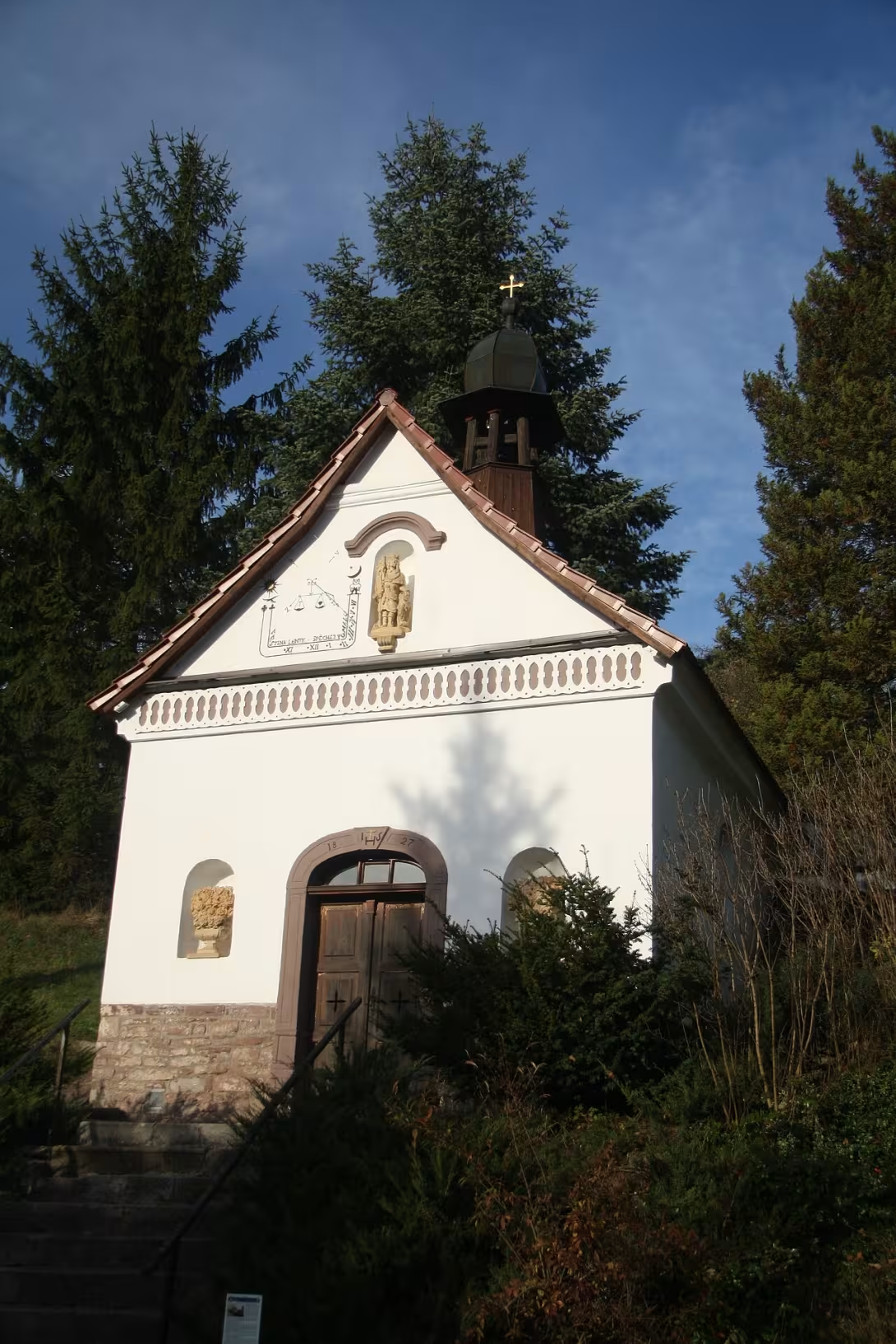
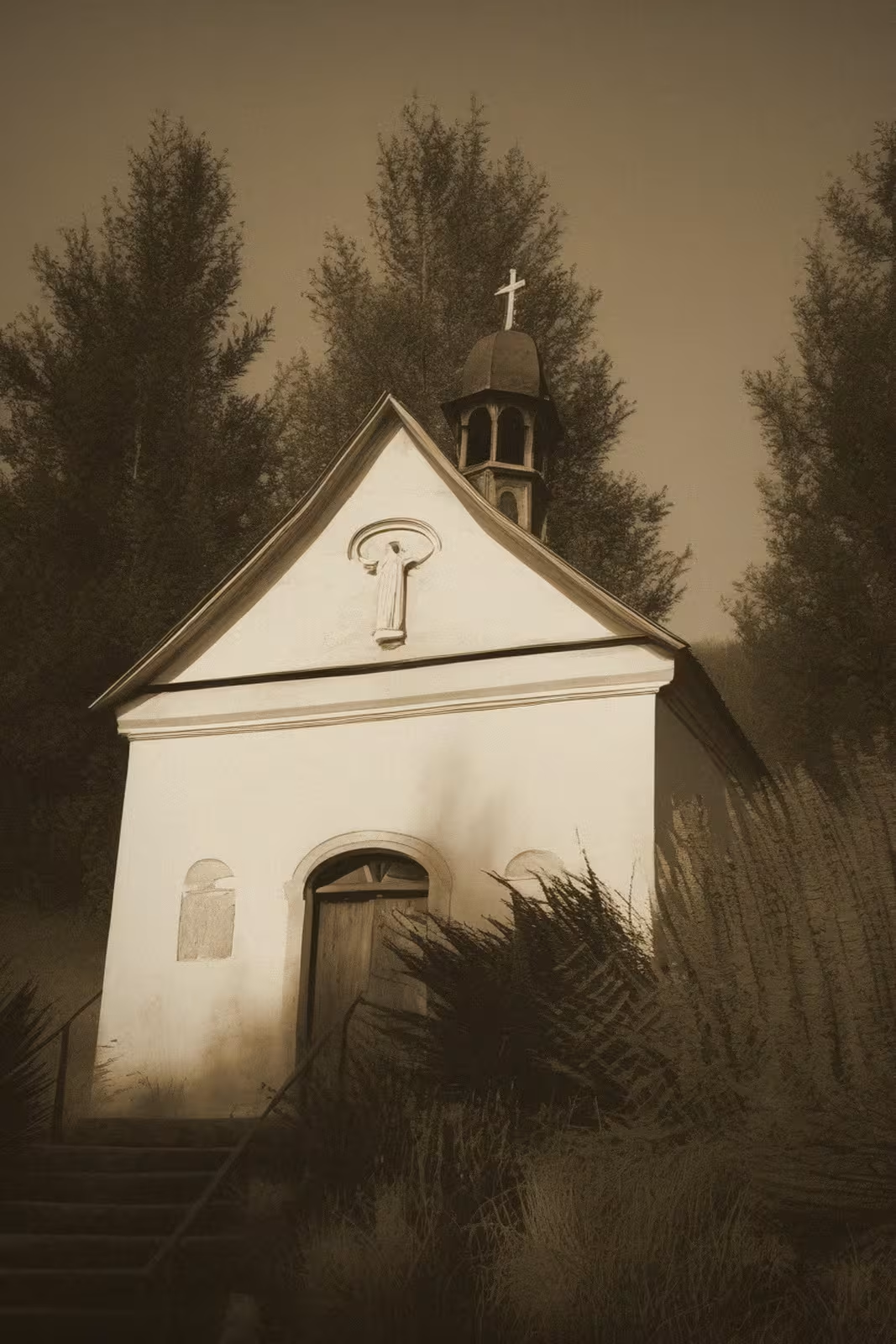
The historical appearance on the left is an AI-generated visualisation and serves as inspiration only.
Historical milestones
- 1827
- Construction of the chapel by farmer Vejra.
- 1996
- Re-consecration of the chapel by Bishop Mons. Karol Otčenášek.
- 2008
- Further reconstruction and re-consecration by Mons. Josef Kajnek.
Architectural development
The Chapel of the Holy Trinity has undergone multiple phases of construction and renovation, primarily to address moisture issues due to its location on a steep slope. Key renovations included waterproofing, steel reinforcements, plaster repairs, new roofing, electrical installations, bell repair, and inventory restoration.
Historical events
1827: Chapel built by farmer Vejra.
1989-1996: Reconstructed primarily through the efforts of the Řehákový couple, with re-consecration in 1996 by Bishop Mons. Karol Otčenášek.
2008: Further reconstruction completed and chapel reconsecrated by Mons. Josef Kajnek.
Points of interest
- The chapel's sundials are inscribed with the Latin phrase "Festina lente," which translates to "Make haste slowly." This aphorism reflects a philosophical balance between urgency and patience, echoing themes of contemplation fitting for a religious site.
- The electrically powered bell ringing system is an unusual feature for a chapel built in 1827. Its integration highlights the blend of traditional architecture with modern technology, showcasing how historical sites can adapt to contemporary needs while maintaining their cultural significance.
- In 1989, reconstruction efforts were led by the Řehákový couple, who played a crucial role in preserving the chapel's heritage. Their dedication underscores the importance of local community involvement in maintaining and restoring historical landmarks.
- The chapel has undergone multiple reconstructions primarily to address moisture issues due to its steep location. These renovations have included waterproofing, steel reinforcements, plaster repairs, new roofing, electrical installations, bell repair, and inventory restoration, demonstrating a comprehensive approach to preserving both structural integrity and historical value.
- Despite its challenges with moisture and structural issues, the chapel has been reconsecrated twice—once in 1996 by Bishop Mons. Karol Otčenášek and again in 2008 by Mons. Josef Kajnek. These events highlight the enduring spiritual significance of the site to the local community, reaffirming its role as a place of worship and cultural heritage.
Guide
This guide is narrated by a synthetic voice generated by artificial intelligence.
Show guide text
This text was created by artificial intelligence and has not been editorially reviewed. It may contain inaccuracies.
Welcome to Rokytník, where you are standing in front of the unique Chapel of the Most Holy Trinity, a hidden gem at this valley location. This neoclassical chapel, built in 1827, boasts elegant carvings and a tranquil environment that reflects its historical religious significance. As you stand before this structured beauty, it is easy to forget that it was created by a simple farmer named Vejra.
Let's delve into its history. In 1827, the farmer Vejra decided to build this chapel as a testament to his faith and the community he served. Despite humble beginnings, this project evolved into an important cultural and religious center for the local population. The chapel has survived centuries but not without challenges; its location on a steep slope caused moisture issues, leading to several reconstructions. It was rededicated in 1996 by Bishop Monsignor Karol Otčenášek and underwent further renovation completed by Monsignor Josef Kajnek in 2008.
Look up at the chapel's façade and you'll see its neoclassical characteristics, particularly evident in the delicate carvings and symmetrical design. Notice details like the sundial with the Latin inscription "Festina lente," meaning "Make haste slowly." This proverb reflects a philosophical balance between urgency and patience, harmoniously fitting the chapel's religious environment.
The key figure associated with this landmark is, of course, farmer Vejra. His initiative to create such a spiritual and cultural center instills deep respect for his commitment to the local community and their faith.
An interesting feature that attracts visitors' attention is the electrically powered bell ringing. This modern element subtly blends with the chapel's historical atmosphere, offering a combination of tradition and contemporary elements.
Now that you've explored the key features of this beautiful landmark, we invite you to immerse yourself in its tranquility and religious ambiance. Take a walk around the surrounding areas and allow time for reflection on the history and spirituality that this peace offers.
Thank you for visiting the Chapel of the Most Holy Trinity. We hope your visit was inspiring and reminds you of the beauty of this place. Remember Rokytník as a place of peace and history.
Tips for visitors
The best time to visit the Chapel of the Holy Trinity in Rokytník is during late spring or early autumn when the weather is mild, making it ideal for walking through the surrounding countryside. These seasons offer pleasant temperatures and vibrant natural scenery, enhancing your experience at this serene location.
Alternatively, public transport is available, and you should check current routes using a travel planner online for the most efficient journey. This flexibility allows visitors to choose their preferred mode of arrival based on convenience or environmental considerations.
When planning your visit, consider bringing comfortable walking shoes, especially if you plan to explore the area around the chapel. A camera is also recommended to capture the picturesque views and architectural details of the neoclassical structure. Additionally, carrying a light jacket might be wise as temperatures can vary slightly depending on the time of year.
For photography enthusiasts, the best spots are near the entrance where you can frame the chapel with the surrounding landscape. Early morning or late afternoon light provides soft shadows and warm tones that beautifully highlight the chapel's features. The statue of the Virgin Mary to the left and the cross to the right also offer interesting composition opportunities.
In terms of nearby attractions within a 30-minute drive, visitors can explore other cultural sites in the Královéhradecký kraj region. While specific details are not provided here, this area is known for its rich history and natural beauty, offering various options for those interested in further exploration.
Frequently asked questions
Can the monument be visited?
Religious buildings are usually open mainly during services; at other times a visit is normally arranged with the parish or the operator. We have not verified specific times.
Where is the monument?
Location: Rokytník, Královéhradecký kraj. The map on this page shows the exact spot.
Businesses nearby
Do you run a restaurant, accommodation, shop, museum, rental, wellness or other visitor service near this monument? Show yourself directly to the people heading to it — this is how they will see you in the app and on the web:
Events nearby
Zdroj akcí: otevřená data měst a obcí ČR (Národní katalog otevřených dat) a kalendář akcí Národního památkového ústavu.
Nearby
Near the chapel, there is a statue of the Virgin Mary to the left and a cross to the right when viewed from the road. The surrounding area does not mention other specific monuments or natural features within 5 km.
Accommodation nearby
Themed route
Thematic Walking Tour: The Chapel of the Holy Trinity and its Surroundings
1. Chapel of the Holy Trinity (Rokytník)
Type: Religious Site
This chapel is a serene place of worship, offering visitors an intimate experience with history and spirituality. Its architecture and peaceful environment make it a perfect starting point for exploring the area's religious heritage.
2. Statue of the Virgin Mary
Type: Sculpture
Located to the left of the Chapel when viewed from the road, this statue is a poignant reminder of Marian devotion in the region. It offers a moment of reflection and appreciation for local artistry and religious traditions.
3. Cross by the Roadside
Type: Monument
Situated to the right of the Chapel, this cross stands as a symbol of faith and resilience. Its presence enhances the spiritual ambiance of the area, inviting visitors to contemplate its significance in the context of the surrounding landscape.
This tour provides an enriching experience focused on the religious and cultural elements near the Chapel of the Holy Trinity, allowing for a deeper understanding of the local heritage without venturing far from this historic site.
Seasonal recommendations
Spring: The chapel of the Holy Trinity at Rokytník during spring offers a serene atmosphere as nature awakens around it. The surrounding landscape is adorned with blooming wildflowers, creating vibrant hues that contrast beautifully against the historic architecture. Soft morning mists often envelop the area, adding an ethereal quality to your visit. This time of year sees fewer visitors compared to summer, making it ideal for a peaceful exploration. It's recommended to wear comfortable walking shoes and layers, as temperatures can vary significantly between sunny spells and cooler mornings or evenings.
Summer: Summer is the peak season for visiting the chapel of the Holy Trinity due to its pleasant weather and lush surroundings. The surrounding fields are in full bloom, providing a picturesque backdrop that enhances the beauty of the historic site. Long daylight hours allow ample time for exploration, but it's wise to arrive early to avoid larger crowds attracted by the idyllic setting. Comfortable clothing suitable for warm weather is advisable, along with sun protection such as hats and sunscreen, ensuring an enjoyable visit under the summer sun.
Autumn: Autumn transforms the chapel of the Holy Trinity into a scene straight out of a painting, with vibrant foliage creating a stunning contrast against the stone structure. The cooler temperatures make it a comfortable time for walking around the area, while the changing leaves provide a breathtaking view that draws visitors despite the shorter days. This season is less crowded than summer but still popular among those seeking to enjoy nature's fall colors. Layered clothing and sturdy shoes are recommended to accommodate the brisker weather and occasional rain showers.
Winter: Winter offers a unique charm at the chapel of the Holy Trinity, with snow often blanketing the landscape and creating a tranquil, almost magical atmosphere around the historic site. The shorter days mean that visits should be planned for daylight hours, as the chapel may have reduced opening times during this season. While winter can bring fewer visitors due to colder weather, those who do venture out are rewarded with quiet reflection amidst the snow-covered scenery. Dress warmly in layers and wear waterproof footwear to comfortably enjoy the serene beauty of Rokytník's winter landscape.
Visualizations and artistic views


The visualisations are generated by artificial intelligence and serve as inspiration.
Photos from the area
Real photos taken near the monument


Zdroj a licence jsou uvedeny u každého snímku.
Atmosphere of the place
This atmospheric visualisation of the place and period was generated by artificial intelligence. It is not real footage of the location.
Tips from visitors
No tips yet. Be the first!
Log in and add your tip.
Sources and literature
Photos: Jiří Sedláček / CC BY-SA 4.0 — Wikimedia Commons. The author and licence also appear when you hover over the image.
Faktickým podkladem tohoto textu byl článek na Wikipedii, jehož autory jsou přispěvatelé Wikipedie. Článek je dostupný pod licencí CC BY-SA 4.0.
Location on the map

Příběhy a pověsti
Legendy, pověsti a příběhy spjaté s touto památkou

Fotografie návštěvníků
Zatím žádné fotografie. Buďte první, kdo přidá fotografii z návštěvy!
Log in a přidejte svou fotografii nebo hodnoťte.
Za ověřenou návštěvu v aplikaci získáte víc bodů — poznáme podle GPS, že jste na místě.
Reviews and comments