



kaple svaté Anny (Luka) Chapel
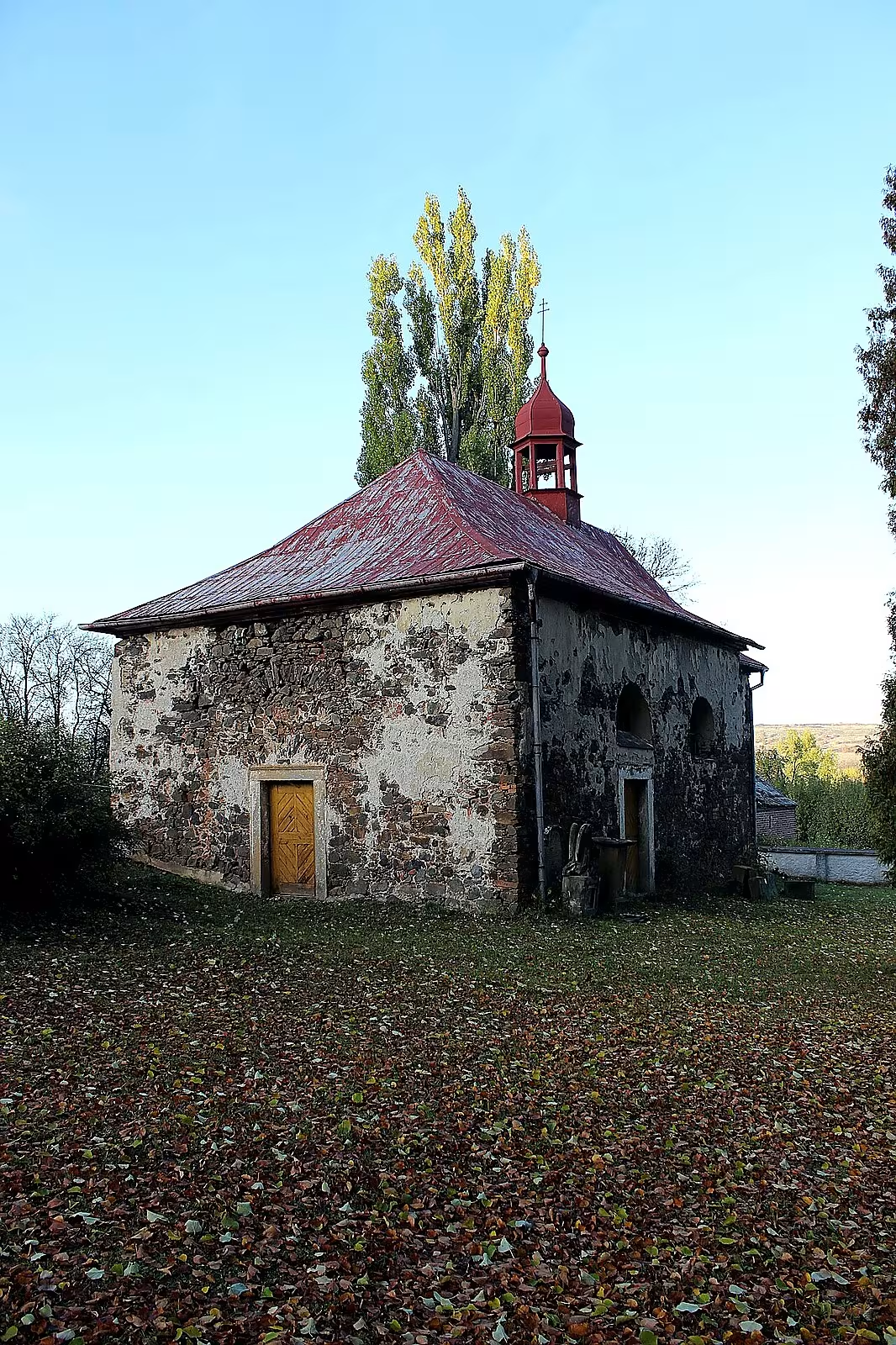
The chapel of Saint Anne is located in Luky's district Karlovy Vary, in the Nарo local cemetery, about 40 minutes walk southwest of the village. It is a Catholic cemetery chapel, which is in the list of protected cultural monuments.
Chapel formation closely related to the story of the cemetery itself. He was founded already in 1612. Three decades later, namely between 1648 and 1653, a new chapel was built at this old burial ground - the one we see today. The beginning of the construction falls into the period after the Thirty Years War, when the Czech countries slowly returned to normal life.
In the eighteenth century, the chapel experienced its greatest step. In 1710 she bought a new painted ceiling with a cassette decoration - a work that was probably of relatively good quality, but in terms of the chapel in the village. However, seven years later, in 1717, this ceiling had to be repaired, suggesting that maintenance was not easy.
The 20th century brought new trials. During the First World War, the bell from the chapel was recited - both the war victim and the example of how the parish objects served the war needs. Soon after the end, as early as 1918, the chapel had a successful action: the new bell was dedicated to Katharina Glötzlová from Záhoří. But after World War II, the situation turned to worse. The chapel stopped serving its purpose and gradually faded. The equipment was systematically stolen or damaged by vandals. Only damaged altars and pulpit have been preserved from the original equipment.
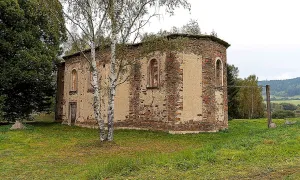
The chapel has a rectangular plan, which is closed in the east by a square presbytery. The presbytery separates the semi-circular victory arch from the main ship. The facades are simply broken down - they are dominated by windows with semi-circular topping. The entrances form rectangular portals in the southwest and southeast walls. The building is covered by a valb roof with a distinctive six-sided bell tower on the ridge.
The historical equipment of the chapel spoke of the religion of local believers. Inside she hung on a crouchte of wooden construction with popular paintings depicting episodes from the life of the Virgin Mary. The main altar was a richly divided portal pillar altar created around 1650, which had the upper part of the statue of Saint Anne Saméthird and the statue of the Holy Trinity. Another side altar with a bolt boasted the image of Saint Anne - patron saint of the chapel.
Today the chapel is presented as part of the rural spiritual midnight of Karlovy Vary. Although it experiences ages of trials and negligible, its presence in the landscape resembles the deep roots of the Catholic tradition in the region. For a visitor who goes to the cemetery, it represents an interesting meeting point with the local history and architecture of the seventeenth and eighteenth centuries.
Then and now
Drag the slider to compare how the landmark may have looked when it was built with the view today.
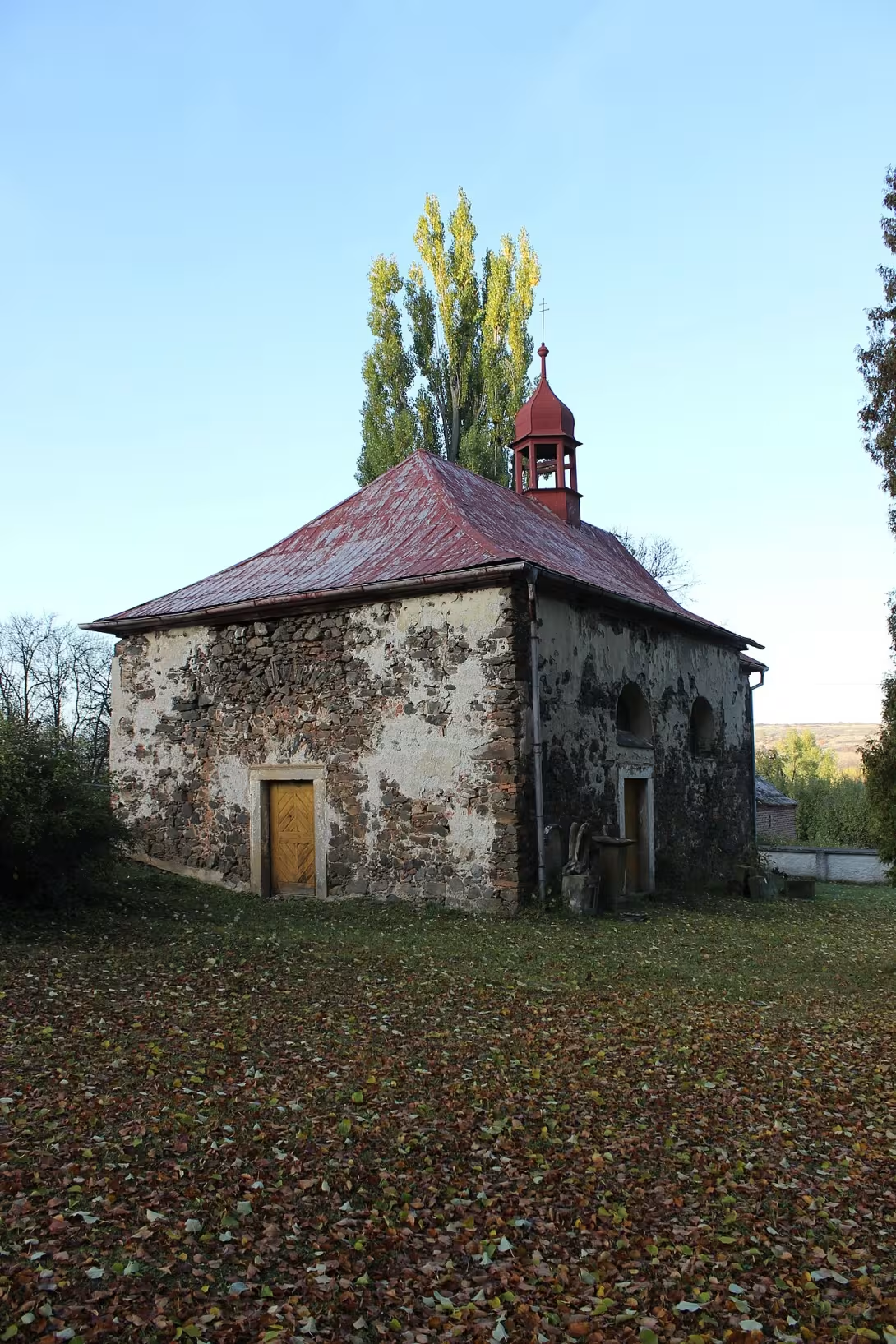
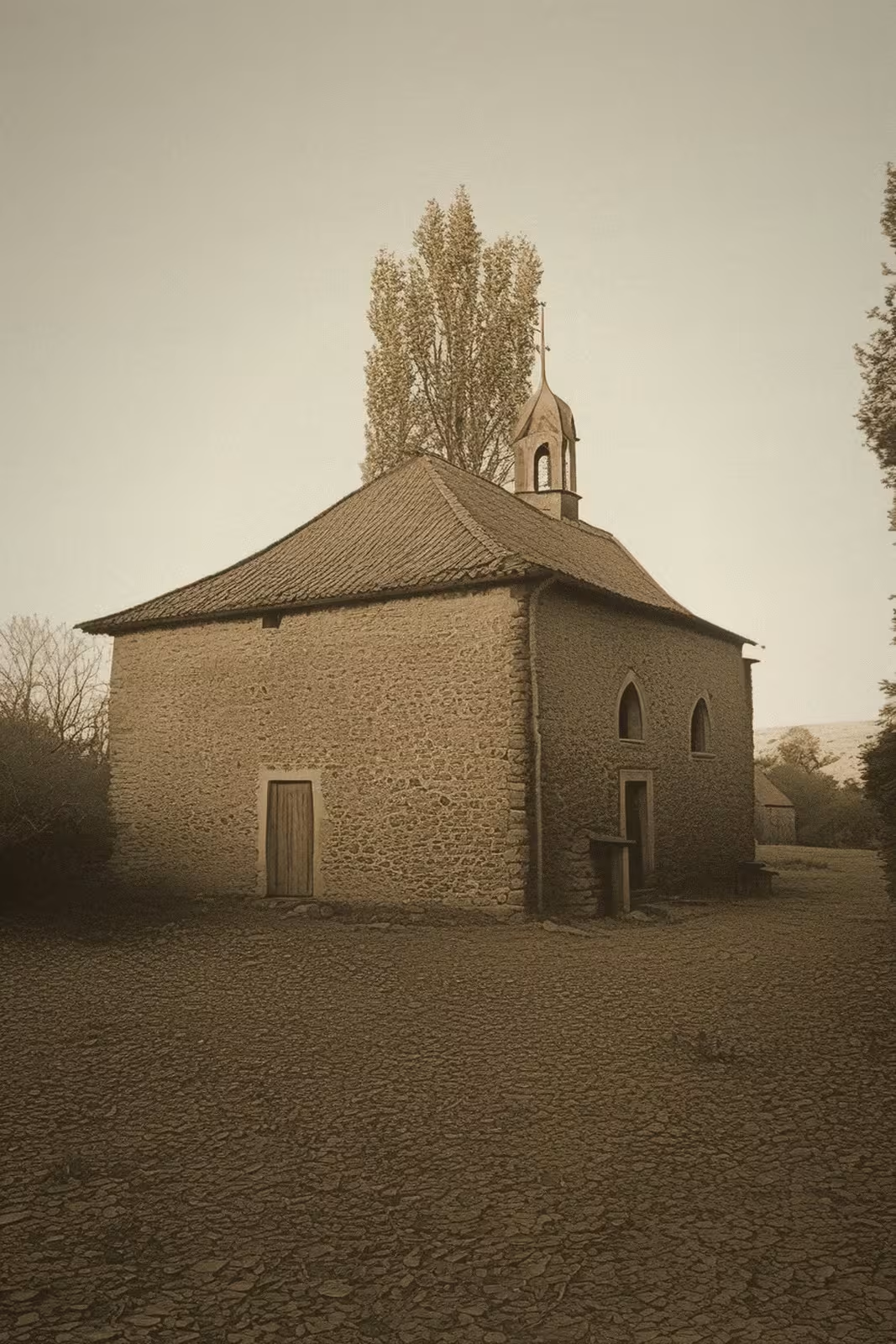
The historical appearance on the left is an AI-generated visualisation and serves as inspiration only.
Historical milestones
- 1612
- The foundation of the cemetery on which the chapel was later built.
- 1653
- Finishing the construction of the early Baroque chapel.
- 1710
- Installation of new painted cassette ceiling.
- 1918
- The acquisition of a new bell by the gift of Katharina Glötzl.
Architectural development
The chapel was built in an early Baroque style with a semi-circular victory curve separating the ship from the presbytery. In 1710 the interior was supplemented by a painted cluster ceiling. The facades are broken down by windows with removed semicircle and two rectangular entry portals.
Historical events
1612: Establishment of a cemetery. 1653: Completion of chapel construction. 1918: Installation of a new bell after props during World War I.
Owners
Heinrich Pröllhofer z Purkersdorfu (during construction).
Points of interest
- The chapel was built between 1648 and 1653 on an older burial site, which was established in 1612. - In 1710 the chapel acquired a new painted ceiling with a cassette decoration, which had to be repaired seven years later. - During the First World War the bell was recited from the chapel, but already in 1918 the new bell Katharina Glötzlová from Záhoří was donated. - After World War II, the chapel stopped serving its purpose and its equipment was destroyed by vandals or stolen, while only damaged altars and pulpit were preserved. - The main altar from around 1650 contained the statue of Saint Anne Saméthird and the statue of the Holy Trinity.
Guide
This guide is narrated by a synthetic voice generated by artificial intelligence.
Show guide text
This text was created by artificial intelligence and has not been editorially reviewed. It may contain inaccuracies.
The Chapel of Saint Anne is a Roman Catholic cemetery chapel in Luky on the Carlsbad region. It stands at the corner of the cemetery, about 400 meters southwest of the village, and is protected as a cultural monument.
The cemetery is older than the chapel itself. It was founded back in 1612. The chapel was built between 1648 and 1653. In 1710 it received a new painted coffered ceiling, but this had to be repaired just seven years later. Probably during the First World War, the bell was requisitioned. The chapel received a new bell right at the end of the war in 1918 as a gift from Katharina Glötzlová from Záhoří.
After the Second World War, the chapel ceased to serve its purpose. It fell into disrepair, was gradually plundered, and vandals destroyed it. From the furnishings, only damaged altars and a pulpit survived.
The building has a rectangular floor plan, which on one side is closed by a square-shaped presbytery. A semicircular triumphal arch separates it from the nave. The facades are simple, articulated only by windows with an offset semicircle. Rectangular entrance portals are in the southwest and southeast walls. The building is covered by a hip roof, on which sits a hexagonal bell tower.
Inside there was a wooden gallery with folk images from the life of the Virgin Mary. The main portal columned altar dates from around 1650. It included a statue of Saint Anne Treble and in the superstructure a group of the Holy Trinity. On the side bolted altar hung a picture of Saint Anne, to whom the chapel is dedicated.
Tips for visitors
The best time to visit is late spring or early autumn, when the surrounding agricultural landscape of Karlovy Vary is the most photogenic. Due to the poor state of the monument we recommend a visit in daylight so that you can safely see the exterior of the building.
Public transport can be used according to the current timetables, always check the connection in the appropriate search engine before the journey.
Take fixed shoes suitable for the terrain and for movement around the cemetery. For shooting the chapel is the best soft light during the morning or shortly before sunset, which highlights early baroque elements on the facade.
In the immediate surroundings there is the village Luka and typical agricultural landscape, which is suitable for peaceful walks. For families with children, the place is more suitable as a short stop on a trip around the region where children can observe rural nature.
Frequently asked questions
Can the monument be visited?
Religious buildings are usually open mainly during services; at other times a visit is normally arranged with the parish or the operator. We have not verified specific times. According to the heritage register the structure is in poor condition – do not enter it and take care nearby.
Where is the monument?
Location: Luka, Karlovarský kraj. The map on this page shows the exact spot.
Why is the monument protected?
It is listed in the Central List of Cultural Monuments of the Czech Republic as a cultural monument (register no. 22795/4-936).
For kids
Imagine going back 373 years, until our country was filled with life and passion. Luka was a small town back then, where people lived by the principles of Christianity. And in this very town is the chapel of Saint Anne, which is today protected as a cultural monument.
How did it look here? Who lived here? What happened here? Imagine being a little kid and walking around the river of Lukovsky creek. You see how people gather in the square outside the church where weddings and funerals are held. You see how local craftsmen build new houses and shops.
Businesses nearby
Do you run a restaurant, accommodation, shop, museum, rental, wellness or other visitor service near this monument? Show yourself directly to the people heading to it — this is how they will see you in the app and on the web:
Events nearby
Zdroj akcí: otevřená data měst a obcí ČR (Národní katalog otevřených dat) a kalendář akcí Národního památkového ústavu.
Nearby
The village Luka, the rural landscape of Karlovy Vary.
Accommodation nearby
Trips and activities nearby
Guided tours, tickets and activities nearby from GetYourGuide
Affiliate link: if you buy from the partner, we may receive a commission. The price for you does not change.
Search tours and activities →Themed route
1. Municipality of Luka, village. Start your journey by exploring this small settlement, which will prepare you for a peaceful walk. 2. agricultural landscape of Karlovy Vary, rural landscape. Take a walk in the open fields where you can observe the typical structure of local agriculture. 3. kaple svaté Anny (Luka), chapel. The journey ends at this important sacral object, which is the main attraction of the entire route.
Seasonal recommendations
Spring: St. Anne's Chapel in Luke offers a unique experience in spring when nature wakes up and the surrounding forests begin to bloom. The sunny days provide ideal conditions for walking around the chapel where it is possible to enjoy warm light and the smell of flowering trees. Although the state of the monument is not well, its historic atmosphere is now accompanied by the natural restoration of the surrounding environment. Visitors should be prepared for possible discomfort caused by insufficient travel conditions, so it is advisable to wear comfortable shoes. The best time to visit is the afternoon when the crowd of users will decrease and you can see the chapel in a quiet environment.
Summer: In the summer season, St. Anne's Chapel is a popular destination for tourists looking for an escape from the city floods. Sunny days and warm weather attract many visitors, but this can lead to tightness, especially during the main summer season. The atmosphere is full of life and energy, but due to the poor state of the chapel the visit becomes calm and reflective. It is recommended to receive in the early hours of morning or late afternoon to avoid the peak of crowds. Wearing light clothes and watering your face is suitable for warm gout.
Autumn: In the autumn season, the chapel of St. Anne offers a completely different atmosphere where the woods begin to download and the leaves change colour. The sunny days are short and warm, which creates a peaceful and cozy experience while walking around the chapel. Visitors' presence is decreasing, allowing deeper immersion in history and a peaceful surrounding environment. Visitors should be prepared for colder weather with suitable clothes such as warm jackets and gloves. The best time to visit is in the morning or late afternoon.
Winter: During the winter period, the chapel offers a unique view of the surrounding landscapes covering the snow and creating a magical atmosphere. The sunny days are short and cold, which brings a peaceful experience for those who want to enjoy the quiet surroundings. The opening times of the chapel are usually shorter, so it is important to know about the current times before visiting. Visitors are advised to wear warm clothes, including fur coats and shoes suitable for freezing conditions. The best time to visit is in the sunny afternoon, where the risk of freezing is reduced and you can enjoy the warm light in peace.
Visualizations and artistic views


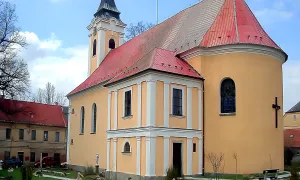
The visualisations are generated by artificial intelligence and serve as inspiration.
Photos from the area
Real photos taken near the monument


Zdroj a licence jsou uvedeny u každého snímku.
Tips from visitors
No tips yet. Be the first!
Log in and add your tip.
Sources and literature
Photos: Jan Polák / CC BY-SA 3.0 — Wikimedia Commons. The author and licence also appear when you hover over the image.
Faktickým podkladem tohoto textu byl článek na Wikipedii, jehož autory jsou přispěvatelé Wikipedie. Článek je dostupný pod licencí CC BY-SA 4.0.
Location on the map
Příběhy a pověsti
Legendy, pověsti a příběhy spjaté s touto památkou
Fotografie návštěvníků
Zatím žádné fotografie. Buďte první, kdo přidá fotografii z návštěvy!
Log in a přidejte svou fotografii nebo hodnoťte.
Za ověřenou návštěvu v aplikaci získáte víc bodů — poznáme podle GPS, že jste na místě.
Reviews and comments