






Kaple svaté Anny (Moravské Budějovice) Chapel
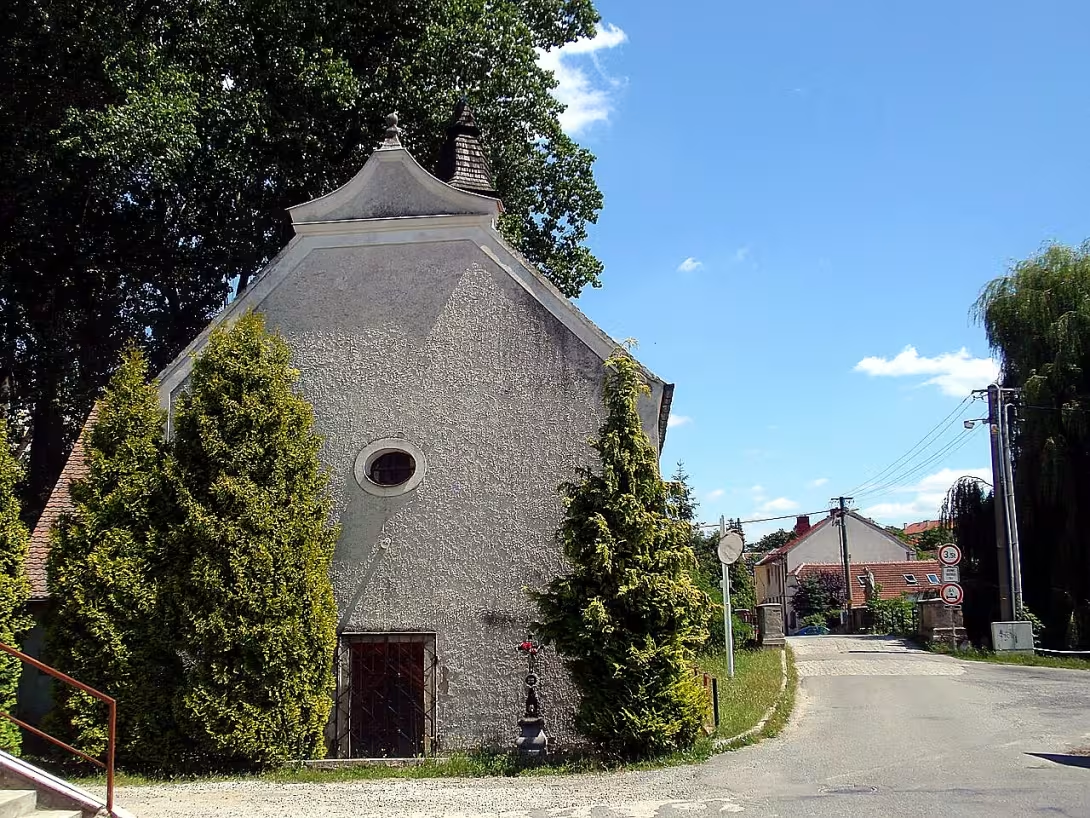
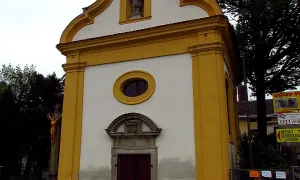
The Chapel of Saint Anne in Moravské Budějovice is a baroque chapel located at Peroutka Street, number 674. It stands as a cultural monument within the Czech Republic and belongs to the Roman Catholic parish of Moravské Budějovice. Originally part of a monastery established before 1406, the chapel has undergone several reconstructions and consecrations over the centuries. Its architectural style reflects baroque influences with elements such as sgraffito decoration on its façade.
The origins of the Chapel of Saint Anne trace back to the early 16th century when it was part of a monastery in Dolní Víska, established before 1406. This period coincided with significant religious upheaval across Europe during the Protestant Reformation, challenging Catholic dominance under Habsburg rule within the Holy Roman Empire. The chapel's initial construction as a Gothic structure laid the foundation for its historical and architectural evolution.
Architecturally, the Chapel of Saint Anne has experienced several phases. Initially built in the Gothic style before 1406, it later received sgraffito decoration on its façade during the second half of the 16th century. The chapel underwent significant baroque renovations around 1715 or 1720, which included changes to the nave's ceiling and façade. In 1853, its shingle roof was replaced by a tiled one. Despite these transformations, elements of its original Gothic structure remain, including a stone portal and a gothic window embedded within modern plaster.
Throughout its history, the chapel has been under the administration of the Roman Catholic parish of Moravské Budějovice, reflecting its enduring religious significance. The chapel's ownership and administrative oversight have remained consistent with its ecclesiastical purpose, ensuring its preservation as a cultural monument.
Key events in the chapel's history include its baroque renovations around 1715 or 1720 and the replacement of its roof in 1853. According to legend, in 1278, the remains of King Přemysl Otakar II were temporarily housed in this chapel during their transport from Znojmo to Prague, suggesting that the chapel was already established by then.
Today, the Chapel of Saint Anne stands as a testament to its rich history and architectural evolution. It is accessible to visitors who wish to explore its baroque elements and appreciate its historical significance. The chapel's blend of Gothic origins and baroque renovations makes it a noteworthy site for those interested in religious architecture and Czech cultural heritage.
The Chapel of Saint Anne offers a unique glimpse into the past, showcasing the interplay between different architectural styles and historical events. Its preservation as a cultural monument ensures that future generations can appreciate its significance. Visitors are invited to explore this remarkable chapel and immerse themselves in its storied history.
Then and now
Drag the slider to compare how the landmark may have looked when it was built with the view today.
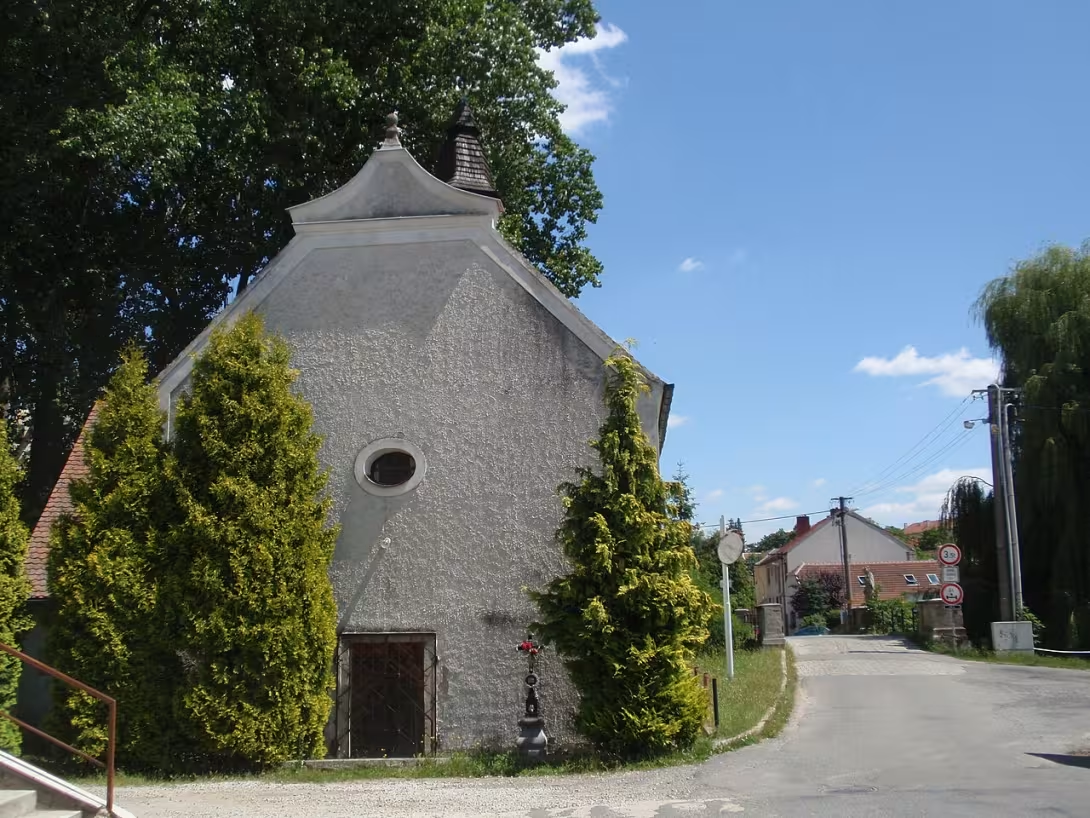
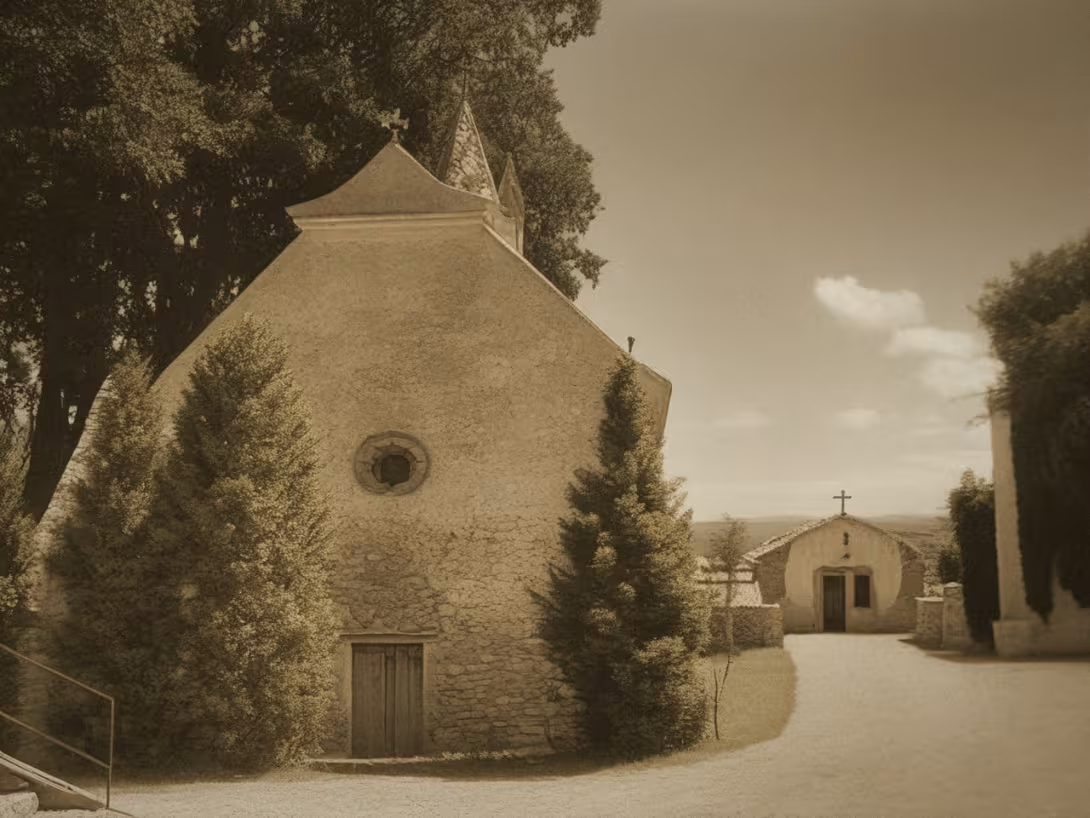
The historical appearance on the left is an AI-generated visualisation and serves as inspiration only.
Historical milestones
- 1500
- The chapel was established in the early 16th century.
- 1715
- Baroque renovations were undertaken around this time.
- 1853
- The shingle roof of the chapel was replaced with a tiled one.
Architectural development
The Chapel of Saint Anne has experienced several architectural phases. Initially built as a Gothic structure before 1406, it was later adorned with sgraffito in the late 16th century. The chapel underwent significant baroque renovations around 1715 or 1720, which included modifications to its ceiling and façade. In 1853, its shingle roof was replaced by a tiled one.
Historical events
The original Gothic chapel was established before 1406, becoming part of a monastery in Dolní Víska.
In the second half of the 16th century, the chapel's façade received sgraffito decoration.
Baroque renovations occurred around 1715 or 1720, including changes to the nave's ceiling.
Points of interest
- Legend has it that the remains of King Přemysl Otakar II were temporarily housed in the Chapel of Saint Anne during their transport from Znojmo to Prague in 1278, suggesting its significance even before its documented construction.
- The chapel's façade features sgraffito decoration from the second half of the 16th century, a unique artistic technique that involves scratching through a surface layer to reveal a lower layer of contrasting color, adding a distinctive visual element to its baroque style.
- Despite undergoing significant renovations and stylistic changes over centuries, the chapel retains elements of its original Gothic architecture, such as a stone portal and a gothic window embedded in modern plaster, showcasing an intriguing blend of historical architectural styles.
- The chapel's roof was replaced from shingle to tile in 1853, reflecting broader trends in building practices during that period while ensuring better preservation against the elements compared to traditional materials.
- Originally part of a monastery established before 1406 in Dolní Víska, the chapel's history is intertwined with significant religious upheaval across Europe during the Protestant Reformation, highlighting its role amidst major historical and cultural shifts.
Guide
This guide is narrated by a synthetic voice generated by artificial intelligence.
Show guide text
This text was created by artificial intelligence and has not been editorially reviewed. It may contain inaccuracies.
Welcome to the historic Chapel of Saint Anne in Moravské Budějovice! You're standing at Peroutka street, number 674, before a remarkable baroque structure that whispers stories from centuries past. As you take in its presence, notice how it stands as a testament to cultural heritage within the Czech Republic and serves as part of the Roman Catholic parish here.
The origins of this chapel trace back to the early 16th century, with its roots intertwined with a monastery established before 1406. Over time, it has witnessed numerous reconstructions, each adding layers to its rich history. Around 1715, baroque renovations transformed its appearance, infusing it with ornate details that you can still appreciate today. Fast forward to 1853, when the chapel's shingle roof was replaced by a more durable tiled one.
Now, let your eyes wander over the façade of the chapel. While specific architects remain unknown, what stands before you is a testament to baroque artistry. Notice the intricate sgraffito decoration on its exterior—a captivating blend of carved and painted surfaces that invites closer inspection.
This site holds more than just architectural significance; it's steeped in intriguing stories. Legend has it that as early as 1278, the remains of King Přemysl Otakar II were temporarily housed here during their transport from Znojmo to Prague. This tale underscores the chapel’s importance long before its documented construction.
As you stand here, let yourself be drawn into the aura of history and mystery that surrounds this place. Each stone seems to hold a secret waiting to be discovered.
I invite you to continue exploring Moravské Budějovice, where every corner offers new insights and stories. Thank you for joining me on this journey through time at the Chapel of Saint Anne. Safe travels as you uncover more hidden gems in our rich cultural tapestry!
Tips for visitors
The best time to visit the Chapel of Saint Anne in Moravské Budějovice is during late spring or early autumn when the weather is pleasant, allowing for a comfortable exploration of its baroque architecture without the crowds typical of summer. During these months, the natural light enhances the chapel's intricate details and creates an ideal atmosphere for appreciating its historical significance.
Parking near the Chapel of Saint Anne can be limited as it is located in a more urban area; however, there are usually spots available along Peroutka street or nearby streets. For those preferring public transport, Moravské Budějovice offers several bus lines that connect to various parts of the town, including the vicinity of the chapel. It's advisable to check current transportation options via a local transit website or app.
When visiting the Chapel of Saint Anne, it is recommended to bring comfortable walking shoes and weather-appropriate clothing, as you may explore surrounding areas on foot. A small backpack with water, snacks, and perhaps a camera can enhance your visit, allowing for spontaneous exploration and capturing memories. Additionally, bringing along a guidebook or downloading an app about the chapel's history could enrich your understanding of its cultural significance.
Photography enthusiasts will find several spots around the Chapel of Saint Anne that offer excellent lighting conditions, particularly during the golden hours at sunrise or sunset. The façade of the chapel is best photographed from the front on Peroutka street to capture its baroque elements in full detail. Inside, natural light filters through windows, creating a serene ambiance perfect for interior shots.
For those interested in exploring nearby attractions within 30 minutes of Moravské Budějovice, consider visiting the historical center of the town itself, which offers charming streets and additional cultural sites. The area is rich with history and provides an opportunity to delve deeper into the region's heritage. Families can enjoy a leisurely walk through the town or visit local cafes for refreshments.
Businesses nearby
Do you run a restaurant, accommodation, shop, museum, rental, wellness or other visitor service near this monument? Show yourself directly to the people heading to it — this is how they will see you in the app and on the web:
Events nearby
Zdroj akcí: otevřená data měst a obcí ČR (Národní katalog otevřených dat) a kalendář akcí Národního památkového ústavu.
Accommodation nearby
Trips and activities nearby
Guided tours, tickets and activities nearby from GetYourGuide
Affiliate link: if you buy from the partner, we may receive a commission. The price for you does not change.
Search tours and activities →Themed route
Tematická výletní trasa: Kaple Svaté Anny a okolí Moravských Budějovic
1. Kaple svaté Anny (Moravské Budějovice) - *Typ:* Náboženská památka - *Proč stojí za návštěvu:* Tato barokní kaple, postavená v 18. století, je nejen architektonickou perli Moravských Budějovic, ale také důležitým místem pro poutníky a návštěvníky zájmu o historii a kulturu regionu. Je známá svými bohatými vnitřními freskami a krásnou architekturou.
2. Městské nádvoří (Moravské Budějovice) - *Typ:* Historické městské prostranství - *Proč stojí za návštěvu:* Přibližně v centru Moravských Budějovic se nachází historické městské nádvoří, které je ideálním místem pro relaxaci a prohlédnutí si tradičního městského prostředí. Je to výchozí bod prozkoumání místních historických budov a ulic.
3. Kostel svatého Václava (Moravské Budějovice) - *Typ:* Náboženská památka - *Proč stojí za návštěvu:* Tento kostel je jedním z nejdůležitějších historických a architektonických monumentů v Moravských Budějovicích. Jeho gotické prvky a bohaté interiérní dekorace představují cenný příspěvek k kulturnímu dědictví města.
4. Městská knihovna (Moravské Budějovice) - *Typ:* Kulturní instituce - *Proč stojí za návštěvu:* Městská knihovna nabízí nejen bohatou sbírku knih a dokumentů, ale také různé kulturní akce a výstavy. Je to ideální místo pro ty, kteří chtějí hlouběji pochopit historii a současnost města.
5. Památník obětem komunismu (Moravské Budějovice) - *Typ:* Historický památník - *Proč stojí za návštěvu:* Tento památník je věnován těm, kteří utrpěli za komunistického režimu. Je to místo pro reflexi a uznání historických událostí, které ovlivnily mnoho lidí v regionu.
Tato trasa nabízí kombinaci náboženských památek, kulturních institucí a historických míst, což umožňuje komplexní pohled na bohaté dědictví Moravských Budějovic.
Seasonal recommendations
Spring: Visiting Kaple svaté Anny during spring offers a unique experience as the surrounding landscape bursts into life with vibrant colors and fresh blooms. The gentle warmth of the season illuminates the chapel in soft, natural light that enhances its historical architecture. This time is ideal for photography enthusiasts looking to capture the interplay between the chapel's serene atmosphere and the awakening nature. With fewer visitors compared to summer, it’s a perfect period for those seeking tranquility. However, be prepared for occasional rain showers; wearing layers will allow you to adjust comfortably as temperatures fluctuate throughout the day.
Summer: Summer at Kaple svaté Anny is characterized by long days and warm evenings, making it an excellent time for extended visits. The lush greenery around the chapel provides a picturesque backdrop, while the lively atmosphere invites visitors to explore both the history of the site and its natural surroundings. Due to its popularity during this season, arriving early in the morning can help avoid crowds, ensuring a more peaceful experience. Don’t forget to bring sun protection—hats, sunglasses, and sunscreen are essential for enjoying the outdoors comfortably.
Autumn: Autumn brings a magical transformation to Kaple svaté Anny with rich hues of orange, red, and gold adorning the landscape. The crisp air and softer light create an enchanting atmosphere that enhances the chapel’s historical charm. This season is ideal for those who appreciate nature’s beauty as it transitions into winter. As temperatures begin to drop, wearing layers will keep you comfortable during your visit. While the number of visitors decreases compared to summer, some local festivals may occur, adding a festive touch to your experience.
Winter: Winter at Kaple svaté Anny offers a serene and contemplative atmosphere as snow blankets the surrounding landscape, creating a picturesque scene that is both tranquil and awe-inspiring. The chapel’s architecture stands out starkly against the white backdrop, providing a unique visual contrast. Due to shorter daylight hours, it's advisable to plan your visit during midday when natural light is at its peak. Be sure to dress warmly in layers, as temperatures can be quite chilly. Keep in mind that opening times may be reduced, so checking ahead is recommended for the best experience.
Visualizations and artistic views


The visualisations are generated by artificial intelligence and serve as inspiration.
Photos from the area
Real photos taken near the monument


Zdroj a licence jsou uvedeny u každého snímku.
Tips from visitors
No tips yet. Be the first!
Log in and add your tip.
Sources and literature
Fotografie: Isolda11 / CC BY-SA 3.0 — Wikimedia Commons. The author and licence also appear when you hover over the image.
Faktickým podkladem tohoto textu byl článek na Wikipedii, jehož autory jsou přispěvatelé Wikipedie. Článek je dostupný pod licencí CC BY-SA 4.0.
Location on the map

Příběhy a pověsti
Legendy, pověsti a příběhy spjaté s touto památkou

Fotografie návštěvníků
Zatím žádné fotografie. Buďte první, kdo přidá fotografii z návštěvy!
Přihlaste se a přidejte svou fotografii nebo hodnoťte.
Za ověřenou návštěvu v aplikaci získáte víc bodů — poznáme podle GPS, že jste na místě.
Reviews and comments