






Kaple svatého Jana Nepomuckého (Moravské Budějovice) Chapel
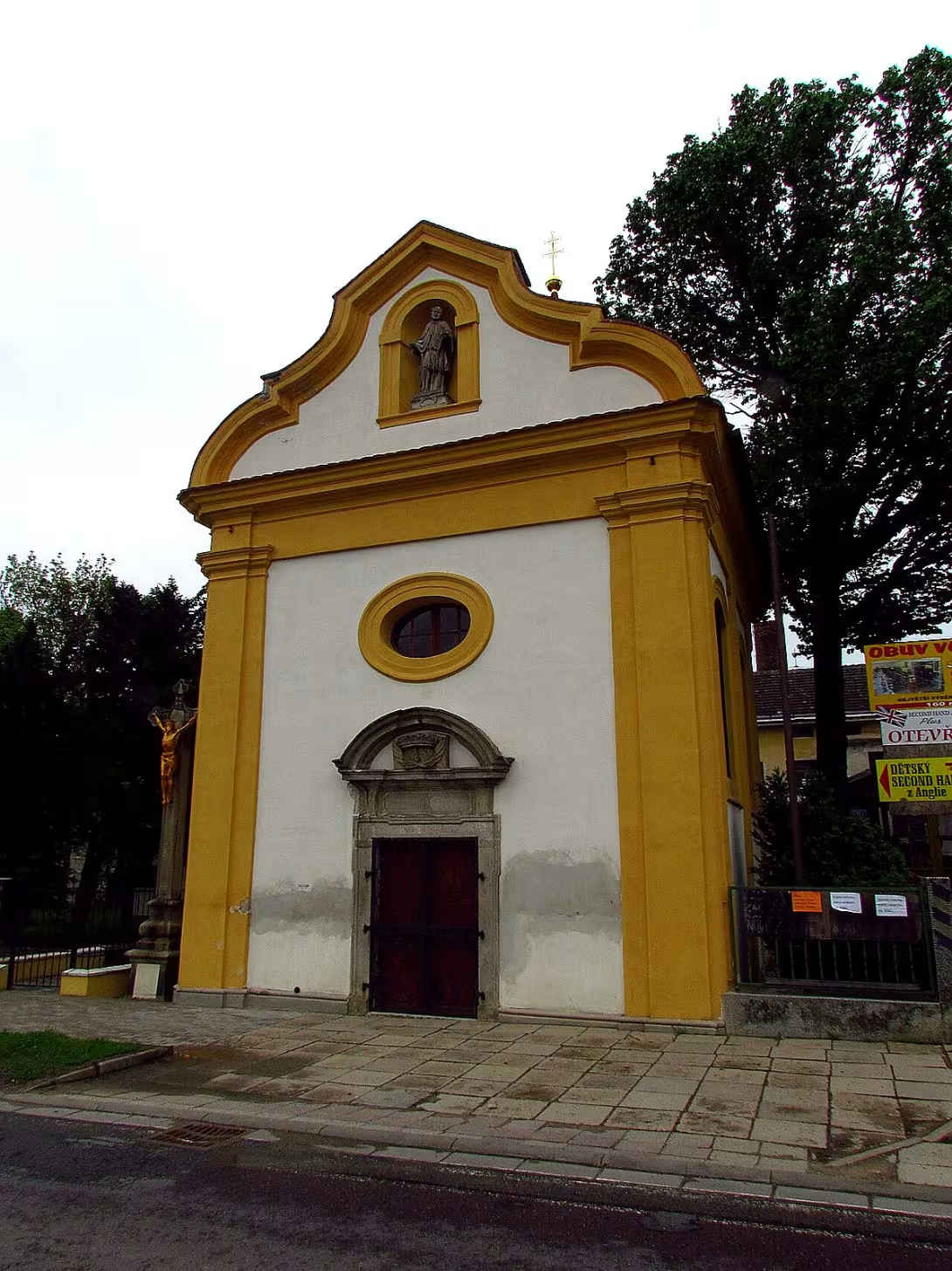
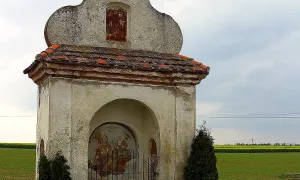
The Chapel of Saint John Nepomucene in Moravské Budějovice is a Baroque chapel located on Tyršova Street, notable for its architectural significance and historical context. Constructed in 1713 as part of an old cemetery, it stands today as a protected cultural monument. The chapel features a single-nave structure with a semi-circular closure, characterized by profiled cornices, pilasters, and segmental arches. Inside, visitors can find a main altar adorned with a painting of Saint John Nepomucene from 1824, created by local artist Vincent Štípa.
Built during the early 18th century when Bohemia was part of the Habsburg Monarchy, this period saw a cultural flourishing in Baroque art and architecture. The chapel was constructed near an active cemetery established between 1617 and 1620. Its construction was funded by Marie Terezie Polyxena z Andlau, widow of Václav Renalt ze Schaumburka, reflecting personal devotion and broader religious trends.
Architecturally, the Chapel is a standalone Baroque structure built on a rectangular plan with a semi-circular closure. The facade features two window axes, pilasters, and a main profiled cornice. Windows are set within a profiled architrave with segmental sills. A right-angled portal framed by pilasters tops a segmental pediment displaying the Schaumburg coat of arms and the date 1713. Above this entrance is an oval window in another profiled architrave. The chapel's roof is gabled, sitting atop the main cornice, while the semi-circular closure features a niche housing a statue of Saint John Nepomucene.
Ownership and administration have seen little dramatic change since its construction. Built at the expense of Marie Terezie Polyxena z Andlau, it is now utilized by the Třebíč congregation of the Českobratrské církve evangelické (Czechoslovak Brethren Church), indicating continuity in its religious function.
A significant event occurred in 1851 when a stone cross was erected near the chapel's western corner. This cross, now also protected as a cultural monument, features inscriptions inviting Christian reflection and prayer. The base is stepped, supporting a robust structure with trilobed arms. Atop it rests a gilded cast figure of Christ crucified, beneath an INRI inscription.
Today, the Chapel remains accessible to visitors interested in exploring its Baroque architecture and historical significance. Its preservation as a cultural monument underscores its importance within regional heritage. The chapel offers insight into early 18th-century religious life and architectural style, making it a worthwhile destination for those keen on history and culture.
The Chapel of Saint John Nepomucene stands as a testament to the Baroque era's influence in Bohemia, offering both historical insight and aesthetic appreciation. Its continued preservation invites visitors to explore its rich past and appreciate its enduring beauty.
Then and now
Drag the slider to compare how the landmark may have looked when it was built with the view today.
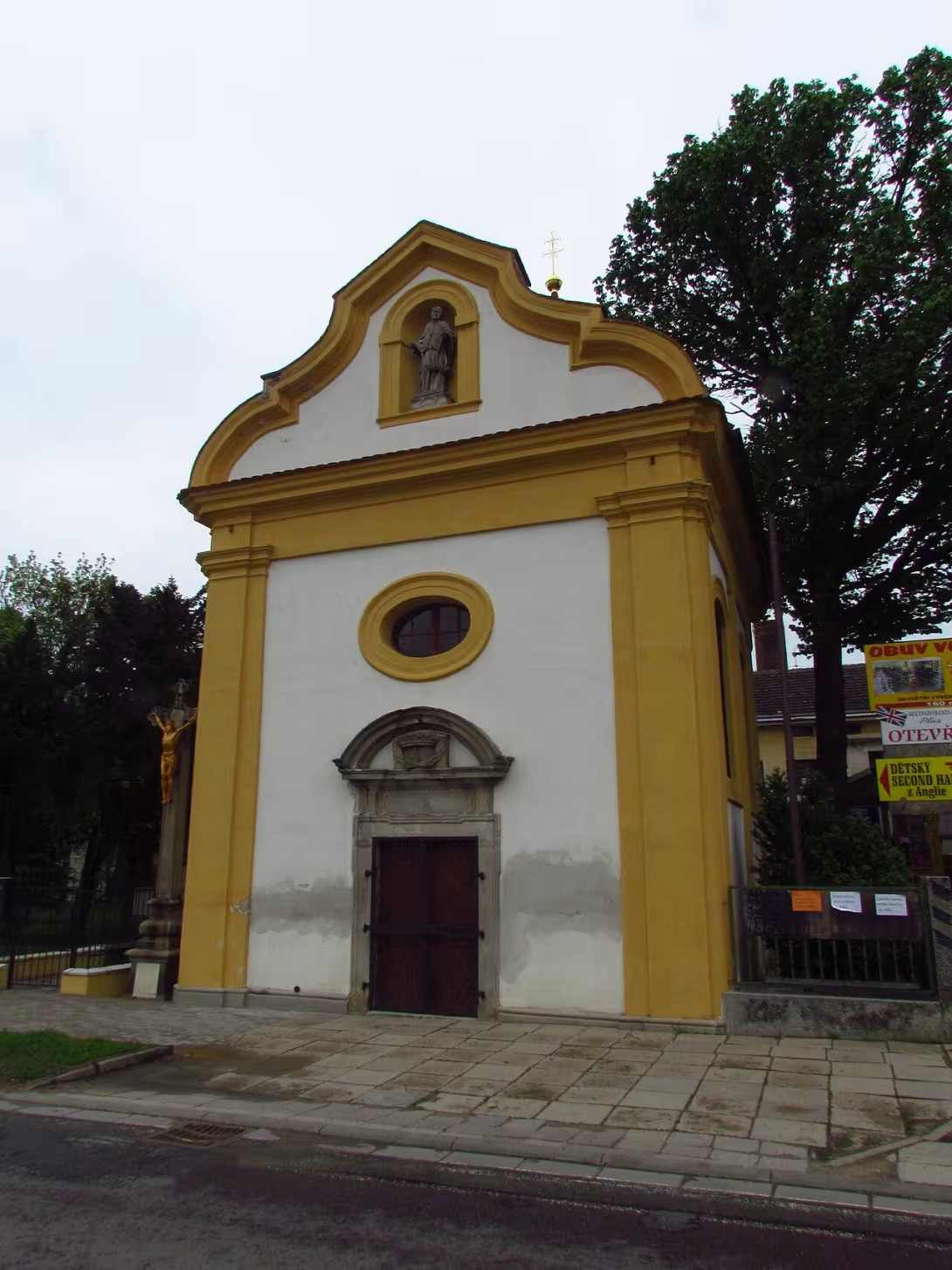

The historical appearance on the left is an AI-generated visualisation and serves as inspiration only.
Historical milestones
- 1617
- Založení pohřebiště u kaple.
- 1713
- Výstavba Kaple svatého Jana Nepomuckého.
- 1824
- Nalepení obrazu sv. Jana Nepomuckého na hlavním oltáři.
- 1851
- Postavení kamenné kříže u západního rohu kaple.
Architectural development
The Chapel of Saint John Nepomucene is a standalone baroque structure built on a rectangular plan with a semi-circular closure. Its facade features two window axes, pilasters, and a main profiled cornice. The interior includes a semi-circular presbytery with the main altar and an 1824 painting by local artist Vincent Štípa.
Historical events
- 1713
- Construction of the chapel was completed.
- 1851
- A stone cross, now a protected cultural monument alongside the chapel, was erected near its western corner.
Points of interest
- The Chapel of Saint John Nepomucene was constructed in 1713 as part of an old cemetery, which itself dates back to between 1617 and 1620. This connection highlights the chapel's role within a longstanding burial ground that has witnessed centuries of history.
- Marie Terezie Polyxena z Andlau, who funded the chapel's construction, was not just any patron; she was the widow of Václav Renalt ze Schaumburka. Her personal devotion to Saint John Nepomucene and her role in funding this religious structure reflect broader trends in 18th-century Bohemia where nobility often played significant roles in church affairs.
- The chapel's main altar features a painting by Vincent Štípa, a local artist from the early 19th century. This artwork adds a layer of regional artistry to the chapel and showcases how local talents contributed to its religious and cultural significance over time.
- In 1851, a stone cross was erected near the chapel's western corner, now also protected as a cultural monument. The cross features inscriptions inviting Christian reflection and prayer, adding another dimension to the site’s spiritual heritage.
- While primarily serving as a place of worship, the chapel has been utilized by the Třebíč congregation of the Českobratrské církve evangelické (Czechoslovak Brethren Church). This reflects continuity in its religious function and highlights how it remains an active part of community spiritual life despite changes over centuries.
Guide
This guide is narrated by a synthetic voice generated by artificial intelligence.
Show guide text
This text was created by artificial intelligence and has not been editorially reviewed. It may contain inaccuracies.
Welcome to the historic Chapel of Saint John Nepomucene in Moravské Budějovice. As you stand here on Tyršova Street, take a moment to absorb the serene atmosphere surrounding this baroque chapel. Notice its graceful form and the cross that stands proudly above it—a symbol of faith enduring through centuries.
Let's delve into the origins of this sacred site. The chapel was constructed in 1713 as part of an old cemetery, which dates back to between 1617 and 1620. This connection highlights the chapel’s role within a longstanding burial ground, serving both spiritual and communal needs over generations. It stands today not only as a place of worship but also as a protected cultural monument, safeguarding its historical significance.
Now, direct your gaze towards the architectural elegance of this chapel. Its single-nave structure is complemented by a semi-circular closure, giving it an inviting yet solemn appearance. Observe the profiled cornices and pilasters that adorn its exterior, along with the segmental arches that frame its entrance. These elements together create a harmonious baroque style that invites contemplation.
The chapel's interior holds stories of devotion and history. In 1824, an image of Saint John Nepomucene was added to the main altar, reinforcing his significance as the chapel’s patron saint. The presence of this revered figure has drawn many visitors seeking solace and inspiration over the years.
Among those connected with its history are notable figures such as Marie Terezie Polyxena z Andlau and Václav Renalt ze Schaumburka. Their contributions to the region's cultural heritage have left an indelible mark on this sacred site, intertwining their legacies with that of the chapel.
As you explore further, take a moment to ponder one intriguing aspect: the chapel was constructed as part of an old cemetery. This connection invites reflection on the cycles of life and death, spirituality, and community—themes that have resonated through time at this location.
Before we conclude our journey here, I invite you to wander around and soak in the ambiance of this historic site. Each step within its vicinity offers a glimpse into the past, allowing you to connect with stories woven into its very stones. Thank you for joining me on this exploration, and may your visit be both enlightening and inspiring.
Tips for visitors
The best time to visit the Chapel of Saint John Nepomucene in Moravské Budějovice is during late spring or early autumn, when the weather is pleasant for walking and exploring. These seasons offer mild temperatures and beautiful natural surroundings that enhance your experience. Additionally, visiting outside peak tourist seasons can provide a more serene atmosphere, allowing you to appreciate the chapel's baroque architecture without large crowds.
Public transportation options are available and can be a convenient way to reach the chapel. For those using public transport, ensure you verify current routes and schedules via an online search or local transit app to plan your journey efficiently.
When visiting the Chapel of Saint John Nepomucene, it's recommended to bring comfortable walking shoes as there may be some uneven paths around the area. Also, consider bringing a hat and sunscreen if traveling during sunny months, or a light jacket for cooler weather. A small bottle of water is advisable to stay hydrated throughout your visit.
For photography enthusiasts, early morning or late afternoon provides the best natural lighting conditions to capture the chapel's intricate details. The cross on top of the chapel can be particularly striking in the soft glow of sunrise or sunset. While there are no specific spots mentioned for photography within a 30-minute radius, exploring nearby areas might reveal unique angles and perspectives.
Nearby, within a 30-minute drive from Moravské Budějovice, you can explore other historical sites that complement your visit to the chapel. The region offers various cultural and natural attractions that are worth visiting if time permits. For families with children, consider planning activities or stops along the way to keep younger visitors engaged during the journey.
Frequently asked questions
Can the monument be visited?
Religious buildings are usually open mainly during services; at other times a visit is normally arranged with the parish or the operator. We have not verified specific times.
Where is the monument?
Location: Tyršova, Moravské Budějovice, Kraj Vysočina. The map on this page shows the exact spot.
Why is the monument protected?
It is listed in the Central List of Cultural Monuments of the Czech Republic as a cultural monument (register no. 44797/7-2854). It is protected as part of a larger listed ensemble.
Businesses nearby
Do you run a restaurant, accommodation, shop, museum, rental, wellness or other visitor service near this monument? Show yourself directly to the people heading to it — this is how they will see you in the app and on the web:
Accommodation nearby
Themed route
Thematic Walking Tour: Moravské Budějovice
1. Kaple svatého Jana Nepomuckého (Moravské Budějovice) - Type: Chapel - Why Visit: This charming chapel is dedicated to Saint John of Nepomuk, a revered figure in Czech history known for his martyrdom. The site offers visitors an intimate glimpse into local religious heritage and architectural beauty. Its serene atmosphere makes it a perfect starting point for exploring the spiritual and cultural landscape of Moravské Budějovice.
2. Náměstí Svobody (Freedom Square) - Type: Public Square - Why Visit: Located just a short walk from the chapel, Freedom Square serves as the heart of Moravské Budějovice's civic life. The square is surrounded by historical buildings and offers a picturesque setting for relaxation or a casual stroll. It provides insight into the town’s past with its well-preserved architecture and monuments.
3. Moravskobudějovická vinařská škola (Moravské Budějovice Winemaking School) - Type: Educational Institution - Why Visit: A brief walk from Freedom Square, this school is a key site for understanding the region’s rich winemaking tradition. Visitors can explore exhibits on viticulture and wine production, offering a taste of local culture through its renowned wines. It's an ideal spot to learn about the historical significance of winemaking in Moravské Budějovice.
4. Kostel svatého Mikuláše (Church of Saint Nicholas) - Type: Church - Why Visit: Situated nearby, this church is a significant landmark with impressive Baroque architecture. It provides an opportunity to appreciate the artistic and historical elements that define Moravské Budějovice’s religious sites. The church's interior features beautiful frescoes and altarpieces, making it a must-see for art and history enthusiasts.
This tour offers a comprehensive exploration of Moravské Budějovice, highlighting its spiritual, cultural, and educational landmarks within the town's charming setting.
Seasonal recommendations
Spring: Visiting the Chapel of Saint John Nepomucene during spring offers a unique experience as nature begins to awaken around Moravské Budějovice. The surrounding landscape is adorned with vibrant wildflowers and budding trees, creating a picturesque setting that enhances the chapel's historical beauty. The gentle warmth of the season brings longer days, allowing for extended exploration time. Visitors should expect mild temperatures but be prepared for occasional rain showers; thus, wearing layers and carrying an umbrella or waterproof jacket is advisable. Early mornings are ideal to enjoy the serene atmosphere before larger crowds gather.
Summer: Summer at the Chapel of Saint John Nepomucene is characterized by lush greenery and warm sunshine, providing a perfect backdrop for those seeking solace in nature while exploring historical sites. The longer daylight hours and pleasant weather make it an inviting time to visit, though it also attracts more tourists. To avoid crowds, consider visiting during weekdays or early mornings. Comfortable walking shoes and light clothing are recommended due to the warm temperatures. Don't forget sunscreen and a hat for sun protection, as well as plenty of water to stay hydrated throughout your visit.
Autumn: Autumn brings a stunning transformation to the Chapel of Saint John Nepomucene, with Moravské Budějovice enveloped in rich hues of red, orange, and gold. The cooler temperatures create an ideal setting for leisurely strolls through the chapel's surroundings, offering a tranquil experience as nature prepares for winter. This season is less crowded than summer, providing more space to appreciate the site's historical details. Layered clothing is recommended to accommodate fluctuating temperatures, and carrying a light jacket or scarf can be beneficial during cooler afternoons.
Winter: Winter at the Chapel of Saint John Nepomucene presents a serene and magical atmosphere as snow blankets the landscape around Moravské Budějovice. The crisp air and shorter days create a peaceful ambiance that contrasts with the vibrant seasons, offering visitors a unique perspective on this historical site. Dressing warmly in layers is essential to stay comfortable during your visit, including thermal wear, gloves, and a hat. Early visits are recommended to make the most of daylight hours and avoid any potential closures due to inclement weather.
Visualizations and artistic views


The visualisations are generated by artificial intelligence and serve as inspiration.
Photos from the area
Real photos taken near the monument


Zdroj a licence jsou uvedeny u každého snímku.
Atmosphere of the place
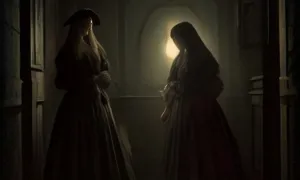
This atmospheric visualisation of the place and period was generated by artificial intelligence. It is not real footage of the location.
Tips from visitors
No tips yet. Be the first!
Log in and add your tip.
Sources and literature
Photos: Jiří Sedláček / CC BY-SA 3.0 — Wikimedia Commons. The author and licence also appear when you hover over the image.
Faktickým podkladem tohoto textu byl článek na Wikipedii, jehož autory jsou přispěvatelé Wikipedie. Článek je dostupný pod licencí CC BY-SA 4.0.
Location on the map

Příběhy a pověsti
Legendy, pověsti a příběhy spjaté s touto památkou
Příběh: Kaple svatého Jana Nepomuckého (Moravské Budějovice)
Bylo to v pondělí ráno, kdy Martin zjistil, že jeho duše je jakoby na oheň. Zatímco se procházel po cestách místního hřbitova vedle Kaple svatého Jana Nepomu…
Číst příběh
Pověst: Kaple svatého Jana Nepomuckého (Moravské Budějovice)
Podle místní pověsti, která se mezi staršími obyvateli Moravských Budějovic traduje dodnes, nezrodila se kaple svatého Jana Nepomuckého v Tyršově ulici pouze…
Číst příběhFotografie návštěvníků
Zatím žádné fotografie. Buďte první, kdo přidá fotografii z návštěvy!
Log in a přidejte svou fotografii nebo hodnoťte.
Za ověřenou návštěvu v aplikaci získáte víc bodů — poznáme podle GPS, že jste na místě.
Reviews and comments