



kaple svatého Antonína (Sadová) Chapel
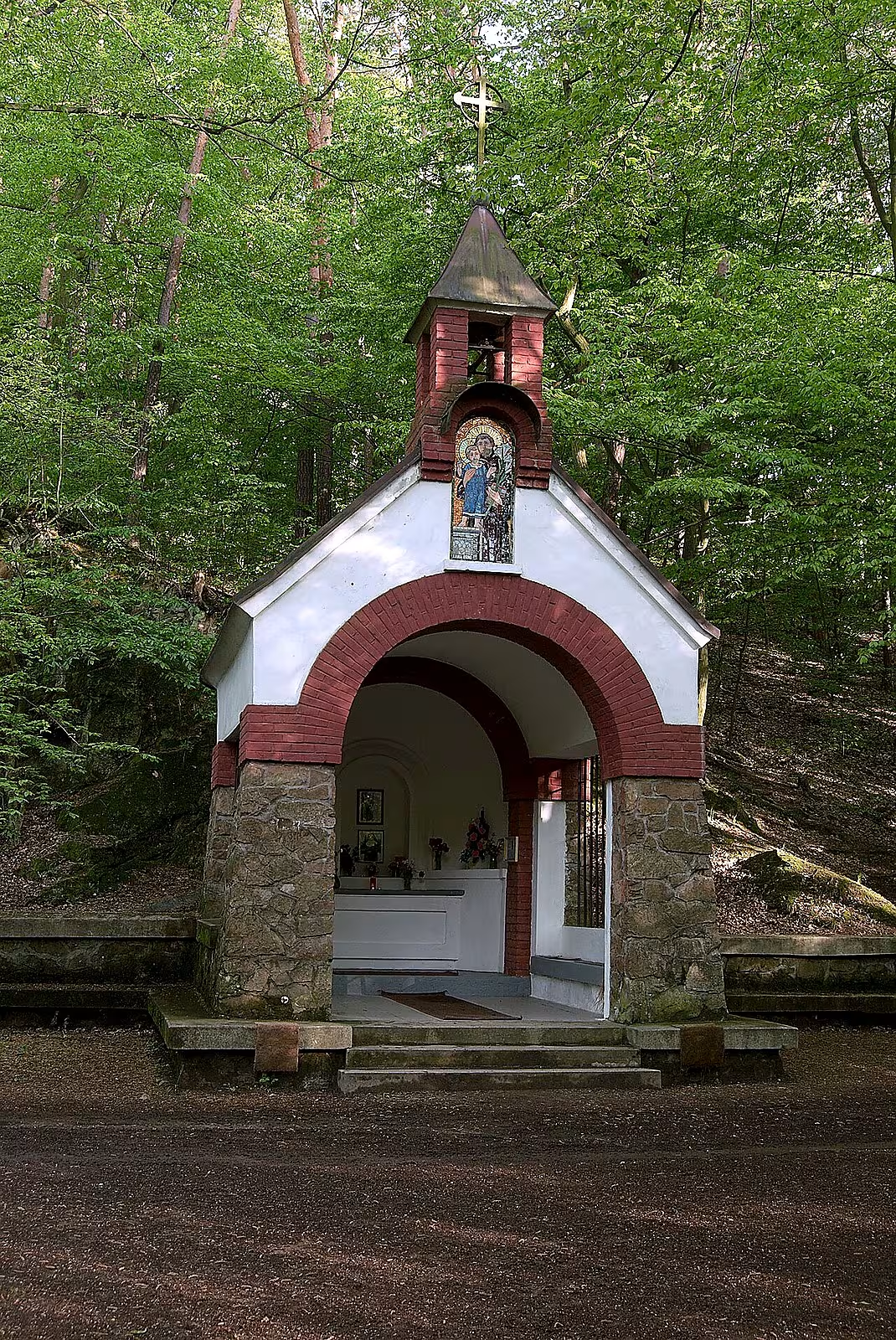
The Chapel of Saint Anthony, affectionately known as U Antoníčka, is a small yet significant pilgrimage site in Brno's Sadová district. Since the mid-19th century, this chapel and its associated spring have been central to local devotion due to their reputed healing properties. The site gained prominence when a procession reportedly saved Brno from a plague epidemic during that period, leading to the chapel's construction.
Local folklore suggests U Antoníčka was once a hermitage linked to monks from the now-defunct Kartuziánský monastery nearby. The spring at the chapel is considered miraculous, attracting those seeking health and aid. A procession in the mid-19th century is said to have halted a plague epidemic in Brno, prompting the chapel's construction as an expression of gratitude.
Architecturally, the chapel underwent significant changes around 1924 when architect Říha from Židenice rebuilt it, giving it its current form. This structure has been preserved through subsequent restorations. The site includes a spring with variable flow due to weather conditions, drawing water from an underground stream. However, the water is not suitable for drinking because of contamination.
Throughout history, U Antoníčka experienced various ownership and administration phases. After neglect post-1948, it was revitalized in the early 1990s through community efforts led by P. Pavel Hověz. This initiative included restorations such as repairing stone benches and installing sanitation facilities.
Beyond its religious significance, U Antoníčka has hosted notable events. In 1888, Czech societies gathered here, funding the first Czech kindergarten in Brno-Králové Pole. Additionally, soldiers who died from cholera after the Battle of Hradec Králové were initially buried nearby before their remains were moved to a central cemetery.
Today, U Antoníčka is part of the newly established farnost Brno-Lesná and continues to attract visitors for its spiritual significance. Pilgrims gather annually on June 13th, Saint Anthony's feast day, for special services. The site also hosts May devotions during certain spring Sundays.
Despite its modest size, U Antoníčka remains a cherished local landmark, offering insight into the region's rich cultural and religious history. Visitors can appreciate not only its spiritual heritage but also the community spirit that has preserved it through the years. Its enduring presence as a pilgrimage site underscores its importance in Sadová and Brno's collective memory. Whether drawn by curiosity or faith, this chapel offers a unique opportunity to connect with the past while experiencing local tradition.
Historical milestones
- mid-19th century
- Procession reportedly saved Brno from plague epidemic.
- 1924
- Chapel rebuilt by architect Říha, giving it current form.
- 1888
- Czech societies gathered to fund first Czech kindergarten in Brno-Králové Pole.
- early 1990s
- Chapel revitalized through community efforts led by P. Pavel Hověz.
- 1948
- Period of neglect following this year.
Architectural development
Originally believed to be built on the site of a hermitage, the chapel underwent significant reconstruction around 1924. Further restoration took place between 1993 and 1995, involving many volunteers.
Historical events
In the mid-19th century, a procession is said to have saved Brno from a plague epidemic, leading to the construction of the chapel.
The chapel was rebuilt in approximately 1924 by architect Říha from Židenice.
Points of interest
- The Chapel of Saint Anthony is affectionately known as U Antoníčka, a name that reflects its intimate connection with the local community and their personal devotion to this site.
- Local folklore intriguingly links U Antoníčka to a hermitage associated with monks from the now-defunct Kartuziánský monastery, suggesting a deeper historical spiritual presence in the area than is immediately apparent.
- In 1888, Czech societies gathered at U Antoníčka to fundraise for the first Czech kindergarten in Brno-Králové Pole, highlighting its role as a community hub beyond religious activities.
- Soldiers who died from cholera after the Battle of Hradec Králové were initially buried near U Antoníčka before their remains were moved to a central cemetery, connecting this site with broader historical events and narratives.
- The chapel underwent significant architectural changes in 1924 when architect Říha from Židenice reconstructed it, giving the structure its current form and preserving its heritage through modernization efforts.
Guide
This guide is narrated by a synthetic voice generated by artificial intelligence.
Show guide text
This text was created by artificial intelligence and has not been editorially reviewed. It may contain inaccuracies.
Welcome to the enchanting Chapel of Saint Anthony, affectionately known as U Antoníčka, nestled in the serene district of Sadová in Brno. As you stand here, take a moment to appreciate this quaint yet spiritually significant site that has captured the hearts of locals for generations. The chapel's humble presence is complemented by its charming spring, which whispers stories of hope and healing since the mid-19th century.
The origins of U Antoníčka are steeped in history and folklore. Legend has it that a procession to this very spot saved Brno from a devastating plague epidemic during the mid-1800s. This miraculous event set the foundation for its reputation as a place of divine intervention, drawing pilgrims who seek solace and healing by its spring.
As you look around, notice the chapel's modest architecture, rebuilt in 1924 by architect Říha from Židenice. The structure reflects early 20th-century influences with its simple yet elegant design. Although specific architectural details might not be immediately apparent, the overall atmosphere exudes a sense of tranquility and timelessness that invites reflection.
The chapel has witnessed several key moments in history. In 1888, Czech societies gathered here to fund the first Czech kindergarten in Brno-Králové Pole, marking an important cultural milestone. However, the years following 1948 brought periods of neglect, during which U Antoníčka faced challenges that threatened its existence.
Despite these trials, community spirit prevailed. In the early 1990s, a remarkable revitalization effort led by P. Pavel Hověz breathed new life into this cherished site. His dedication ensured that future generations could continue to experience the chapel's unique charm and spiritual significance.
An intriguing aspect of U Antoníčka is its connection to local folklore. It is said to be linked with a hermitage associated with monks from the now-defunct Kartuziánský order, adding an air of mystery and historical depth to your visit.
As you conclude your time here, take a moment to reflect on the chapel's enduring legacy as a beacon of hope and community spirit. We invite you to explore further and perhaps return another day to discover more about this remarkable place that continues to inspire those who walk its path. Thank you for visiting U Antoníčka; may it leave you with peace and inspiration.
Tips for visitors
The best time to visit the Chapel of Saint Anthony is during late spring or early autumn when the weather is mild, making it pleasant for walking and enjoying the outdoors. These seasons also offer beautiful natural scenery around Sadová, enhancing your experience at this pilgrimage site. Additionally, visiting outside of peak summer months can help avoid crowds, providing a more serene atmosphere to appreciate the chapel's charm.
When planning your visit, consider bringing comfortable walking shoes and weather-appropriate clothing, as there may be some walking involved. A small bottle of water is also recommended, especially if visiting during warmer months. For those interested in photography, a camera or smartphone will help capture the chapel's quaint beauty and the surrounding natural landscape.
Photography enthusiasts will find several spots around the chapel ideal for capturing its rustic charm. The best light is usually found early in the morning or late afternoon when the sun casts soft shadows, adding depth to your photos. Try taking pictures from different angles around the spring area as well, where reflections can create interesting compositions.
For families with children, the Chapel of Saint Anthony offers a peaceful setting that can be both educational and enjoyable. Nearby within 30 minutes is the Botanical Garden in Brno, which provides an engaging experience for kids with its diverse plant life and interactive exhibits. This makes it a perfect spot to visit after exploring the chapel, offering a nice balance between cultural appreciation and outdoor fun.
Frequently asked questions
Can the monument be visited?
Religious buildings are usually open mainly during services; at other times a visit is normally arranged with the parish or the operator. We have not verified specific times.
Where is the monument?
Location: Sadová, Jihomoravský kraj. The map on this page shows the exact spot.
Businesses nearby
Do you run a restaurant, accommodation, shop, museum, rental, wellness or other visitor service near this monument? Show yourself directly to the people heading to it — this is how they will see you in the app and on the web:
Events nearby


Zdroj akcí: otevřená data měst a obcí ČR (Národní katalog otevřených dat) a kalendář akcí Národního památkového ústavu.
Accommodation nearby
Trips and activities nearby
Guided tours, tickets and activities nearby from GetYourGuide
Affiliate link: if you buy from the partner, we may receive a commission. The price for you does not change.
Search tours and activities →Themed route
Tematická výletní trasa: Kaple svatého Antonína (Sadová)
1. Kaple svatého Antonína (Sadová) - Kaple Začněte svůj výlet u tříslupené kaple svatého Antonína, která stojí na okraji obce Sadová. Tato malá sakrální stavba je známá pro svou historickou hodnotu a architektonické detaily z 18. století. Je to ideální místo k pochopení místního duchovního života a tradic.
2. Kostel Nanebevzetí Panny Marie (Sadová) - Kostel Pokračujte výletem směrem k kostelu Nanebevzetí Panny Marie, který se nachází nedaleko kaple svatého Antonína. Tento barokní kostel je centrem náboženského života obce a nabízí poutavou interiér s bohatou historickou expozicí. Je to skvělý příklad místní architektury a duchovní tradice.
3. Mikulášský sloup (Sadová) - Historické místo Následně navštivte Mikulášský sloup, který se nachází v blízkosti kostela. Tento sloup je historickou památkou, která připomíná tradice a kulturu obce Sadová. Je to místo plné kulturního dědictví a nabízí pohled na minulost této malé komunity.
4. Místní tržiště (Sadová) - Trh Zavřete svůj výlet návštěvou místního tržiště, kde si můžete prohlédnout produkty z regionu a seznámit se s aktuálními událostmi obce. Trh je živým centrem komunity, které nabízí možnost setkat se s místními lidmi a pochutnat si na tradiční jídla.
Tato trasa vás provede historickými a kulturními památkami obce Sadová, přičemž každý bod nabízí jedinečné pohledy na místní dědictví.
Seasonal recommendations
Spring
Visiting the Chapel of Saint Anthony during spring offers a rejuvenating experience as nature awakens around Sadová. The surrounding greenery is lush and vibrant, with blooming flowers adding bursts of color to the landscape. This season provides soft natural lighting that enhances the chapel's architectural details, creating a serene atmosphere ideal for reflection. Visitors should dress in layers, as temperatures can vary throughout the day. Early mornings or late afternoons are recommended to avoid larger crowds, allowing for a peaceful exploration of this historic site.
Summer
Summer is an excellent time to visit the Chapel of Saint Anthony due to its favorable weather conditions and extended daylight hours. The surrounding countryside is in full bloom, offering picturesque views that complement the chapel's charm. However, it's important to be prepared for larger crowds during peak tourist season. Arriving early in the morning can help you avoid the busiest times, while comfortable walking shoes and light clothing are advisable due to warmer temperatures. Don't forget sunscreen and a hat to protect against the sun.
Autumn
The autumn months bring a unique charm to the Chapel of Saint Anthony with its vibrant foliage creating a stunning backdrop for visitors. The warm hues of reds, oranges, and yellows provide an enchanting atmosphere that enhances the chapel's historic appeal. This season is generally less crowded than summer, making it ideal for those seeking a more tranquil experience. Visitors should wear layers to accommodate cooler temperatures and possible rain showers. Late mornings or early afternoons are perfect times to visit when the light is soft and warm.
Winter
Winter transforms the Chapel of Saint Anthony into a serene and mystical destination, with snow-covered landscapes offering a magical setting for exploration. The shorter days mean that lighting conditions can be quite dramatic, casting long shadows and highlighting architectural features in unique ways. Arriving early is advisable to make the most of daylight hours, and sturdy footwear is recommended for navigating potentially icy paths.
Visualizations and artistic views


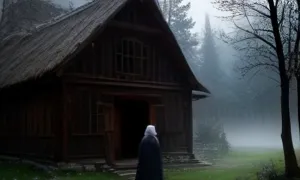
The visualisations are generated by artificial intelligence and serve as inspiration.
Photos from the area
Real photos taken near the monument


Zdroj a licence jsou uvedeny u každého snímku.
Tips from visitors
No tips yet. Be the first!
Log in and add your tip.
Sources and literature
Photos: Kirk / CC BY-SA 3.0 — Wikimedia Commons. The author and licence also appear when you hover over the image.
Faktickým podkladem tohoto textu byl článek na Wikipedii, jehož autory jsou přispěvatelé Wikipedie. Článek je dostupný pod licencí CC BY-SA 4.0.
Location on the map



Příběhy a pověsti
Legendy, pověsti a příběhy spjaté s touto památkou
Fotografie návštěvníků
Zatím žádné fotografie. Buďte první, kdo přidá fotografii z návštěvy!
Log in a přidejte svou fotografii nebo hodnoťte.
Za ověřenou návštěvu v aplikaci získáte víc bodů — poznáme podle GPS, že jste na místě.
Reviews and comments