






kaple svatého Diviše Chapel
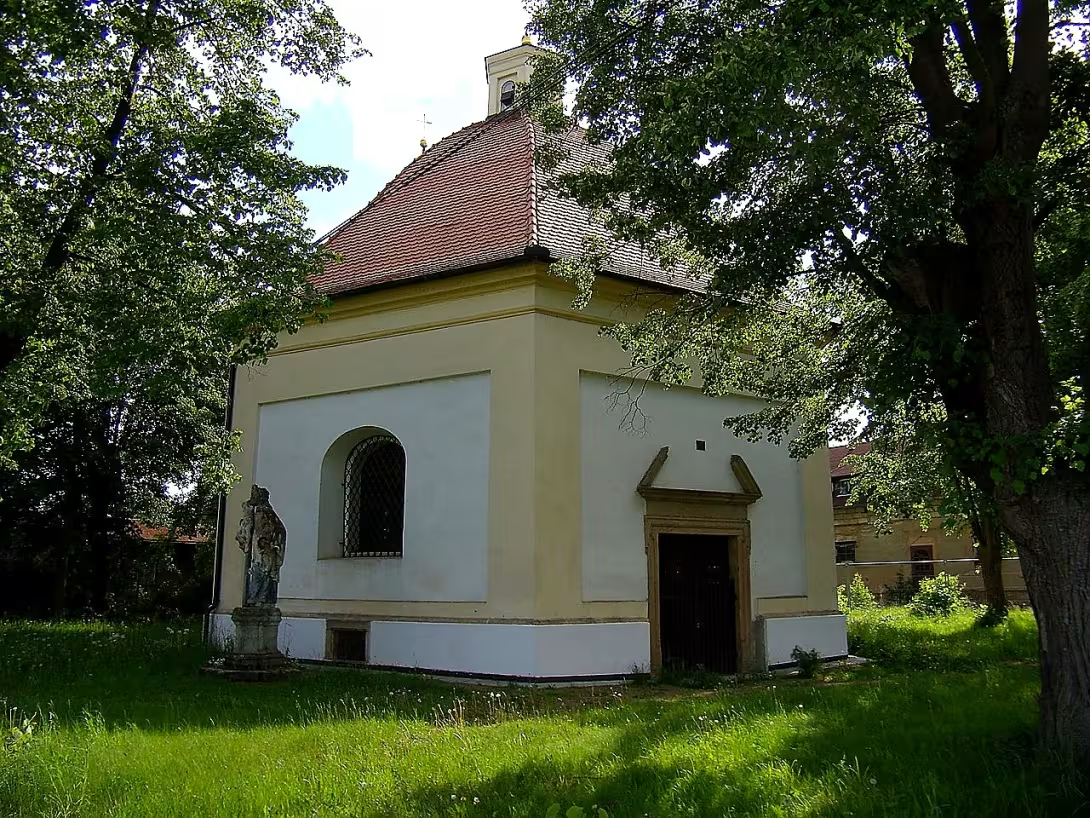
The Chapel of Saint Diviš in Hracholusky near Úlice, located in the Plzeňský kraj region of the Czech Republic, is a significant cultural monument dedicated to Saint Diviš. This Roman Catholic chapel features early Baroque architecture and underwent restoration at the beginning of the 21st century to preserve its historical essence. Notable for its hexagonal floor plan and lantern-topped roof, it reflects both religious devotion and architectural ingenuity from its era.
The origins of the Chapel trace back to the late 17th century when knight Diviš Protiva Černín z Chudenic initially intended to establish it. However, his death in 1674 delayed the project until Vilém Leopold z Říčan sought and received authorization for its construction on March 18, 1681. The chapel was completed in 1862, marking a significant period of religious and cultural development within Bohemia, then part of the Habsburg Monarchy.
Architecturally, the Chapel is characterized by its early Baroque style, featuring a hexagonal plan and a lantern-topped roof. It includes an attached tower with a sacristy at ground level, adding to its distinctive structure. The chapel's design reflects the dramatic artistic expressions typical of the Baroque period in Europe.
Ownership and maintenance of the chapel passed through various hands over time. After Vilém Leopold z Říčan initiated its construction, Jan Albert Vidršpergár z Vidršperku commissioned frescoes depicting scenes from the lives of Jesus and Mary in 1735. Later, the Vančurovi couple from Řehnic contributed by purchasing an organ for the chapel and having family crests painted. In 1883, Antonín Jaksch established a family crypt beneath the chapel, further embedding personal history into its structure.
Key events at the Chapel include the authorization of its construction in 1681 and the commissioning of frescoes in 1735. The establishment of a family crypt under the chapel by Antonín Jaksch in 1883 is another significant event. Over time, much of the original furnishings have been lost, with restoration efforts for the altar beginning in 1974 but halted due to lack of funds until resuming in 1987.
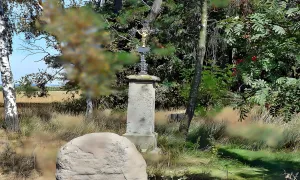
Today, the Chapel stands as a testament to its historical and cultural significance. While some original elements like the main altar and pulpit are no longer present, visitors can still appreciate the chapel's architectural beauty and its role within the local community. The nearby Baroque statue of Saint John Nepomucene from around 1740 adds to the site's charm. As a preserved cultural monument, it offers insight into the region's religious history and artistic heritage.
The Chapel of Saint Diviš is not only an important historical site but also a place that invites reflection on its enduring legacy. Visitors are encouraged to explore this remarkable chapel, appreciating its architectural features and the stories embedded within its walls.
Then and now
Drag the slider to compare how the landmark may have looked when it was built with the view today.
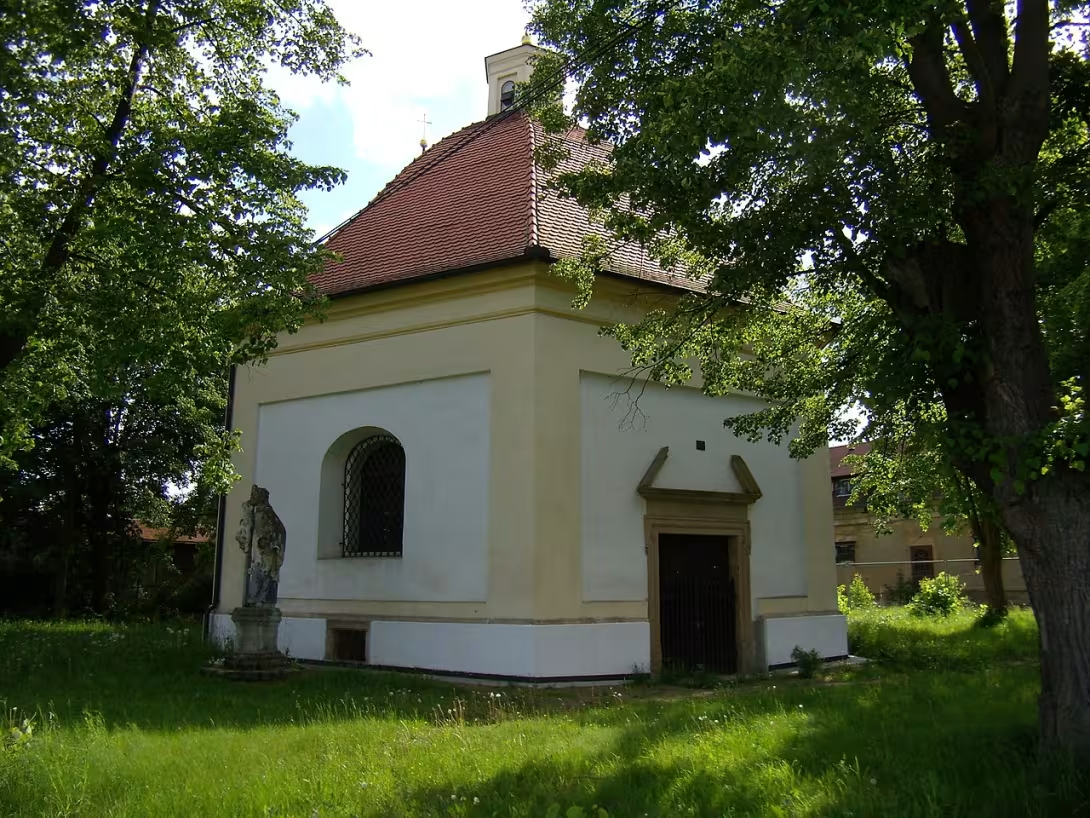
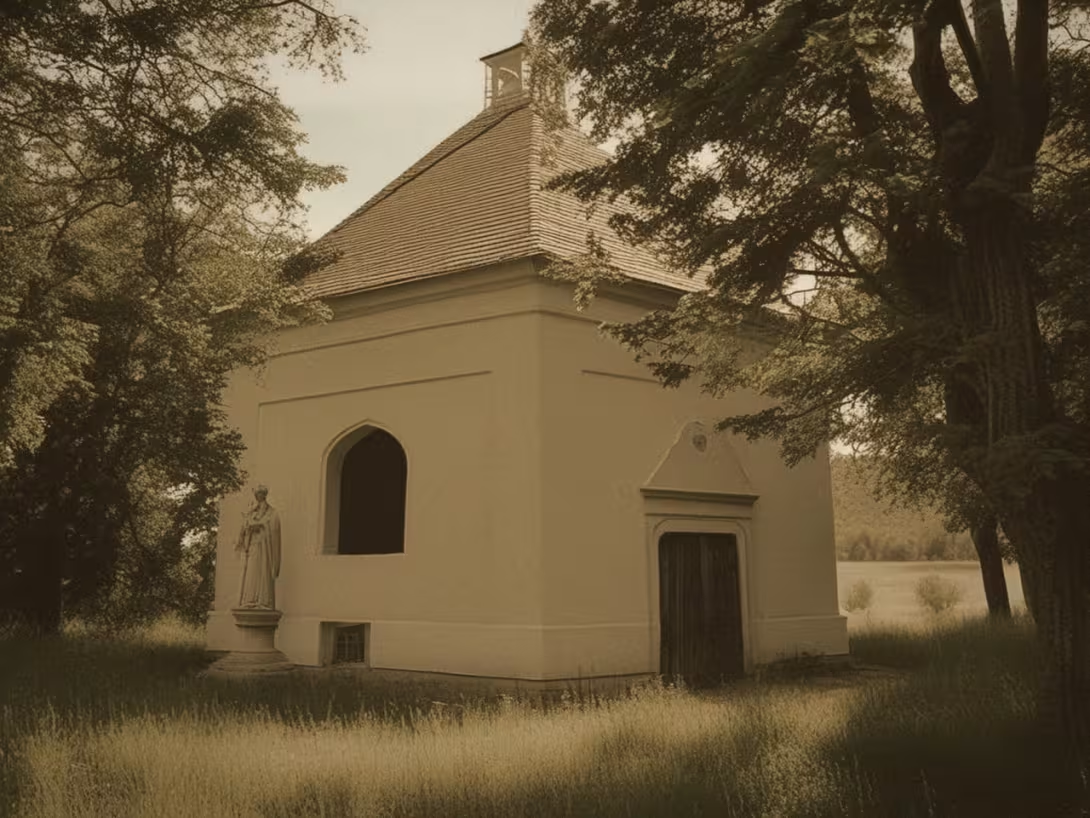
The historical appearance on the left is an AI-generated visualisation and serves as inspiration only.
Historical milestones
- 1862
- The chapel was constructed.
- 1735
- Frescoes depicting scenes from the lives of Jesus and Mary were commissioned by Jan Albert Vidršpergár z Vidršperku.
- 1883
- A family crypt was established under the chapel by Antonín Jaksch.
Architectural development
The Chapel of Saint Diviš is characterized by its early Baroque style, featuring a hexagonal plan and a lantern-topped roof. It includes an attached tower with a sacristy at ground level. The chapel underwent restoration in the early 21st century to preserve its structure.
Historical events
The chapel was authorized for construction on March 18, 1681, by Vilém Leopold z Říčan after Diviš Protiva Černín's death in 1674.
In 1735, Jan Albert Vidršpergár z Vidršperku commissioned frescoes depicting scenes from the lives of Jesus and Mary.
A family crypt was established under the chapel by Antonín Jaksch in 1883.
Owners
The chapel was initially intended by knight Diviš Protiva Černín z Chudenic but was completed in 1862 after his death. Ownership and maintenance passed through various hands including Vilém Leopold z Říčan, Jan Albert Vidršpergár z Vidršperku, the Vančurovi couple from Řehnic, and later Antonín Jaksch who established a family crypt beneath it.
Points of interest
- The Chapel of Saint Diviš was initially intended to be established by knight Diviš Protiva Černín z Chudenic in the late 17th century, but his death delayed its construction until authorization was granted to Vilém Leopold z Říčan in 1681. This delay highlights how personal circumstances could significantly impact historical projects.
- In an intriguing blend of art and patronage, Jan Albert Vidršpergár z Vidršperku commissioned frescoes for the chapel in 1735 that depicted scenes from the lives of Jesus and Mary, reflecting the era's deep religious devotion and appreciation for visual storytelling within sacred spaces.
- The Vančurovi couple from Řehnic added a personal touch to the Chapel by purchasing an organ and having family crests painted there, illustrating how local families contributed to its cultural heritage through personalized donations and artistic embellishments.
- Antonín Jaksch established a family crypt beneath the chapel in 1883, embedding his lineage into the structure's history. This act of creating a family crypt within a religious site underscores the intertwining of personal legacy with communal sacred spaces during that period.
- Despite restoration efforts beginning for the altar in 1974, they were halted due to lack of funds until resuming in 1987, demonstrating the challenges faced in preserving historical monuments and the importance of sustained financial support for cultural heritage conservation.
Guide
This guide is narrated by a synthetic voice generated by artificial intelligence.
Show guide text
This text was created by artificial intelligence and has not been editorially reviewed. It may contain inaccuracies.
Welcome to the Chapel of Saint Diviš in Hracholusky, a serene and historic gem nestled in the Plzeňský kraj region of the Czech Republic. As you stand before this cultural monument, take a moment to absorb its tranquil presence amidst lush surroundings. The chapel's distinctive hexagonal floor plan and lantern-topped roof immediately catch your eye, hinting at its early Baroque architectural style.
The story of this chapel begins with an ambitious vision from knight Diviš Protiva Černín z Chudenic in the late 17th century. However, his untimely death led to a delay until Vilém Leopold z Říčan received authorization for its construction in 1681. It wasn't until 1862 that the chapel was finally erected, thanks to the efforts of those who followed in their footsteps.
As you explore further, notice the intricate frescoes adorning the interior, commissioned by Jan Albert Vidršpergár z Vidršperku in 1735. These vibrant artworks depict scenes from the lives of Jesus and Mary, adding a rich layer of spiritual narrative to the chapel's atmosphere. The craftsmanship speaks volumes about the dedication to preserving religious artistry during that period.
Underneath this sacred space lies another intriguing chapter: a family crypt established by Antonín Jaksch in 1883. This hidden element adds depth to the chapel's history, connecting it to the personal stories of those who found solace and final rest within its walls.
A fascinating tidbit about this site is how personal circumstances shaped its timeline. The initial plans conceived by Diviš Protiva Černín z Chudenic were postponed due to his death, illustrating how individual lives can influence broader historical narratives.
As you conclude your visit, take a moment to reflect on the chapel's journey through time and the myriad stories it holds. We invite you to continue exploring Hracholusky, where each corner offers new insights into its rich cultural tapestry. Thank you for joining us in uncovering the history of this remarkable place. Safe travels as you discover more wonders!
Tips for visitors
The best time to visit the Chapel of Saint Diviš is during late spring or early autumn when the weather is mild, and the surrounding rural landscape is particularly beautiful with blooming flowers or changing leaves. These seasons offer pleasant temperatures for walking around the area and enjoying outdoor activities. Additionally, visiting outside peak tourist season can provide a more serene experience, allowing you to appreciate the chapel's tranquility without large crowds.
For those preferring public transport, there are options available; however, it's advisable to check current routes and schedules using an online search tool or local transportation websites to ensure smooth travel plans.
When visiting the Chapel of Saint Diviš, consider bringing comfortable walking shoes as you may want to explore the surrounding rural landscape. A hat and sunscreen can be useful during sunny days, while a light jacket is advisable for cooler mornings or evenings. Since there are no specific amenities listed nearby, carrying water and snacks might also enhance your visit.
For photography enthusiasts, early morning or late afternoon provides the best natural lighting to capture the chapel's architecture and its Baroque statue of Saint John Nepomucene. The soft light during these times can highlight the textures and details of the chapel and surrounding landscape beautifully. Additionally, consider taking photos from different angles around the chapel to showcase its serene setting within the rural Plzeňský kraj region.
Families with children will find the Chapel of Saint Diviš a peaceful spot for exploration. The nearby Baroque statue of Saint John Nepomucene can be an interesting point of interest, offering a chance to learn about local history and art in a relaxed setting. Ensure that children are accompanied at all times as the area is rural and may have uneven paths. For those interested in extending their visit, the surrounding countryside offers opportunities for nature walks or picnics within a 30-minute drive.
Frequently asked questions
Can the monument be visited?
Religious buildings are usually open mainly during services; at other times a visit is normally arranged with the parish or the operator. We have not verified specific times.
Where is the monument?
Location: Hracholusky, Plzeňský kraj. The map on this page shows the exact spot.
Why is the monument protected?
It is listed in the Central List of Cultural Monuments of the Czech Republic as a cultural monument (register no. 24885/4-1242).
Businesses nearby
Do you run a restaurant, accommodation, shop, museum, rental, wellness or other visitor service near this monument? Show yourself directly to the people heading to it — this is how they will see you in the app and on the web:
Nearby
Nearby features include a Baroque statue of Saint John Nepomucene from around 1740. The chapel is situated within a rural landscape typical of the Plzeňský kraj region.
Accommodation nearby
Trips and activities nearby
Guided tours, tickets and activities nearby from GetYourGuide
Affiliate link: if you buy from the partner, we may receive a commission. The price for you does not change.
Search tours and activities →Themed route
Thematic Tour Route: Hracholusky Chapel and Surroundings
1. Chapel of Saint Diviš - Type: Religious Site - Why Visit: The Chapel of Saint Diviš is a serene rural chapel that offers visitors a glimpse into the spiritual heritage of the Plzeňský kraj region. Its peaceful setting provides an opportunity for reflection and appreciation of its historical significance.
2. Baroque Statue of Saint John Nepomucene - Type: Sculpture - Why Visit: Located nearby, this Baroque statue from around 1740 is a remarkable piece of art that showcases the intricate craftsmanship typical of the period. It serves as a testament to the region's rich cultural history and artistic expression.
3. Rural Landscape Walk - Type: Scenic Route - Why Visit: Stroll through the surrounding rural landscape, which offers picturesque views characteristic of the Plzeňský kraj area. This walk provides an excellent opportunity to connect with nature and enjoy the tranquility of the countryside.
This route allows visitors to explore both the spiritual and artistic heritage of Hracholusky while enjoying its beautiful natural surroundings.
Seasonal recommendations
Spring: Visiting the Chapel of Saint Diviš during spring offers a unique experience as nature begins to awaken around Hracholusky. The surrounding landscape is adorned with blooming wildflowers and fresh greenery, creating a vibrant and picturesque setting. The soft sunlight bathes the chapel in warm hues, enhancing its historical charm. Springtime visitors should expect moderate crowds as people take advantage of the pleasant weather for outdoor activities. It's advisable to wear comfortable layers that can be adjusted to changing temperatures throughout the day. Early morning visits are ideal to enjoy a quieter atmosphere before larger groups arrive.
Summer: Summer is an excellent time to explore the Chapel of Saint Diviš, with long daylight hours providing ample opportunity to appreciate its architecture and serene surroundings. The lush greenery around Hracholusky is at its peak, offering a refreshing backdrop for visitors. This season often sees increased foot traffic due to school holidays and tourists exploring the Plzeň region. To avoid crowds, consider visiting in the early morning or late afternoon. Light clothing is recommended to stay comfortable during warmer days, and carrying water is essential to stay hydrated.
Autumn: Autumn brings a magical transformation to the Chapel of Saint Diviš with its stunning display of fall foliage. The changing leaves create a warm tapestry of reds, oranges, and yellows around the chapel, offering a picturesque setting for photography enthusiasts. This season generally experiences fewer visitors compared to summer, allowing for a more tranquil exploration. Cooler temperatures mean dressing in layers is wise, ensuring warmth as the day progresses into evening. Visiting during weekdays can further enhance the peaceful experience.
Winter: Winter offers a serene and contemplative atmosphere at the Chapel of Saint Diviš, with snow often blanketing Hracholusky in a quiet hush. The chapel's historical features are striking against the snowy landscape, creating a picturesque scene that is both tranquil and enchanting. This season typically sees fewer visitors, providing an intimate experience for those who brave the colder weather. It’s important to dress warmly with layers, including a hat and gloves, as temperatures can be quite low.
Visualizations and artistic views


The visualisations are generated by artificial intelligence and serve as inspiration.
Photos from the area
Real photos taken near the monument


Zdroj a licence jsou uvedeny u každého snímku.
Tips from visitors
No tips yet. Be the first!
Log in and add your tip.
Sources and literature
Photos: Krabat77 / CC BY-SA 3.0 — Wikimedia Commons. The author and licence also appear when you hover over the image.
Faktickým podkladem tohoto textu byl článek na Wikipedii, jehož autory jsou přispěvatelé Wikipedie. Článek je dostupný pod licencí CC BY-SA 4.0.
Location on the map
More monuments – Hracholusky
Show all in the municipality

Příběhy a pověsti
Legendy, pověsti a příběhy spjaté s touto památkou
Fotografie návštěvníků
Zatím žádné fotografie. Buďte první, kdo přidá fotografii z návštěvy!
Log in a přidejte svou fotografii nebo hodnoťte.
Za ověřenou návštěvu v aplikaci získáte víc bodů — poznáme podle GPS, že jste na místě.
Reviews and comments