






Kaple svatého Jana Nepomuckého (Horní Slavkov) Chapel
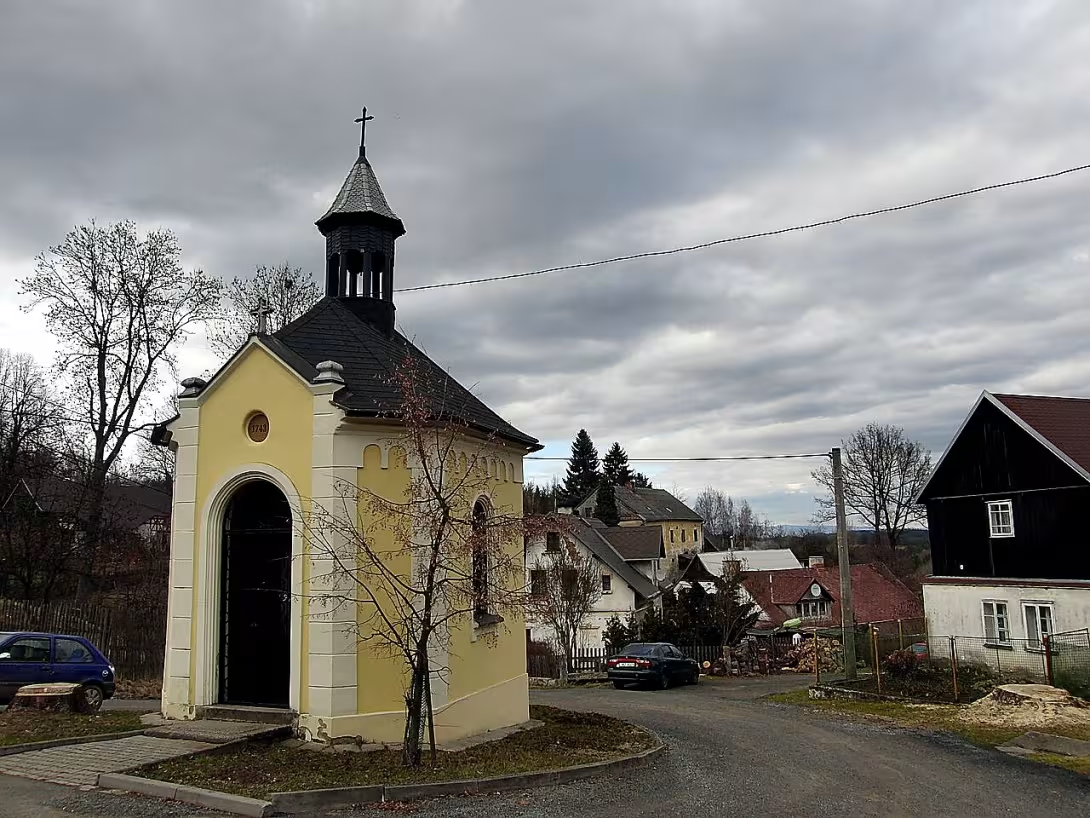
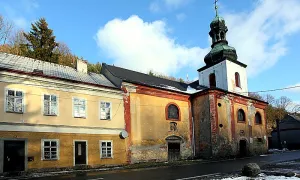
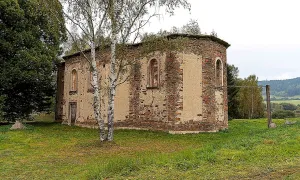
The Chapel of Saint John Nepomucene in Horní Slavkov is a small Baroque structure located in the village of Ležnice. Built in 1743 by local farmer Georg Trum, it stands on an octagonal or rectangular base with chamfered corners and features a classic Baroque bell tower covered with slates. The chapel has undergone significant changes over time, including remodeling in the Neo-Romanesque style during the late 19th century, which introduced decorative elements that altered its original appearance. Since 2003, it has been protected as a cultural monument due to its historical and architectural significance.
Constructed in 1743 by Georg Trum, the chapel reflects the Baroque style prevalent during the mid-18th century when Bohemia was part of the Habsburg Monarchy. This period saw significant religious and cultural developments influenced by the Counter-Reformation, impacting art and architecture across Europe. The chapel's construction aligns with these broader historical trends, embodying the Baroque aesthetic characteristic of much ecclesiastical architecture from that era.
Architecturally, the Chapel of Saint John Nepomucene is noted for its simplicity and elegance. Originally a Baroque structure, it features an octagonal or rectangular base with chamfered corners and a slate-covered bell tower topped with a cross. The late 19th-century remodeling introduced Neo-Romanesque elements, including decorative features that significantly altered the chapel's appearance. Inside, the chapel once housed five Baroque sculptures from the end of the 18th century, alongside an altar antependium adorned with early 19th-century amateur paintings depicting Saint John Nepomucene’s martyrdom.
Throughout its history, the chapel has experienced various changes in ownership and use. After World War II, the area saw a shift due to geological exploration for uranium mining, leading to the establishment of a nearby uranium mine and worker's camp. Despite these developments, the chapel remained central to local traditions. Notably, it hosted annual services honoring Saint John Nepomucene in May, evolving into the Ležnické dožínky festival since 2000, beginning with a morning mass at the chapel.
Today, the Chapel of Saint John Nepomucene stands as a testament to its rich history and cultural heritage. Restoration efforts have been undertaken to preserve its structure, including significant work in 1996 and again in 2001, supported by donations from local patrons. The chapel remains accessible to visitors, offering a glimpse into the architectural and historical tapestry of the region.
Visiting this charming chapel provides an opportunity to connect with the cultural and religious history of Horní Slavkov. Its preservation as a cultural monument underscores its importance, inviting those interested in architecture, history, or local traditions to explore its serene setting and appreciate its enduring legacy.
Then and now
Drag the slider to compare how the landmark may have looked when it was built with the view today.
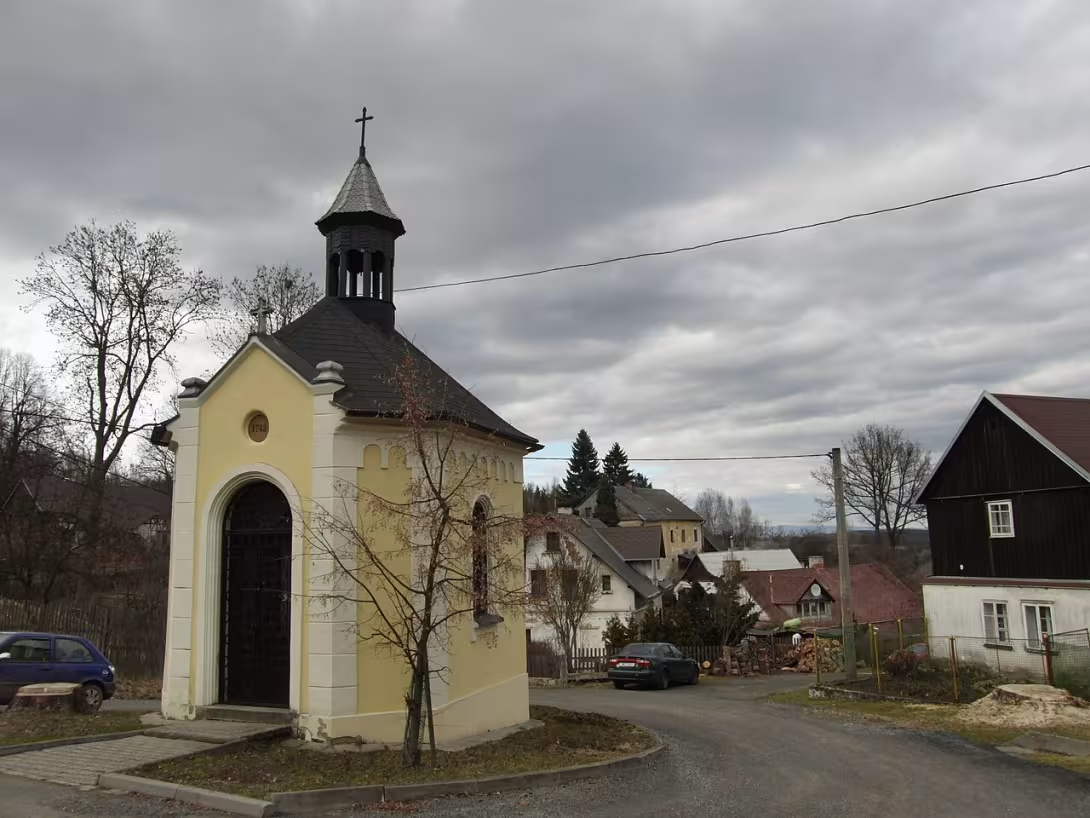
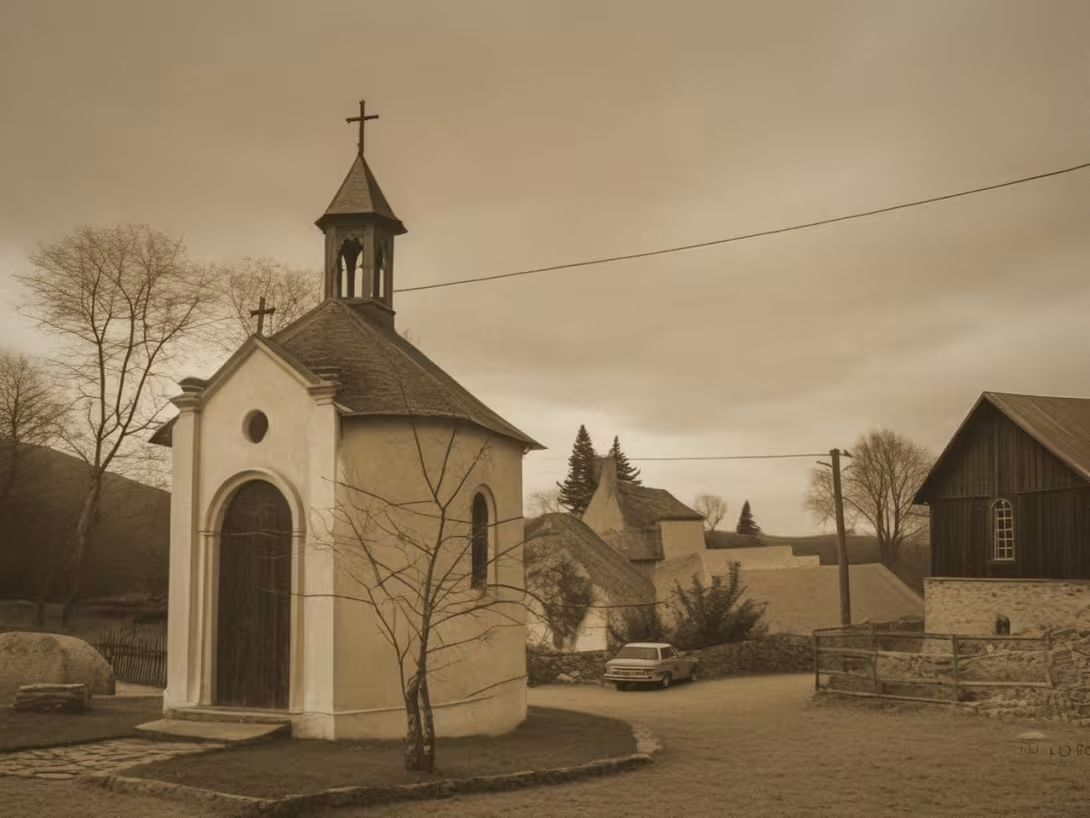
The historical appearance on the left is an AI-generated visualisation and serves as inspiration only.
Historical milestones
- 1743
- Kaple svatého Jana Nepomuckého postavena Georgem Trumem.
- konec 19. století
- Remodelace v neo-románském stylu s dekorativními prvky.
- 2003
- Kaple chráněna jako kulturní památka.
- 1996
- První významná rekonstrukce kaple.
- 2001
- Další rekonstrukční práce podporované místními patrony.
Architectural development
Originally built as a baroque chapel in 1743, it underwent significant architectural changes in the late 19th century when neo-Romanesque elements were added. The bell tower was modified during this period, and decorative features were introduced. Restoration efforts occurred in 1996 and 2001 to preserve its structure.
Historical events
In 1743, local farmer Georg Trum commissioned the construction of the chapel.
The chapel was remodeled in neo-Romanesque style during the late 19th century.
After World War II, the area experienced a shift due to geological exploration for uranium mining.
Restoration efforts took place in 1996 and again in 2001 with financial support from donors.
Points of interest
- The Chapel of Saint John Nepomucene was initially constructed by a local farmer named Georg Trum in 1743, highlighting the role of community members rather than professional architects or patrons in its creation.
- Despite being built during the Baroque period, the chapel underwent significant remodeling in the late 19th century to adopt Neo-Romanesque elements, which introduced decorative features that altered its original appearance, showcasing a blend of architectural styles over time.
- The area surrounding the chapel experienced a dramatic shift post-World War II due to geological exploration for uranium mining, leading to the establishment of a nearby uranium mine and worker's camp, reflecting how industrial developments can impact local communities and landmarks.
- The annual services honoring Saint John Nepomucene evolved into the Ležnické dožínky festival since 2000, beginning with a morning mass at the chapel, illustrating how religious traditions can transform into cultural festivals over time.
- Restoration efforts in 1996 and again in 2001 were supported by donations from local patrons, emphasizing the community's commitment to preserving their cultural heritage despite modern challenges.
Guide
This guide is narrated by a synthetic voice generated by artificial intelligence.
Show guide text
This text was created by artificial intelligence and has not been editorially reviewed. It may contain inaccuracies.
Welcome to the enchanting Chapel of Saint John Nepomucene in Horní Slavkov, a hidden gem nestled within the village of Ležnice. As you stand before this quaint structure, take a moment to absorb its serene presence—a testament to the enduring spirit and craftsmanship of the past.
Built in 1743 by Georg Trum, a local farmer, this chapel was not the product of renowned architects but rather the vision and dedication of community members like Trum. This detail alone speaks volumes about the collective effort and devotion that marked its inception during the Baroque period—a time when art and architecture flourished with dramatic expressions and intricate details.
As you gaze upon the chapel now, notice its small yet elegant baroque structure resting on an octagonal or rectangular base adorned with chamfered corners. The classic baroque bell tower, covered in slates, adds a touch of timeless grace to this historic site. Although significant changes were made in the late 19th century when it was remodeled in neo-Romanesque style, these alterations have only enriched its architectural narrative.
The chapel's history is marked by several key moments that have contributed to its preservation and significance today. In 1996, a major reconstruction breathed new life into this cherished landmark, followed by further restoration efforts in 2001, supported by local patrons who recognized the chapel’s cultural value. By 2003, it was officially protected as a cultural monument—a fitting tribute to its historical and communal importance.
Georg Trum's role as both builder and preserver of such an enduring structure is indeed remarkable. His legacy is etched into every stone of this chapel, inviting us to reflect on the stories and lives intertwined with its history.
One intriguing aspect that continues to captivate visitors is how a local farmer’s vision transformed into a lasting symbol of faith and community spirit. This narrative challenges us to appreciate not just the architectural beauty but also the human connections and aspirations it represents.
As you continue your exploration, let yourself be drawn deeper into the chapel's atmosphere—a blend of history, artistry, and devotion that transcends time. We invite you to wander around, take in every detail, and perhaps ponder on the countless stories whispered by its walls.
Thank you for joining us today at this serene sanctuary. May your visit inspire a deeper appreciation for the rich tapestry of history and culture that surrounds us. As we bid farewell, carry with you the spirit of discovery and the timeless beauty of the Chapel of Saint John Nepomucene.
Tips for visitors
The best time to visit the Chapel of Saint John Nepomucene is during late spring or early autumn when the weather is mild, making it pleasant for walking around the village square of Ležnice. During these seasons, you can enjoy the lush greenery and blooming flowers surrounding the chapel without the discomfort of summer heat or winter cold. Additionally, visiting outside peak tourist season ensures a more serene experience with fewer crowds.
Parking is available in the vicinity of the chapel, as it's situated on the village square which typically accommodates vehicles. For those preferring public transport, there are options to reach Horní Slavkov by bus or train, though specific routes should be checked prior to your visit. The area around Ležnice is accessible and provides a convenient starting point for exploring nearby cultural sites.
When planning your visit, it's advisable to bring comfortable walking shoes as you may wish to explore the surrounding rural landscape and other attractions within a 5 km radius. A camera or smartphone with a good camera will be useful for capturing the chapel’s architectural details and picturesque surroundings. Additionally, consider bringing water and snacks if you plan on spending several hours exploring.
For photography enthusiasts, early morning or late afternoon offers the best natural lighting to capture the chapel's baroque features. The gentle slope of the village square provides a unique backdrop that enhances the chapel's quaint charm. Experiment with different angles around the octagonal structure for varied perspectives and consider including elements of the surrounding landscape in your shots.
Nearby, within a 30-minute drive or walk, are other cultural sites worth visiting. These include additional historical landmarks and natural attractions that offer insight into the region’s heritage. Families with children will find these spots engaging as they often feature interactive elements or scenic areas perfect for leisurely strolls.
Businesses nearby
Do you run a restaurant, accommodation, shop, museum, rental, wellness or other visitor service near this monument? Show yourself directly to the people heading to it — this is how they will see you in the app and on the web:
Events nearby

Zdroj akcí: otevřená data měst a obcí ČR (Národní katalog otevřených dat) a kalendář akcí Národního památkového ústavu.
Nearby
The chapel is situated in a gently sloping area on the village square of Ležnice. The surrounding landscape includes typical rural features and other cultural sites within a 5 km radius.
Accommodation nearby
Trips and activities nearby
Guided tours, tickets and activities nearby from GetYourGuide
Affiliate link: if you buy from the partner, we may receive a commission. The price for you does not change.
Search tours and activities →Themed route
Thematic Walking Tour: Horní Slavkov and its Cultural Heritage
1. Kaple svatého Jana Nepomuckého (Horní Slavkov) - Chapel Begin your journey at the charming Kaple svatého Jana Nepomuckého located in the village square of Ležnice, Horní Slavkov. This exquisite Baroque chapel is a testament to the region's rich architectural heritage and offers visitors a glimpse into the spiritual history of the area. Its serene atmosphere makes it an ideal starting point for exploring the cultural treasures of Horní Slavkov.
2. Village Square of Ležnice - Cultural Hub After visiting the chapel, take a leisurely stroll around the village square of Ležnice. This central area is not only picturesque but also serves as a cultural hub where you can immerse yourself in the local way of life. The square's traditional rural setting provides an authentic backdrop to appreciate the community’s history and traditions.
3. Surrounding Rural Landscape - Scenic Exploration Venture into the gently sloping areas surrounding Ležnice for a scenic exploration of Horní Slavkov's typical rural landscape. This part of your tour allows you to connect with nature while appreciating the pastoral beauty that characterizes this region. The tranquil environment is perfect for reflection and enjoying the peaceful ambiance away from urban bustle.
4. Local Cultural Sites - Heritage Discovery Conclude your thematic walking tour by visiting other cultural sites within a 5 km radius of Ležnice. These locations offer additional insights into the area's heritage, showcasing traditional architecture and local customs. Each site enriches your understanding of Horní Slavkov’s historical significance and its enduring cultural legacy.
This itinerary provides a comprehensive exploration of Horní Slavkov, focusing on its chapel and immediate surroundings to deliver an authentic experience steeped in history and culture.
Seasonal recommendations
Spring: Visiting the Chapel of Saint John Nepomucene during spring offers a unique experience as nature begins to awaken around Horní Slavkov. The blooming wildflowers and fresh greenery create a vibrant backdrop, enhancing the chapel's serene atmosphere. This time of year is ideal for photography enthusiasts who can capture the interplay of light filtering through budding trees onto the historic structure. Visitors should expect mild weather but be prepared with layers as temperatures can fluctuate. Early mornings are often quieter, providing a peaceful opportunity to explore without crowds.
Summer: Summer at the Chapel of Saint John Nepomucene is marked by lush landscapes and long daylight hours, making it perfect for leisurely visits. The warm weather draws both locals and tourists, so expect larger groups during peak times such as midday. To fully enjoy your visit, consider arriving early in the morning or later in the afternoon to avoid the heat and crowds. Light clothing is recommended, along with sun protection like hats and sunscreen. Summer evenings can be particularly enchanting, with the chapel bathed in golden light, offering a magical atmosphere for those who linger.
Autumn: Autumn brings a spectacular display of colors as the leaves around Horní Slavkov turn into rich hues of red, orange, and yellow, providing an idyllic setting for visiting the Chapel of Saint John Nepomucene. The cooler temperatures make it comfortable to stroll through the surrounding area, enjoying the crisp air and scenic views. This season is excellent for those who appreciate nature photography or simply want a tranquil experience. Visitors should dress in warm layers as the weather can be unpredictable, with occasional chilly winds.
Winter: Winter transforms the Chapel of Saint John Nepomucene into a picturesque scene straight out of a fairy tale, with snow-covered grounds and frosty air adding to its charm. The shorter days mean that visits are best planned for early morning or late afternoon when there is still some daylight. Due to the cold, it's essential to wear warm clothing, including coats, hats, gloves, and boots. The chapel might have limited hours during this season, so checking in advance is advisable. Despite fewer visitors, the winter atmosphere offers a unique opportunity for quiet reflection amidst the serene beauty of the snow-laden landscape.
Visualizations and artistic views


The visualisations are generated by artificial intelligence and serve as inspiration.
Photos from the area
Real photos taken near the monument


Zdroj a licence jsou uvedeny u každého snímku.
Tips from visitors
No tips yet. Be the first!
Log in and add your tip.
Sources and literature
Fotografie: Mejdlowiki / CC BY-SA 3.0 — Wikimedia Commons. The author and licence also appear when you hover over the image.
Faktickým podkladem tohoto textu byl článek na Wikipedii, jehož autory jsou přispěvatelé Wikipedie. Článek je dostupný pod licencí CC BY-SA 4.0.
Location on the map
Příběhy a pověsti
Legendy, pověsti a příběhy spjaté s touto památkou
Příběh: Kaple svatého Jana Nepomuckého (Horní Slavkov)
Bylo to v pondělí ráno, kdy Mikuláš zjistil, že jeho život byl bezmocný proti neúprosnému osudu. Klesajícími paprsky slunce, které se přelily skrz nahoře roz…
Číst příběh
Pověst: Kaple svatého Jana Nepomuckého (Horní Slavkov)
Podle místní pověsti, která se v Ležnici šířila od generace ke generaci, nestál za vznikem kapličky ani zbožný šlechtic, ani bohatý měšťan, ale prostý rolník…
Číst příběhFotografie návštěvníků
Zatím žádné fotografie. Buďte první, kdo přidá fotografii z návštěvy!
Přihlaste se a přidejte svou fotografii nebo hodnoťte.
Za ověřenou návštěvu v aplikaci získáte víc bodů — poznáme podle GPS, že jste na místě.
Reviews and comments