



Kaple svatého Jana Nepomuckého (Stáj) Chapel
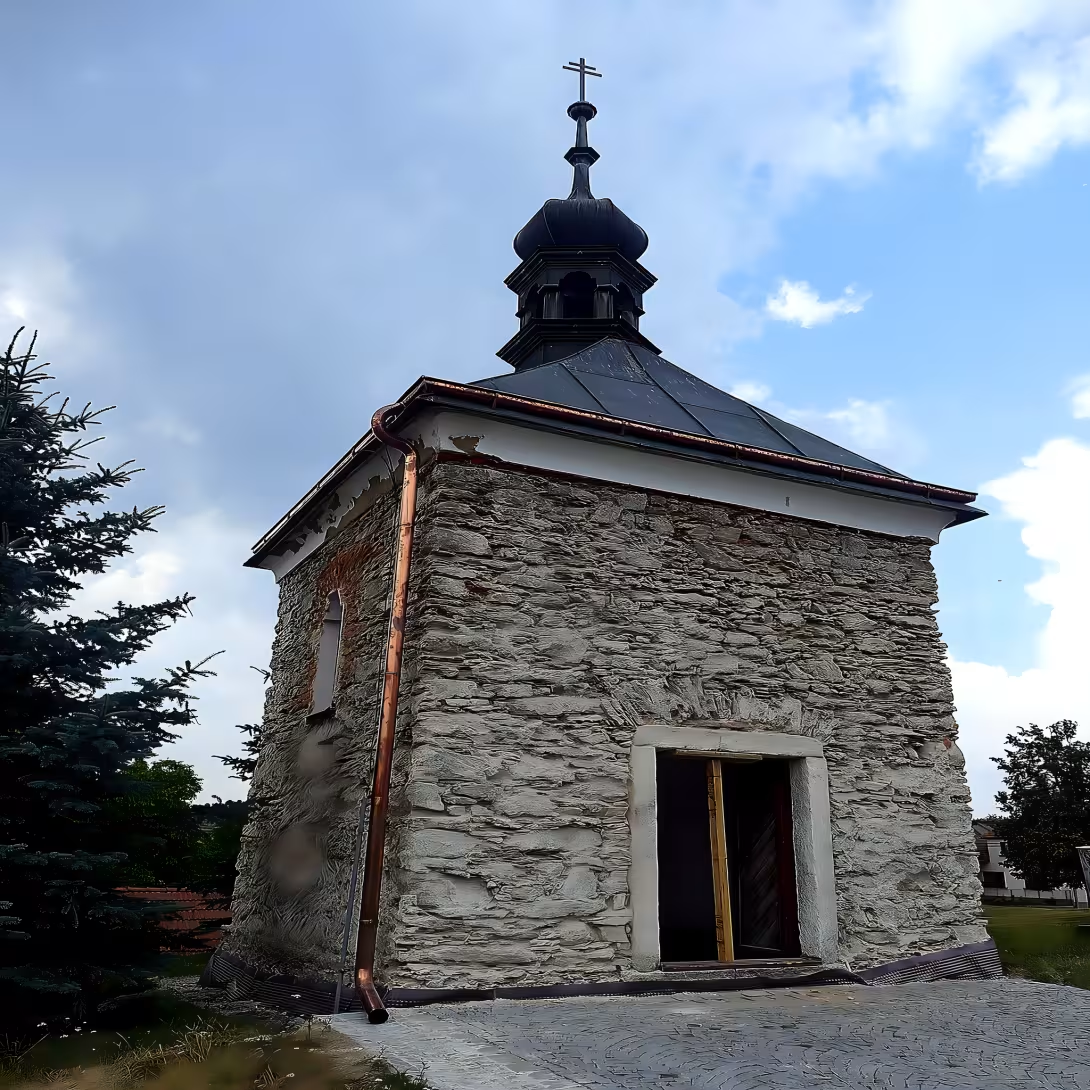
The chapel of St. John Nepomuk was established in 1808 on the site of the original wooden bell tower on the low surface in the middle of the village Stáj. It was dedicated to its appointed patron and built in a late Baroque style. In 1972, the State entered it in the list of protected properties under 41009 / 7-5214.
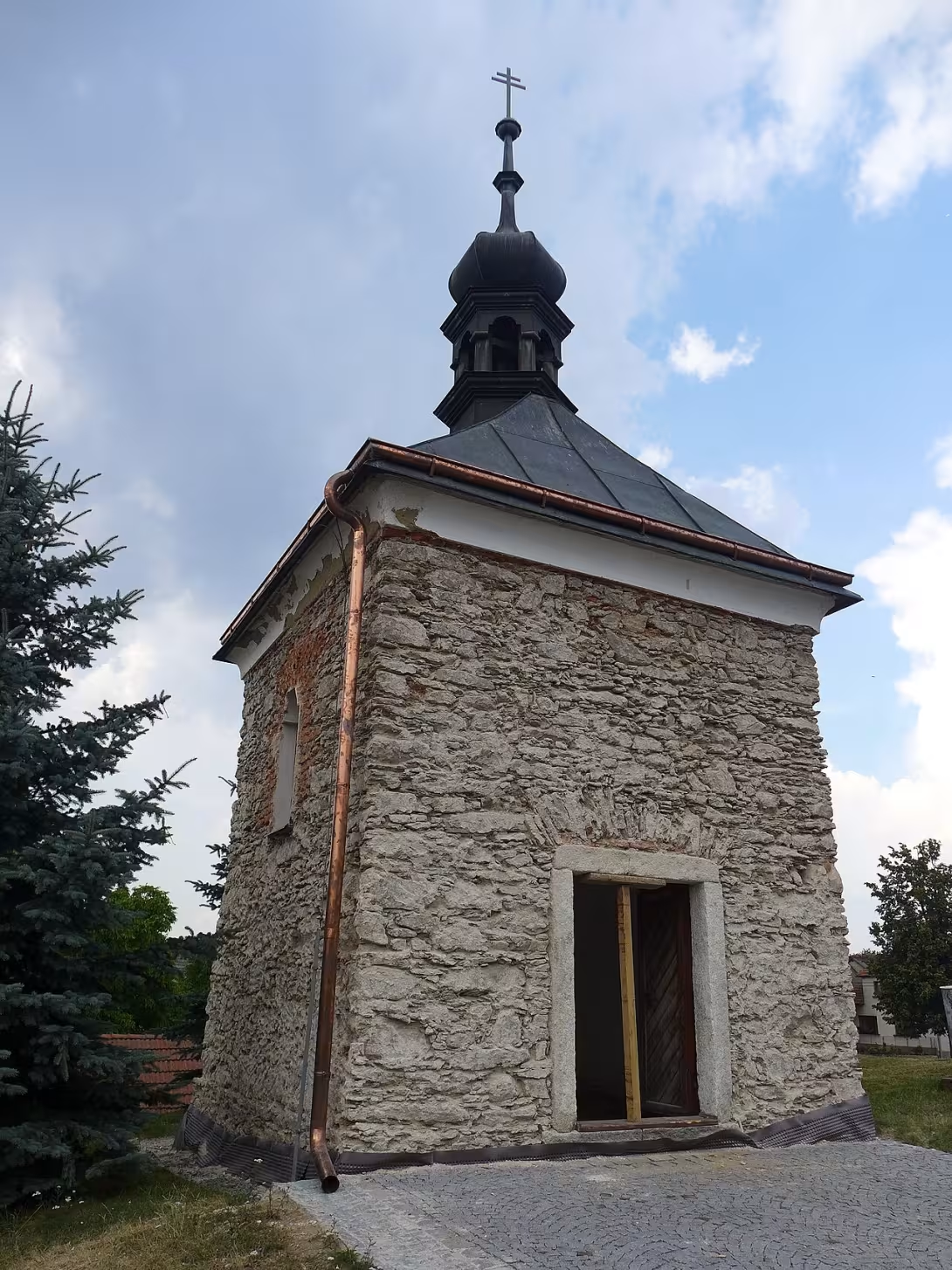
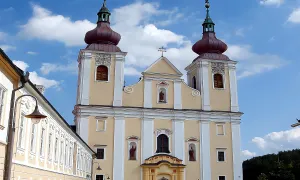
The architecture of the chapel corresponds to its role and its epoch. The building has a square plan and stands on low suspicion. The facade divides the corner lizens and simple main rims. The entrance in the front axis is right-angled and also equipped with lisenas. The roof consists of a four-sided needle passing in a polygonal lantern with a beating and a cross, which makes a characteristic silhouette visible from a distance. There is a window in the side wall with a segmental wedge.
The interior tells us about the communal godliness. On the altar side there are two pilasters with stucco heads. The vault of the chapel consists of a Czech badge with a plastic mirror and stucco. The main altar is decorated with a picture of St. John Nepomuk, several other paintings hanging on the walls.
The richest story has her bell. The original bell tower from 1752 weighing 20 kilograms marked "S.Maria ora pro nobis - In Brunn 1752" was a shell in Brno. The war recited it in 1918. In 1920 came a steel bell, which was replaced in 1929 by a sound from the Brno company Manoušek, weighing 12 kilograms - a gift from three local priests. Even the Second World War in April 1942 took. The bell from 1920 came back as a replacement. It lasted until 2003, when the workshop Marie Tomáškové-Dytrych in Brod u Přerov created a new bell weighing 22 kilograms. On 17 May 2003, it was consecrated by the Bishop of Brno, Vojtěch Cikrle.
The chapel was repaired in 1985, 1999 and 2001. Today he stands in good condition as a silent witness to the history of the village.
Then and now
Drag the slider to compare how the landmark may have looked when it was built with the view today.
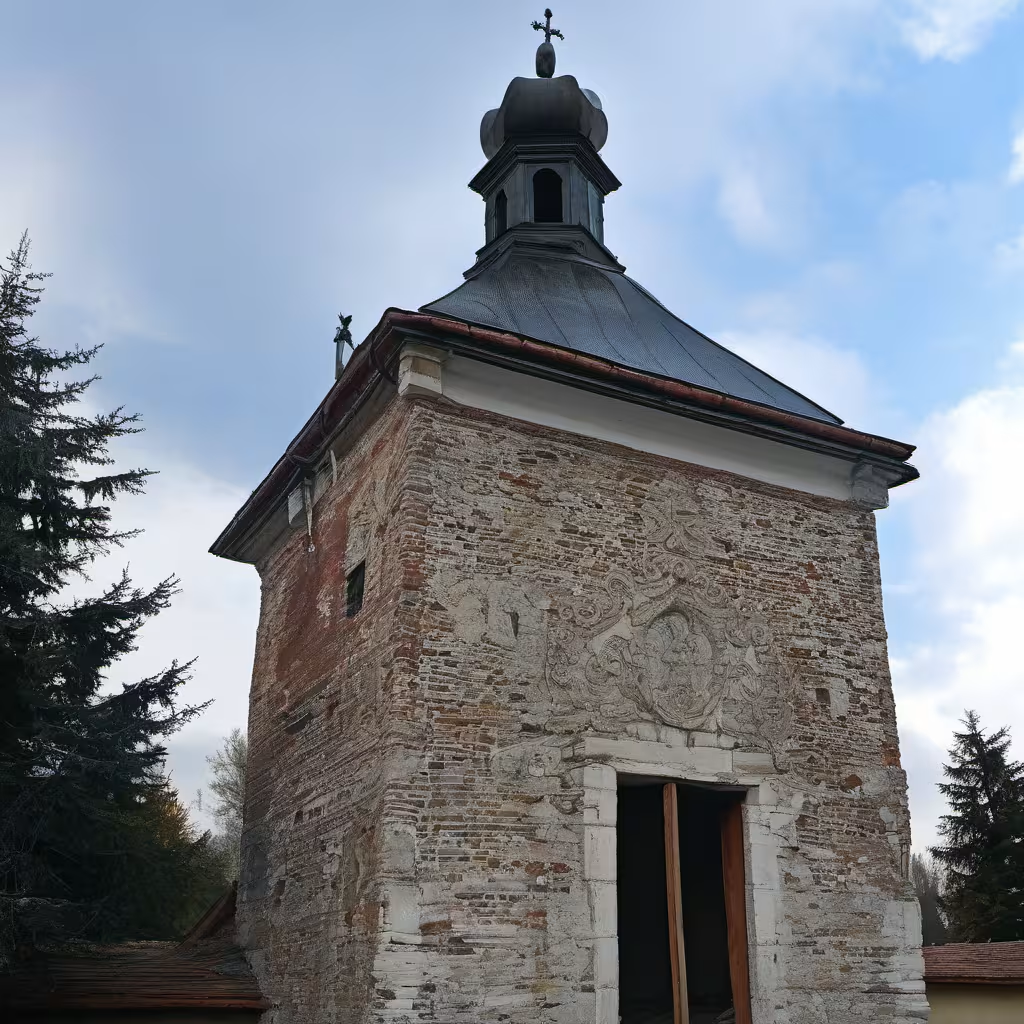
The historical appearance on the left is an AI-generated visualisation and serves as inspiration only.
Historical milestones
- 1752
- The original wooden bell tower carried a bell in Brno.
- 1920
- A new steel bell.
- 2003
- The new bell was sanctified by the Bishop Msgr of Brno. Vojtěch Cikrle.
Architectural development
The chapel was built on the site of the original wooden bells. Its structure is walled, plastered and square floor plan with corner lizens and tent roof ended with lantern. The interior includes two pilasters with stucco heads, a vault in the form of a Czech plaque and an altar painting of St. John Nepomuk.
Historical events
- 1972
- The chapel was listed in the state list of cultural monuments.
- 1985
- Repair and reconstruction of the chapel.
- 1999
- Another phase of repairs and reconstruction of the chapel.
- 2001
- Last known phase of repairs and reconstruction of the chapel.
Points of interest
- St. John Nepomuk's chapel was built in 1808 on the site of the original wooden bell tower. - In 1972 the chapel was entered in the list of protected properties under the number 41009 / 7-5214. - The chapel has a late Baroque architecture with a square plan and a characteristic silhouette of the roof visible from a distance. The richest story of the chapel is her bell, which has passed generations. The last bell was created in 2003 and consecrated by Bishop Vojtěch Cikrl of Brno. - The chapel was repaired in 1985, 1999 and 2001.
Guide
This guide is narrated by a synthetic voice generated by artificial intelligence.
Show guide text
This text was created by artificial intelligence and has not been editorially reviewed. It may contain inaccuracies.
The Chapel of Saint John of Nepomuk stands in the middle of the village square of Stáj in the Jihlava district. It was built in 1808 and has been listed as a cultural monument since 1972.
The chapel was created in the late Baroque style on a low hillock. There used to be a wooden bell tower here, which it replaced. Repairs and reconstructions took place in 1985, 1999, and 2001.
It is a freestanding brick structure with rendered facade built on a square floor plan, set on a low stone foundation. The facade is articulated by corner pilasters and a simple main cornice. In the side wall there is one window with a segmental arch. In the entrance façade, also decorated with pilasters, a rectangular entrance is opened in the center. The roof is formed by a four-sided pyramid. This transitions into a many-sided lantern, which is closed by a cupola with a finial and a cross.
Inside, two pilasters with stucco capitals stand on the altar side. The vault is a Czech barrel vault with a central panel and stucco decoration. A painting of Saint John of Nepomuk hangs on the main altar, and there are several other paintings on the walls.
The bells have an interesting history. The original wooden bell tower had a bell from 1752, which was moved into the chapel after it was built. It was cast in Brno, weighed 20 kilograms, and bore a Latin inscription with a prayer to the Holy Mary and information about Brno and the year 1752. During the First World War it was requisitioned.
In 1920, the parish acquired a steel bell, and in 1929 a new one was added, cast in the bell foundry of Manoušek in Brno. It weighed 12 kilograms and was donated by three priests who were natives of Stáj. This bell was also requisitioned on April 18, 1942. The steel bell from 1920 took its place and served until 2003.
It was then replaced by a new bell from the workshop of Marie Tomášková-Dytrychová in Brodek u Přerova. It weighs 22 kilograms and is tuned to the note e3. It was blessed on May 17, 2003 by the Brno diocesan bishop Vojtěch Cikrle.
Tips for visitors
The best time to visit St. John Nepomuk's Chapel is from spring to autumn, when the views from the surrounding terraces are best visible and vegetation is in full glory. This time of year also offers more pleasant weather for a long walk around the chapel.
Transportation to the chapel is comfortable and allows easy access to the monument.
When visiting, you should bring protective clothing because the weather in the Highlands can be irregular. Fill your inventory with a drinking water belt and perhaps some umbrella or umbrella to prepare for various weather conditions. Also remember to bring a camera to capture beautiful views.
Photography of the chapel offers the best possibilities of terraces around the village, especially at noon when light is brighter and less shadows. Morning or evening hours are also ideal for capturing atmospheric images with long exposures. For families with children, the chapel is interesting not only by its architecture, but also by the opportunity for short sightseeing walks in the surrounding countryside.
Frequently asked questions
Can the monument be visited?
Religious buildings are usually open mainly during services; at other times a visit is normally arranged with the parish or the operator. We have not verified specific times.
Where is the monument?
Location: Stáj, Kraj Vysočina. The map on this page shows the exact spot.
Why is the monument protected?
It is listed in the Central List of Cultural Monuments of the Czech Republic as a cultural monument (register no. 41009/7-5214).
For kids
Imagine going back 218 years to a small village near Prague. This is Stáj, a small farm where humans and animals lived. It was the only street in the village, and all the houses were wooden or brick.
The chapel of St. John Nepomuk was built in 1808 and was the first stone state in the village. Imagine how people gathered to build a new chapel. They were stonemakers, carpenters, masons... They all worked together to build a beautiful chapel.
Businesses nearby
Do you run a restaurant, accommodation, shop, museum, rental, wellness or other visitor service near this monument? Show yourself directly to the people heading to it — this is how they will see you in the app and on the web:
Nearby
The chapel is located nearby.
Accommodation nearby
Themed route
Since the entry is empty, it is necessary to observe the principle that the route must take place exclusively within the monument itself and its immediate area. So I can't propose a trip to the surrounding villages, to the chateaux or to nature, because it would be fictional goals. Below is a thematic route focused on detailed examination of the chapel and its immediate surroundings in the village Stáj.
Chapel of St. John of Nepomuk (main destination) This sacral object is the heart of the entire route. It is worth visiting for its architectural value and spiritual atmosphere, which reflects local traditions and beliefs of the inhabitants of Stáje. Note the details of the facade and the interior decoration, which tell the story of the place.
Tanks and access path The immediate surroundings of the chapel form a peaceful space for reflection. Walk along this path allows you to see the history of settlement and understand how the chapel was integrated into the structure of the village. It is an ideal place for a short break and putting peace before the next sequel.
Ambient building of the village Stáj Although there are no specific other monuments in the entry, the immediate area includes the immediate surroundings of the chapel within the village. A tour of the local houses and alleys provides context to life in this part of the Jihlava district. This allows us to understand the connection between sacral architecture and the everyday life of local people.
Outlook points in immediate surroundings A view of the surrounding landscape is opened from the chapel. Although we cannot design specific natural formations outside the given limits, the chapel itself serves as a point from which to admire the quiet landscape of the Highlands. This view complements the experience of visiting the sacral object and strengthens the sense of connection to the site.
This route is designed as intimate and focused on detail. It focuses on the chapel itself and its immediate surroundings, which corresponds to the entry with an empty field for the surroundings. This gives the visitor a deeper insight into the history and atmosphere of a particular place without having to leave the immediate site of the monument. It is the ideal choice for those who are looking for peace and authentic experience from a smaller sacral object in the Highlands.
Seasonal recommendations
Spring: In the spring period of St. John Nepomucký Chapel offers visitors an unforgettable view of the flowering surrounding landscape. The sun rays especially decorate stone facades and trees in the surrounding area, making them an ideal place for photography. The atmosphere is calm and welcoming, allowing relaxed walks along the paths around the chapel. We recommend to visit on Tuesday or Wednesday when there are fewer people, and dress up in appropriate clothes - a warm jacket for a cooler morning with the possibility of handling it at noon. Remember to take the camera because spring offers great opportunities for beautiful pictures.
Summer: The summer of the Chapel of St. John of Nepomuk attracts visitors with its lively and full energy atmosphere. The sunny days bring warm rays that illuminate the chapel and surrounding landscape in the most beautiful colors. This season is ideal for family visits - children can enjoy the experience of history and play in green meadows around the chapel. We recommend visiting in the early afternoon when the temperature is lighter and the crowds are not so dense. Don't forget to wear sunglasses, a protective tie and enough drinking connection.
Autumn: In autumn, the Chapel of St. John of Nepomuk offers visitors a view of coloured tree leaves that create a beautiful and melancholic atmosphere. The sunny days are warm, but in cold nights the climate changes and offers a different view of history. This season is ideal for quiet tours without too many crowds. We recommend to visit on Friday or Saturday when people are often busy working, and dress up in layered clothes - a warm sweater on a cold morning with the possibility of handling it at noon. Remember to take the camera because autumn offers the most beautiful pictures.
Winter: The winter visit of St. John of Nepomuk Chapel brings a unique atmosphere - the chapel is surrounded by peace and quiet, which is enriched with freezing colours. Sun days light up stone walls and create a sense of historical depth, while cold evenings offer a view of the chapel under the snow cover. This season is ideal for peaceful visits in a beautiful, freezing climate. We recommend visiting on Tuesday or Wednesday when people are often busy working, and wearing warm clothes - long jacket with leather gloves.
Visualizations and artistic views


The visualisations are generated by artificial intelligence and serve as inspiration.
Atmosphere of the place
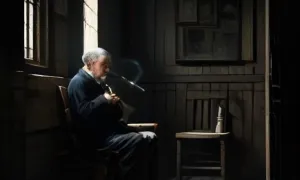
This atmospheric visualisation of the place and period was generated by artificial intelligence. It is not real footage of the location.
Tips from visitors
No tips yet. Be the first!
Log in and add your tip.
Sources and literature
Photos: Koutne1 / CC BY-SA 4.0, rozlišení zvýšeno umělou inteligencí — Wikimedia Commons. The author and licence also appear when you hover over the image.
Faktickým podkladem tohoto textu byl článek na Wikipedii, jehož autory jsou přispěvatelé Wikipedie. Článek je dostupný pod licencí CC BY-SA 4.0.
Location on the map

Příběhy a pověsti
Legendy, pověsti a příběhy spjaté s touto památkou
Fotografie návštěvníků
Zatím žádné fotografie. Buďte první, kdo přidá fotografii z návštěvy!
Log in a přidejte svou fotografii nebo hodnoťte.
Za ověřenou návštěvu v aplikaci získáte víc bodů — poznáme podle GPS, že jste na místě.
Reviews and comments