






Kaple svatého Jana Nepomuckého u Horní brány Chapel
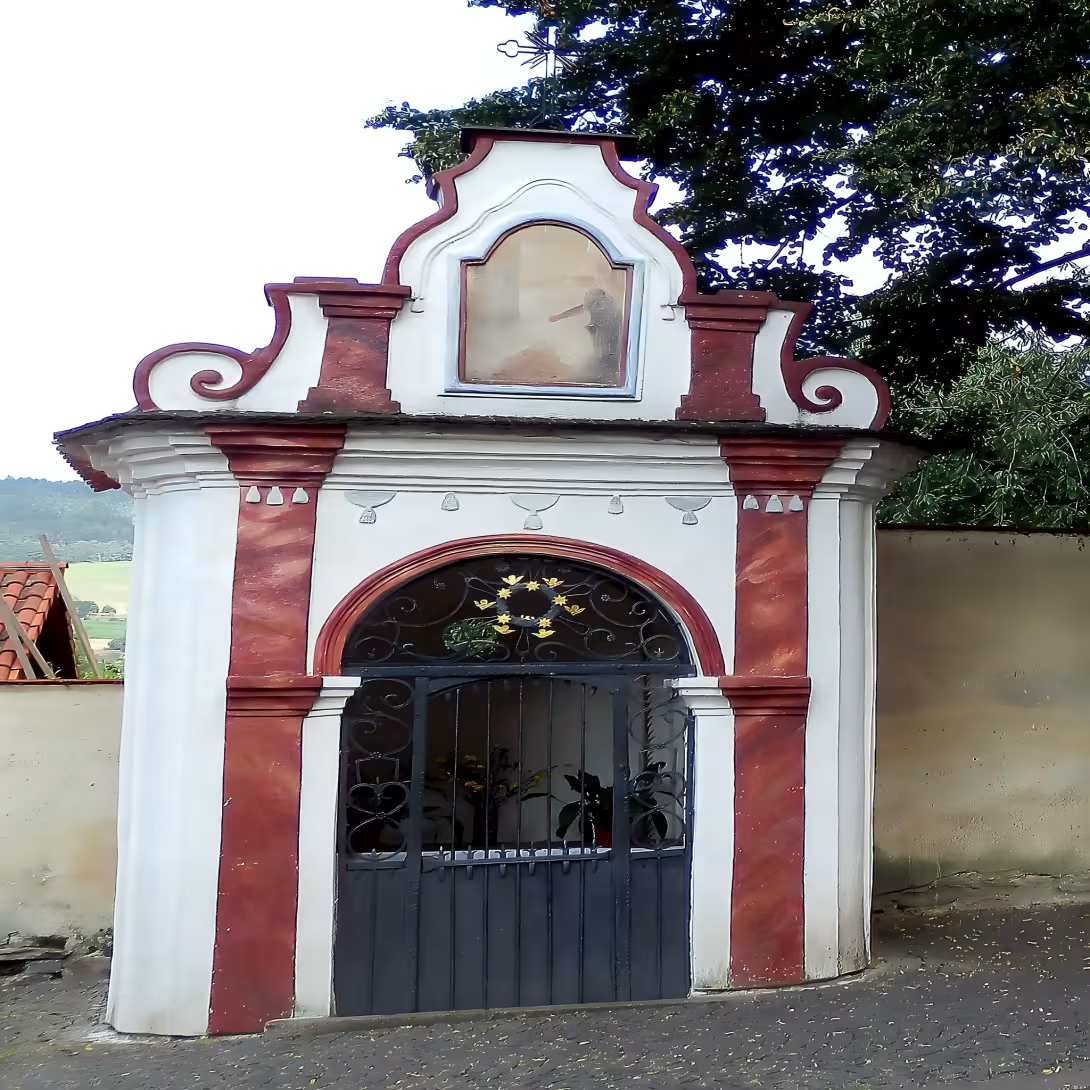
The Chapel of St. John Nepomuk is located in Prachatice at the intersection of three streets - Salt, Chateau and Golden Trail - in the direct vicinity of the Chapel of St. Anthony of Paduan. Both buildings guard the entrance to the medieval fortification of the city in the forefront of the so-called Upper Gate, also known as the Gate of Pasovská. Their position is not random; They stood here as victorious monsters of faith for travelers who returned to the city or abandoned it.
The chapel established in the first half of the 18th century is one of the leading examples of local Baroque architecture. Her bodyguard is St. John Nepomuk, patron saint of bridges, water and pilgrims - a private who, according to tradition, was the victim of persecution because of his loyalty to the confessional secret. His popularity in Czech became widespread especially in the 18th century, which is why the chapel was built.
The architecture of the chapel speaks of the years of the mature concept of the Baroque. The building has a square plan with elegantly sealed entrance. The facade is divided by a pair of pilasters on both sides, which creates the impression of grandeur. The upper part of the chapel is a shield with elegant volutes that rises above a recessed ledge. The centre of the shield occupies a stucco frame with a picture of Jan Nepomuk himself - a spiritual and literary part of the building at the same time. Part of the chapel is a semicircular niche which lights the inner space; is ended with a stylized condom and protected by a decorative metal grate, which also represents respect for the sanctity of the place.
Today the chapel stands as a silent witness for centuries. Its modest size and rich decoration show that the local believers, the patron saint of all passengers, respected and gave it adequate honor. When walking the historic Prachaticemi is a mandatory stop for anyone who wants to understand the religious life of the Czech Republic in the Baroque era.
Then and now
Drag the slider to compare how the landmark may have looked when it was built with the view today.
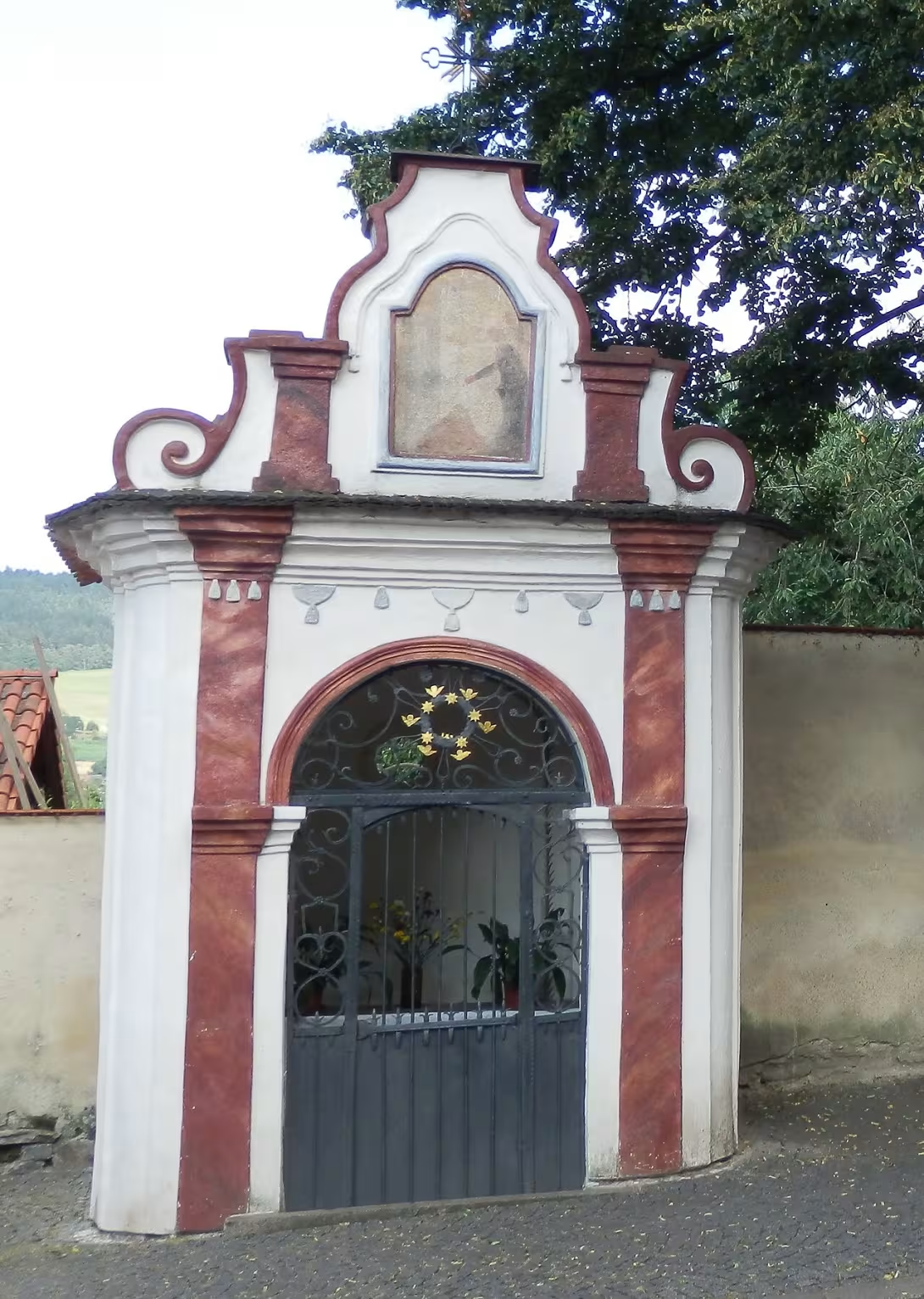
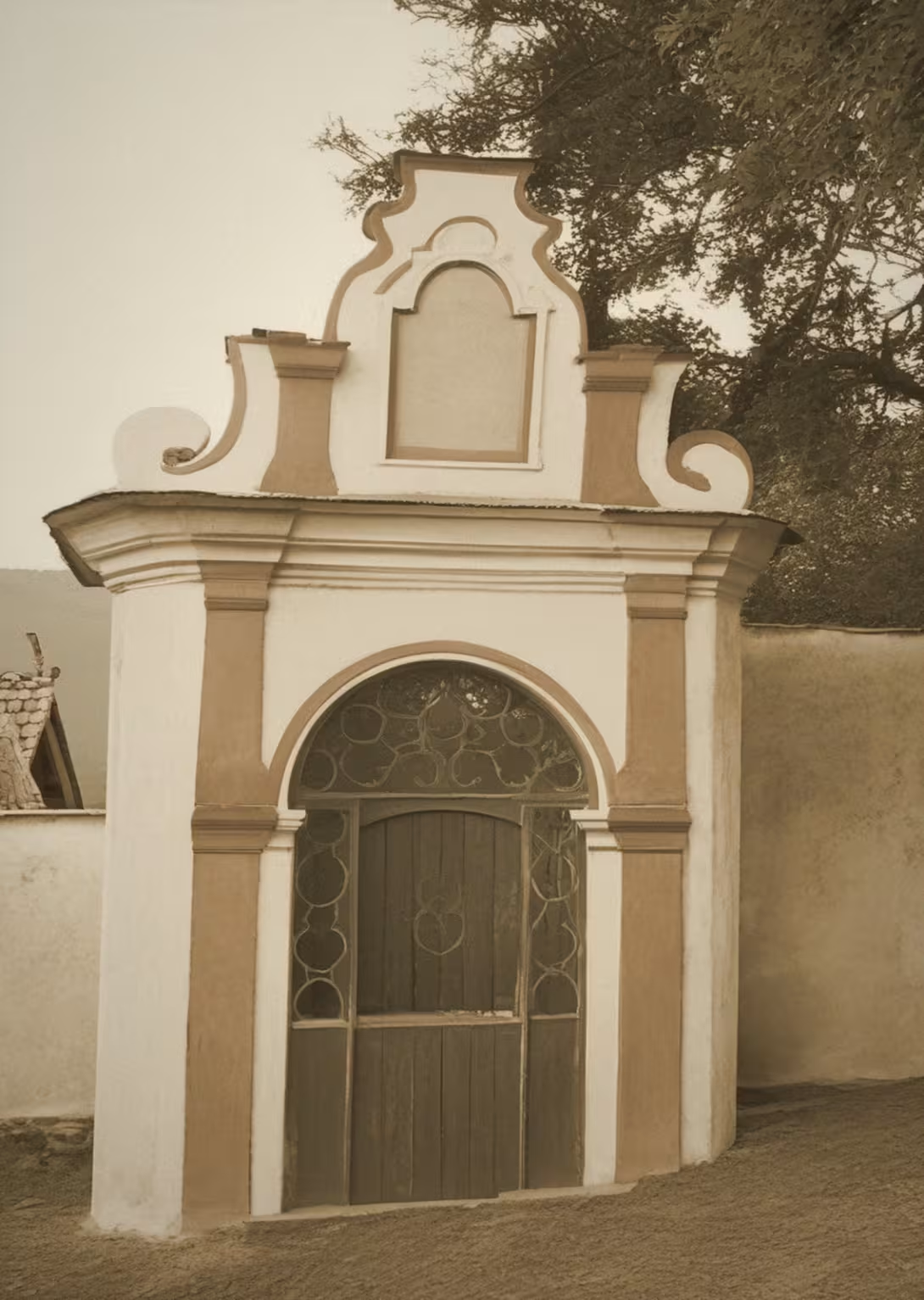
The historical appearance on the left is an AI-generated visualisation and serves as inspiration only.
Historical milestones
- 1750
- The establishment of the chapel of St. John Nepomuk in Prachatice as a Baroque building.
- Around 1350- 1400
- The position of the Upper Gate (Gate of Pasovská) as part of the medieval Prachatic fortification.
- 17th century (more precisely the first half)
- Extension of the cult of St. John Nepomuk in Czech countries, affecting the construction of chapel.
- 18th Century
- The creation of Baroque architecture in Czech countries, affecting the style of the chapel.
Architectural development
The chapel was built in the first half of the 18th century in pure Baroque style. The original construction included a square plan with a sealed entrance and a valb roof covered with bags. The facade was highlighted by pilasters and a shield with volutes typical of Baroque architecture. The interior decoration included a semi-circular niche with a metal grate and stucco frame for the statue of St. John Nepomuk.
Historical events
- 18th Century
- The creation of the chapel as part of the Baroque urban and sacral decoration of Prachatic at the time of the development of pilgrimage activity.
Points of interest
- The chapel of St. John Nepomuk stands at the crossroads of three streets - Salt, Hradec and Golden Trail - and guards the entrance to the medieval fortification of the city near the Upper Gate, also known as the Gate of Pasovská.
- It was built in the first half of the 18th century as an important example of Baroque architecture in Prachatice.
- It is dedicated to Saint Jan Nepomuk, patron saint of passengers, bridges and water, whose popularity in Czech countries has increased in this century.
- The facade of the chapel is divided by Pillasters and decorated with a stucco frame with a picture of St. John Nepomucký.
- The inner space of the chapel lights up a semi-circular niche with a condom and protected by a decorative metal grate.
Guide
This guide is narrated by a synthetic voice generated by artificial intelligence.
Show guide text
This text was created by artificial intelligence and has not been editorially reviewed. It may contain inaccuracies.
Welcome to the chapel of St. John Nepomuk at the Upper Gate!
You are standing right where three historical sections of Prachatic meet - the streets of Solí, Hradědní and Golden Path - and where you are observed by a small but important Baroque chapel. In front of you is a simple but elegant building with a square plan that looks like it's guarding the entrance to the past. Notice how her facade harmoniously inserts itself into urban space, as if it were part of a story that has been happening here for centuries.
Let's take a closer look. The chapel was established in the first half of the eighteenth century when the Baroque style developed in Czech countries. It was built as part of a pilgrimage site near the former Upper Gate, also known as the Gate of Pasovská, which stood here in the 14th century. It was part of the medieval Prachatic fortification, which protected the city from potential dangers. So the chapel stands in a place where two ages meet - the Middle Ages and the Baroque blossom.
Now pay attention to her facade. It is divided by corner pilasters, which provide strength and harmony. Above them is a shield with volutes, which are typical of baroque architecture. In its centre you will find a stucco frame with the relief of St. John Nepomuk, patron saint of this chapel. His image here reminds of his importance in the Czech countries, which was particularly widespread in the first half of the seventeenth century. Saint John Nepomucký was a favorite patron of travellers and pilgrims, so the chapel served as a place of prayer and comfort for those who came here.
The inner space of the chapel, although we cannot see it at close range today, was probably encapsulated and created a cozy and sacred environment. The Baroque architecture was characterized not only by beautiful facades but also by carefully decorated interiors. The chapel was built as an important point of the pilgrimage place, so visitors could find peace and spiritual comfort.
Now look around you. The chapel stands at the intersection of three streets, making it unique. Its location recalls that there once stood the Gate of Pasovská, which was part of the city fortification. This gate served as an entrance to the city and protected it from adverse influences. The chapel is thus located in a place where two important parts of the dusthatic history - medieval fortification and baroque pilgrimage traditions meet.
One of the most interesting things about this chapel is its connection to where it is today. It stands at the crossroads of the three streets that are connected to various parts of the dusty history. Solí Street led to salt mines, which were an important source of revenue for the city. The street of Hradec resembles medieval fortification, and the Golden Path was one of the main roads that led to the city. So the chapel stands in a place where different stories and history meet.
Although we do not know much about the chapel about its builders, or about the specific personalities that have worked here, its existence alone tells much about it. It was built as an important point of the pilgrimage place, which served as a place of prayer and comfort for pilgrims. Baroque architecture, which is manifested here, is proof of how spiritual and artistic culture in Czech countries developed in the eighteenth century.
Before leaving, take another look at the chapel. Its simple but elegant form is a perfect example of Baroque architecture. It stands here as a monument to the past, which connects the medieval fortification with the Baroque blossom. St. John Nepomuk's chapel is a small but important piece of rich history that is worth discovering and understanding.
If you like this chapel, it is certainly worth exploring other parts of Prachatic. The city offers many other historical monuments and places that allow you to immerse yourself in its rich past. Whether you go on the Golden Path, which leads to other parts of the city, or you stop at other monuments, each step brings you closer to knowing what Prachatice was like in the past.
Thank you for taking the time to visit this beautiful chapel today. May her story bring you inspiration and joy of discovering history. When you come back, I'm sure you'll see it again - every look at it can reveal new details and new stories.
Tips for visitors
The best time to visit is from 9: 00 to 17: 00, when the chapel is open and you can see its interior and exterior. Since it is a small memory, we recommend visiting it during working days to avoid sparkling operation.
For kids
Imagine going back 276 years to when the Prachatic Top Gate was the city's main center. It was an epoch full of life, work and fun. The chapel of St. John Nepomuk was not yet built, but people lived here, worked and loved.
It was like a small town with narrow streets and houses with wooden roofs. People gathered in the square where markets and fun events took place. There were forests and fields all around where grain and fruit trees were grown.
Businesses nearby
Do you run a restaurant, accommodation, shop, museum, rental, wellness or other visitor service near this monument? Show yourself directly to the people heading to it — this is how they will see you in the app and on the web:
Nearby
- Another Baroque chapel that complements the sacral ensemble at the former gate.
- Gothic-Renaissance chateau with rich history, dominant city.
Accommodation nearby
Themed route
1.Kaple svatého Jana Nepomuckého u Horní brány * Sacral landmark * - Unique Baroque Chapel at the site of the former city gate, associated with the legend of the miraculous rescue of Prachatice from the plague. Its picturesque location in the middle of the city and historical importance make it a necessary stop.
2. St. Anthony's Chapel * Baroque chapel * - Close adjacent sacral structure, which together with the chapel of St. John form a harmonious set. Its simple but charming architecture complements the atmosphere of the historical core.
3. Money Chateau * Gothic-Renaissance Fortress * - A city dominance with a rich history that offers a view of the surrounding landscape. Its strategic location and preserved architecture provide a deeper understanding of Prachatice's history.
* The route is designed as a short circuit in the center of Prachatice II, where sacral monuments and chateau complement each other. *
Seasonal recommendations
Spring St. John Nepomuk's Chapel offers a special quiet atmosphere, where the surroundings are dressed in green and sunlight illuminates the walls of the chapel with fine shadows. At this time there is also a rare possibility to observe the first flowers and green leaves that bring to the place natural poetry. The inner light of the chapel becomes even more intense when the sun returning from winter silence becomes a source of warmth and joy.
It is practically appropriate to come early in the morning before visitors begin to accumulate. Suitable clothes should be light but still warm, because even in spring days it can be cold. It is also recommended to take a small piece of tea or coffee with you, because in the chapel there is a chance to relax and enjoy the peace. The best time to visit is the prehistoric hour, where there are fewer people and nature still full of energy.
---
Summer In the main summer season, the chapel is surrounded by full life, where the surrounding area boils and the warm sun creates pleasant lighting. The inner space of the chapel becomes warmer and more pleasant, thanks to the sunlight that penetrates the glass elements. At this time there is also a chance to enjoy the cooler air, which may be pleasant for visitors who wish to relax from the hot weather.
It's practically appropriate to come to the preseason classes to avoid crowds. It is recommended to wear light but durable clothing that protects well from sunlight. It is also advisable to bring with you a small basket of water and light refreshments, because there is no possibility in the chapel to buy something on the way. The best time to visit is between 9 and 12 o'clock when there are fewer people and nature is full of energy.
---
Autumn Autumn brings the chapel a special atmosphere where the surrounding area is surrounded by a golden shine of leaves and the warm sun begins to disappear. The inner light of the chapel becomes softer thanks to the slow transition of daylight. At this time there is an opportunity to enjoy the pleasant warmth and calm that brings autumn air.
It is practically advisable to come at a time when it is still warm out, but not too hot. It is recommended to wear warm clothes with a light layer that protects against cold autumn air. It is also convenient to take with you some hot drinks such as tea or coffee that can be pleasant after a visit. The best time to visit is in the afternoon when there is a pleasant temperature outside and the chapel is less visited.
Visualizations and artistic views


The visualisations are generated by artificial intelligence and serve as inspiration.
Photos from the area
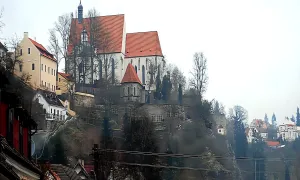
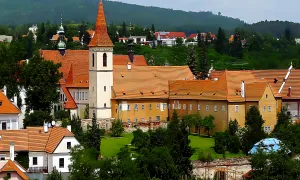
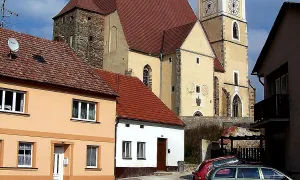
Real photos taken near the monument

Zdroj a licence jsou uvedeny u každého snímku.
Tips from visitors
No tips yet. Be the first!
Log in and add your tip.
Sources and literature
Fotografie: Isolda11 / CC BY-SA 3.0, rozlišení zvýšeno umělou inteligencí — Wikimedia Commons. The author and licence also appear when you hover over the image.
Faktickým podkladem tohoto textu byl článek na Wikipedii, jehož autory jsou přispěvatelé Wikipedie. Článek je dostupný pod licencí CC BY-SA 4.0.
Location on the map


Příběhy a pověsti
Legendy, pověsti a příběhy spjaté s touto památkou
Fotografie návštěvníků
Zatím žádné fotografie. Buďte první, kdo přidá fotografii z návštěvy!
Přihlaste se a přidejte svou fotografii nebo hodnoťte.
Za ověřenou návštěvu v aplikaci získáte víc bodů — poznáme podle GPS, že jste na místě.
Reviews and comments