



Kostel svatých Petra a Pavla (Prachatice II) Church
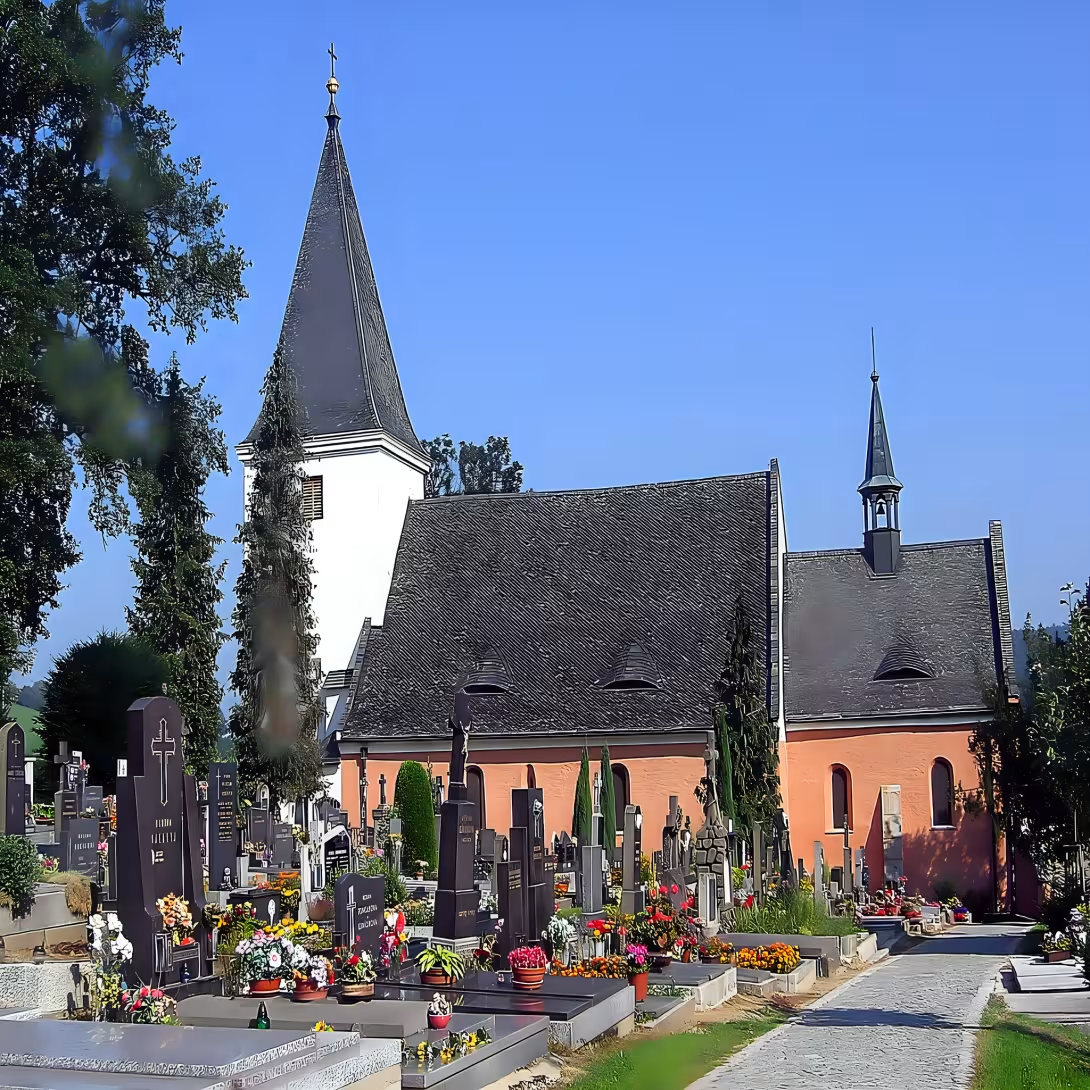
The Church of Saints Peter and Paul in Staré Prachatice is a significant cultural monument located between Prachatice and Staré Prachatice. Its historical importance stems from being one of the oldest Romanesque churches in southern and western Bohemia, dating back to the 11th or 12th century. This church highlights early Christian presence and regional ecclesiastical administration through its association with local pilgrimages on Saints Peter and Paul's feast day.
Originally constructed during the 11th or 12th century, this Romanesque chapel is among the earliest churches in the area. The Romanesque period saw significant ecclesiastical development in Bohemia, marked by the establishment of numerous churches and monasteries. This era consolidated Christian influence across Europe through architectural projects like this church. Its strategic location along the Zlatá stezka trade route further underscores its historical significance.
Architecturally, the Church began as a small Romanesque chapel. Over time, it evolved to reflect styles from Romanesque to Gothic and Baroque. In the 13th century, expansions were made to meet growing religious needs. The 16th century brought additional developments with the addition of a porch and church tower. The tower was later adorned with a Baroque cupola, while its current spire-shaped roof dates back to 1890. These changes illustrate the dynamic nature of ecclesiastical architecture over time.
The interior retains Romanesque elements such as squared stone masonry and an ancient window. Along one nave wall are tombstones belonging to Prachatice citizens and Běleč manor owners, indicating a historical connection with local nobility who likely supported the church's upkeep.
Throughout its history, the Church of Saints Peter and Paul has been central to regional religious activity. Its significance increased when it became the hřbitovní (burial) church after 1587, following the relocation of the municipal cemetery from the parish church of Saint James.
Today, the Church remains an accessible monument worth visiting for its rich historical tapestry and architectural evolution. Visitors can explore its Romanesque foundations, Gothic elements, and Baroque additions, gaining insight into the region's ecclesiastical history. This church offers a glimpse into the past while inviting reflection on the enduring legacy of faith in this part of Bohemia.
Then and now
Drag the slider to compare how the landmark may have looked when it was built with the view today.
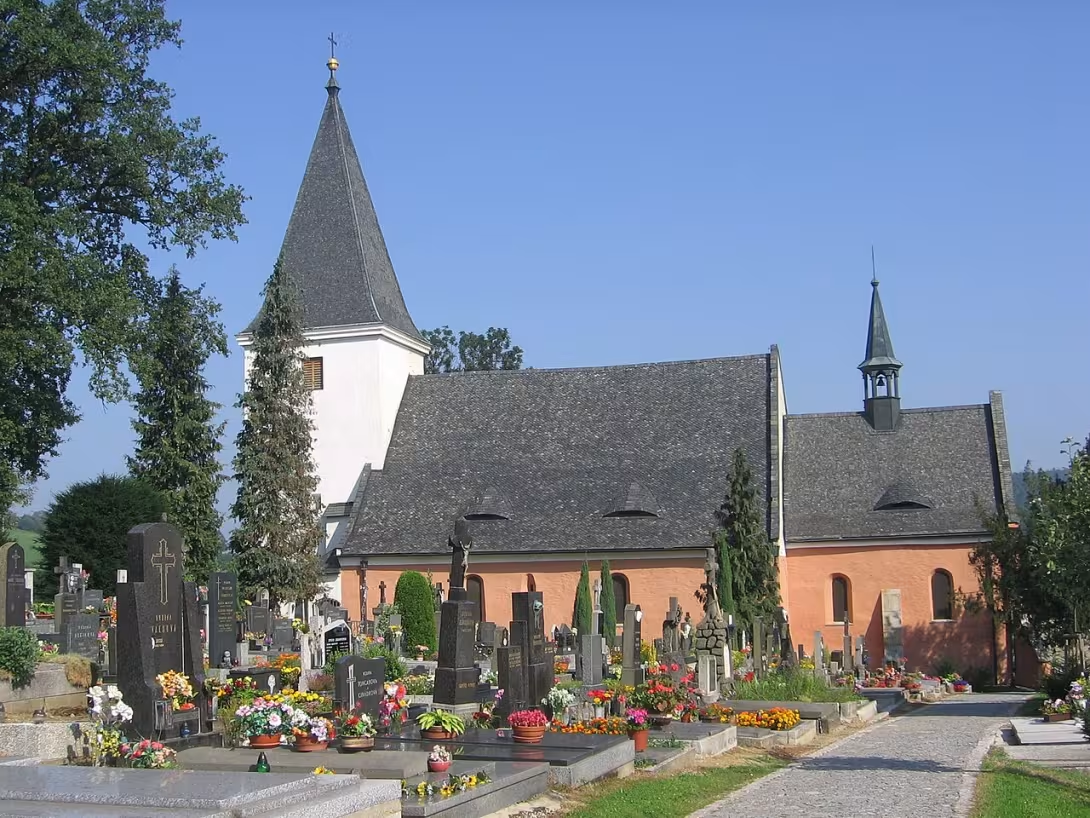

The historical appearance on the left is an AI-generated visualisation and serves as inspiration only.
Historical milestones
- 11th or 12th century
- Construction of the Romanesque chapel.
- 13th century
- Expansions made to meet growing religious needs.
- 16th century
- Addition of a porch and church tower.
- 1587
- Became the burial church after cemetery relocation.
- 1890
- Installation of current spire-shaped roof.
Architectural development
Originally a small Romanesque chapel, the Church of Saints Peter and Paul saw significant architectural developments over the centuries. In the 13th century, it was expanded, and in the 16th century, both a porch and a church tower were added. The tower received a Baroque cupola, with its current spire-shaped roof dating back to 1890. These changes reflect the evolving architectural styles from Romanesque through Gothic to Baroque.
Historical events
The original Romanesque chapel was constructed in the 11th or 12th century, making it one of the earliest churches in the area.
In the 13th century, the church underwent expansion to accommodate growing religious needs.
Points of interest
- The Church of Saints Peter and Paul is believed to have served as a spiritual waypoint for medieval traders traveling along the Zlatá stezka, or "Golden Trail," enhancing its role beyond just religious functions.
- Legend has it that during one of the local pilgrimages on Saints Peter and Paul's feast day, an apparition of Saint Peter himself appeared in the church, blessing those present with a bountiful harvest for the following year.
- A lesser-known feature within the church is a hidden alcove behind the altar, which was used by early priests to conduct secret masses during times of religious persecution in Bohemia.
- The tombstones along one nave wall are rumored to contain cryptic inscriptions that have puzzled historians; some believe these may be coded messages left by local nobility regarding undisclosed historical events or treasures.
- In the 18th century, it is said that a mysterious fire nearly destroyed the church. Miraculously, only the Baroque cupola was damaged, leading locals to view this as a divine sign of protection over their sacred site.
Guide
This guide is narrated by a synthetic voice generated by artificial intelligence.
Show guide text
This text was created by artificial intelligence and has not been editorially reviewed. It may contain inaccuracies.
Between Prachatice and Staré Prachatice, near the cemetery, stands the Church of Saints Peter and Paul. It is older than the town itself and ranks among the oldest buildings from the Romanesque period in southern and western Bohemia. Its significance is also demonstrated by the fact that the Prachatice pilgrimage is celebrated on the feast of Saints Peter and Paul, rather than on the feast of Saint James, to whom the parish church in the town is dedicated.
According to archaeological findings, the original Romanesque church was probably built in the eleventh or twelfth century. At that time, only a toll station lay in the Prachatice basin, situated on a trade route called the Golden Path. The church was most likely founded by the Vyšehrad chapter. This is suggested by the matching dates of dedication of the Prachatice church and the Vyšehrad church. In Staré Prachatice, urban settlement had been growing since the early Middle Ages, but it was moved south in the fourteenth century to the site of present-day Prachatice. Townspeople would therefore have had to leave the safety of the walls to travel to the church. For this reason, they built a new Church of Saint James the Great in the town, and the older sanctuary faded into the background.
From the original chapel, a section of ashlar stonework has survived, complete with a small window in the northern wall. In the thirteenth century, the church was enlarged. The porch and tower were added only in the sixteenth century. Baroque modifications took place in sixteen eighty-seven, seventeen fifty-three, and seventeen seventy-one. The tower originally received a Baroque dome; the current pyramidal roof dates from eighteen ninety. Today it is a single-nave early Gothic structure with a rectangular closed chancel and a sacristy on the northern side. The tower stands off-axis on the western façade, the porch is on the northern side of the nave, and on the southern side there is a sealed semicircular portal. Inside, Romanesque foundations meet with Gothic vaulting in the crypt and a Baroque ceiling.
The cemetery by the church was established before fifteen sixty-two. From fifteen eighty-seven, the town cemetery was moved here from the Church of Saint James, with further expansions in nineteen nine and nineteen twenty-nine. Along one wall of the nave stand up to two dozen tombstones of Prachatice townspeople and owners of the fortified house in Bělč. These people probably contributed to the repair of the church.
In the chancel, a wall painting of the Last Judgment dating from after fifteen oh-one was discovered. An angel with the Virgin Mary wait at the gates of heaven, which are guarded by Saint Peter, who receives souls into heaven. On the left side is hell with a winged Lucifer, three devils, and sinners who represent drunkenness, usury, and lust. In the center, an angel shows the resurrected the way to heaven or to hell. Above it all, God watches, though his figure has not yet been fully uncovered. Further medieval paintings were revealed by restorers between nineteen eighty and nineteen eighty-one.
Tips for visitors
The best time to visit the Church of Saints Peter and Paul is during late spring or early autumn when the weather is pleasant, and the crowds are thinner compared to summer months. This timing allows for a more serene experience as you explore this historic site. The natural light during these seasons enhances the beauty of the church's architecture and interior details.
Public transport is a viable option, with routes connecting the surrounding towns, though specific schedules should be verified through local transit resources.
When visiting, bring comfortable walking shoes as you may want to explore both the church and its surroundings. A camera is recommended to capture the intricate details of the architecture and the serene landscapes nearby. Additionally, carrying a light jacket can be useful as temperatures can vary throughout the day.
For photography enthusiasts, early morning or late afternoon offers the best natural lighting for capturing the Church's facade and interior. The soft light during these times accentuates the textures and colors of the building. Inside, look for angles that highlight the church’s historical features and stained glass windows.
In terms of nearby attractions within a 30-minute drive, explore Staré Prachatice itself, which offers charming streetscapes and local history to discover. For families with children, consider visiting any local parks or nature trails in the area, providing an opportunity for outdoor activities and exploration.
Frequently asked questions
Can the monument be visited?
Religious buildings are usually open mainly during services; at other times a visit is normally arranged with the parish or the operator. We have not verified specific times.
Where is the monument?
Location: Prachatice II, Jihočeský kraj. The map on this page shows the exact spot.
Why is the monument protected?
It is listed in the Central List of Cultural Monuments of the Czech Republic as a cultural monument (register no. 39227/3-3512).
Businesses nearby
Do you run a restaurant, accommodation, shop, museum, rental, wellness or other visitor service near this monument? Show yourself directly to the people heading to it — this is how they will see you in the app and on the web:
Accommodation nearby
Themed route
Tematická výletní trasa Prachatice II
1. Kostel svatých Petra a Pavla (Prachatice II) - Kostel Začněte svůj výlet u kostela svatých Petra a Pavla, který je nejenom hlavním cílem vaší trasy, ale také historickou památkou s bohatou architektonickou minulostí. Tento barokní kostel nabízí návštěvníkům krásný interiér a poutavou atmosféru, která vás přivede do minulosti.
2. Kaple svatého Jiljí (Prachatice II) - Kaple Krátce po návštěvě kostela se podíváte na kapli svatého Jiljí, která stojí za návštěvu díky svému klidnému prostředí a historickým vazbám. Tato malá kaple je ideálním místem pro odpočinek a reflektaci, zatímco si užíváte pohled na okolní krajinu.
3. Nádvoří kostela svatých Petra a Pavla - Nádvoří Po návštěvě kaple se vrátíte k kostelu, abyste prozkoumali jeho nádvoří. Toto místo je skvělým místem pro relaxaci a fotografii, zejména v příjemných poledních hodinách, kdy slunce osvětluje kostel zvláštním světlem.
4. Věž kostela svatých Petra a Pavla - Věž Zavěšíte si do věže kostela pro pohled na celé Prachatice II z vyšší perspektivy. Tento bod trasy nabízí nejenom krásný panorama, ale také příležitost se dozvědět více o historii a architektuře kostela.
Tato tematická trasa vám umožní prozkoumat kulturní bohatství Prachatice II, od hlavního kostela po okolní kapli a další zajímavosti na jeho nádvoří.
Seasonal recommendations
Spring: Visiting the Church of Saints Peter and Paul during spring offers a unique experience as nature awakens around Prachatice II. The surrounding landscapes are adorned with vibrant wildflowers, creating a picturesque setting that enhances the historical charm of the church. This season is characterized by mild weather, making it an ideal time for leisurely exploration without the intense heat or cold. However, be mindful of occasional rain showers; carrying a light waterproof jacket can keep you comfortable during your visit.
Summer: The summer months bring long days and warm temperatures to Prachatice II, perfect for exploring the Church of Saints Peter and Paul under bright sunlight that highlights its architectural details. This is the peak tourist season, so expect larger crowds, especially on weekends and holidays. Arriving early in the morning can help you avoid the busiest times and enjoy a more peaceful visit. Light clothing and sunscreen are advisable to stay comfortable during your exploration.
Autumn: Autumn transforms Prachatice II into an enchanting landscape of golden hues as leaves change color around the Church of Saints Peter and Paul. The cooler temperatures make for pleasant walking conditions, allowing visitors to fully appreciate the historical site without the summer heat. This season is less crowded than summer, offering a more tranquil experience. However, it's wise to check weather forecasts as autumn can bring sudden rain showers; carrying an umbrella or raincoat might be beneficial.
Winter: Winter offers a serene and quiet atmosphere at the Church of Saints Peter and Paul in Prachatice II, with snow often blanketing the surrounding countryside, adding a magical touch to its historical beauty. Dressing warmly is essential due to the cold weather, along with wearing comfortable shoes suitable for potentially icy paths. Winter can be an ideal time for those seeking a peaceful and reflective experience away from summer crowds.
Visualizations and artistic views


The visualisations are generated by artificial intelligence and serve as inspiration.
Photos from the area
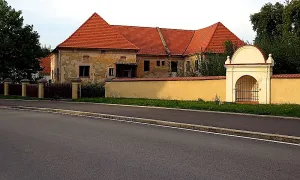
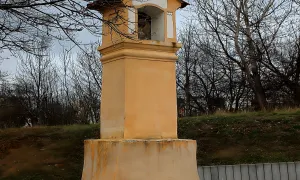
Real photos taken near the monument


Zdroj a licence jsou uvedeny u každého snímku.
Atmosphere of the place
This atmospheric visualisation of the place and period was generated by artificial intelligence. It is not real footage of the location.
Tips from visitors
No tips yet. Be the first!
Log in and add your tip.
Sources and literature
Photos: Jik jik / CC BY-SA 3.0, rozlišení zvýšeno umělou inteligencí — Wikimedia Commons. The author and licence also appear when you hover over the image.
Faktickým podkladem tohoto textu byl článek na Wikipedii, jehož autory jsou přispěvatelé Wikipedie. Článek je dostupný pod licencí CC BY-SA 4.0.
Location on the map


Příběhy a pověsti
Legendy, pověsti a příběhy spjaté s touto památkou

Fotografie návštěvníků
Zatím žádné fotografie. Buďte první, kdo přidá fotografii z návštěvy!
Log in a přidejte svou fotografii nebo hodnoťte.
Za ověřenou návštěvu v aplikaci získáte víc bodů — poznáme podle GPS, že jste na místě.
Reviews and comments