



kaple svatého Leonarda Chapel
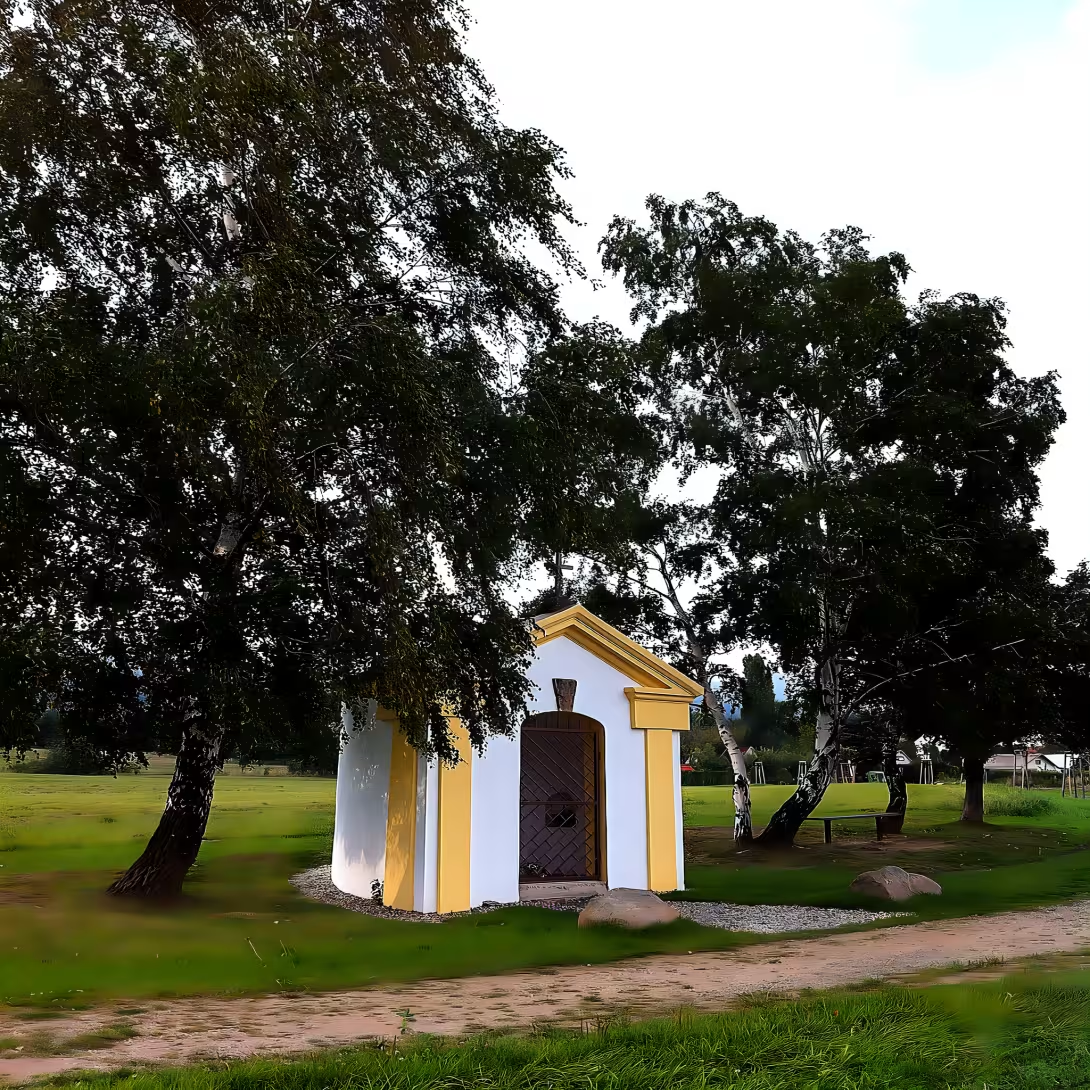
The Chapel of Saint Leonard in Háj u Duchcova is a neoclassical rotunda dedicated to the Virgin Mary and Saint Leonard. Situated along a field path connecting Háj u Duchcova and Osek, it stands approximately 300 meters west of the village. Constructed in 1843 by local farmer Josef Beck as a votive offering, the chapel was built in response to a cattle plague that struck the region in 1842. It is notable for being the sole preserved ecclesiastical monument in Háj u Duchcova.
The chapel's origin dates back to the early 19th century when Bohemia was part of the Austrian Empire. During this period, significant social and economic changes occurred. In 1842, a cattle plague affected much of Europe, including Bohemia, prompting Josef Beck to construct the chapel in 1843 as a protective measure for livestock. This historical context highlights its role not only as a religious site but also as a community response to agricultural challenges.
Architecturally, the Chapel features neoclassical elements with a semi-circular plan and simple design details. Its front wall is smooth, flanked by pilasters that support a low entablature leading into a triangular pediment. A modest wooden cross adorns the apex of this pediment. The chapel's roof is covered in shingles sourced from Krupka Castle, adding to its historical charm. Inside, it was painted by Lucák from Osek and houses a statue of Santa Maria Rosa Mystica donated by Cistercian monk P. Charbel Schubert O.Cist.
Ownership has changed hands several times since its construction. Initially built by Josef Beck in 1843, it was sold to the Brusner mining company on March 2, 1907. During World War II, in 1940, the chapel came under German control before being acquired by Mostecká uhelná společnost in 1947. In 2007, local municipal workers funded a restoration project that preserved its historical integrity.
Key events include its construction as a response to the cattle plague of 1842 and its restoration in 2007. The latter was marked by a rededication ceremony on October 14, 2007, after which it became a cherished local landmark once again. These milestones underscore its enduring significance within the community.
Today, the Chapel stands as a testament to the resilience and faith of its founders. It is accessible to visitors who wish to explore this historical monument nestled in the Czech countryside. The chapel offers a glimpse into the past, reflecting both architectural simplicity and deep-rooted cultural traditions. Its preservation ensures that future generations can appreciate its historical and spiritual significance. Visitors are invited to experience this unique site, where history and devotion converge amidst the serene landscape of Háj u Duchcova.
Then and now
Drag the slider to compare how the landmark may have looked when it was built with the view today.
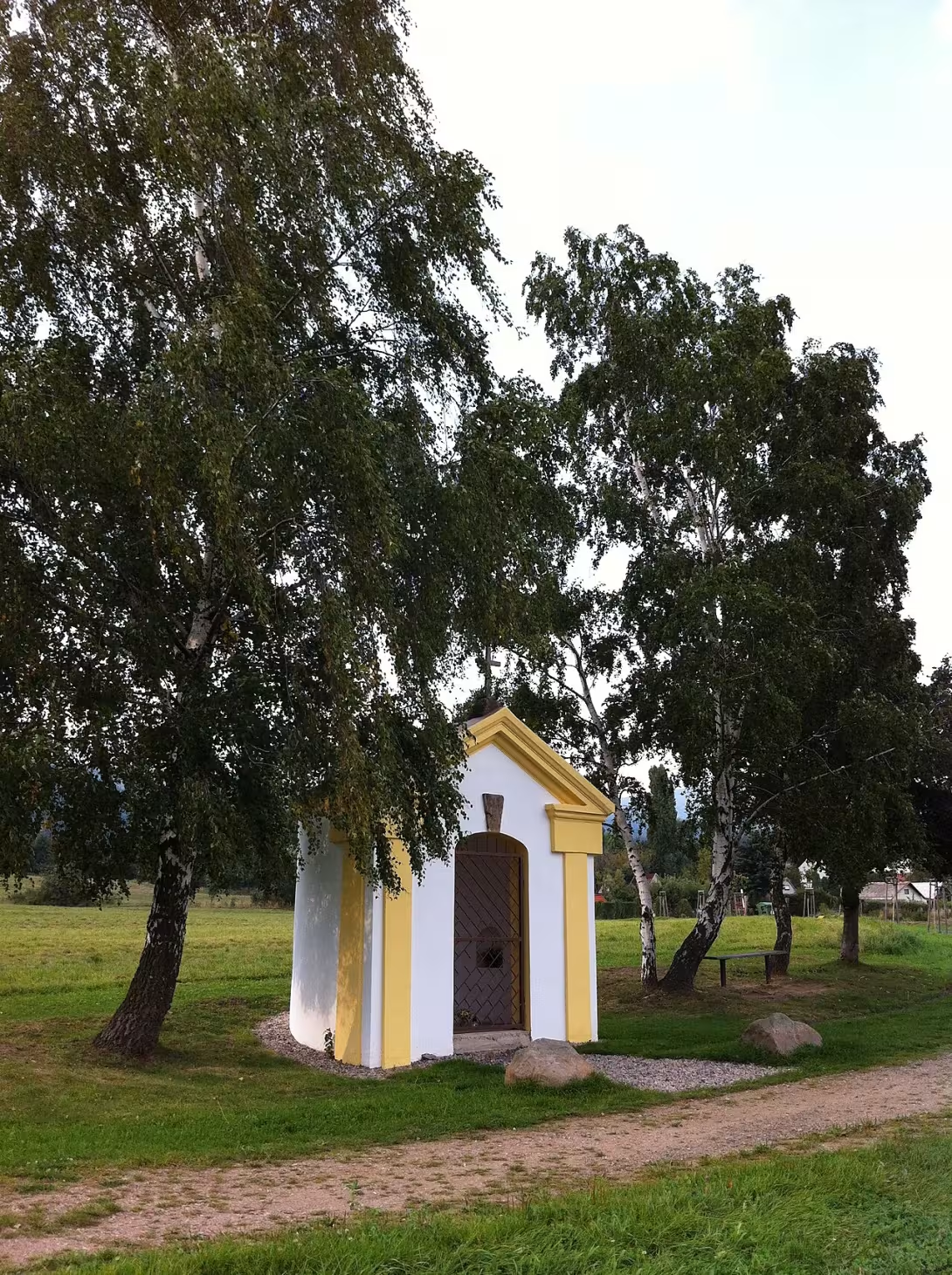
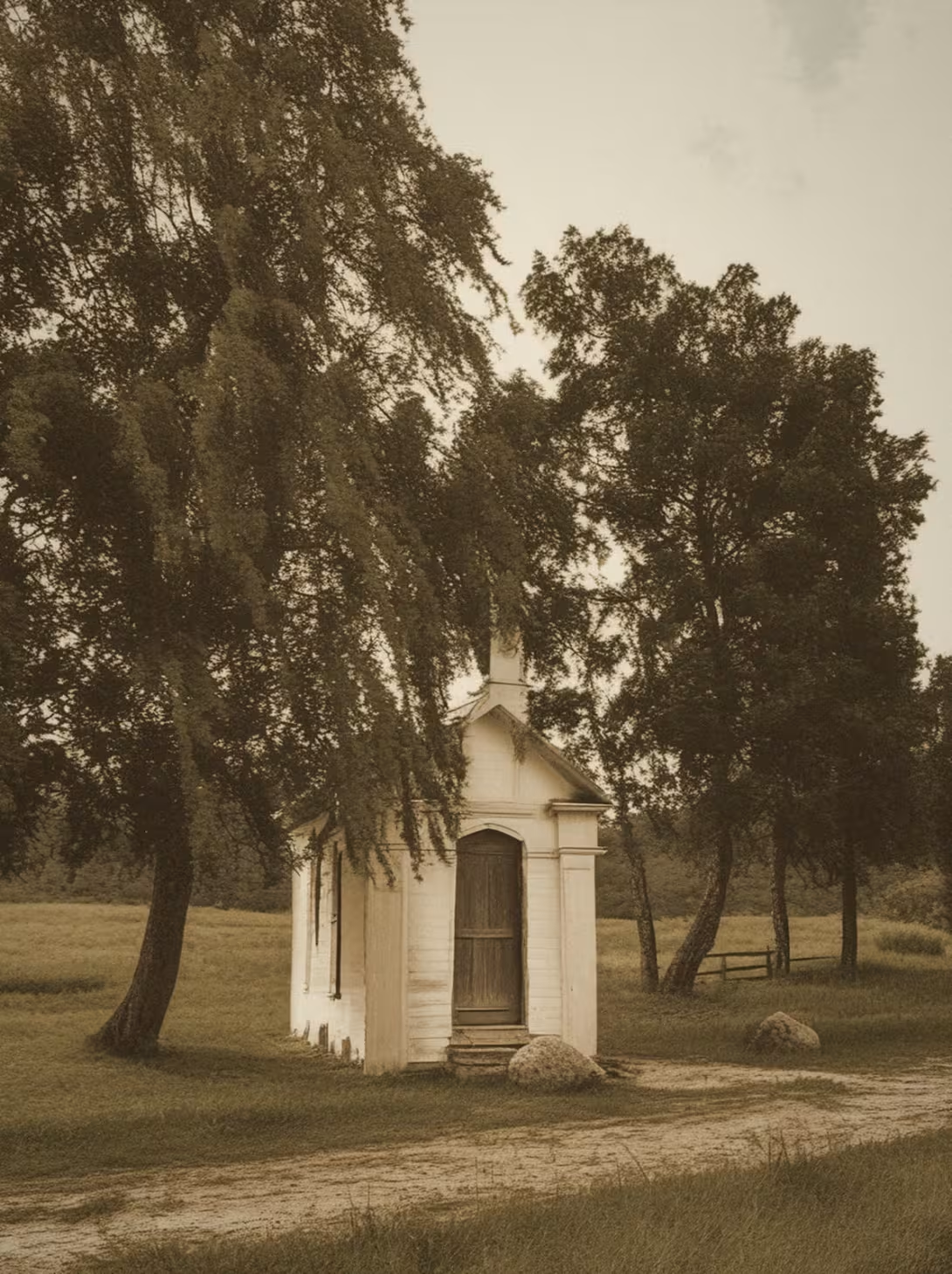
The historical appearance on the left is an AI-generated visualisation and serves as inspiration only.
Historical milestones
- 1843
- The chapel was constructed as a votive offering to protect against cattle plague.
- 1907
- The chapel was sold to the Brusner mining company.
- 1940
- The chapel came under German control during World War II.
- 2007
- The chapel underwent restoration and was rededicated on October 14.
Architectural development
Constructed in 1843 with neoclassical elements, the Chapel features a semi-circular plan and simple architectural details such as pilasters and a triangular pediment. The roof is shingled, and the interior was painted by Lucák from Osek. Notably, the shingles originate from Krupka Castle.
Historical events
The chapel was built in 1843 as a response to the cattle plague of 1842.
It underwent restoration in 2007, funded by local municipal workers.
Owners
The chapel was initially built by Josef Beck in 1843. It was sold to the Brusner mining company on March 2, 1907, and later came under German control in 1940 before being acquired by Mostecká uhelná společnost in 1947.
Points of interest
- The chapel was constructed using shingles sourced from Krupka Castle, linking it to another historical site and adding a layer of architectural intrigue.
- Inside the chapel, there is a statue of Santa Maria Rosa Mystica, which was donated by Cistercian monk P. Charbel Schubert O.Cist., highlighting an interesting connection between local religious communities.
- During World War II, in 1940, the chapel came under German control, reflecting its strategic or symbolic significance during turbulent times.
- The chapel's restoration in 2007 was funded by local municipal workers, showcasing community involvement and dedication to preserving their cultural heritage.
- Originally built as a protective measure against cattle plague, the chapel served not only religious purposes but also played a role in safeguarding livestock, illustrating its multifaceted historical significance.
Guide
This guide is narrated by a synthetic voice generated by artificial intelligence.
Show guide text
This text was created by artificial intelligence and has not been editorially reviewed. It may contain inaccuracies.
On a field path between Hájem u Duchcova and Osek, about 300 metres west of the village, there stands a small neoclassical chapel on the right side. It is dedicated to the Virgin Mary and Saint Leonard Noblac, who is also called Saint Linhart in our region.
The chapel was built by a local farmer Josef Beck as a votive chapel. In 1842 a cattle plague swept through the region and Saint Linhart was venerated as the patron saint of cattle. The chapel was meant to pray to him for protection from the infection. The chapel acquired the form it has to this day in 1843.
The owners changed several times over the years. On March 2nd, 1907 the chapel was purchased by the Brusner mining company. In 1940 it passed into German hands and in 1947 it was bought by the Most coal company. Today it belongs to the municipality.
In 2007 the chapel was restored by municipal maintenance workers. It was at that time the only preserved church monument in the village. The interior was painted by Mr. Lucák from Osek and the wooden cross in the gable was made by Jiří Fujan from Domaslavice. The roof shingles come from Krupka castle. Osek Cistercian monk Father Charbel Schubert donated to the chapel a statue of Santa Maria Rosa Mystica, which is placed inside. After the restoration the chapel was ceremonially consecrated on October 14th, 2007.
The building has a semicircular floor plan. The facade is smooth and at the corners it is divided by pilasters, that is flat columns projecting from the wall. Their capitals with a profiled cornice bear a low lintel. This is followed by a triangular gable with a profiled frame and at its apex is a simple wooden cross. The roof is covered with shingles.
The entrance is on the east side. It is vaulted with a semicircular arch and a single step leads to it. Above the entrance is a sandstone keystone, that is the apex stone of the arch. On it the year of construction 1843 is carved in Roman numerals.
Tips for visitors
The best time to visit the Chapel of Saint Leonard is during late spring or early autumn when the weather is mild, and the surrounding countryside is lush with greenery or vibrant fall colors. These seasons offer pleasant temperatures for walking along the field path leading to the chapel, enhancing your experience as you explore its serene environment.
The chapel is also accessible by public transportation, with local buses serving routes that pass nearby Háj u Duchcova.
When planning your visit, consider bringing comfortable walking shoes as you'll be traversing some rural paths to reach the chapel. A light jacket is also recommended since weather conditions can change quickly in the countryside. Don’t forget water and perhaps a snack if you plan on spending more time exploring the area around the chapel.
For photography enthusiasts, the best spots for capturing the Chapel of Saint Leonard are during the golden hours—shortly after sunrise or before sunset—when the light is soft and warm, accentuating the neoclassical architecture. The surrounding landscape offers a picturesque backdrop, making it ideal for both close-up shots of the chapel’s details and wider views of its rural setting.
Nearby attractions within 30 minutes include Osek, where you can explore local shops and cafes. For families with children, consider visiting nearby parks or nature trails that offer opportunities for outdoor activities and exploration in a safe environment. Always check ahead for any specific family-friendly amenities.
Frequently asked questions
Can the monument be visited?
Religious buildings are usually open mainly during services; at other times a visit is normally arranged with the parish or the operator. We have not verified specific times.
Where is the monument?
Location: Háj u Duchcova, Ústecký kraj. The map on this page shows the exact spot.
Businesses nearby
Do you run a restaurant, accommodation, shop, museum, rental, wellness or other visitor service near this monument? Show yourself directly to the people heading to it — this is how they will see you in the app and on the web:
Events nearby
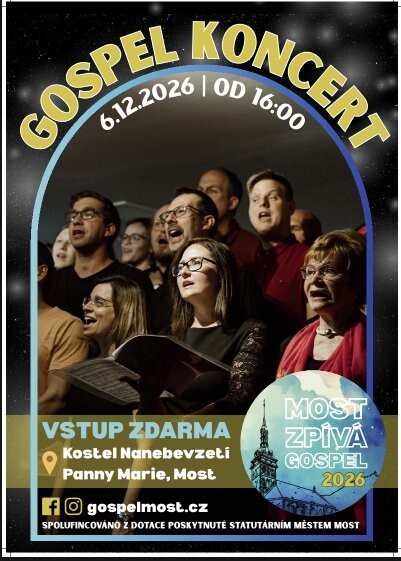
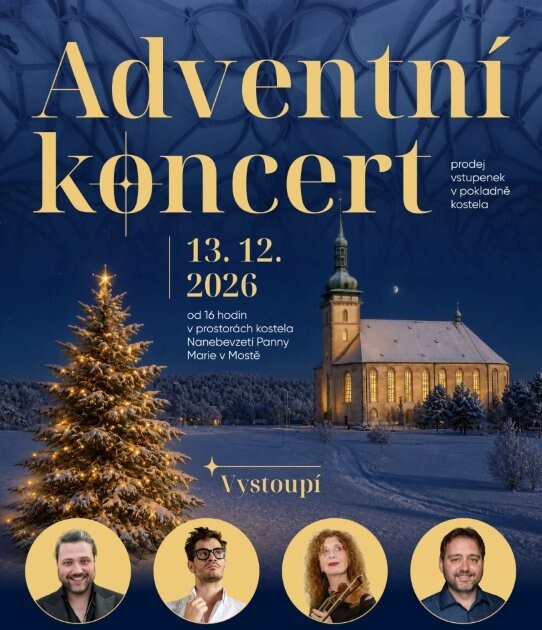
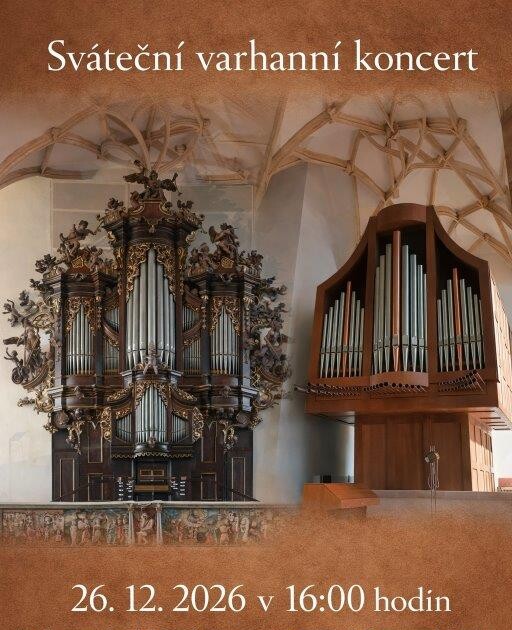
Zdroj akcí: otevřená data měst a obcí ČR (Národní katalog otevřených dat) a kalendář akcí Národního památkového ústavu.
Nearby
The chapel is located along a field path between Háj u Duchcova and Osek, approximately 300 meters west of the village. The surrounding landscape includes typical Czech countryside features.
Accommodation nearby
Trips and activities nearby
Guided tours, tickets and activities nearby from GetYourGuide
Affiliate link: if you buy from the partner, we may receive a commission. The price for you does not change.
Search tours and activities →Themed route
Thematic Walking Tour: The Chapel of Saint Leonard and Surroundings
1. Chapel of Saint Leonard - Type: Historical Religious Site - Why Visit: This charming chapel, nestled in the serene Czech countryside between Háj u Duchcova and Osek, offers a glimpse into local religious history and architecture. Its peaceful setting makes it an ideal starting point for exploring the area's natural beauty.
2. Countryside Fields - Type: Natural Landscape - Why Visit: As you walk along the field path from the chapel towards Háj u Duchcova, immerse yourself in the quintessential Czech countryside. The rolling fields and gentle landscapes provide a tranquil backdrop for reflection and relaxation.
3. Village of Háj u Duchcova - Type: Small Village - Why Visit: Approximately 300 meters east from the chapel lies the village of Háj u Duchcova. A stroll through this quaint village offers insights into rural life in the Ústecký region, with its charming architecture and local culture.
4. Return Path to Osek - Type: Scenic Route - Why Visit: As you make your way back towards Osek from Háj u Duchcova, enjoy the scenic views of farmlands and natural landscapes that define this part of Bohemia. This route provides a perfect opportunity for leisurely walks or cycling.
5. Chapel Viewing Point - Type: Scenic Overlook - Why Visit: Near your return to the chapel, find a spot along the path where you can look back at the Chapel of Saint Leonard. This vantage point offers a picturesque view of the chapel set against the lush countryside, making for an ideal photo opportunity and moment of reflection.
This tour highlights the beauty and tranquility of the area surrounding the Chapel of Saint Leonard, offering visitors a chance to connect with nature and local heritage.
Seasonal recommendations
Spring: Visiting the Chapel of Saint Leonard during spring offers a unique experience as nature begins to awaken around Háj u Duchcova. The landscape is adorned with blooming flowers and fresh greenery, creating an enchanting atmosphere that complements the chapel's serene beauty. As daylight extends into the evening, visitors can enjoy the soft natural light filtering through the stained glass windows, enhancing the interior's mystical ambiance. To make the most of your visit, consider going early in the morning or later in the afternoon to avoid larger crowds and fully appreciate the tranquil setting. Dress comfortably in layers, as temperatures can vary throughout the day.
Summer: Summer is an ideal time to explore the Chapel of Saint Leonard when the days are long and warm, allowing for extended exploration under the bright sun. The lush surroundings provide a picturesque backdrop, making it perfect for photography enthusiasts. During this peak tourist season, arriving early in the morning or later towards sunset can help you avoid larger groups of visitors. Be sure to wear light clothing and comfortable shoes, and don't forget sunscreen to protect against the strong summer rays.
Autumn: Autumn brings a magical transformation to the Chapel of Saint Leonard with its vibrant foliage painting the landscape in rich hues of red, orange, and gold. The cooler temperatures make for a pleasant visit, while the soft autumn light adds warmth to the chapel's interior. This season is less crowded than summer, offering a more peaceful experience. Visitors should wear layers to adjust to changing weather conditions throughout the day, and consider bringing an umbrella in case of unexpected rain.
Winter: Winter offers a serene and contemplative atmosphere at the Chapel of Saint Leonard, with snow-covered surroundings creating a picturesque scene reminiscent of a fairy tale. The chapel's architecture is particularly striking against the white backdrop, making it a beautiful subject for photography. Due to shorter daylight hours, plan your visit during midday when natural light is at its peak inside the chapel. Dress warmly in layers and wear sturdy boots to navigate potentially icy paths. Keep an eye on opening times as they may be reduced during this season.
Visualizations and artistic views


The visualisations are generated by artificial intelligence and serve as inspiration.
Photos from the area
Real photos taken near the monument


Zdroj a licence jsou uvedeny u každého snímku.
Tips from visitors
No tips yet. Be the first!
Log in and add your tip.
Sources and literature
Photos: Jakub Myšička / CC BY-SA 4.0, rozlišení zvýšeno umělou inteligencí — Wikimedia Commons. The author and licence also appear when you hover over the image.
Faktickým podkladem tohoto textu byl článek na Wikipedii, jehož autory jsou přispěvatelé Wikipedie. Článek je dostupný pod licencí CC BY-SA 4.0.
Location on the map
More monuments – Háj u Duchcova
Show all in the municipality

Příběhy a pověsti
Legendy, pověsti a příběhy spjaté s touto památkou
Příběh: kaple svatého Leonarda
Bylo to v pondělí ráno, kdy Martin zjistil, že jeho nejmilejší koněk byl náhle postižen nemocí, která se šířila mezi jinými i dálkového souseda. V obci Háj u…
Číst příběh
Pověst: kaple svatého Leonarda
Podle místní pověsti přišla pohroma bez varování. Bylo to na sklonku léta roku 1842, kdy kraj kolem Háje a Oseku ještě voněl posekaným obilím a ze stájí se o…
Číst příběhFotografie návštěvníků
Zatím žádné fotografie. Buďte první, kdo přidá fotografii z návštěvy!
Log in a přidejte svou fotografii nebo hodnoťte.
Za ověřenou návštěvu v aplikaci získáte víc bodů — poznáme podle GPS, že jste na místě.
Reviews and comments