






kaple svatého Prokopa (Pikárec) Chapel
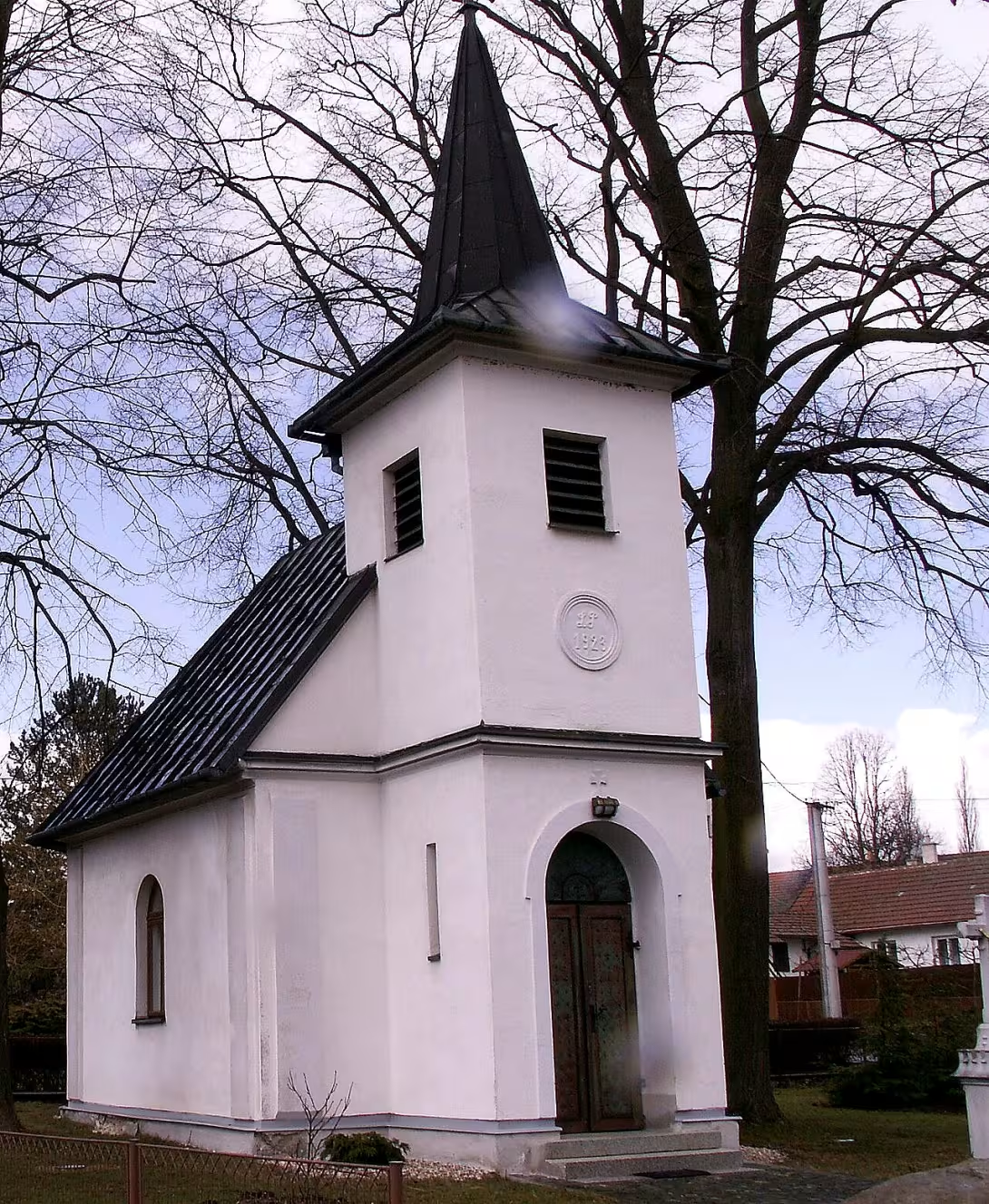
The Chapel of Saint Procopius in Pikárec is a small yet significant sacred building located on the upper square of this quaint village within the Žďársko region. Originally constructed as an octagonal bell tower in 1776, it was expanded between 1992 and 1993 to become a chapel with a three-sided closure. This transformation reflects both its historical roots and modern adaptation, making it notable for visitors interested in local history and architecture.
The origins of the Chapel date back to 1776 when it was initially built as an octagonal bell tower. During this period, Bohemia was under Habsburg rule, which saw significant cultural and architectural developments influenced by Baroque styles. The chapel's initial construction reflects these influences, marking its place in the region's historical narrative. By the early 1990s, during a time of political transformation in Czechoslovakia that eventually led to the split into the Czech Republic and Slovakia, the structure was expanded into its current form as a chapel with a three-sided apse.
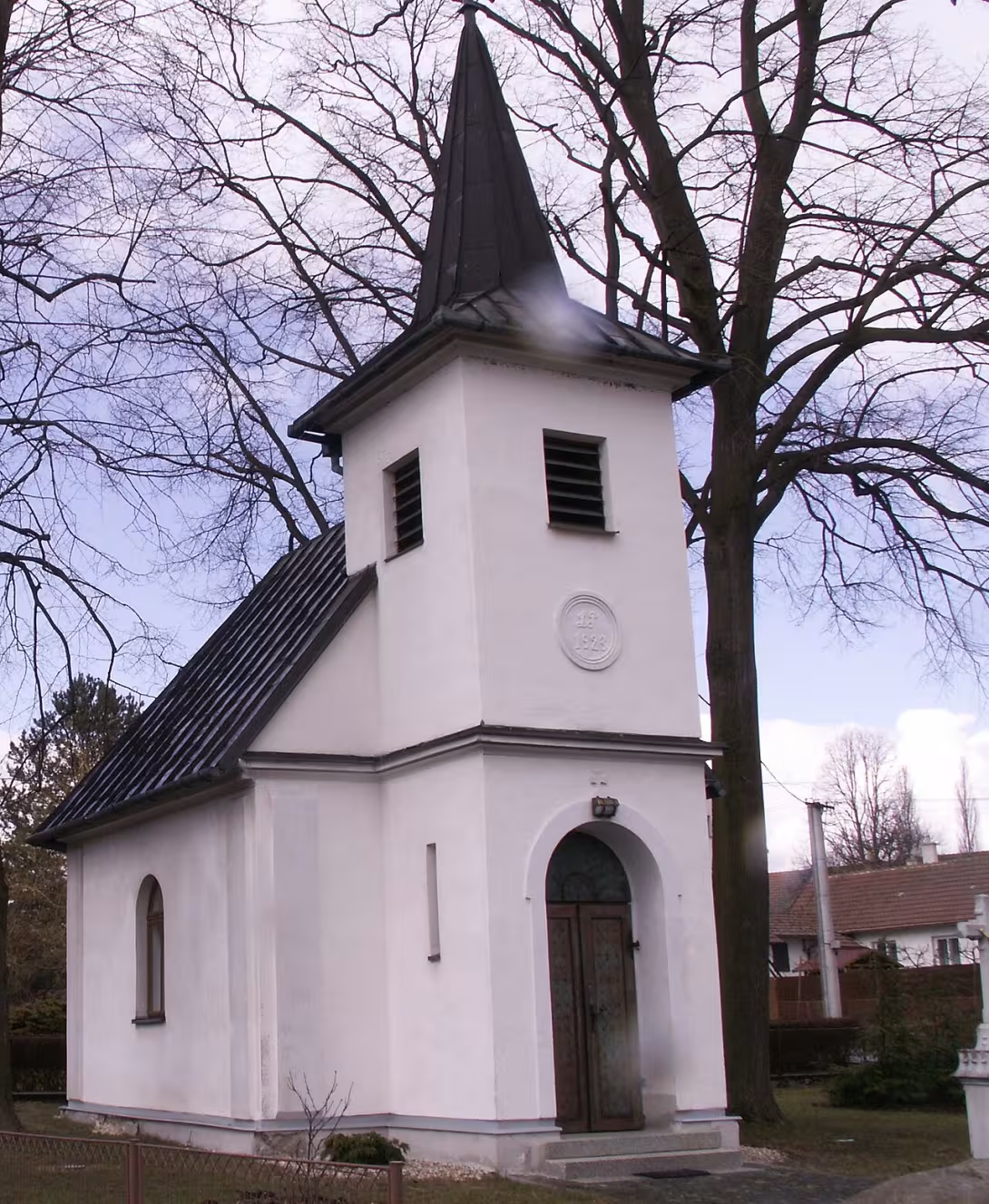
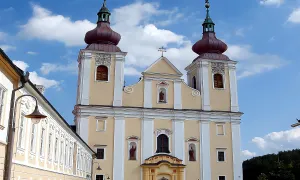
Architecturally, the Chapel showcases Baroque influences through its simple yet elegant design. It features a single-nave structure with an attached apse that has a three-sided closure. A distinctive feature is the original bell tower, now integrated into the chapel's facade as a square tower topped with a high spire. This section retains historical significance and architectural integrity. The windows on the nave are designed with semi-circular arches, while the tower features straightforward square windows covered by wooden shutters. The facade is subtly divided using pilasters, adding to its aesthetic appeal. Above the entrance, an ornamental round cartouche bears the year 1923, marking a notable point in its architectural history.
Throughout its existence, the Chapel has remained under the jurisdiction of the Roman Catholic parish of Moravec. While there are no dramatic changes or ownership shifts documented, the chapel's expansion and adaptation over time reflect broader historical and cultural transformations within the region.
Key events associated with this monument include its original construction in 1776 as a bell tower and its subsequent transformation into a chapel between 1992 and 1993. These developments highlight the structure’s evolving role within the community, adapting to meet changing needs while preserving its historical essence.
Today, the Chapel of Saint Procopius stands as an accessible site for visitors interested in exploring local history and architecture. Although it is not under heritage protection, its significance lies in its representation of regional architectural styles and cultural history. The chapel's serene setting within the picturesque Czech countryside adds to its appeal, offering a peaceful retreat for those wishing to delve into the past.
The Chapel offers a unique glimpse into the historical and architectural evolution of the region. Its transformation from a bell tower to a chapel encapsulates broader societal changes while maintaining its spiritual significance. Visitors are invited to explore this charming site, where history and tranquility converge in the heart of Pikárec.
Then and now
Drag the slider to compare how the landmark may have looked when it was built with the view today.
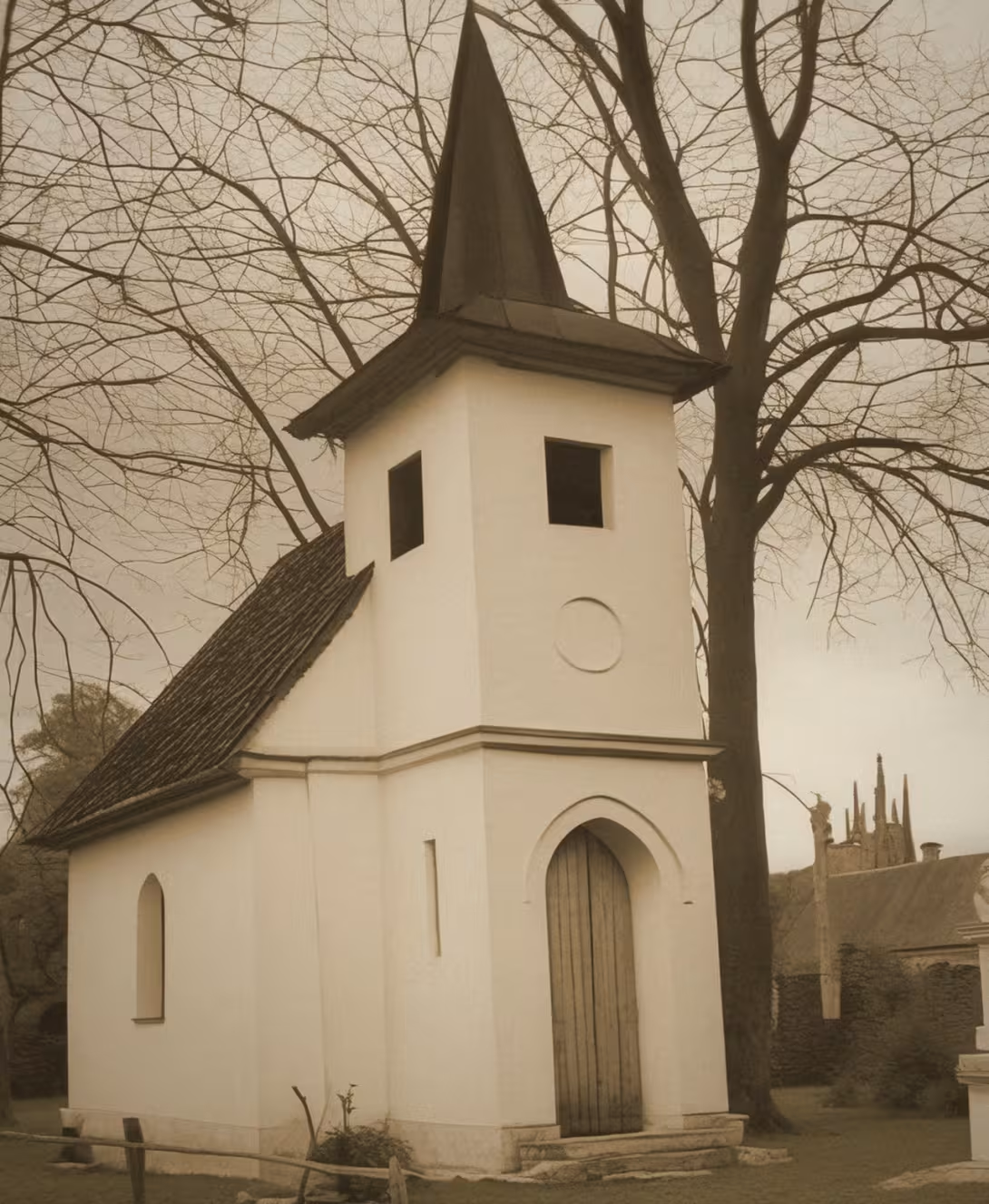
The historical appearance on the left is an AI-generated visualisation and serves as inspiration only.
Historical milestones
- 1776
- The chapel of Saint Prokop was built as an octagonal tower.
- 1992
- Beginning of the expansion of the chapel with three sides enclosed.
- 1993
- Completion of the chapel's expansion to its current form.
- 1923
- In 1923, an ornamental circular cartouche was placed above the entrance.
Architectural development
The Chapel of Saint Procopius began as an octagonal bell tower in 1776. In the early 1990s, it underwent significant expansion to become a chapel with a three-sided apse. The structure features simple square windows and is topped by a high spire typical of its original bell tower design.
Historical events
1776: Construction of the original bell tower.
1992-1993: Expansion into a chapel with three-sided closure.
Guide
This guide is narrated by a synthetic voice generated by artificial intelligence.
Show guide text
This text was created by artificial intelligence and has not been editorially reviewed. It may contain inaccuracies.
Welcome to the enchanting Chapel of Saint Procopius in Pikárec, a hidden gem nestled in the heart of Žďársko, Kraj Vysočina. As you stand here on the upper square, take a moment to absorb the serene atmosphere surrounding this quaint sacred building. Though modest in size, its history and transformation tell a fascinating story.
The origins of this chapel date back to 1776 when it was initially constructed as an octagonal bell tower. This period reflects the Baroque architectural influence that swept through Bohemia during Habsburg rule. Imagine standing here over two centuries ago, hearing the chimes echo across the landscape—a sound marking time and tradition.
Fast forward to the early '90s, between 1992 and 1993, when this humble bell tower underwent a significant transformation. It was expanded into its current chapel form with a three-sided closure, creating a single-nave structure that now includes an attached apse. This expansion reflects not just architectural evolution but also the community's enduring devotion.
As you look around, notice the simplicity and elegance of the design. While specific architects remain unknown, their vision has left us with a space that invites contemplation and peace. Direct your gaze toward the entrance where, in 1923, an ornamental circular cartouche was placed above it—a decorative touch adding to its charm.
While no key historical figures are directly associated with this chapel's history, its transformation from a bell tower into a chapel mirrors broader cultural shifts within the region. It stands as a testament to how local communities adapt and preserve their spiritual heritage over time.
One intriguing aspect of this chapel is its lack of formal heritage protection status. Despite this, it holds an undeniable significance for those who cherish Pikárec's history and landscape. This detail adds to its unique character—a place cherished by locals rather than preserved as a grand monument.
As you conclude your visit here at the Chapel of Saint Procopius, I invite you to linger in the quietude that surrounds this sacred space. Let it inspire reflection on the passage of time and the stories etched into every corner of our world. Thank you for joining me on this journey through history and architecture. May your exploration continue with curiosity and wonder.
[End of Audio Guide]
Tips for visitors
The best time to visit the Chapel of Saint Procopius in Pikárec is during late spring or early autumn. During these seasons, the surrounding Czech countryside landscapes are particularly beautiful, with vibrant wildflowers and lush greenery in spring, and warm, golden hues in fall. Additionally, visiting outside of peak summer months can help avoid larger crowds, allowing for a more peaceful experience.
When visiting the Chapel of Saint Procopius, consider bringing comfortable walking shoes as you might want to explore the nearby countryside. A camera is recommended for capturing the chapel's architecture and surrounding landscapes, especially during golden hour when the light is soft and warm. Additionally, a small bottle of water and some snacks can be useful if you plan on spending time exploring the area.
For photography enthusiasts, the best spots around the chapel are those that capture its octagonal bell tower against the backdrop of the picturesque countryside. Early morning or late afternoon light provides ideal conditions for photographing both the chapel and the surrounding landscapes. The upper square where the chapel is located offers a good vantage point for capturing panoramic views.
Nearby attractions within 30 minutes include the historic town of Žďár nad Sázavou, known for its baroque architecture and cultural events. Families with children might also enjoy visiting local nature trails or parks in the region, which offer opportunities for outdoor activities like hiking and picnicking.
Frequently asked questions
Can the monument be visited?
Religious buildings are usually open mainly during services; at other times a visit is normally arranged with the parish or the operator. We have not verified specific times.
Where is the monument?
Location: Pikárec, Kraj Vysočina. The map on this page shows the exact spot.
Businesses nearby
Do you run a restaurant, accommodation, shop, museum, rental, wellness or other visitor service near this monument? Show yourself directly to the people heading to it — this is how they will see you in the app and on the web:
Events nearby
Zdroj akcí: otevřená data měst a obcí ČR (Národní katalog otevřených dat) a kalendář akcí Národního památkového ústavu.
Nearby
The chapel is situated in Pikárec, part of the Žďársko region. The surrounding area includes typical Czech countryside landscapes and is within the jurisdiction of the Roman Catholic parish of Moravec.
Accommodation nearby
Themed route
Thematic Walking Tour: The Chapel of Saint Procopius and Surroundings
1. Chapel of Saint Procopius (Pikárec) - Type: Religious Site - Why Visit: This charming chapel is a serene spot for reflection, nestled in the picturesque countryside of Pikárec. It offers visitors a glimpse into local religious traditions and architectural beauty, making it an ideal starting point for exploring the region's cultural heritage.
2. Countryside Pathways - Type: Scenic Route - Why Visit: Stroll through the typical Czech landscapes surrounding the chapel, characterized by rolling hills and lush greenery. This area provides a peaceful environment to appreciate nature's beauty while enjoying the tranquility of the Žďársko region.
3. Roman Catholic Parish of Moravec - Type: Community Center - Why Visit: Located within the jurisdiction of this parish, visitors can explore its role in supporting local communities and maintaining cultural traditions. The parish offers insights into the social fabric of Pikárec and its neighboring areas, highlighting community life and religious practices.
This tour encapsulates the essence of Pikárec's serene countryside and rich cultural tapestry, providing a meaningful experience through its historical and natural landmarks.
Seasonal recommendations
Spring: The chapel of Saint Prokop in Pikárec offers a serene atmosphere as spring breathes new life into the Vysočina region. The surrounding landscape is adorned with blossoming flora, creating a picturesque setting that enhances the historical charm of the site. Visitors can enjoy longer daylight hours, making it ideal for leisurely exploration without the rush of summer crowds. It's recommended to wear comfortable layers as temperatures can be mild but variable.
Summer: Summer at Saint Prokop’s chapel is characterized by lush greenery and vibrant nature, with the Vysočina countryside in full bloom. The warm weather invites visitors to spend extended periods outdoors, appreciating the beauty of the region. However, this is also peak tourist season, so arriving early can help avoid larger crowds. Light clothing is advisable due to the heat, along with sun protection like hats and sunscreen.
Autumn: Autumn transforms the chapel’s surroundings into a tapestry of warm colors as leaves turn shades of red, orange, and gold. The cooler temperatures create a cozy atmosphere perfect for photography enthusiasts eager to capture the seasonal beauty. This period sees fewer visitors compared to summer, offering a more tranquil experience. Layered clothing is recommended to accommodate fluctuating weather conditions.
Winter: In winter, Saint Prokop’s chapel exudes a magical ambiance with its snow-covered landscape and potential for frosty mornings. The shorter days mean that visits should be planned earlier in the day to make the most of daylight hours. This season offers a peaceful retreat from the bustling tourist months, though it's essential to dress warmly in layers and wear sturdy footwear due to potentially icy conditions.
Visualizations and artistic views


The visualisations are generated by artificial intelligence and serve as inspiration.
Photos from the area
Real photos taken near the monument


Zdroj a licence jsou uvedeny u každého snímku.
Tips from visitors
No tips yet. Be the first!
Log in and add your tip.
Sources and literature
Photos: BíláVrána / CC BY-SA 3.0 — Wikimedia Commons. The author and licence also appear when you hover over the image.
Faktickým podkladem tohoto textu byl článek na Wikipedii, jehož autory jsou přispěvatelé Wikipedie. Článek je dostupný pod licencí CC BY-SA 4.0.
Location on the map



Příběhy a pověsti
Legendy, pověsti a příběhy spjaté s touto památkou

Fotografie návštěvníků
Zatím žádné fotografie. Buďte první, kdo přidá fotografii z návštěvy!
Log in a přidejte svou fotografii nebo hodnoťte.
Za ověřenou návštěvu v aplikaci získáte víc bodů — poznáme podle GPS, že jste na místě.
Reviews and comments