



kaple svatého Vincenta Chapel
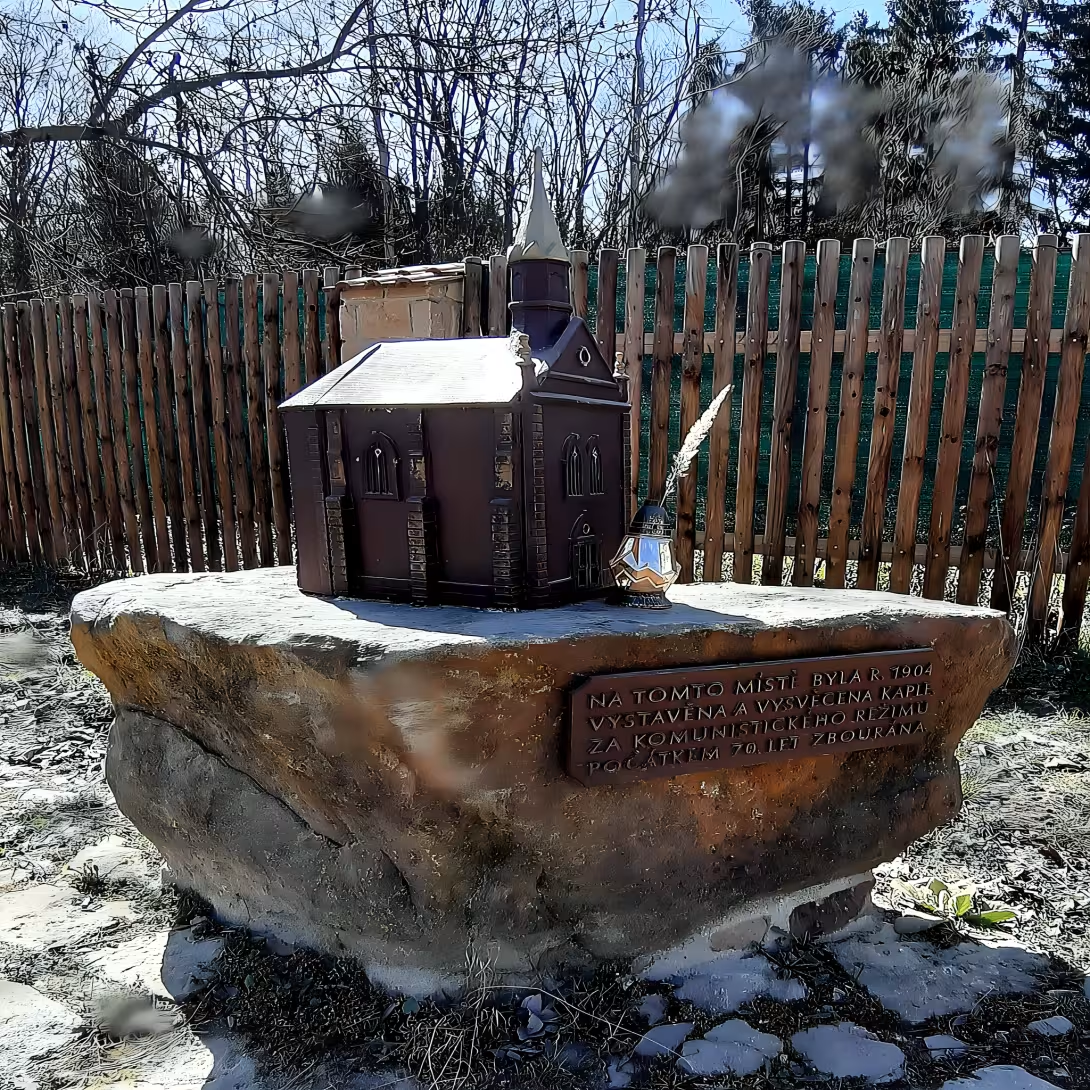
Objekt se nedochoval — na místě dnes nestojí. Následující text popisuje jeho historii, ne současnou návštěvu.
The Chapel of Saint Vincent in Vyhnánov is a historical monument that once stood as a Roman Catholic chapel within the rural landscape of Kohoutov municipality, part of the Trutnov District in Královéhradecký kraj. Constructed in the 1870s by Čeněk Mahrle, a notable printer of his time, it was built to honor his brother Josef and their parents at the boundary between Vyhnánov and Běluně. Although demolished in the 1970s, its legacy is preserved through a model and an information board that recount the history of the village.
The chapel's origins are deeply rooted in the personal life of Čeněk Mahrle, who built it as a tribute to his family members. During the late 19th century, Bohemia was undergoing significant cultural and industrial transformations within the Austro-Hungarian Empire. This era saw an increase in national consciousness among Czechs and advancements in printing technology, fields to which Čeněk Mahrle significantly contributed. The chapel's construction reflects both personal devotion and the broader historical context of its time.
While specific architectural details are not documented, the chapel was a small Roman Catholic structure that served as a place for spiritual solace and remembrance. It was part of the Hořičky parish, indicating its religious significance within the community. The chapel's existence until the 1970s highlights its role in local spiritual life before its eventual demolition.
Throughout its history, the Chapel of Saint Vincent remained under the ownership and administration of Čeněk Mahrle's family, reflecting a personal connection to the site. Its construction was a notable event in the late 19th century, marking it as a significant familial and community landmark until its demolition in the 1970s.
The chapel's history is marked by two key events: its construction in the 1870s and its demolition in the 1970s. These events encapsulate its brief yet impactful existence within the local community. The chapel served as a testament to family legacy and religious devotion during its time.
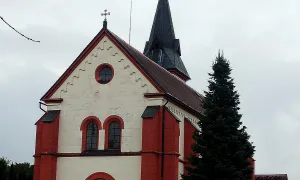
Today, while the physical structure no longer exists, the Chapel of Saint Vincent is commemorated by a model and an information board at its former site. This memorialization offers visitors insight into the village's history and the personal story behind the chapel's creation. The site remains accessible to those interested in exploring the historical narratives of Vyhnánov.
The Chapel of Saint Vincent, though no longer standing, continues to hold significance as a symbol of familial devotion and local heritage. Its memory invites visitors to reflect on the cultural and historical tapestry of the region, offering a glimpse into the past through its preserved model and informative board.
Then and now
Drag the slider to compare how the landmark may have looked when it was built with the view today.
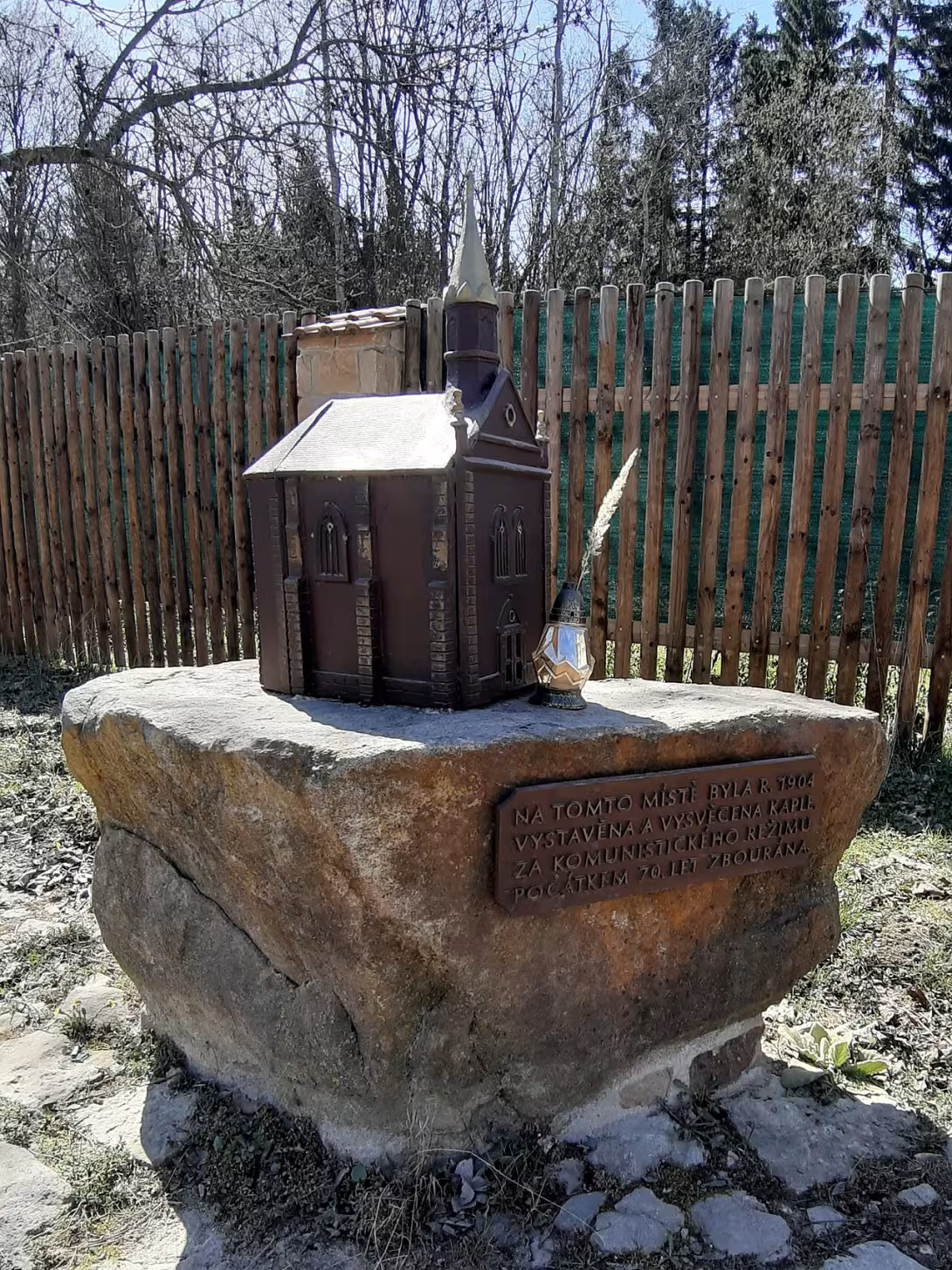

The historical appearance on the left is an AI-generated visualisation and serves as inspiration only.
Historical milestones
- 1870s
- Construction of the Chapel of Saint Vincent by Čeněk Mahrle.
- 1970s
- Demolition of the chapel.
Historical events
- 1870s
- The chapel was constructed by Čeněk Mahrle.
- 1970s
- The chapel was demolished.
Guide
This guide is narrated by a synthetic voice generated by artificial intelligence.
Show guide text
This text was created by artificial intelligence and has not been editorially reviewed. It may contain inaccuracies.
Welcome to the site of the Chapel of Saint Vincent in Vyhnánov, a place steeped in history and memory. As you stand here at the boundary between Vyhnánov and Běluně, imagine the serene presence of this small Roman Catholic chapel that once offered spiritual solace and remembrance.
Let's delve into its origins. The Chapel of Saint Vincent was constructed in the 1870s by Čeněk Mahrle, a notable printer whose contributions to printing technology were significant during the late 19th century. This chapel held personal importance for Mahrle as it was built in honor of his brother Josef and their parents.
While specific architectural details are not documented, you can sense the chapel's historical significance through its location and the stories that surround it. As you look around this open space where the chapel once stood, think about how it served as a quiet sanctuary for those who visited.
Čeněk Mahrle is a key figure associated with this site. His dedication to his family and community is immortalized in this chapel, which he built not just as a structure but as a tribute to love and remembrance. Though the chapel was demolished in the 1970s, its memory lives on through a model and an information board that detail its history.
One intriguing aspect of this site is Mahrle's role beyond architecture; his advancements in printing technology within the Austro-Hungarian Empire left a lasting impact. This intertwining of personal dedication with professional innovation adds depth to your visit here today.
As you conclude your time at this historic site, I invite you to reflect on the stories and memories that linger in this space. Though the chapel no longer stands, its spirit endures through the narratives we share and preserve. Thank you for joining me on this journey into the past.
Businesses nearby
Do you run a restaurant, accommodation, shop, museum, rental, wellness or other visitor service near this monument? Show yourself directly to the people heading to it — this is how they will see you in the app and on the web:
Events nearby
Zdroj akcí: otevřená data měst a obcí ČR (Národní katalog otevřených dat) a kalendář akcí Národního památkového ústavu.
Nearby
The chapel was located in Vyhnánov, part of the Kohoutov municipality. The area is characterized by its rural landscape and proximity to other small villages within the Trutnov District.
Visualizations and artistic views


The visualisations are generated by artificial intelligence and serve as inspiration.
Photos from the area
Real photos taken near the monument

Zdroj a licence jsou uvedeny u každého snímku.
Tips from visitors
No tips yet. Be the first!
Log in and add your tip.
Sources and literature
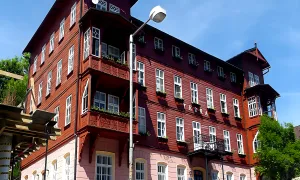
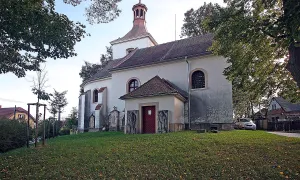
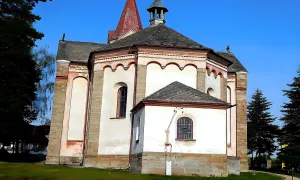
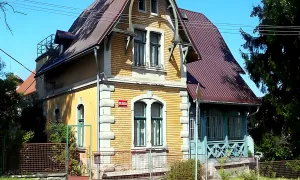
Photos: Addvisor / CC BY-SA 4.0, rozlišení zvýšeno umělou inteligencí — Wikimedia Commons. The author and licence also appear when you hover over the image.
Location on the map

Příběhy a pověsti
Legendy, pověsti a příběhy spjaté s touto památkou
Fotografie návštěvníků
Zatím žádné fotografie. Buďte první, kdo přidá fotografii z návštěvy!
Log in a přidejte svou fotografii nebo hodnoťte.
Za ověřenou návštěvu v aplikaci získáte víc bodů — poznáme podle GPS, že jste na místě.
Reviews and comments