






Karlovy Vary Castle
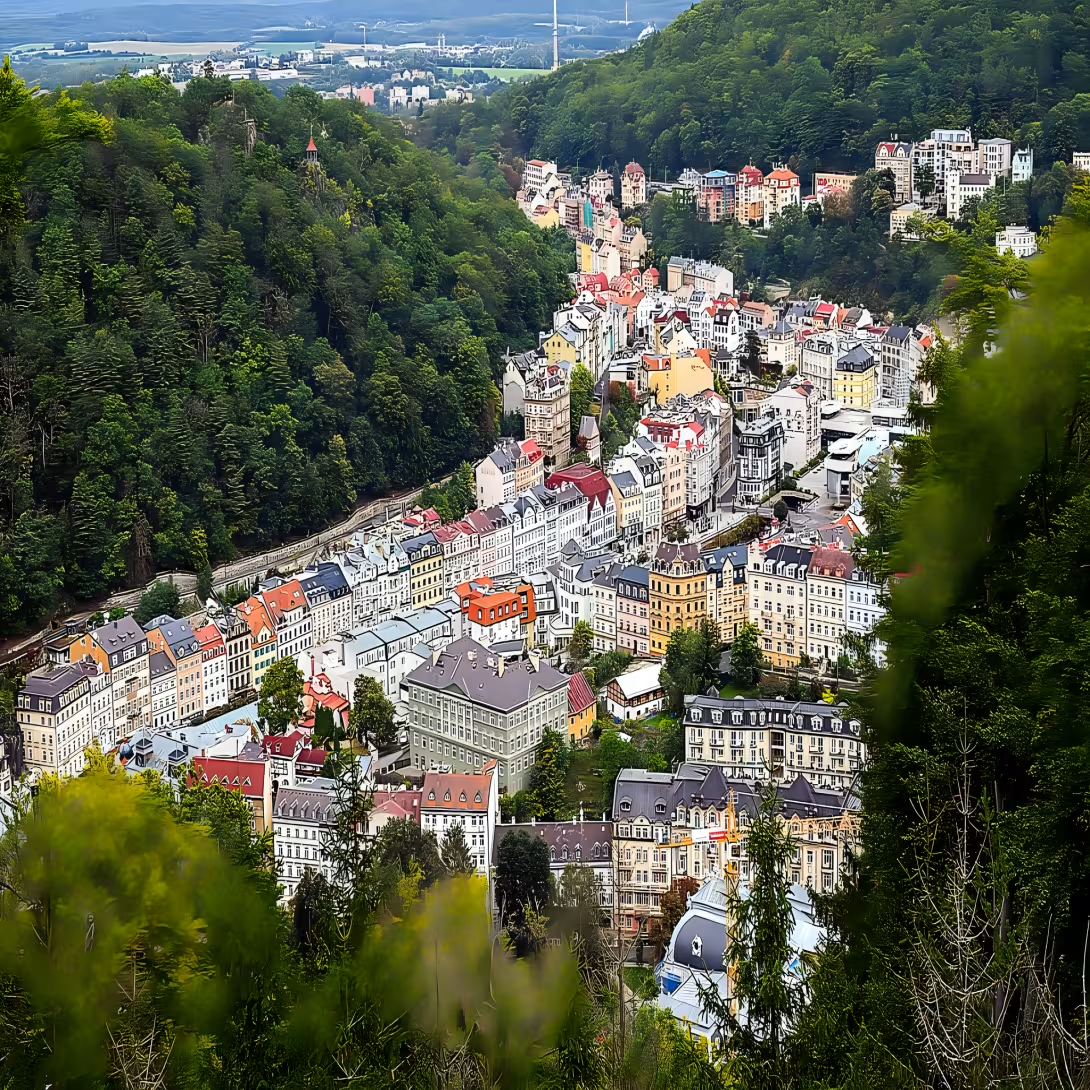
Karlovy Vary, known in German as Karlsbad, is a historic spa town located at the confluence of the Ohře and Teplá rivers in western Bohemia. Founded in the mid-14th century by Emperor Charles IV, it became prominent for its therapeutic hot springs and royal city privileges granted in 1370. Over centuries, Karlovy Vary evolved into a fashionable destination for European nobility, renowned for its elegant architecture and healing waters.
The origins of Karlovy Vary trace back to the mid-14th century when Emperor Charles IV established it as a spa settlement. Initially, development was slow due to challenging terrain and climate, but momentum increased after receiving royal city privileges in 1370. This recognition marked its significance within the Holy Roman Empire, highlighting its cultural and political importance during Charles IV’s reign.
Architecturally, Karlovy Vary began modestly with structures focused on accommodating spa facilities. Its growth accelerated post-Thirty Years' War, attracting notable European figures and leading to grand constructions like the Grandhotel Pupp. The late 19th century saw significant contributions from Viennese architects Ferdinand Fellner and Hermann Helmer, who introduced new architectural styles that enriched the town's aesthetic.
Throughout its history, Karlovy Vary faced several challenges. A devastating fire in 1604 destroyed most of its buildings, followed by a severe flood in 1582. Despite these setbacks, the town continued to thrive as a spa destination. The legend from 1571 about a hunting dog discovering healing hot springs adds a touch of folklore to its rich history.
Today, Karlovy Vary stands as the most visited spa town in the Czech Republic and is part of the UNESCO World Heritage Site "Great Spa Towns of Europe." Its historic city center and well-preserved spa cultural landscape are protected as an urban monument reservation. The picturesque surroundings, including forests and hills near towns like Hory and Otovice, enhance its charm.
Visitors to Karlovy Vary can explore a blend of history and modernity, experiencing the therapeutic benefits of its renowned hot springs while appreciating its architectural heritage. The city’s vibrant cultural scene is further highlighted by events such as the Karlovy Vary International Film Festival. Its rich past and continued appeal make it a must-visit destination for those seeking relaxation and historical insight.
Karlovy Vary's enduring legacy as a spa town reflects its ability to adapt and thrive through centuries of change, offering visitors a unique glimpse into European history and culture. Whether drawn by the allure of healing waters or the charm of its historic architecture, Karlovy Vary invites exploration and discovery.
Then and now
Drag the slider to compare how the landmark may have looked when it was built with the view today.
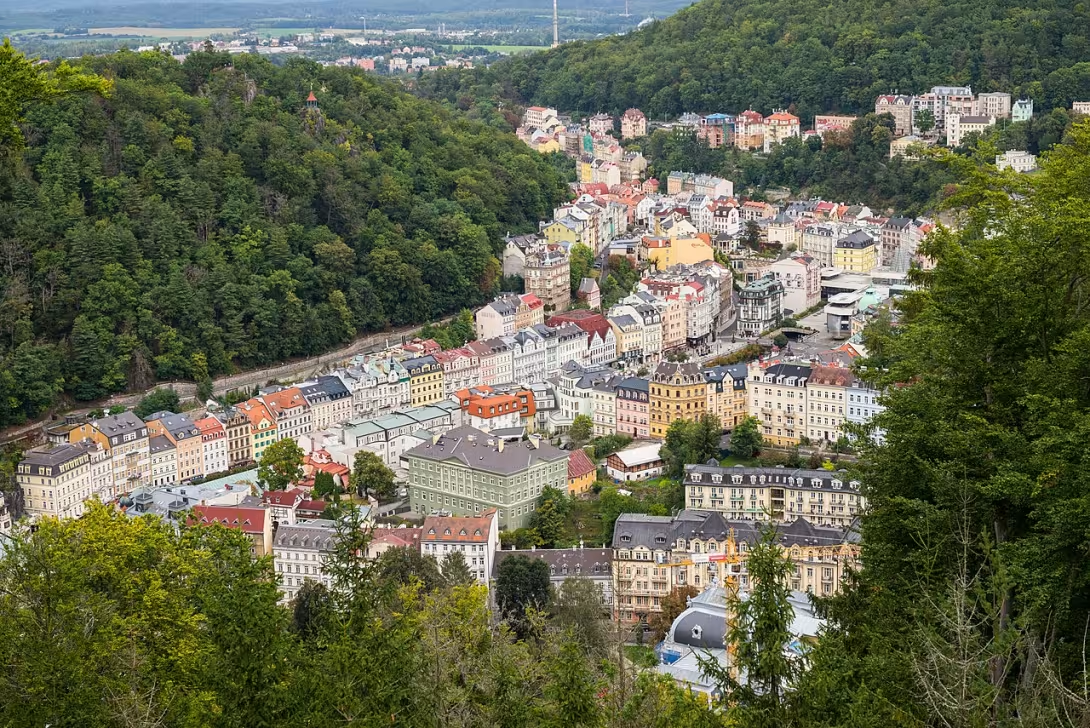

The historical appearance on the left is an AI-generated visualisation and serves as inspiration only.
Historical milestones
- 1350
- Založení Karlových Varů císařem Karel IV.
- 1370
- Přidělení městu královských privilegií.
- 1582
- Zničení města přírodním katastrofou, povodněm.
- 1604
- Vypálení města požárem.
- 19. století
- Architektonický rozvoj díky Fellnerovi a Helmerovi.
- Současnost
- Část UNESCO Světového dědictví 'Velká lázeňská města Evropy'.
Architectural development
Karlovy Vary's architectural development began modestly, with initial structures focused on accommodating the spa facilities. The town experienced significant growth after the Thirty Years' War, attracting notable European figures and leading to the construction of grand buildings like the Grandhotel Pupp. Architectural styles evolved over time, with significant contributions from Viennese architects Ferdinand Fellner and Hermann Helmer in the late 19th century.
Historical events
In 1370, Emperor Charles IV granted royal city privileges to Karlovy Vary.
The town was severely affected by a flood in 1582 and a devastating fire in 1604 that destroyed most of its buildings.
Points of interest
- Despite its reputation for healing waters, Karlovy Vary's development was initially slow due to challenging terrain and climate, delaying its growth until it received royal city privileges in 1370.
- A legend from 1571 tells of a hunting dog that discovered the town’s healing hot springs, adding an intriguing folklore element to its history.
- In 1604, Karlovy Vary experienced a devastating fire that destroyed most of its buildings, showcasing the town's resilience as it continued to thrive as a spa destination afterward.
- The architectural landscape of Karlovy Vary was significantly enriched in the late 19th century by Viennese architects Ferdinand Fellner and Hermann Helmer, who introduced new styles during a period of expansion.
- Before its rise as a spa town, Karlovy Vary faced a severe flood in 1582, which tested its endurance alongside other historical challenges like fires.
Guide
This guide is narrated by a synthetic voice generated by artificial intelligence.
Show guide text
This text was created by artificial intelligence and has not been editorially reviewed. It may contain inaccuracies.
Welcome to the enchanting historical site of Karlovy Vary, known in German as Karlsbad. As you stand here at this remarkable location, take a moment to soak in the atmosphere. You're at the confluence of the Ohře and Teplá rivers, where nature's beauty meets centuries-old history.
Karlovy Vary was founded in the mid-14th century by Emperor Charles IV. It quickly became renowned for its therapeutic hot springs, which have been a source of healing since their discovery. The town gained prominence when it received royal city privileges from Emperor Charles IV himself in 1370. Despite these early beginnings, Karlovy Vary's development was initially slow due to challenging terrain and climate.
As you look around, notice the elegant architecture that defines this area. Much of what you see today is thanks to the architectural developments of the 19th century by Fellner and Helmer. Their work has left a lasting legacy in the town’s layout and design, contributing to its status as part of UNESCO's 'Great Spa Towns of Europe.'
Now, let your imagination wander back to the year 1571, where legend tells us that a hunting dog discovered the town’s healing hot springs. This charming tale adds an element of mystique to Karlovy Vary’s rich history.
Throughout its existence, Karlovy Vary has faced challenges, including being destroyed by a flood in 1582 and burned down in a fire in 1604. Yet, it has always risen from the ashes, continuing to captivate visitors with its resilience and charm.
As you explore further, remember that each corner of this town tells a story of healing, history, and architectural beauty. We invite you to delve deeper into Karlovy Vary's past as you wander through its streets and imagine the lives of those who have walked here before you.
Thank you for joining us on this journey through time. Enjoy your visit, and may you find both inspiration and tranquility in these historic spa waters.
Tips for visitors
The best time to visit Karlovy Vary is during the late spring or early fall, when the weather is mild and pleasant for exploring both indoor and outdoor attractions. During these months, you can enjoy the lush landscapes without the crowds of summer tourists. Additionally, visiting in the shoulder seasons often means more affordable rates for accommodations and activities.
Parking and transportation options are convenient around Karlovy Vary. There are several parking facilities available near the town center, though it's advisable to check availability as they can fill up quickly during peak times. Public transport is also a viable option; buses and trams connect various parts of the city efficiently. For those preferring to explore nearby areas, renting a car might be beneficial.
When visiting Karlovy Vary, consider bringing comfortable walking shoes for exploring the town's cobblestone streets and historical sites. A light jacket or sweater is recommended as temperatures can vary throughout the day. Don't forget your camera to capture picturesque views of the spa town and its surroundings. Additionally, carrying a map or using a navigation app can help you navigate the area more easily.
For photography enthusiasts, some of the best spots in Karlovy Vary include the view from the hilltop overlooking the city, where you can capture stunning vistas at sunrise or sunset for optimal lighting. The historic spa gardens and the Old Town with its charming architecture also offer excellent photo opportunities. Early morning light often provides a soft glow that enhances the beauty of these locations.
Nearby attractions within 30 minutes include the picturesque town of Loket, known for its medieval castle perched on a hill overlooking the river. Hory offers beautiful natural landscapes and hiking trails, while Otovice is ideal for those interested in exploring historical sites like the ruins of a former monastery. These nearby locations provide great opportunities to experience more of the region's charm.
For families with children, Karlovy Vary has several attractions that cater to younger visitors. The city's parks and gardens are perfect for leisurely strolls or picnics. The local zoo offers educational exhibits about wildlife. Additionally, interactive museums can engage children while providing fun learning experiences. Always check the opening hours in advance to plan your visit accordingly.
Frequently asked questions
Can the monument be visited?
Yes. We verified the opening hours or admission on the official website (19. 9. 2026); you will find them in the visitor information on this page. Please double-check with the operator before you travel.
What are the opening hours and admission?
Details verified on the official website (19. 9. 2026) are listed in the visitor information on this page. Official website: https://mmkv.cz/
Where is the monument?
Location: Karlovy Vary, Karlovarský kraj. The map on this page shows the exact spot.
Businesses nearby
Do you run a restaurant, accommodation, shop, museum, rental, wellness or other visitor service near this monument? Show yourself directly to the people heading to it — this is how they will see you in the app and on the web:
Natáčelo se zde
- Casino Royale (2006) film
- Allmen and the Mystery of the Dahlias (2019) film
Zdroj: Wikidata (vlastnost „místo natáčení“) · Všechna filmová místa
Nearby
Karlovy Vary is surrounded by picturesque landscapes, including forests and hills. Nearby towns such as Hory, Otovice, and Loket add to the region's charm. The area is rich in natural beauty and historical sites.
Accommodation nearby
Trips and activities nearby
Guided tours, tickets and activities nearby from GetYourGuide
Affiliate link: if you buy from the partner, we may receive a commission. The price for you does not change.
Search tours and activities →Themed route
Thematic Vltava River Trail: Exploring the Karlovy Vary Region
1. Karlovy Vary Castle: Begin your journey at the iconic Karlovy Vary Castle, a stunning example of Renaissance architecture set against the backdrop of lush forests and rolling hills. This historic site offers visitors breathtaking views from its towers, along with insights into the region's rich history through well-preserved interiors.
2. Hory Village: A short drive or scenic walk from Karlovy Vary will take you to the charming village of Hory. Known for its traditional architecture and tranquil atmosphere, Hory is perfect for a leisurely stroll through cobblestone streets and quaint shops. The village's proximity to nature makes it an ideal spot for picnics amidst picturesque landscapes.
3. Otovice: Continue your exploration by visiting the serene town of Otovice, located just a few kilometers from Karlovy Vary. This area is renowned for its beautiful natural surroundings, including lush forests and gentle hills. Otovice offers opportunities for hiking or simply enjoying the peaceful ambiance of this charming locale.
4. Loket: Conclude your thematic trail with a visit to the historic town of Loket, situated further along the Vltava River. Loket is famous for its well-preserved medieval architecture, including the impressive Loketsky Castle and the picturesque Old Town Square. The town's rich history and cultural heritage make it a must-see destination on your tour.
This thematic trail offers a delightful blend of historical exploration and natural beauty, providing an enriching experience in the heart of the Karlovy Vary region.
Seasonal recommendations
Spring: Visiting Karlovy Vary Castle during spring offers a unique experience as the landscape around the historic site bursts into life with vibrant wildflowers and lush greenery, creating a picturesque backdrop for exploration. The mild weather allows visitors to comfortably wander through the castle grounds without the need for heavy layers. However, it's worth noting that this is also a popular time for tourists, so arriving early in the day can help avoid larger crowds. With longer daylight hours, there’s ample opportunity to fully appreciate the site's beauty and tranquility before heading inside.
Summer: Summer at Karlovy Vary Castle brings warm temperatures and extended daylight, making it an ideal season for those who enjoy outdoor activities. The castle grounds are particularly inviting during this time, with lush gardens and open spaces perfect for picnics or leisurely walks. However, the peak of summer also attracts a significant number of visitors, so planning your visit early in the morning is advisable to beat the crowds. Light, breathable clothing is recommended, along with sunscreen and water to stay comfortable throughout your exploration.
Autumn: Autumn transforms Karlovy Vary Castle into a serene haven, as the surrounding foliage shifts through shades of gold, amber, and red. This season offers a quieter atmosphere compared to summer, allowing for more intimate appreciation of the castle's architecture and history. The cooler temperatures make it comfortable to explore without overheating, though carrying a light jacket is wise in case of chilly winds. As daylight hours shorten, starting your visit earlier can ensure you have enough time to enjoy both the outdoor beauty and indoor exhibits.
Winter: Winter at Karlovy Vary Castle provides a magical experience with its snow-covered landscape and crisp air. The castle's historic architecture takes on an enchanting quality under winter lighting, creating a unique atmosphere that draws visitors despite the colder weather. It’s important to dress warmly in layers, including hats, gloves, and insulated boots, as temperatures can be quite low. Keep in mind that some areas of the castle may have limited access or shorter opening hours during this season, so checking ahead is recommended. Despite these considerations, a winter visit offers a peaceful retreat from the holiday bustle, with fewer crowds to contend with.
Visualizations and artistic views


The visualisations are generated by artificial intelligence and serve as inspiration.
Photos from the area
Real photos taken near the monument

Zdroj a licence jsou uvedeny u každého snímku.
Tips from visitors
No tips yet. Be the first!
Log in and add your tip.
Sources and literature
Photos: rboed* / CC BY 2.0, rozlišení zvýšeno umělou inteligencí — Wikimedia Commons. The author and licence also appear when you hover over the image.
Faktickým podkladem tohoto textu byl článek na Wikipedii, jehož autory jsou přispěvatelé Wikipedie. Článek je dostupný pod licencí CC BY-SA 4.0.
Location on the map
More monuments – Karlovy Vary
Show all in the municipality
Příběhy a pověsti
Legendy, pověsti a příběhy spjaté s touto památkou
Fotografie návštěvníků
Zatím žádné fotografie. Buďte první, kdo přidá fotografii z návštěvy!
Log in a přidejte svou fotografii nebo hodnoťte.
Za ověřenou návštěvu v aplikaci získáte víc bodů — poznáme podle GPS, že jste na místě.
Reviews and comments