






Sedlec Chateau
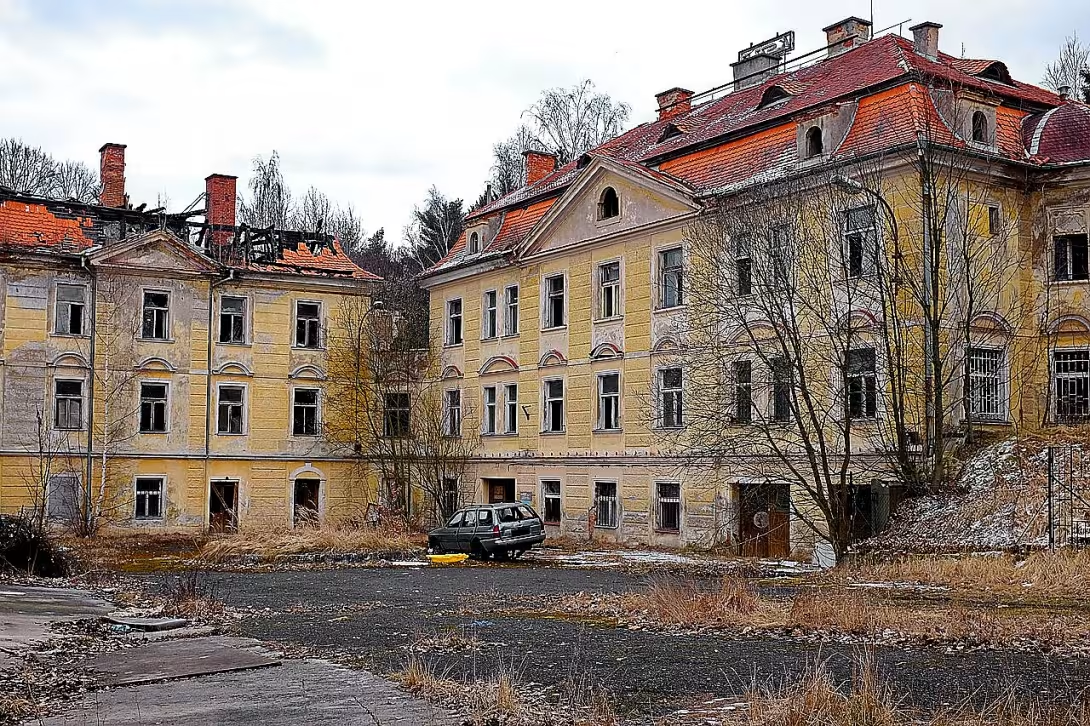
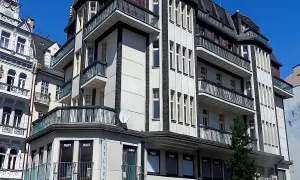
Chateau Sedlec is located on the edge of Sedlce, the local part of Karlovy Vary, in a landscape rich in mineral materials. Originally, there was only a trail to Přomilice, which defined its geographical position in the 17th century.
The construction was probably created in the second half of the 17th century as a Baroque chateau with a master brewery. As soon as the village became part of the island estate, the owner had the chateau modified shortly after 1690. In the very end of the 17th century, the Saxony-Lauenburg Marking Court stopped here. In the spring of 1698, the chateau was used as its seat by this very high guest, suggesting its representativeness.
During the 19th century, the chateau went through a number of other modifications, which were no longer related to courtly tradition, but to the newly emerging industrial activity. The production of kaolin and the associated production of porcelain changed the character of the region and the construction itself. As a result of these reconstructions, the chateau has acquired its classical form today. In 1927 he went through another reconstruction in which the east wing was created. At that time, Zentralverwaltung der Zettlitzer Kaolin-Werke A.G. was located here, managing the saddlehouse Kaolin mines. Ten years later, in 1937, another floor was added at the rear of the north facade, and a surface kaolin mine Pfeiffer-Lorenz was built near the chateau, which has been known since 1952 as mine Sedlec.
After World War II, the chateau became an administrative center. Since April 1958, the Directorate of the National Company Ceramic and glass raw materials has been located here. This industrial dimension of the chateau lasts until the early 1990s, when it went through privatisation. The ownership changed: it was acquired in 1993 by the company Ceramic raw materials Božičany, two years later converted into a public limited company Sedlecký kaolin. It is currently owned by the Russian company Green Forest.
The last chapter of the chateau's history is rather sad. The new owner didn't care about the building, and the one gradually decayed. Yet after 2010, attempts to save it appeared by entering the list of cultural monuments. However, these rescue efforts stopped the fire on 23 July 2012. Since then, the chateau has been in permanent decline and is expected to move towards its final end.
Today, the Sedlec Chateau represents the remnant of four centuries of landscape changes - from noble ambitions to an industrial centre to a neglected object. His fate is an important example of how buildings with rich history can fall into oblivion.
Then and now
Drag the slider to compare how the landmark may have looked when it was built with the view today.
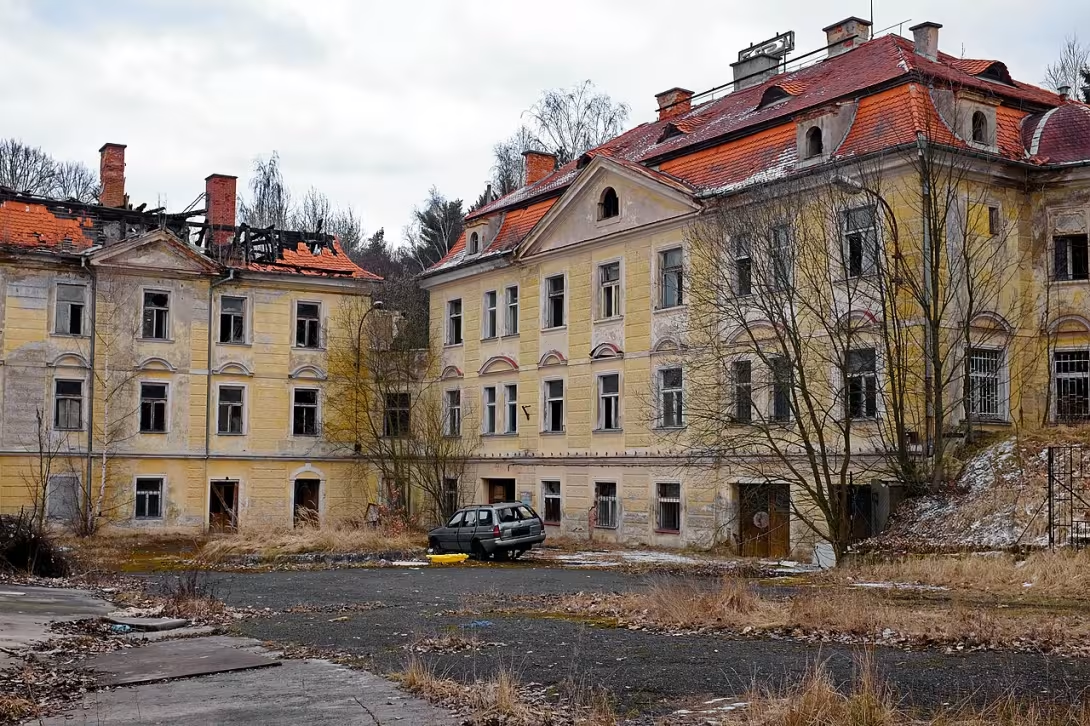
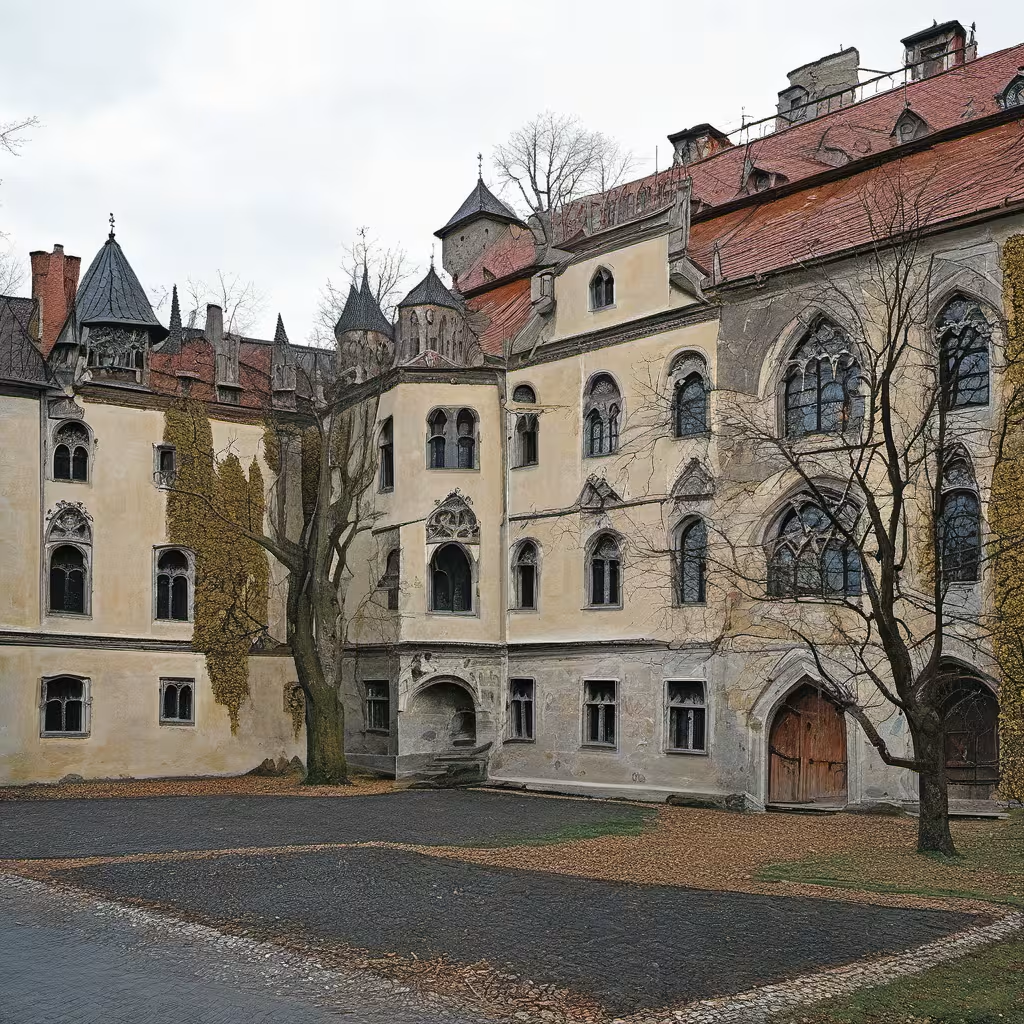
The historical appearance on the left is an AI-generated visualisation and serves as inspiration only.
Historical milestones
- 1698
- Stay of the Saxony-lauenburg Marking Court.
- 1927
- The chateau was rebuilt and the east wing was added.
Architectural development
Originally a Baroque chateau was built in the second half of the 17th century and later modified into a classical form. A new part was added in 1927 and a storey extension appeared in 1937.
Historical events
- 1698
- In the spring of 1698 there was a Saxony-Lauenburg Marking Court.
- 1927
- The chateau was rebuilt and the east wing was added.
- 2012
- The 23 July fire stopped trying to save the chateau.
Owners
After joining the village to the island estate the chateau was modified shortly after 1690. In the 19th century it underwent many modifications in connection with the extraction of kaolin. Since 1927 it belonged to Zentralverwaltung der Zettlitzer Kaolin-Werke A.G., later switched to stock company SedlecKý kaolin and is now owned by the Russian company Green Forest.
Points of interest
- The chateau was built probably in the second half of the 17th century as a Baroque mansion with a master brewery. - In the spring of 1698 he used the chateau as his seat of the Saxony-Lauenburg Marking Court. - Due to the extraction of kaolin and porcelain production, the construction has acquired its classical form today. - In 1927, an eastern wing was created during the reconstruction. - Attempts to rescue the chateau stopped the fire on July 23, 2012.
Guide
Show guide text
This text was created by artificial intelligence and has not been editorially reviewed. It may contain inaccuracies.
Welcome to the outskirts of Karlovy Vary, where you are now in front of the extinct beauty of the Sedlec Chateau. This Baroque and Classicist complex offers you not only a view of the past, but also a view of the history of this area, which is so closely linked to the extraction of kaolin and porcelain production. Here, where calm and lost memories rule today, there once was life.
The chateau was probably built in the second half of the 17th century as a Baroque mansion with a master brewery, which already suggests its rich history and importance for the region. In 1698, this impressive object was used as its seat by the Saxony-Lauenburg Marking Court, which underlines its importance in the regional context. As a result of the extraction of kaolin and porcelain production, the construction took its classical form today, with further transformation in 1927 with the addition of the east wing.
Look up and feel the atmosphere of this decrepit complex. Although the object is in a state of decline today, you can still feel its historic winds. Note the facade and architectural details that indicate the rich past of the chateau. Here, baroque elegance meets the classicist elements, creating unique aesthetics.
Although particular architects and historical personalities associated with this monument remain unknown, the presence of the chateau itself tells many stories. These were the days of full work and creation where kaolin formed the basis for the production of porcelain products, which were valued all over the world at the time.
The interesting thing is that the chateau not only served as a mansion and brewery, but also played a key role in the industrial history of the region. His connection with kaolin and porcelain reflects the spirit of the time and innovative capabilities of the then inhabitants.
Now that you've stopped at the edge of this historic monument, let's remember its meaning. Despite its present state, the Sedlec Chateau is an important part of the cultural and industrial heritage of the Karlovy Vary Region.
Allow me to invite you to further explore the area. Who knows, maybe some of these roads lead to other hidden treasures waiting to be discovered. Whether you are going into a deeper exploration of history or just searching the surrounding nature, the Sedlec Chateau will certainly give you inspiration and a memory of how far time can go. Let me say goodbye to you, and I hope that your journey through Karlovy Vary will be full of discoveries and fairy tales from the past.
Tips for visitors
For the best experience we recommend a visit during spring or autumn, when the surrounding landscape is the most beautiful and the weather is more pleasant for walking around the sights.
You can reach the place by car or through public transport; please check the current traffic connections and parking options before travelling in internet search engines.
Due to the emergency condition of the building we recommend to wear fixed shoes and clothing suitable for outdoor conditions. Don't forget your own drinking water.
The most suitable moments for photo lovers are during sunset, when the Baroque and Classicist elements of the building highlight the shadows and light.
Families with children can be interested in the history of Kaolin extraction and porcelain production, but due to the condition of the building, caution must be exercised when moving around.
Businesses nearby
Do you run a restaurant, accommodation, shop, museum, rental, wellness or other visitor service near this monument? Show yourself directly to the people heading to it — this is how they will see you in the app and on the web:
Nearby
The surrounding landscape is made up of forests and forests.
Accommodation nearby
Trips and activities nearby
Guided tours, tickets and activities nearby from GetYourGuide
Affiliate link: if you buy from the partner, we may receive a commission. The price for you does not change.
Search tours and activities →Themed route
1. Chateau tank (Type: Outdoor space) - The first meeting with the architecture of the complex and its historic atmosphere. 2. Interiors and exposition (Type: Museum) - A tour of the rooms and exhibitions that represent the rich history of this place. 3. Chateau park (Type: Natural site) - A relaxing walk in the immediate vicinity of the building with a view of the monument.
Seasonal recommendations
In the spring the gardens around the chateau wake up to life and light is very fine thanks to less cloudy days, which will be especially appreciated by the lovers of photography. The atmosphere is fresh and quieter than it was in the past months. Due to awakening nature and spring rains, we recommend good watertight shoes. Due to the emergency condition of some parts of the building, it is advisable to carry layered clothes because it may still be cold in the colder shadows near the stone walls.
The summer season brings the most intense sunlight and rich green vegetation that surrounds historical walls. In the main summer season, however, it is the most exciting season. For the best experience we recommend you arrive right after opening to avoid the biggest crowds and heat. Dress lightly, don't forget the headgear and plenty of fluids. Watch out for limited routes that may be narrowed due to ongoing repairs in the emergency state.
Autumn offers a fascinating colour spectrum of golden and brown leaves and often accompanied by a chateau mysterious morning mist that deepens its historic atmosphere. The day is shorter and the light has a golden touch, ideal for walking. It is necessary to count on slippery paths due to falling leaves and wet ground, so select fixed shoes. Prepare for cooler wind currents and wear layers that can be easily regulated.
Zimą makes a chateau in the landscape very steep and melancholy, especially when the trees are without leaves and the surrounding area covered by snow or frost. The atmosphere is the quietest, but the coldest. The opening time is shorter in advent time and during freezing days, so check it in advance. The necessity is very warm clothes, gloves and high-quality footwear with anti-slip soles, because emergency condition and snow can make roads around the sights dangerous.
Visualizations and artistic views


The visualisations are generated by artificial intelligence and serve as inspiration.
Photos from the area
Real photos taken near the monument

Zdroj a licence jsou uvedeny u každého snímku.
Tips from visitors
No tips yet. Be the first!
Log in and add your tip.
Sources and literature
Fotografie: Lubor Ferenc / CC BY-SA 4.0 — Wikimedia Commons. The author and licence also appear when you hover over the image.
Faktickým podkladem tohoto textu byl článek na Wikipedii, jehož autory jsou přispěvatelé Wikipedie. Článek je dostupný pod licencí CC BY-SA 4.0.
Location on the map
More monuments – Karlovy Vary
Show all in the municipality
Příběhy a pověsti
Legendy, pověsti a příběhy spjaté s touto památkou
Fotografie návštěvníků
Zatím žádné fotografie. Buďte první, kdo přidá fotografii z návštěvy!
Přihlaste se a přidejte svou fotografii nebo hodnoťte.
Za ověřenou návštěvu v aplikaci získáte víc bodů — poznáme podle GPS, že jste na místě.
Reviews and comments