






dům Walter Scott House
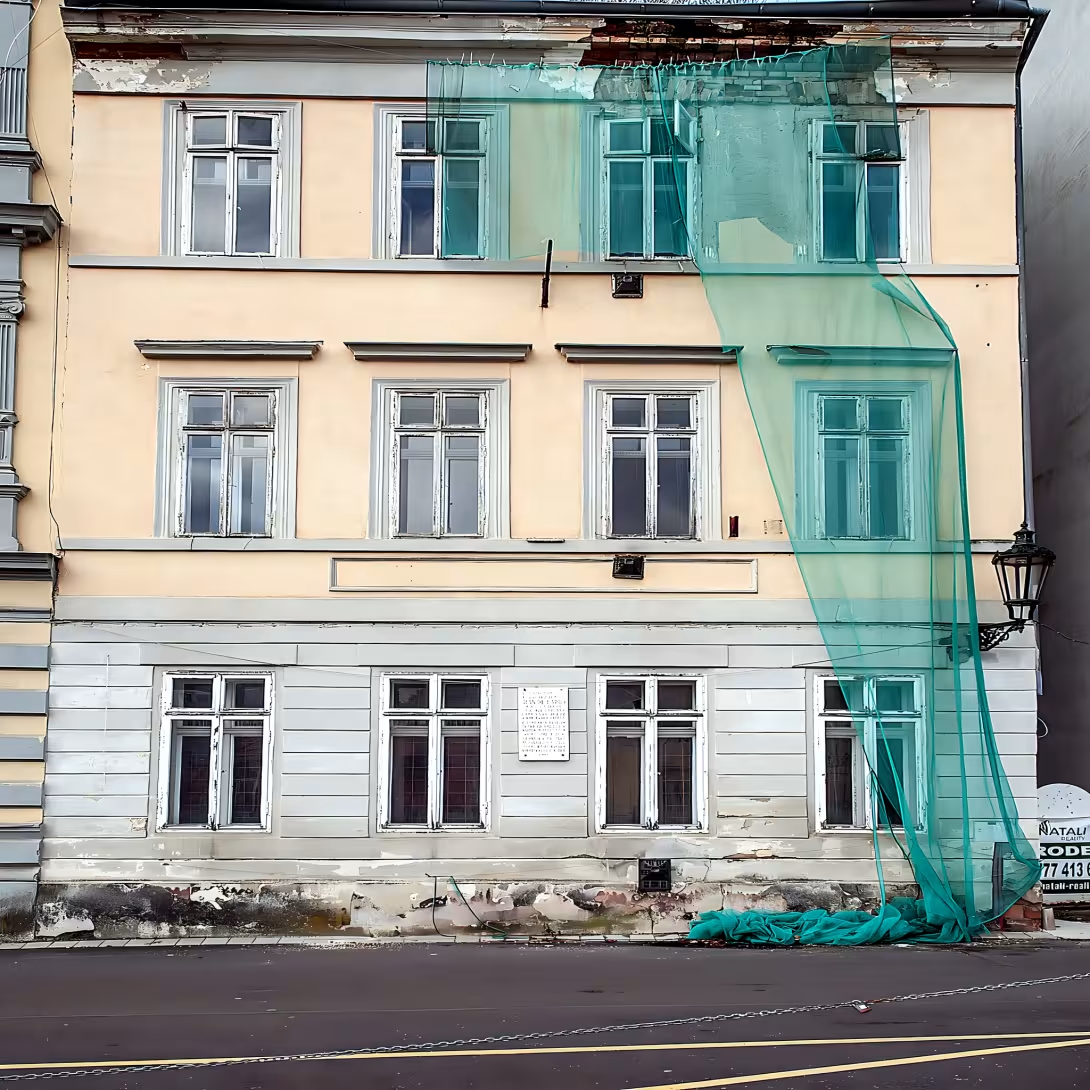
The Walter Scott House in Karlovy Vary exemplifies early 19th-century architecture, transitioning from Classicism to Romantic Historicism. Situated at Pod Jelením skokem 18 within the city's Urban Monument Zone, this two-story townhouse is significant for its historical and cultural heritage. Declared a protected cultural monument in 1991, it reflects architectural evolution of that era and links to figures like Jean de Carro and Alfred Bayer.
Constructed at the start of the 19th century, the house emerged during a time when spa towns such as Karlovy Vary thrived due to their thermal springs. This period marked a shift from Classicism towards Romantic Historicism in design, evident in its features. The structure illustrates how local architecture adapted to broader trends while retaining unique characteristics.
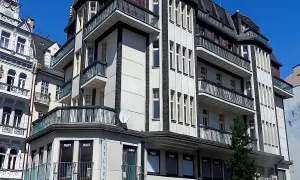
Architecturally, it boasts a four-axis facade with horizontal rustication on the ground floor and smooth plaster above. Windows are set within profiled surrounds, some featuring preserved Classicist trims that enhance its historical charm. The interior is divided into two wings connected by a single-aisle staircase, reflecting practical design typical of townhouses from that period.
Ownership has changed over time; as of February 2021, it belongs to Autototemm s. r. o., though the building remains unused and decaying. Despite its condition, preservation efforts are underway through Karlovy Vary's Urban Monument Zone regeneration program (2014-2024).
The house is associated with two notable historical figures: Jean de Carro, a renowned spa physician who lived there until his death on March 15, 1857, and Alfred Bayer, an influential architect born at the site in 1859. These connections underscore its cultural and architectural significance to Karlovy Vary.
Today, while not accessible for public visitation due to disrepair, it remains a point of interest for those exploring Karlovy Vary's historical fabric. Preservation efforts highlight its importance as part of the city's heritage. Visitors are encouraged to appreciate this architectural relic and its enduring stories within Karlovy Vary's urban landscape.
Then and now
Drag the slider to compare how the landmark may have looked when it was built with the view today.
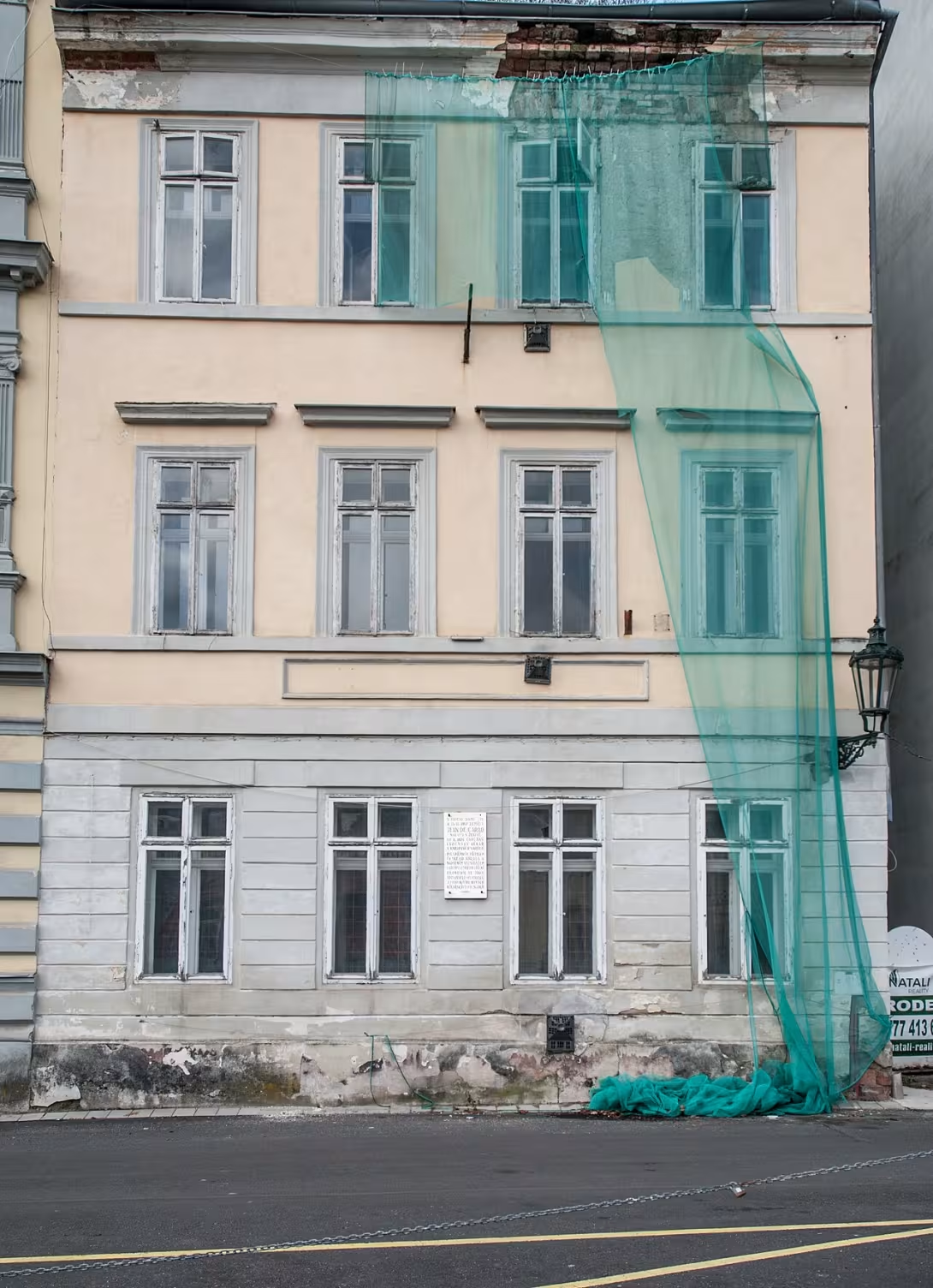
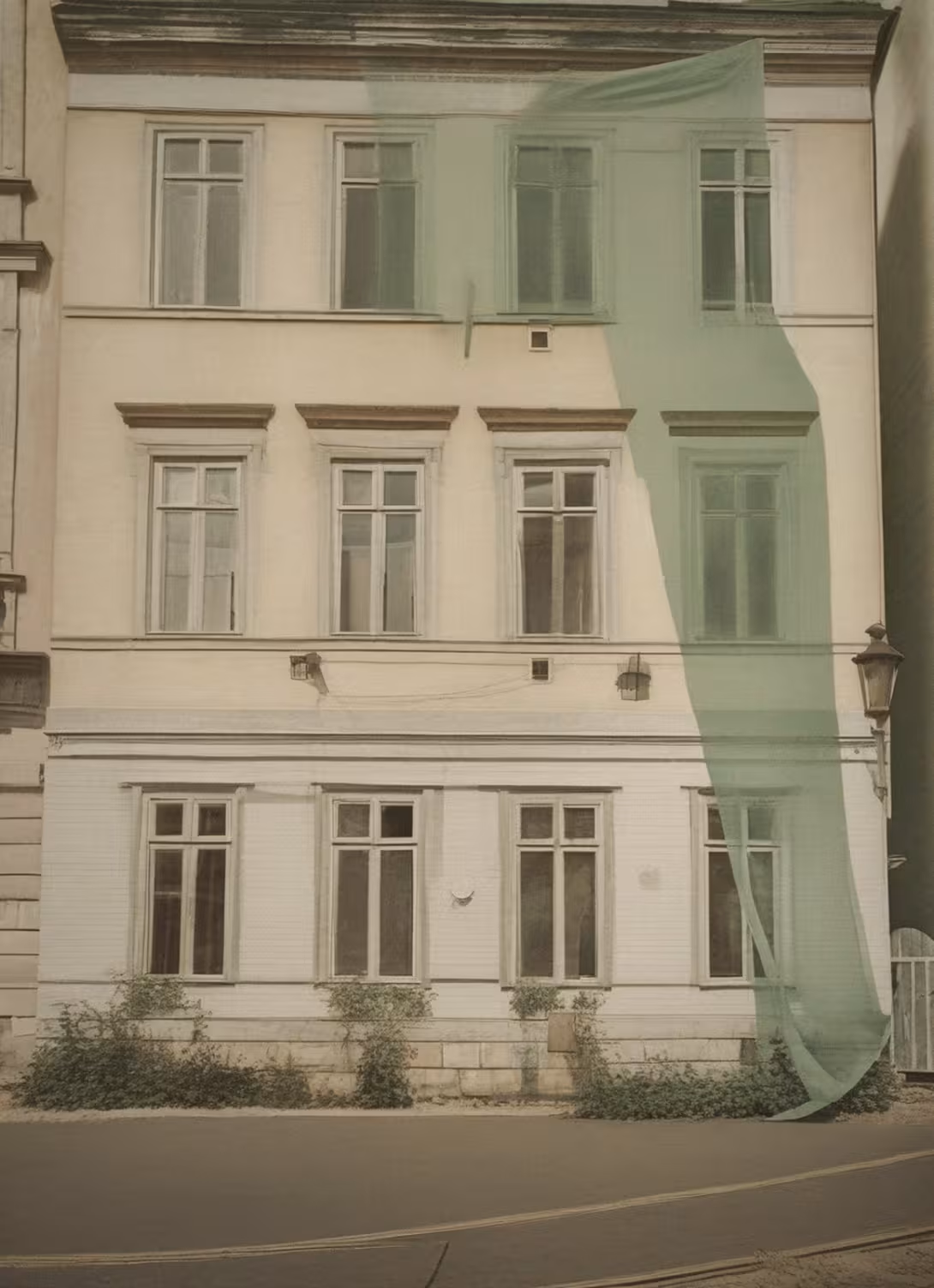
The historical appearance on the left is an AI-generated visualisation and serves as inspiration only.
Historical milestones
- 1857
- Death of the prominent spa physician Jean de Carro.
- 1859
- Birth of the significant architect and builder Alfred Bayer.
- 1991
- The house was declared a cultural monument.
- 2014
- The building was included in the regeneration program for the Karlovy Vary Urban Monument Zone.
Architectural development
The building was constructed as a two-story row house in the early 19th century. Its architectural style is characterized by Classicism and Romantic Historicism, featuring a four-axis facade and a two-wing interior layout. The ground floor is distinguished by horizontal rustication, while the upper floors have smooth plaster and profiled window surrounds.
Historical events
In 1991, the building was declared a cultural monument.
Between 2014 and 2024, the building was included in the Karlovy Vary Urban Monument Zone regeneration program.
Owners
Owned by the company Autototemm s. r. o. as of February 2021.
Points of interest
– The house exemplifies early 19th-century architecture, transitioning from Classicism to Romantic Historicism. – It was declared a protected cultural monument in 1991. – The building features a four-axis facade with horizontal rustication on the ground floor and smooth plaster above. – It is associated with Jean de Carro, a spa physician who lived there until 1857, and Alfred Bayer, an architect born at the site in 1859. – As of February 2021, the building belongs to Autototemm s. r. o., though it remains unused and decaying.
Guide
Show guide text
This text was created by artificial intelligence and has not been editorially reviewed. It may contain inaccuracies.
Welcome to the historic heart of Karlovy Vary, where you now stand before a remarkable piece of architectural heritage—the Walter Scott house. As you gaze upon this two-story townhouse nestled within the urban monument zone, imagine stepping back into the early 19th century when it first rose from its foundations.
This elegant building is an embodiment of transition, reflecting both Classicist style and later Romantic Historicism. Its four-axis facade immediately catches your eye, with horizontal rustication on the ground floor that gives way to smooth plaster above—a testament to the architectural trends of its time. As you admire this blend of textures and styles, take a moment to appreciate how it harmoniously complements the historic ambiance of Karlovy Vary.
The history of this house is deeply intertwined with notable figures who have left their mark on the city's cultural tapestry. In 1857, the renowned spa physician Jean de Carro passed away, leaving behind a legacy that influenced the medical and social life of Karlovy Vary. Just two years later, in 1859, Alfred Bayer was born. He would grow up to become a significant architect and builder, contributing to the architectural evolution of the region.
Declared a protected cultural monument in 1991, this house has been recognized for its historical significance and architectural beauty. It stands as a witness to the passage of time, having weathered changes while retaining its original charm. In 2014, it was included in the regeneration program for the Karlovy Vary Urban Monument Zone, ensuring its preservation for future generations.
As you stand here, consider the stories that have unfolded within these walls—the conversations held, the decisions made, and the lives touched by this historic edifice. The Walter Scott house is not just a structure; it's a living narrative of Karlovy Vary's rich past.
Before we move on to explore more of what this fascinating city has to offer, take one last look at this architectural gem. Notice how its design elements speak volumes about the era in which it was built and the cultural influences that shaped it.
Thank you for joining me on this brief journey through time. I invite you to continue exploring Karlovy Vary, where history and beauty converge at every corner. Until next time, enjoy your adventure!
Tips for visitors
The best time to visit the area around dům Walter Scott is during the spring or autumn months. These seasons offer mild weather that is ideal for walking through the Karlovy Vary urban monument zone without the intense heat of summer or the chill of winter.
To reach the site, you can use either public transport or a car; however, it is recommended to check a local transit search engine for current connections and to verify parking availability in the vicinity of the monument zone. Since the building is located within an urban zone, walking is often the most efficient way to navigate the immediate surroundings.
When visiting, be sure to bring comfortable walking shoes suitable for historic streets and a camera to capture the architectural details. As the building reflects both Classicist and Romantic Historicist styles, having a good lens for architectural photography is highly recommended.
For photography enthusiasts, the best light for capturing the facade of dům Walter Scott is during the golden hour. The soft, angled light of the early morning or late afternoon helps highlight the textures and stylistic transitions of the two-story townhouse.
If you are traveling with families, the Karlovy Vary urban monument zone offers a visually stimulating environment for children to observe historical architecture. However, please ensure constant supervision while navigating the urban streets and monument areas.
Businesses nearby
Do you run a restaurant, accommodation, shop, museum, rental, wellness or other visitor service near this monument? Show yourself directly to the people heading to it — this is how they will see you in the app and on the web:
Nearby
The house is situated within the Karlovy Vary urban monument zone.
Accommodation nearby
Trips and activities nearby
Guided tours, tickets and activities nearby from GetYourGuide
Affiliate link: if you buy from the partner, we may receive a commission. The price for you does not change.
Search tours and activities →Themed route
1. dům Walter Scott (Facade) – Architecture: Admire the exterior of this historic building, which is a key part of the Karlovy Vary urban monument zone.
2. dům Walter Scott (Interior) – Exhibition: Explore the inner rooms and displays to learn more about the history and significance of the site.
3. dům Walter Scott (Courtyard) – Outdoor area: Enjoy the peaceful atmosphere of the building's immediate grounds and its integration into the surrounding urban landscape.
Seasonal recommendations
Spring brings a sense of renewal to Karlovy Vary, with fresh greenery and blooming flowers framing the Walter Scott house. The soft, diffused light of the season highlights the architectural details, though the poor condition of the building adds a poignant contrast to the surrounding nature. Visitors should wear a light jacket and aim for morning visits to enjoy a peaceful atmosphere before the daily crowds arrive.
During the peak summer season, the area is bathed in bright, intense sunlight, making the colors of the city pop. The atmosphere is energetic and bustling, though the weathered state of the Walter Scott house serves as a quiet reminder of the past amidst the noise. To avoid the heaviest tourist crowds, it is best to arrive early in the day and wear breathable, lightweight clothing to stay comfortable in the heat.
Autumn transforms the surroundings into a palette of gold and amber, creating a melancholic mood that complements the building's dilapidated state. The misty mornings and soft, golden hour light provide a dramatic backdrop for photography. Since the crowds thin out, it is a great time for a leisurely stroll; however, layered clothing is essential to handle the cooling temperatures.
In winter, the Walter Scott house stands in stark contrast against the white snow and frosty air, lending the site a quiet, frozen-in-time quality. The atmosphere is serene and still, though the building's poor condition may make it feel particularly fragile in the cold. Visitors must dress in warm, thermal clothing and should be mindful of shorter operating hours typical of the advent period.
Visualizations and artistic views


The visualisations are generated by artificial intelligence and serve as inspiration.
Photos from the area
Real photos taken near the monument

Zdroj a licence jsou uvedeny u každého snímku.
Tips from visitors
No tips yet. Be the first!
Log in and add your tip.
Sources and literature
Fotografie: Zorka Sojka / CC BY-SA 4.0, rozlišení zvýšeno umělou inteligencí — Wikimedia Commons. The author and licence also appear when you hover over the image.
Faktickým podkladem tohoto textu byl článek na Wikipedii, jehož autory jsou přispěvatelé Wikipedie. Článek je dostupný pod licencí CC BY-SA 4.0.
Location on the map
More monuments – Karlovy Vary
Show all in the municipality
Příběhy a pověsti
Legendy, pověsti a příběhy spjaté s touto památkou

Fotografie návštěvníků
Zatím žádné fotografie. Buďte první, kdo přidá fotografii z návštěvy!
Přihlaste se a přidejte svou fotografii nebo hodnoťte.
Za ověřenou návštěvu v aplikaci získáte víc bodů — poznáme podle GPS, že jste na místě.
Reviews and comments