



Kazín Hillfort
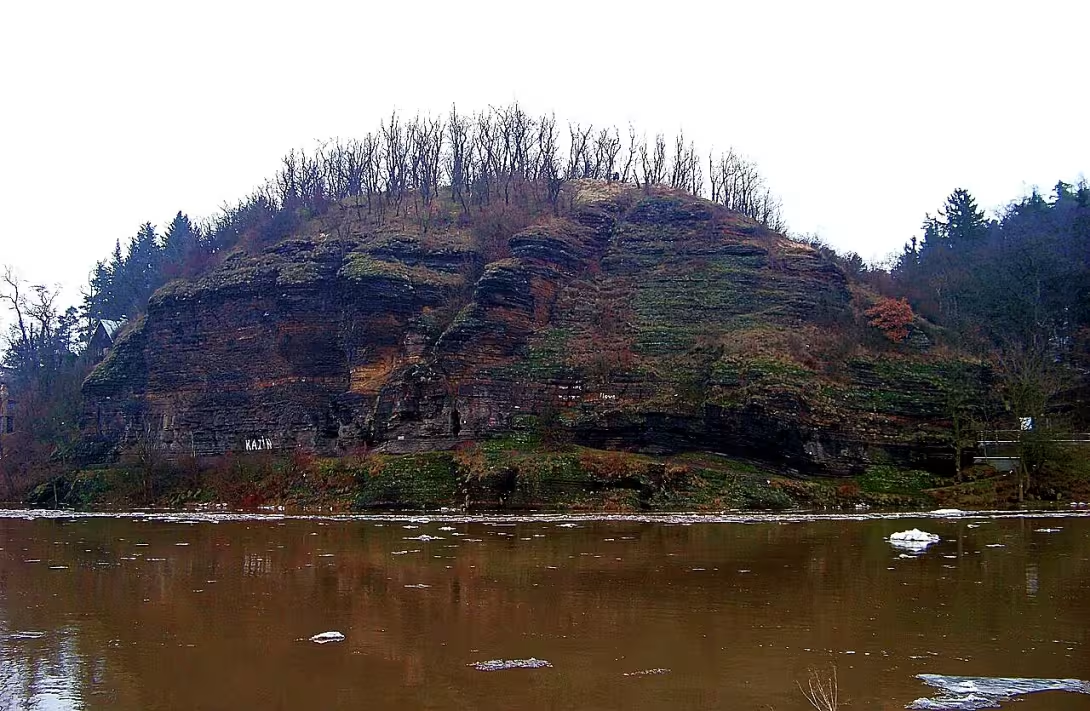
Kazín is an archaeological site that forms a prehistoric high fortified settlement and a extinct top medieval castle. It is located on a rock island above the right bank of Berounka, north of the village of Jíloviště. The location is a remarkable history dating back to the middle of the eneolite, namely the period of Roman culture. Archaeological traces are protected as a cultural monument, which confirms their importance for understanding the history of the region.
The history of Kazína is rich and diverse. The prehistoric fortification was evidenced by the findings from the final phase of the central eneolite, which confirms its role as a settlement of the native culture. The original medieval name of the place is unknown; The name Kazín was only associated with the hill during romanticism in the nineteenth century. August Sedláček misidentified the site with Bluk, which reflected the historical concept at the time. The extent and form of the terrain remains correspond to the medieval castle, but in the literature reported findings from this time are lost. The nineteenth century has brought important knowledge, especially thanks to the archaeological survey of Jan Axamit focused on the primordial phase of settlement.
The Kazína architecture consists of the remains of the ancient castle and medieval castle. The fort is situated on an island in the east-west direction and consists of a core and a forefront. The forefront has a rectangular shape and is surrounded by a wide moat in the north and east. South side is showing signs of a park. The core separates another ditch from the foothills and its surface is very chipped. Field formations cannot be identified with certainty as the remains of structures or excavations. However, the inequalities may consist of large long structures and smaller structures along the northern edge of the core.
Key events include the archaeological research of Jan Axamita, who focused on prehistoric settlement. In the nineteenth century August Sedláček erroneously linked the site to Bluk's fortress, reflecting the historical misunderstanding at the time. Václav Krolmus also described at the top stone walls which were part of medieval structures.
Today Kazín is a protected cultural monument that attracts archaeologists and historians. Field remains are significant, but their interpretation is challenging. It caused damage from 19-century excavations and later surveys. Although the exact form of the buildings is difficult to distinguish, the location provides valuable information about the prehistoric and medieval settlement of the region.
Kazín is an important monument due to its historical context and archaeological value. Visiting the site offers a unique opportunity to explore the heritage of the past and understand the development of human settlements in this area. It is a place worth visiting anyone who is interested in the history and archaeology of the Czech Republic.
Historical milestones
- kola 3500-2800 BC l.
- Residency in the period of middle eneolite and the existence of roman culture
- around 1300
- Existence of the highest medieval castle on the rock edge
- 19th Century
- Name of place Kazín and archaeological survey Jan Axamita
- 19th Century
- Wrong location identification August Sedláček with Bluk Castle
Architectural development
The location contains remains of an ancient castle and medieval castle. The terrain services include a core and a rectangular front with moats and signs of a park. The exact form of the buildings is difficult to distinguish due to the nature of the terrain and historical excavations.
Historical events
In the nineteenth century, the archeological research of Jan Axamita focused on the prehistoric phase of the settlement. During this period August Sedláček erroneously connected the site with Bluk's fortress.
Points of interest
- Kazín is an archaeological site with a prehistoric high-rise fortified settlement and a extinct high medieval castle. - The location is a remarkable history dating back to the middle of the eneolite, namely the period of the Roman culture. - August Sedláček misidentified Kazín with Bluk's fortress in the nineteenth century. - Jan Axamita's archaeological survey focused on the prehistoric phase of the settlement. - Václav Krolmus described stone walls that were part of medieval structures.
Guide
Show guide text
This text was created by artificial intelligence and has not been editorially reviewed. It may contain inaccuracies.
Welcome to a unique place where history and archaeology intersect into a fascinating pattern that tells stories from ancient times. You are standing in front of Kazín, an archaeological site that awaits you with mystery and beauty. In front of you you have a rock island on the right bank of Berounka, north of the village of Jíloviště, where long before our time people settled their settlement. Notice the way the soil rises and separates itself as if it wanted to tell its own epoch.
Let's move on to the past to discover what makes this piece of land so fascinating. In the period around 3500 to 2800 BC, this place was inhabited in the middle of the eneolithic era, namely by the rodent culture. At the time, people were building a fortified settlement that consisted of a core and a foothold of separate moats. This structure not only provided protection, but also witnessed the life of a community whose traces are now preserved in these archaeological remains.
Now pay attention to the architectural remains that extend before you. Although specific details are not visible as they once were, the atmosphere of the place is beautiful. Notice how the terrain rises and descends, reminding today's observer that this was a place for defense and life. Although unknown architects have designed this structure, their ideas and efforts are still evident in how the terrain has evolved.
Among the historical personalities associated with Kazín we will find Auguste Sedláček, Jan Axamita and Václav Krolmus. August Sedláček in the 19th century misidentified this place with the antiquities of Bluk, which added another layer of mysticism to the history of Kazína. Jan Axamit then conducted an archaeological survey in the same century, which helped clarify the true nature of this place.
The interesting thing is that Kazín reminds us of the importance of history and how our knowledge of the past can be constantly revised. Although it has been misidentified in the past, every new discovery brings a better understanding of how our ancestors lived and interacted with their surroundings.
I call on you to explore this fascinating place again. Every trace, every residue structure can contribute to a better understanding of our roots. Whether you dive into history or just explore the area with new vision, Kazín offers countless opportunities to discover. Thank you for your visit and I hope this guide inspired you to further explore our rich history.
Tips for visitors
For the best experiences we recommend a visit during late spring or early autumn, when the weather is more stable and nature is the most beautiful. It is ideal to use light during the golden hour just before sunset when the landscape lights up beautifully.
Due to the more demanding terrain, it is strongly recommended to wear firm and comfortable shoes suitable for moving in a rocky and uneven environment.
Take plenty of drinking water and snacks with you because there is no restaurant or shop facilities on site. For families with children, walking around the remains of old fortifications represents an interesting opportunity to discover history in the natural landscape.
In the surroundings you can visit the village of Jíloviště, the Humensko Castle or the walks by the Berounka River, which is an ideal addition to the trip in this location.
Frequently asked questions
Can the monument be visited?
This is an archaeological site. Often there is little to see on the ground and the land may be private. We have not verified access.
Where is the monument?
Location: Středočeský kraj. The map on this page shows the exact spot.
Why is the monument protected?
It is listed in the Central List of Cultural Monuments of the Czech Republic as a cultural monument (register no. 1000148206).
Businesses nearby
Do you run a restaurant, accommodation, shop, museum, rental, wellness or other visitor service near this monument? Show yourself directly to the people heading to it — this is how they will see you in the app and on the web:
Events nearby
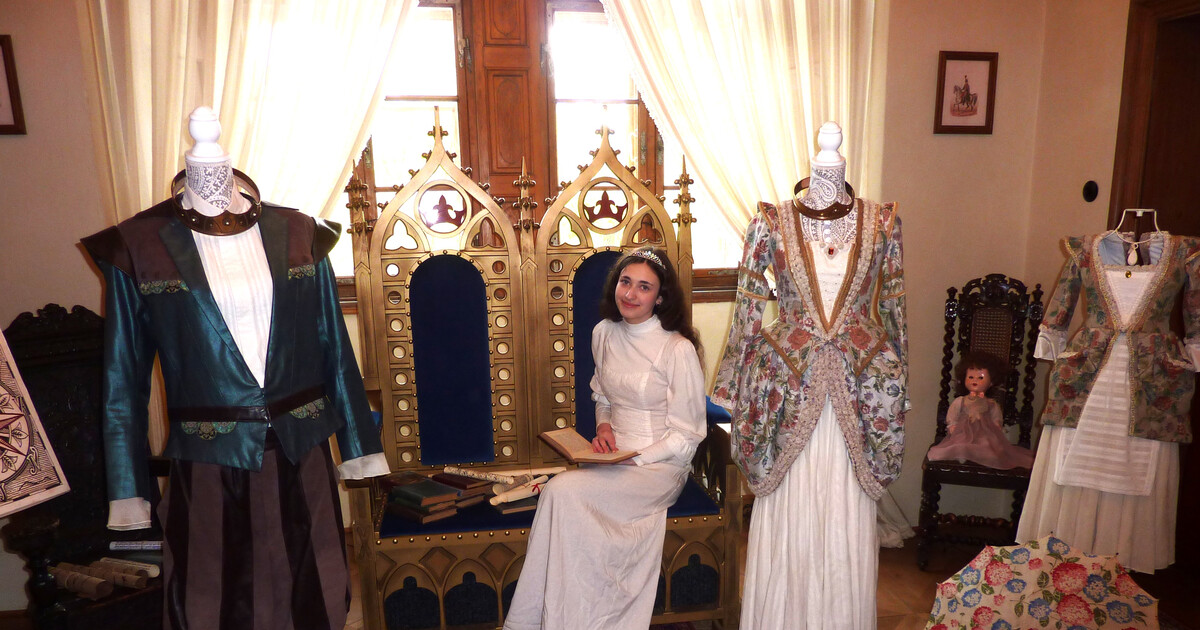

Zdroj akcí: otevřená data měst a obcí ČR (Národní katalog otevřených dat) a kalendář akcí Národního památkového ústavu.
Nearby
Berounka River, Humensko Castle, Jíloviště Municipality
Accommodation nearby
Trips and activities nearby
Guided tours, tickets and activities nearby from GetYourGuide
Affiliate link: if you buy from the partner, we may receive a commission. The price for you does not change.
Search tours and activities →Themed route
1. Municipality of Jíloviště (Municipality): Suitable starting point for the whole walk through the countryside. 2. Humensko Hradiško (Hradiště): Historical fortification, which offers insight into ancient ways of life. 3. Kazín (Archaeological site): The main destination of a trip with unique findings from prehistoric times. 4. Berounka River (Water flow): Natural completion of a route suitable for relaxing by water.
Seasonal recommendations
In spring the site comes alive with the arrival of the first green and flower meadow flowers, which gently encapsulate the remains of ancient buildings. The atmosphere is fresh and full of hope, with the morning dew giving the ruins a mysterious touch. We recommend moisture-resistant shoes because the terrain can be muddy when the ground is thawed. An ideal visit in the morning is when the air is the cleanest.
The summer season brings a sharp light that highlights the texture of stone and the details of archaeological layers. Nature around here is in a full hall, but heat can be exhausting. To avoid the biggest crowds and the burning sun, come first thing in the morning. Don't forget to wear light clothes, hat and plenty of fluids because there's no shadow in the area.
The autumn will turn the space into a melancholy scene with golden colours of leaves and frequent fog that obscure the horizon. Lighting is softer and more saturated, which creates ideal conditions for shooting historical slits. Due to the variable weather, choose layered clothes and waterproof jacket. The best time is the late afternoon, when the sun drops to the horizon.
In winter, the ruins of Kazín work strictly and minimally, especially if they are covered with a layer of snow that dampens all sounds. There is a deep silence and a sense of isolation from the modern world. It is necessary to wear warm and waterproof clothes, including gloves and hats. Count on a shorter access time and we recommend a short, intensive tour in the morning.
Visualizations and artistic views


The visualisations are generated by artificial intelligence and serve as inspiration.
Photos from the area
Real photos taken near the monument

Zdroj a licence jsou uvedeny u každého snímku.
Tips from visitors
No tips yet. Be the first!
Log in and add your tip.
Sources and literature
Photos: ŠJů (cs:ŠJů) / CC BY-SA 3.0 — Wikimedia Commons. The author and licence also appear when you hover over the image.
Faktickým podkladem tohoto textu byl článek na Wikipedii, jehož autory jsou přispěvatelé Wikipedie. Článek je dostupný pod licencí CC BY-SA 4.0.
Location on the map





Příběhy a pověsti
Legendy, pověsti a příběhy spjaté s touto památkou

Fotografie návštěvníků
Zatím žádné fotografie. Buďte první, kdo přidá fotografii z návštěvy!
Log in a přidejte svou fotografii nebo hodnoťte.
Za ověřenou návštěvu v aplikaci získáte víc bodů — poznáme podle GPS, že jste na místě.
Reviews and comments