



Klášter benediktinů v Orlové Monastery
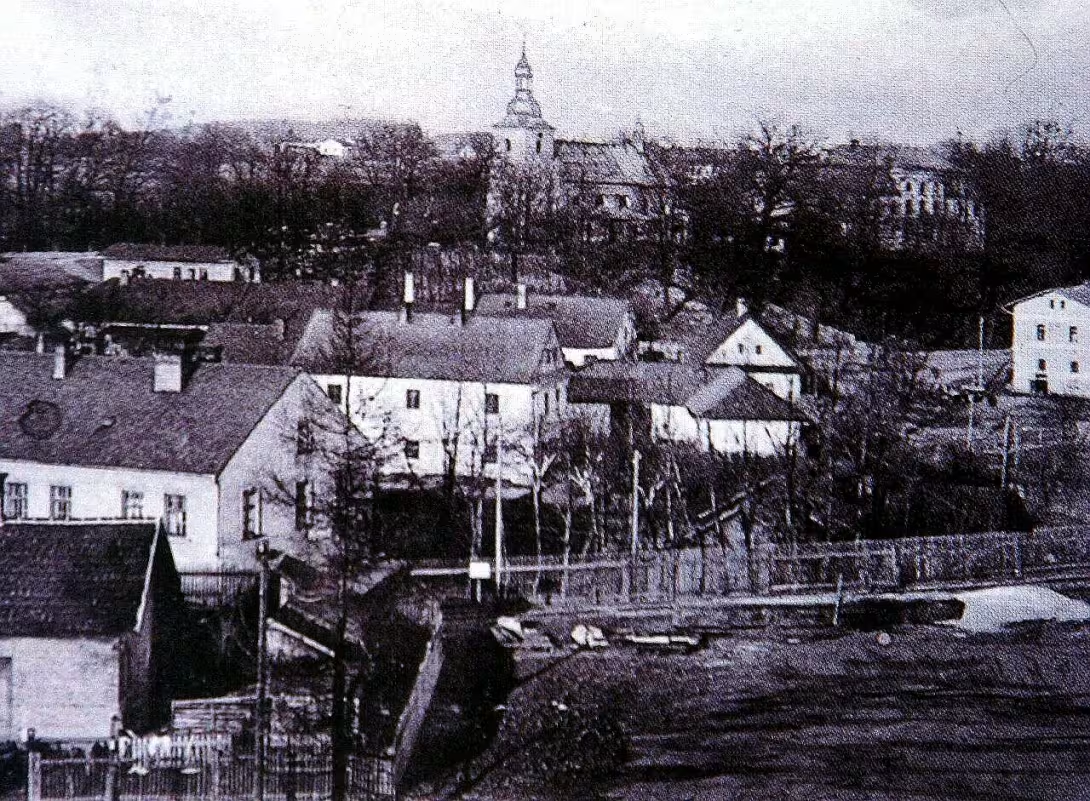
Objekt se nedochoval — na místě dnes nestojí. Následující text popisuje jeho historii, ne současnou návštěvu.
The Benedictine Monastery in Orlová is a historical site located in Orlová, within the Moravian-Silesian Region of the Czech Republic. Established around 1268 by monks from Tyniec Abbey near Kraków, it played a crucial role in developing and colonizing its surrounding area during the Middle Ages. Its significance extends beyond religious functions to include contributions to agriculture and manual labor that supported local communities.
The origins of the Benedictine Monastery in Orlová are linked to the broader expansion efforts of the Benedictine order across Europe in the early 13th century. Initially part of the Duchy of Opole and Racibórz, its political landscape was shaped by a 1261 treaty defining borders between Upper Silesia and Moravia. The monastery's establishment aimed to strengthen these borders under Władysław Opolski's directive, serving as an extension of Tyniec Abbey. This strategic move facilitated the Benedictine monks' efforts in cultivating land and establishing nearby villages like Poruba and Lazy.
Architectural details about the monastery are limited; its primary focus was on agricultural development rather than significant architectural achievements. The monks were instrumental in creating new settlements and supporting local colonization through labor-intensive activities, emphasizing practical work over artistic or scientific endeavors.
Ownership of the Orlová Monastery changed dramatically over time. Initially under the Benedictine order from Tyniec Abbey, it experienced a major shift when Václav III Adam secularized its holdings in 1561. This act ended the monastery's religious autonomy and led to the confiscation of its remaining assets by the duke. Despite these challenges, the church within the monastery complex remained intact while other structures were demolished.
Key events in the monastery's history include its initial establishment and subsequent secularization. Financial difficulties in the early 15th century prompted monks to sell parts of their property for survival. The Reformation in the Duchy of Teschen during the 1540s further complicated matters, culminating in a conflict with Orlová's abbot that ended unfavorably for the monastery. Despite these adversities, the Benedictine congregation in Broumov assumed oversight of the abbey in 1718.
Today, the site of the Benedictine Monastery in Orlová stands as a testament to its historical significance and enduring legacy. While much of the original structures have not survived, the church remains a focal point for visitors interested in exploring this piece of medieval history. The monastery's role in regional development through agriculture and colonization continues to be recognized, making it a worthwhile destination for those keen on understanding the cultural and historical fabric of the Moravian-Silesian Region.
The Benedictine Monastery in Orlová offers a unique glimpse into the past, highlighting the intersection of religious influence and local development. Its history is a reminder of the transformative power of monastic communities in shaping regional landscapes. Visitors are invited to explore this site, where echoes of its storied past continue to resonate amidst the serene surroundings of modern-day Orlová.
Then and now
Drag the slider to compare how the landmark may have looked when it was built with the view today.
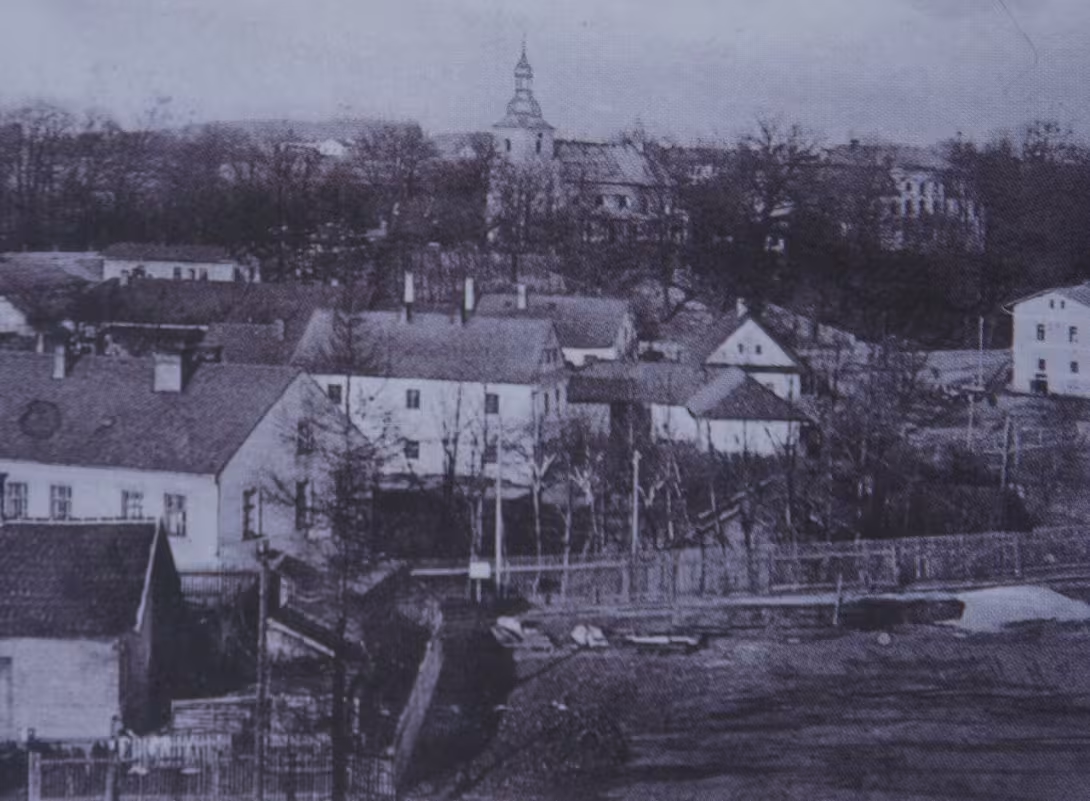
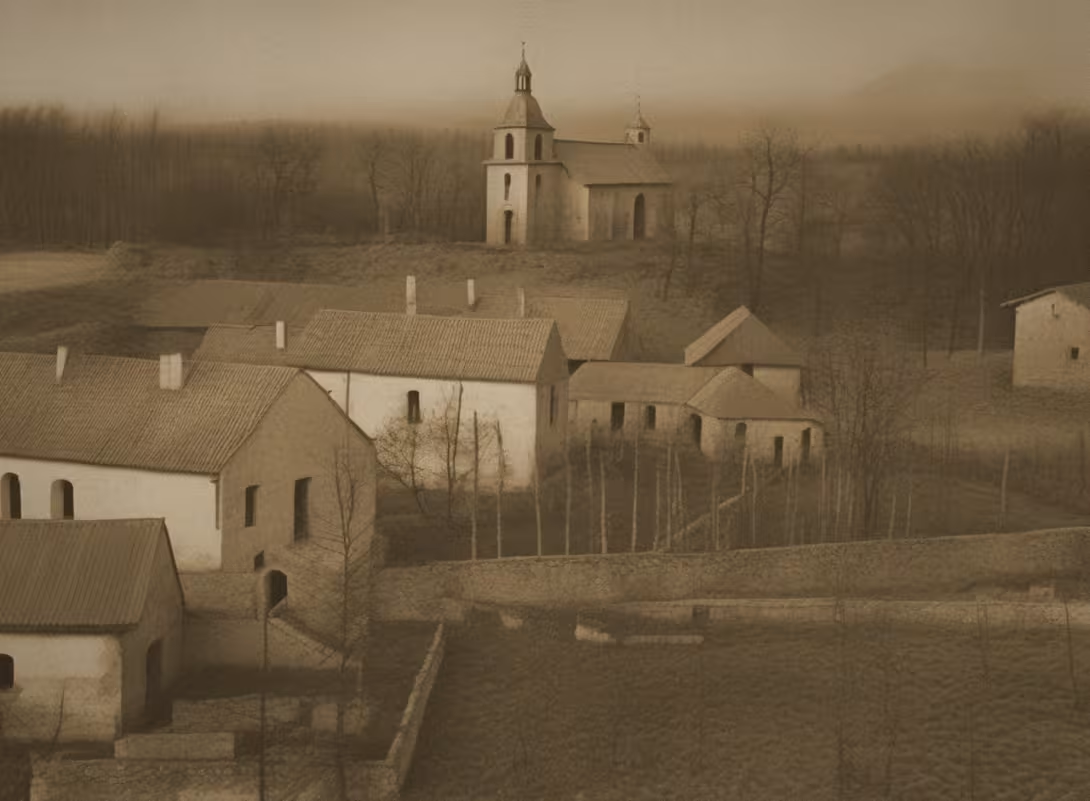
The historical appearance on the left is an AI-generated visualisation and serves as inspiration only.
Historical milestones
- 1268
- Establishment of the Benedictine Monastery in Orlová.
- 1261
- Treaty defining borders between Upper Silesia and Moravia.
- 1561
- Secularization of the monastery's holdings by Václav III Adam.
- Early 15th century
- Monks sold parts of their property due to financial difficulties.
- 1540
- Reformation in the Duchy of Teschen affected the monastery.
- 1718
- Benedictine congregation in Broumov assumed oversight of the abbey.
Architectural development
The monastery's architectural development is not well-documented, but it was primarily involved in agricultural and manual labor activities rather than significant construction or artistic endeavors. The focus was on cultivating the surrounding land and supporting local colonization.
Historical events
Established in the early 13th century by monks from Tyniec Abbey near Kraków.
Secularization occurred in 1561 under Václav III. Adam.
Owners
Initially owned by the Benedictine order from Tyniec Abbey, it was later secularized in 1561 by Václav III. Adam.
Points of interest
- The Benedictine Monastery in Orlová was established as part of a strategic effort to strengthen political borders between Upper Silesia and Moravia, reflecting the geopolitical dynamics of medieval Europe.
- In 1561, Václav III Adam secularized the monastery's holdings, marking a significant shift from religious to secular control that led to the confiscation of its assets by the duke, an event illustrating the impact of broader European political changes on local institutions.
- Despite being dismantled in many parts, the church within the Orlová Monastery complex remains intact, serving as a historical anchor and focal point for visitors interested in medieval religious architecture and history.
- The Benedictine congregation in Broumov took over oversight of the monastery in 1718, showcasing how distant monastic communities could influence local religious institutions during times of crisis or transition.
- The establishment of nearby villages like Poruba and Lazy by the monks highlights their role not just as spiritual leaders but also as pioneers in regional development through agriculture and colonization efforts.
Guide
This guide is narrated by a synthetic voice generated by artificial intelligence.
Show guide text
This text was created by artificial intelligence and has not been editorially reviewed. It may contain inaccuracies.
Welcome to the historic site of the Benedictine Monastery in Orlová, nestled in the beautiful Moravian-Silesian Region of the Czech Republic. As you stand before this remarkable landmark, imagine yourself transported back to the early 13th century when monks from the Tyniec Abbey near Kraków first established this spiritual haven. The monastery's presence here was not merely a religious endeavor; it played a pivotal role in shaping the geopolitical landscape by strengthening political borders between Upper Silesia and Moravia.
As you take in your surroundings, notice how the architecture of the monastery speaks volumes about its storied past. While specific architectural details are not documented, the aura of history is palpable. The layout and remnants suggest a place designed for both spiritual reflection and practical community support. Feel free to wander around and absorb the atmosphere that has been preserved through centuries.
Let's delve into some key narratives associated with this site. In 1268, the monastery was officially established, marking an important chapter in regional history. By 1561, Václav III Adam had secularized its holdings, a significant shift reflecting broader changes of the era. This period also saw monks facing financial challenges, leading them to sell parts of their property in the early 15th century.
The monastery's story is further enriched by figures like Lutfryd and events such as the Reformation in the Duchy of Teschen around 1540. In 1718, the Benedictine congregation in Broumov took over its oversight, ensuring its continued influence and preservation.
Now, let’s uncover a fascinating aspect: this monastery was part of a strategic effort to fortify political borders between Upper Silesia and Moravia. Such geopolitical dynamics were crucial during medieval times, highlighting how religious institutions often played roles beyond spiritual guidance.
As you conclude your visit, I invite you to explore further, perhaps delving into the nearby villages such as Poruba and Lazy that owe their existence to this monastery's early influence. Thank you for joining me on this journey through time at the Benedictine Monastery in Orlová. Safe travels as you continue discovering more of history’s treasures.
Businesses nearby
Do you run a restaurant, accommodation, shop, museum, rental, wellness or other visitor service near this monument? Show yourself directly to the people heading to it — this is how they will see you in the app and on the web:
Events nearby
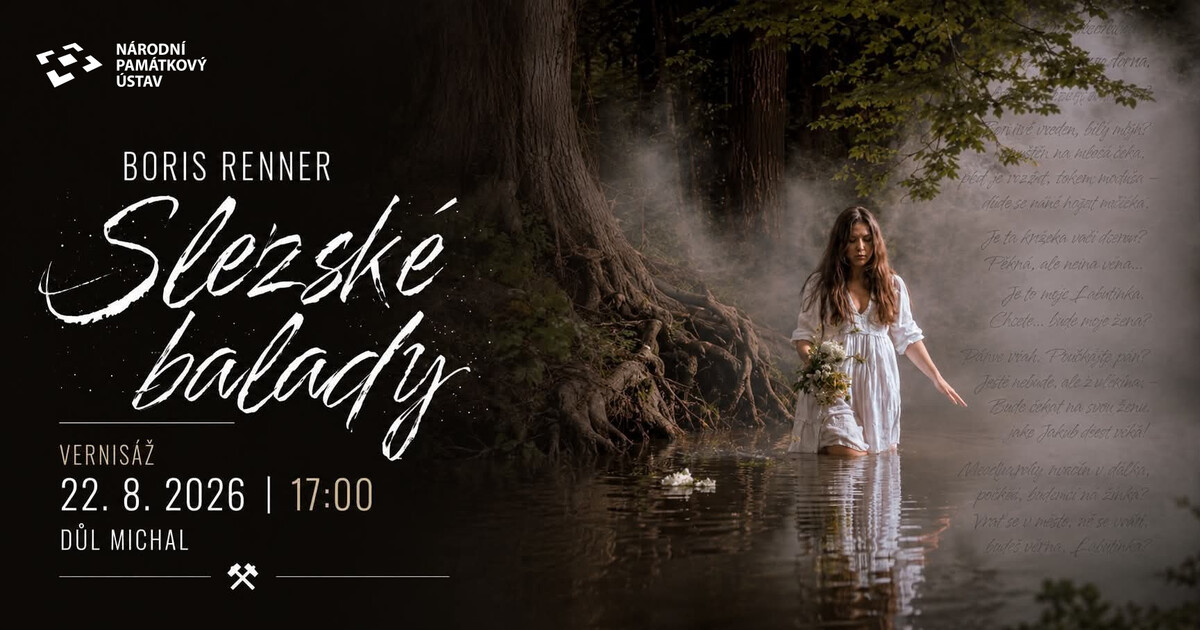
Zdroj akcí: otevřená data měst a obcí ČR (Národní katalog otevřených dat) a kalendář akcí Národního památkového ústavu.
Nearby
Orlová is situated near other historical sites, including Fryštát, known for its salt springs. The landscape around Orlová includes natural features typical of the Moravian-Silesian region.
Visualizations and artistic views


The visualisations are generated by artificial intelligence and serve as inspiration.
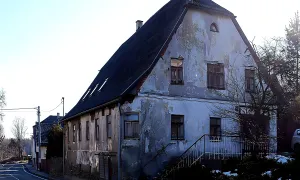
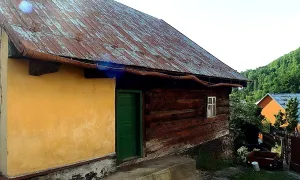
Photos from the area
Real photos taken near the monument

Zdroj a licence jsou uvedeny u každého snímku.
Tips from visitors
No tips yet. Be the first!
Log in and add your tip.
Sources and literature
Photos: Grandziok, Tejkal, Pawłowicz / Public domain — Wikimedia Commons. The author and licence also appear when you hover over the image.
Faktickým podkladem tohoto textu byl článek na Wikipedii, jehož autory jsou přispěvatelé Wikipedie. Článek je dostupný pod licencí CC BY-SA 4.0.
Location on the map

Příběhy a pověsti
Legendy, pověsti a příběhy spjaté s touto památkou

Fotografie návštěvníků
Zatím žádné fotografie. Buďte první, kdo přidá fotografii z návštěvy!
Log in a přidejte svou fotografii nebo hodnoťte.
Za ověřenou návštěvu v aplikaci získáte víc bodů — poznáme podle GPS, že jste na místě.
Reviews and comments