



Klášter dominikánů (Nymburk) Monastery
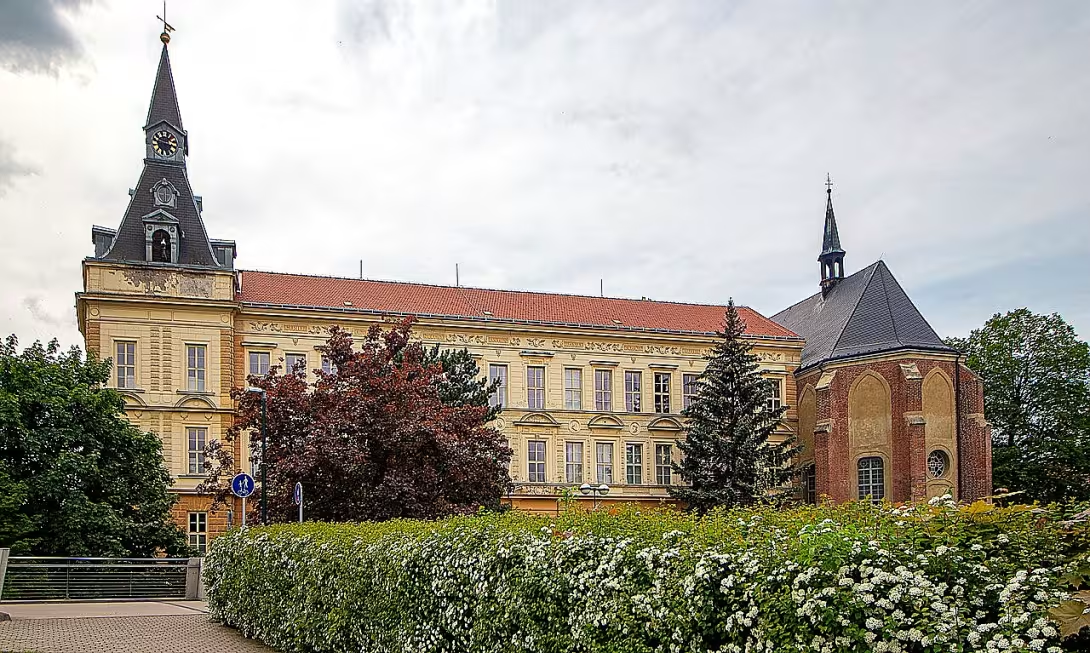
Objekt se nedochoval — na místě dnes nestojí. Následující text popisuje jeho historii, ne současnou návštěvu.
The Dominican monastery in Nymburk is an important cultural monument in Nymburk in the Středočeský kraj region. Founded around 1275 by King Přemysl Otakar II, he served as a religious and educational center until his dissolution in 1789. Its history includes a period of growth, destruction during the Hussite Revolution and possible reconstruction.
The origin of the monastery dates back to the end of the 13th century when King Přemysl Otakar II provided the ground for its construction. At this time, the Czechs consolidated under the Premyslid Dynasty and supported regional development. The monastery quickly became a key religious institution, supported by personalities such as Smil of Lichtenburg, Mutina and Budek of Poděbrad. At the end of the 14th century, she accommodated forty monks and received many gifts, suggesting his prosperity.
Architectural construction began at the end of the 13th century. Despite significant destruction during the Hussite Revolution around 1421, parts of the building survived, including Gothic brick presbyters and sections of walls. The reconstruction took place in the mid-17th century, completed in 1674, which means the restoration of religious activities with active Dominican participation.
Property and administration have changed dramatically over time. Originally under the Dominican Order from 1275 to 1421 she faced destruction during the Hussite Revolution. The reconstruction began in 1663 and the monastery was refounded until its dissolution by Josef II in 1789. Post-dissolution, parts of the building have been redesigned for educational and municipal use.
Key events include its destruction during the Hussite Revolution in 1421 and subsequent reconstruction begins in 1663. After renewal, religious life revived with contributions from local Dominicans such as Player, author of "De Homine Angelico." By 1785, however, the reforms of Joseph II had led to disintegration and ended the era.
Today, this place has historic significance and is accessible to visitors interested in its rich past. While a large part of the original structure has been reworked or lost, the remains like the Gothic brick presbytery offer a look into its architectural heritage. The history of the monastery reflects wider social and religious transformations in Bohemia, which makes it valuable for exploring the cultural heritage of the region.
The Dominican monastery in Nymburk stands as proof of the dynamic history of the area and offers views of medieval monastic life and historical tremors. Visitors are invited to explore this monument and appreciate its continued importance in the midst of the emerging landscape of Bohemia.
Then and now
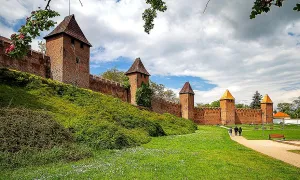
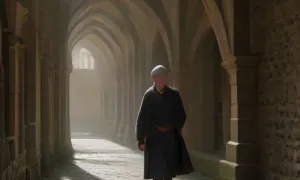
Drag the slider to compare how the landmark may have looked when it was built with the view today.
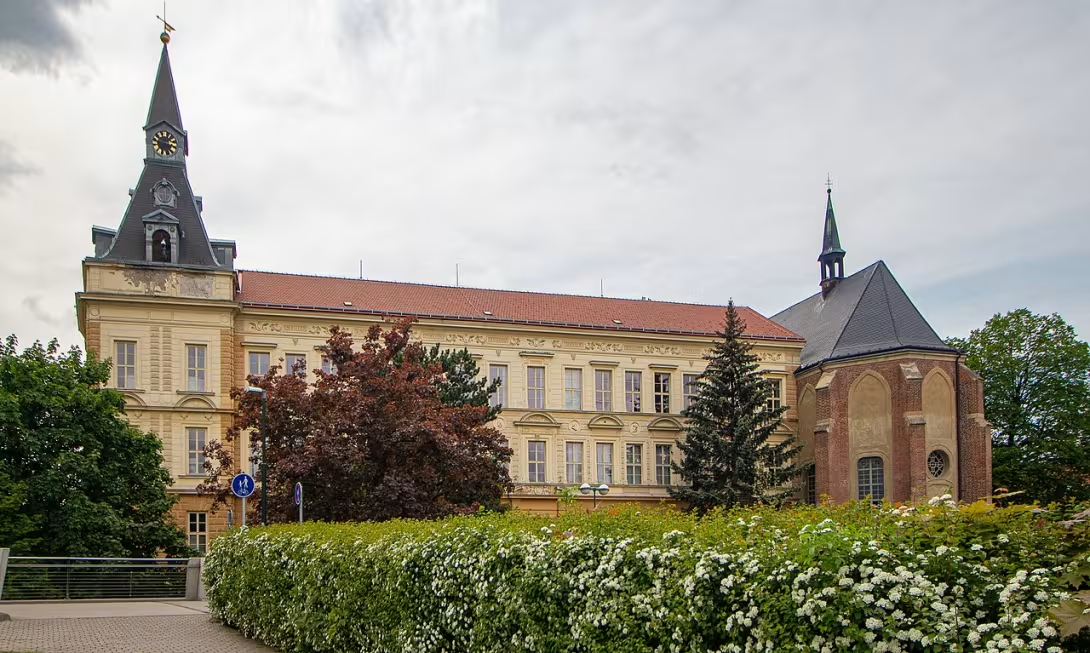
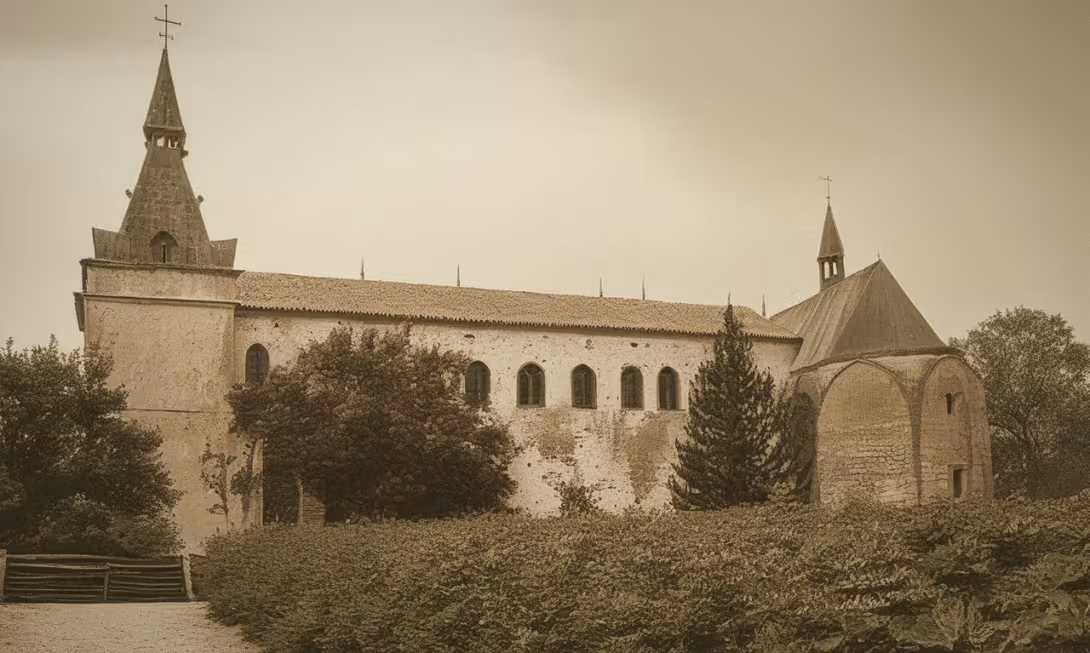
The historical appearance on the left is an AI-generated visualisation and serves as inspiration only.
Historical milestones
- 1275
- King Přemysl Otakar II donated the ground for the building of the monastery.
- 1421
- The monastery was destroyed by Hussite forces.
- 1663
- The reconstruction of the Dominican monastery has begun.
Architectural development
Initially built at the end of the 13th century, the monastery underwent significant destruction during the Hussite Revolution. It was rebuilt in the middle of the 17th century and served as a vibrant religious community until its dissolution at the end of the 18th century.
Historical events
- 1421
- The monastery was destroyed during the Hussite Revolution.
- 1663
- The reconstruction of the Dominican monastery has begun.
- 1785
- The monastery was dissolved by Joseph II.
Points of interest
- The Dominican monastery in Nymburk is one of the few surviving examples of Gothic brick architecture from the late 13th century, with a presbytery still standing after it was destroyed during the Hussite Revolution.
- Despite the destruction of the monastery in 1421, it was a unique feature of its rapid reconstruction in 1663, which included the creation of new architectural elements that combined Gothic and Baroque styles and reflected changing artistic tastes for centuries.
- The monastery played an educational role until its dissolution in 1789, records show that there is a significant library that contributed to regional scientific activity, although much of this collection was lost or scattered after closure.
- An interesting legend about the place is the story of "Whispering Wall," where monks supposedly silently communicated over vast distances using hidden passages inside the monastery walls, symbolizing their commitment to contemplating life.
- Among his remarkable characters, Player, the author known for his work "De Homine Angelico," made a significant contribution to reviving religious and intellectual life in the monastery during his period of reconstruction in the 17th century.
Guide
This guide is narrated by a synthetic voice generated by artificial intelligence.
Show guide text
This text was created by artificial intelligence and has not been editorially reviewed. It may contain inaccuracies.
Welcome to the historic site of the Monastery of Dominicans in Nymburk, a place where time seems to stand still amidst the echoes of his told past. As you stand here, take a moment to absorb your surroundings. Before you lies the architectural proof of resilience and faith, with remnants that whisper stories from centuries ago.
The Dominican monastery was founded around 1275, when King Přemysl Otakar II generously donated the ground for its construction. This meant the beginning of what would become an important religious and educational centre in medieval Bohemia. The monastery prospered until it faced destruction during the early Hussite Revolution, a time of great shock that transformed most of Central Europe.
As you look around, notice how the monastery depicts the Gothic brick architecture from the late 13th century. Although much has been lost in history, the presbytery still stands - a silent witness both to its former glory and to the stormy events he has experienced. The processing of what remains is proof of the skills of the unknown architects who revived this vision.
This site contains links with several key historical figures, including King Přemysl Otakar II himself, as well as remarkable personalities such as Smil of Lichtenburg, Mutina and Alarm clock from Poděbrad. Each of them played a role in the story of the monastery, which contributed to his heritage through his actions and influence.
One of the most interesting aspects of this site is its survival despite all the differences. Despite the destruction of the Hussite forces in 1421, it is now one of the few surviving examples of Gothic brick architecture from this time. This resistance adds a layer of mystery and fascination and invites you to think about what stories these walls could tell if they had voices.
As we conclude our short survey, I suggest you all wander around. Let your imagination wander the halls of history and imagine the lives that once moved inside these walls. Thank you for joining me on this trip to the past, and may your visit leave you with a greater appreciation for the persistent spirit of the Dominican monastery Nymburk.
Businesses nearby
Do you run a restaurant, accommodation, shop, museum, rental, wellness or other visitor service near this monument? Show yourself directly to the people heading to it — this is how they will see you in the app and on the web:
Nearby
Nymburk is located near the Elbe River, with historical monuments such as the nearby town of Kolín. In the area there are natural landscapes and other cultural heritage within a 5 km radius.
Visualizations and artistic views


The visualisations are generated by artificial intelligence and serve as inspiration.
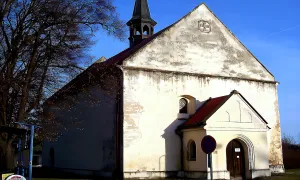
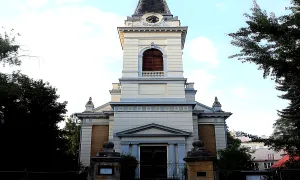
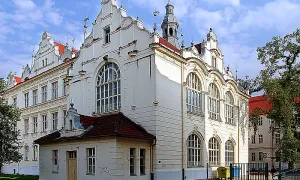
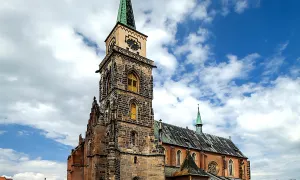
Photos from the area
Real photos taken near the monument


Zdroj a licence jsou uvedeny u každého snímku.
Tips from visitors
No tips yet. Be the first!
Log in and add your tip.
Sources and literature
Photos: VitVit / CC BY-SA 4.0 — Wikimedia Commons. The author and licence also appear when you hover over the image.
Faktickým podkladem tohoto textu byl článek na Wikipedii, jehož autory jsou přispěvatelé Wikipedie. Článek je dostupný pod licencí CC BY-SA 4.0.
Location on the map
Příběhy a pověsti
Legendy, pověsti a příběhy spjaté s touto památkou
Fotografie návštěvníků
Zatím žádné fotografie. Buďte první, kdo přidá fotografii z návštěvy!
Log in a přidejte svou fotografii nebo hodnoťte.
Za ověřenou návštěvu v aplikaci získáte víc bodů — poznáme podle GPS, že jste na místě.
Reviews and comments