






evangelický kostel v Nymburce Church
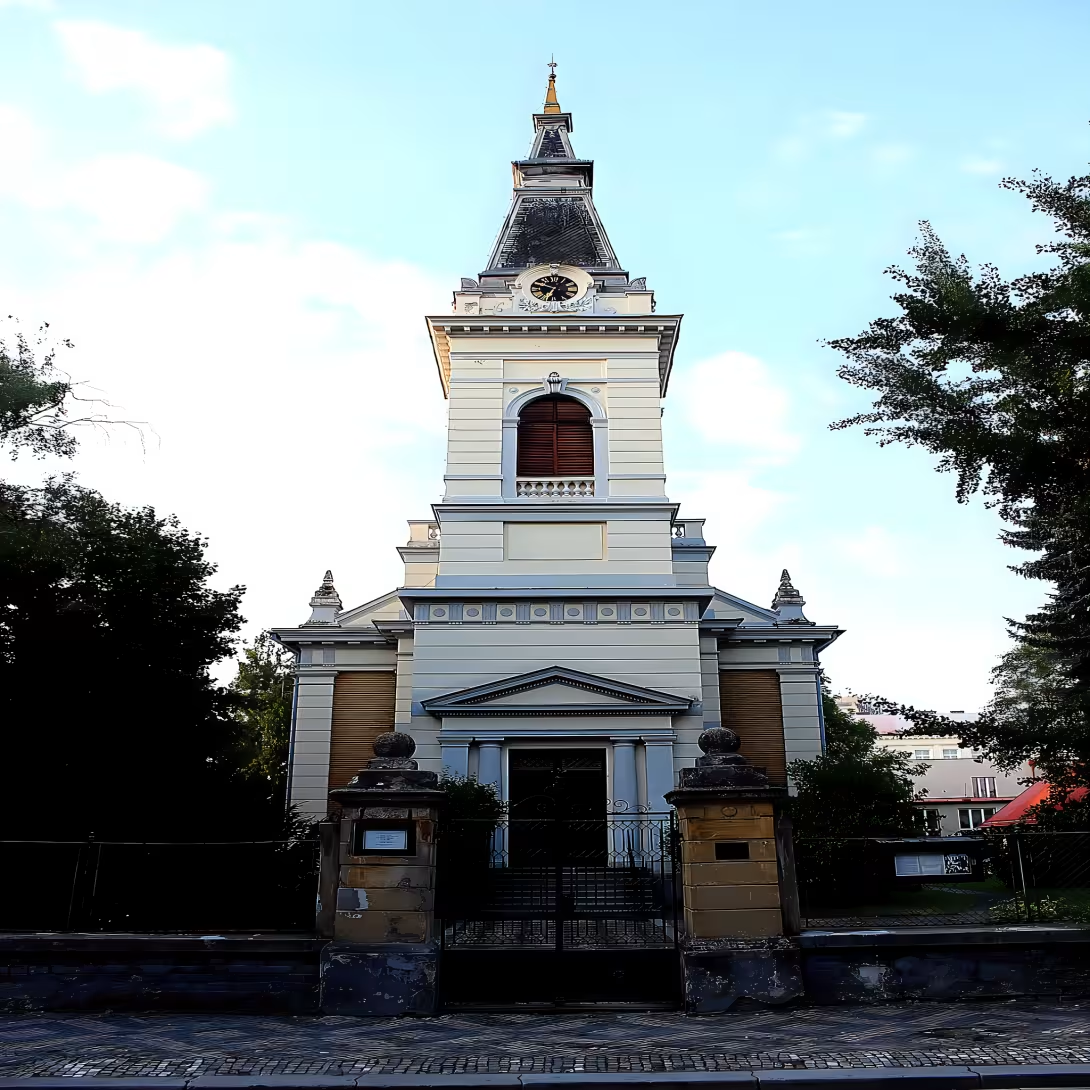
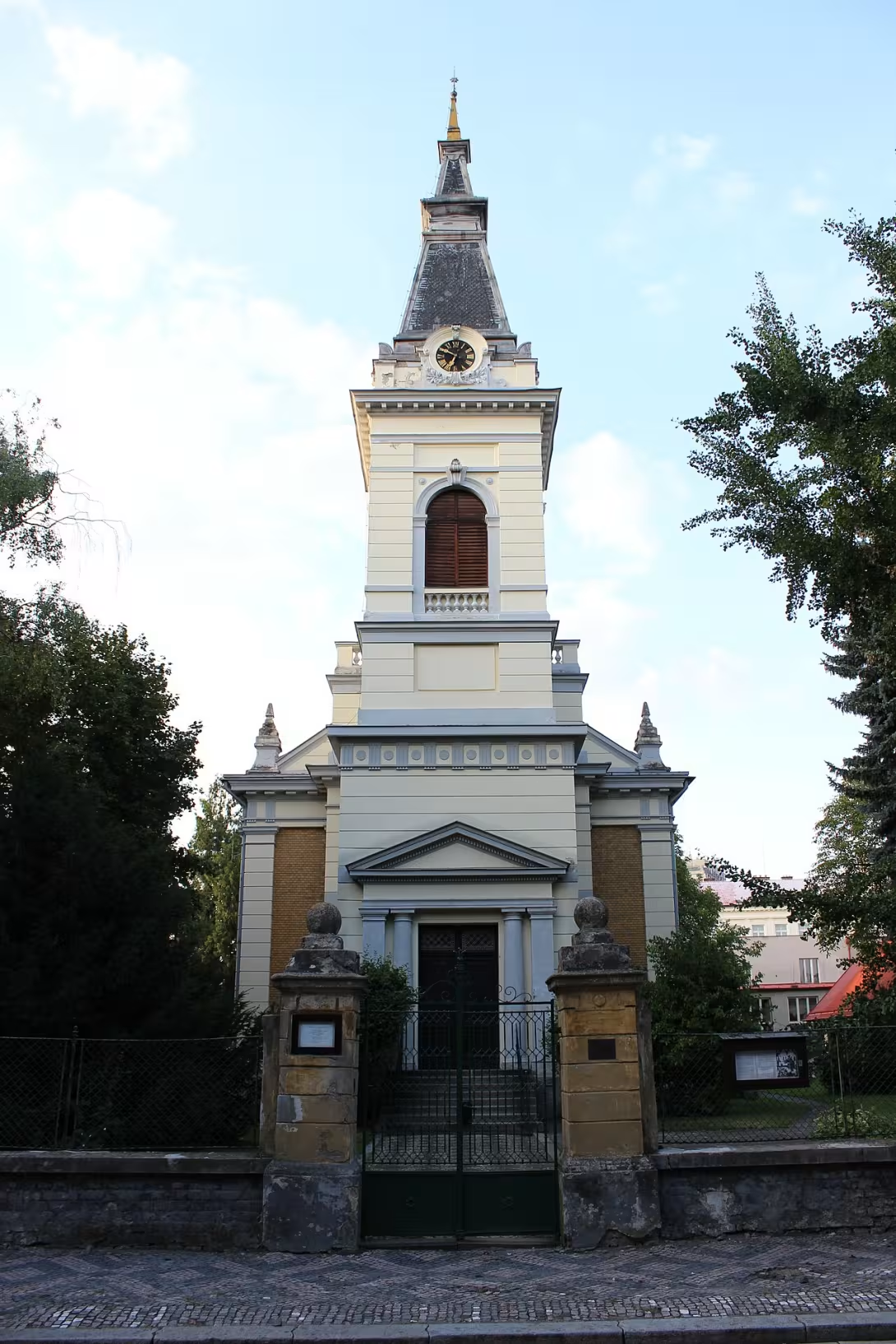
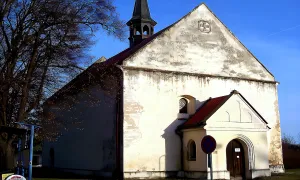
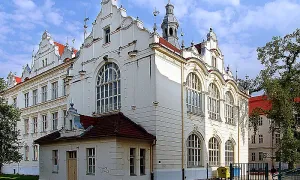
The Evangelical Church in Nymburk is a single-nave neo-Renaissance building belonging to the Czechoslovak Hussite Church, constructed in 1898. Located at the northeast corner of Havlíčkova and Bedřicha Smetany streets near Hrdinů Park's war memorial, this church reflects Central Bohemia's rich Protestant heritage. Its architectural style mirrors late 19th-century revivalist movements, symbolizing an era of religious tolerance and cultural resurgence.
The origins of the Evangelical Church in Nymburk are deeply rooted in the historical context of religious evolution within Central Bohemian lands. Following centuries of Catholic dominance, the late 19th century saw a significant Protestant revival across Europe, including Bohemia. This period was marked by increased religious tolerance, exemplified by the Toleranční patent issued in 1781, which allowed for greater freedom of worship. In Nymburk itself, there had been no dedicated Protestant church until this time. Local adherents of the Reformed Church began addressing this deficiency towards the end of the century. The construction of the Evangelical Church was initiated on April 18, 1898, under builder Josef Blecha and architect Friedrich Gottlob Alber. Despite financial challenges that led to a budget overrun due to necessary additions like organs, bells, clocks, and enclosing walls, the church was solemnly consecrated on November 30, 1898.
Architecturally, the Evangelical Church in Nymburk embodies neo-Renaissance style with its single-nave structure. The design by Friedrich Gottlob Alber reflects revivalist trends of the era, aiming to revive classical elements within a modern context. Although specific materials are not detailed, the church's construction involved significant financial investment, indicating quality resources and craftsmanship typical of neo-Renaissance architecture.
Ownership and administration of the Evangelical Church have remained consistent since its inception. The Farní sbor Českobratrské církve evangelické v Nymburce has been the custodian of both the church and its adjacent parish building, located at Bedřicha Smetany 613/14. This continuity in ownership underscores the enduring significance of the church to the local Protestant community.
Throughout its history, the Evangelical Church has witnessed several key events that highlight its role within Nymburk's religious landscape. Between 1923 and 1936, it hosted services for the Czechoslovak Hussite Church, a denomination with deep historical roots in Bohemia. This period marked an important phase in the church's history, reflecting broader shifts in religious affiliations and practices in the region.
Today, the Evangelical Church in Nymburk stands as both a spiritual center and a cultural landmark. Its proximity to significant historical monuments, such as the war memorial park, enhances its appeal to visitors interested in exploring Central Bohemian history. The church remains accessible to those wishing to delve into its architectural beauty and historical significance.
The Evangelical Church in Nymburk is not only a place of worship but also a symbol of religious resilience and cultural heritage. Its neo-Renaissance architecture, coupled with its storied past, makes it a compelling destination for anyone interested in the history of Protestantism in Bohemia. Visitors are invited to explore this remarkable site, where history and spirituality converge in a serene setting.
Then and now
Drag the slider to compare how the landmark may have looked when it was built with the view today.
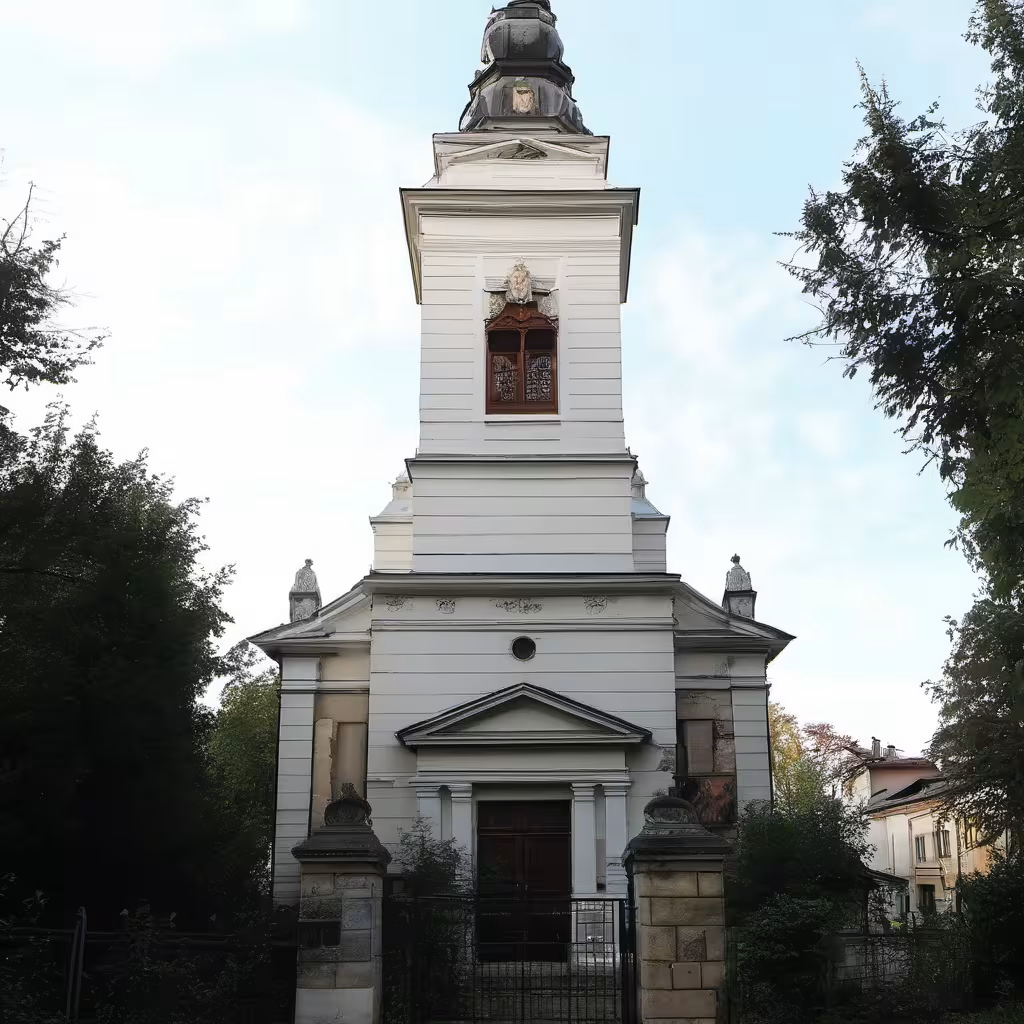
The historical appearance on the left is an AI-generated visualisation and serves as inspiration only.
Historical milestones
- 1781
- Toleranční patent issued for greater religious freedom.
- 1898
- Construction of the Evangelical Church in Nymburk initiated.
- 1898
- Consecration of the Evangelical Church on November 30.
- 1923-1936
- Hosted services for the Czechoslovak Hussite Church.
Architectural development
The church was designed by architect Friedrich Gottlob Alber and constructed under the supervision of builder Josef Blecha. The project faced financial challenges, with costs exceeding initial estimates due to necessary additions like organs, bells, clocks, and enclosing walls.
Historical events
- 1898
- The church was solemnly consecrated on November 30, 1898.
- 1923
- Bohoslužby of the Czechoslovak Hussite Church were held here until 1936.
Points of interest
- Although the Evangelical Church was completed swiftly by 1898, its construction faced financial hurdles that led to a budget overrun due to additional features such as organs and bells. This reflects the community's dedication to creating a fully equipped place of worship despite economic challenges.
- The church's architectural design by Friedrich Gottlob Alber is unique in Nymburk for its neo-Renaissance style, mirroring revivalist trends of the late 19th century which sought to blend classical elements with modern aesthetics. This makes it an important example of the period’s architectural experimentation within Central Bohemia.
- Between 1923 and 1936, the church served as a venue for services of the Czechoslovak Hussite Church, highlighting its adaptability and importance in accommodating evolving religious practices and affiliations in the region during that time.
- The church's location near Hrdinů Park’s war memorial adds to its historical significance, positioning it within a landscape rich with cultural and commemorative sites. This proximity enhances its role as both a spiritual center and a point of interest for those exploring Nymburk's history.
- Despite the lack of detailed records on specific construction materials, the significant financial investment in the church indicates high-quality craftsmanship typical of neo-Renaissance architecture, suggesting that skilled artisans were involved in its creation.
Guide
This guide is narrated by a synthetic voice generated by artificial intelligence.
Show guide text
This text was created by artificial intelligence and has not been editorially reviewed. It may contain inaccuracies.
Welcome to the Evangelical Church in Nymburk, a remarkable testament to both faith and history nestled within this charming city of Středočeský kraj. As you stand here, take a moment to absorb the serene presence of this single-nave neo-Renaissance structure that belongs to the Czechoslovak Hussite Church. Its elegant lines and harmonious proportions reflect not just an architectural style but also the spiritual traditions of local communities.
The story of this church begins in 1898, during a period marked by significant religious developments in the region. The construction was initiated following the Toleranční patent issued in 1781, which granted greater religious freedom and set the stage for such expressions of faith. Designed by Friedrich Gottlob Alber, the Evangelical Church was consecrated on November 30th, 1898. Over the years, from 1923 to 1936, it became a spiritual home for services of the Czechoslovak Hussite Church.
Take a closer look at its architecture and notice how the neo-Renaissance style is evident in its design. The church’s façade invites you to appreciate its symmetry and balance while hinting at the rich history within. As you stand here, imagine the dedication it took for this community to see such a project through, especially given the financial hurdles they faced. Despite budget overruns due to additional features like organs and bells, their commitment ensured that this church was fully equipped as a place of worship.
While specific historical figures directly linked to its creation remain largely unknown, the building itself is a character in its own right, telling stories of perseverance and faith through every stone laid by those who came before us.
An intriguing aspect of this church's history is how swiftly it was completed despite financial challenges. This reflects not just on the architectural ambition but also on the community’s dedication to creating a fully equipped place of worship, overcoming economic obstacles with determination.
As you continue your exploration, let the atmosphere and architecture guide your thoughts about those who walked these paths before us. The church stands as a symbol of resilience and faith in this region, inviting you to delve deeper into its stories and significance. Thank you for joining me on this journey through history, and I encourage you to explore further what Nymburk has to offer. Farewell, until our paths cross again.
---
This audio guide is designed to enhance your visit with insights into the historical and cultural context of the Evangelical Church in Nymburk. Enjoy your exploration!
Businesses nearby
Do you run a restaurant, accommodation, shop, museum, rental, wellness or other visitor service near this monument? Show yourself directly to the people heading to it — this is how they will see you in the app and on the web:
Nearby
Located at the northeast corner of Havlíčkova and Bedřicha Smetany streets, near a war memorial park in Hrdinů Park. The area is significant for its historical monuments and cultural heritage.
Accommodation nearby
Themed route
Thematic Walking Tour: Nymburk's Historical and Cultural Heritage
1. Evangelický kostel v Nymburce (Church) - Begin your journey at the Evangelical Church in Nymburk, located at the northeast corner of Havlíčkova and Bedřicha Smetany streets. This church is a stunning example of Baroque architecture that has stood as a testament to the region's rich religious history since its construction in the 18th century. Its intricate design and historical significance make it a must-visit for anyone interested in architectural beauty and cultural heritage.
2. Hrdinů Park (War Memorial Park) - A short walk from the Evangelical Church, head towards Hrdinů Park, which is situated nearby. This park serves as a poignant war memorial dedicated to those who fought and sacrificed during significant conflicts. It offers visitors a reflective space where they can appreciate sculptures and monuments that honor bravery and commemorate history. The serene environment of the park provides an excellent opportunity for contemplation amidst nature.
3. Statue of Jan Hus (Monument) - Within Hrdinů Park, explore the statue dedicated to Jan Hus, a key figure in Czech history known for his role in religious reform and national identity. This monument is not only a tribute to Hus's legacy but also an emblematic representation of the cultural and historical narratives that have shaped Nymburk over centuries. Its presence within the park underscores the city’s commitment to preserving its rich heritage.
4. Historical Plaques (Cultural Markers) - As you continue your walk through Hrdinů Park, take time to read the various historical plaques scattered throughout the area. These markers provide insights into Nymburk's past events and notable figures, offering a deeper understanding of the city’s evolution over time. They serve as educational tools that enrich visitors' appreciation for the local history intertwined with the landscape.
5. Viewpoint Near Hrdinů Park (Scenic Spot) - Conclude your tour at one of the viewpoints near Hrdinů Park, where you can enjoy panoramic views of Nymburk and its surroundings. This spot provides a perfect vantage point to reflect on the journey through the city’s historical sites while appreciating the natural beauty that complements its cultural landmarks. The combination of history and scenery makes this an ideal ending to your thematic exploration.
This walking tour offers a comprehensive look at Nymburk's historical and cultural heritage, highlighting key attractions within the immediate vicinity of the Evangelical Church.
Seasonal recommendations
Spring: Visiting the Evangelical Church of Nymburk during spring offers a unique experience as nature awakens around this historical landmark. The surrounding landscape bursts into life with vibrant colors, making it an ideal time for photography enthusiasts to capture the church against a backdrop of blooming flowers and lush greenery. As daylight hours increase, the natural light beautifully illuminates the intricate architectural details of the church, enhancing its historic charm. Visitors should be prepared for occasional showers typical of this season by wearing comfortable layers and carrying rain gear. Arriving early in the morning can help avoid larger crowds that gather to enjoy the pleasant weather.
Summer: The summer months bring an energetic atmosphere to Nymburk's Evangelical Church as it becomes a popular destination during the peak tourist season. With longer days, visitors have more time to explore both the church and its surroundings at leisure. However, this is also when crowds are most likely, so planning your visit early in the day can ensure a quieter experience. The warm weather makes for comfortable strolls through nearby parks or gardens after exploring the church's interior. Dressing in light clothing and wearing sunscreen is advisable to stay comfortable during outdoor activities.
Autumn: Autumn transforms Nymburk into a picturesque setting, with the Evangelical Church standing out against a canvas of fiery reds, oranges, and yellows. This season offers spectacular views as the foliage changes color, making it an excellent time for photography or simply enjoying a peaceful walk. The weather is generally mild, but evenings can become chilly, so layering up is recommended. As the days shorten, planning your visit to take advantage of the abundant natural light during the afternoon will enhance your experience.
Winter: Winter in Nymburk provides a serene and almost magical atmosphere around the Evangelical Church, with snow often adding a quiet beauty to its historic façade. The shorter daylight hours mean that visiting earlier in the day is ideal for making the most of available light, both inside and outside the church. With fewer tourists during this season, it's an excellent time for those seeking a more intimate experience. Be sure to dress warmly in layers and wear comfortable footwear suitable for potentially icy conditions. The church may have adjusted its opening hours due to the winter season, so checking in advance is advisable.
Visualizations and artistic views


The visualisations are generated by artificial intelligence and serve as inspiration.
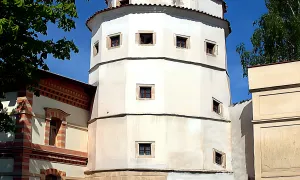
Photos from the area
Real photos taken near the monument


Zdroj a licence jsou uvedeny u každého snímku.
Atmosphere of the place
This atmospheric visualisation of the place and period was generated by artificial intelligence. It is not real footage of the location.
Tips from visitors
No tips yet. Be the first!
Log in and add your tip.
Sources and literature
Photos: Jan Polák / CC BY-SA 3.0, rozlišení zvýšeno umělou inteligencí — Wikimedia Commons. The author and licence also appear when you hover over the image.
Location on the map
Příběhy a pověsti
Legendy, pověsti a příběhy spjaté s touto památkou
Příběh: evangelický kostel v Nymburce
Bylo to v pondělí ráno, kdy Martin zjistil, že se nikoliv do práce ani na trh nedostane; jeho koně nemohli být donuceni žádnými slovy nebo udeřením hůlkou. P…
Číst příběh
Pověst: evangelický kostel v Nymburce
Podle místní pověsti, která se v Nymburce traduje od prvních let dvacátého věku, nebyla stavba evangelického kostela na rohu Havlíčkovy ulice jen pouhou zále…
Číst příběhFotografie návštěvníků
Zatím žádné fotografie. Buďte první, kdo přidá fotografii z návštěvy!
Log in a přidejte svou fotografii nebo hodnoťte.
Za ověřenou návštěvu v aplikaci získáte víc bodů — poznáme podle GPS, že jste na místě.
Reviews and comments