






Kostel svatého Jiří (Nymburk) Church
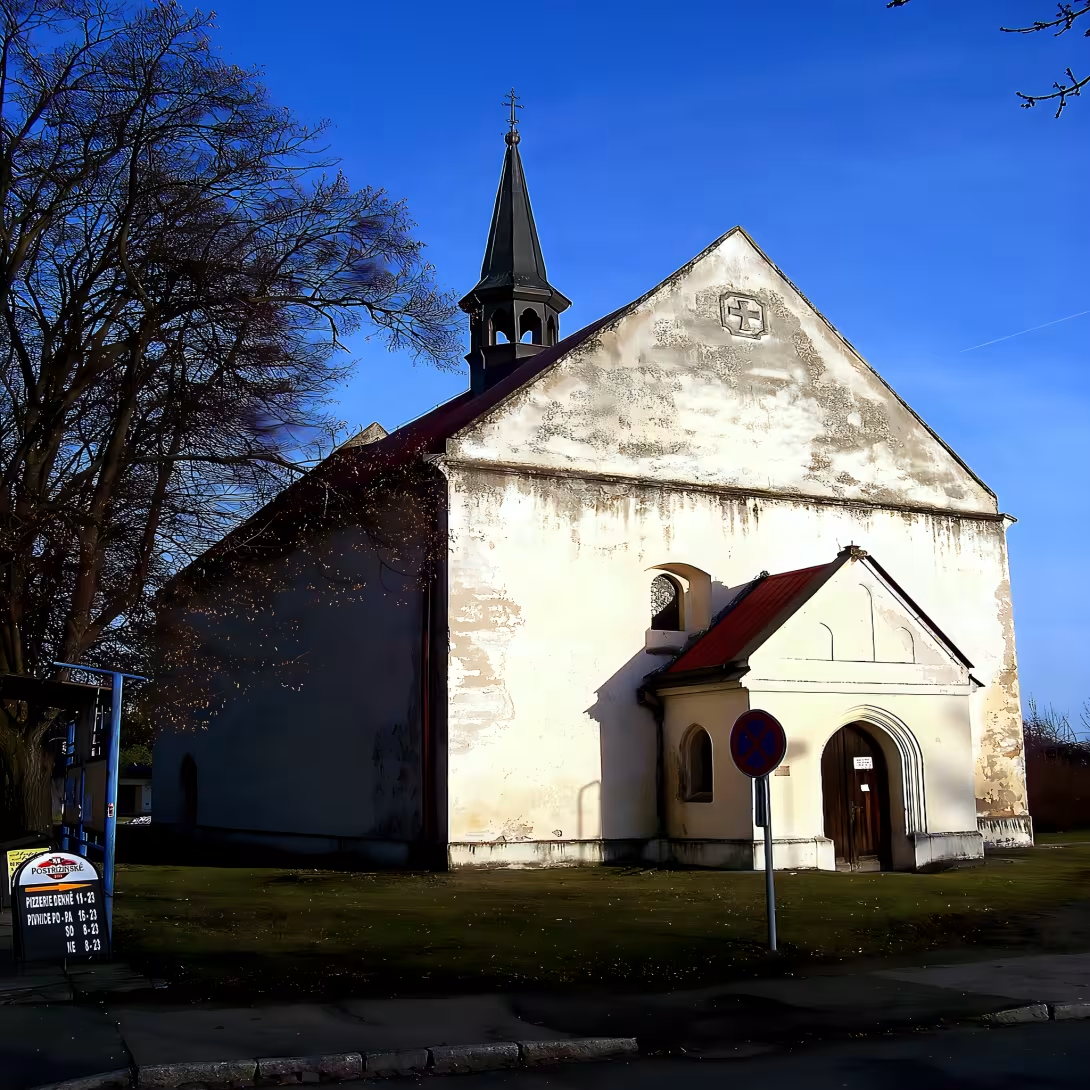
The Church of St. George in Nymburk is a Renaissance church located southwest of the town's historic center. Built in 1569 on the site of a previously documented Gothic church from the 14th century, it stands as a significant cultural monument due to its historical transformations and architectural features. The church has been protected as a cultural heritage site since 1965.
The origins of the Church of St. George trace back to a Gothic structure mentioned in records from the 14th century. This original church was destroyed by 1569, leading to the construction of the Renaissance-style building that stands today. Situated during a period when Bohemia was part of the Habsburg Monarchy, the region experienced cultural and religious shifts influenced by the Protestant Reformation. The church's history reflects these broader historical contexts, including its role as a cemetery chapel starting in 1787.
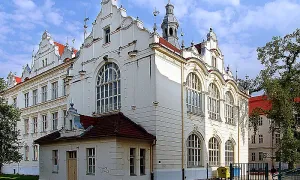
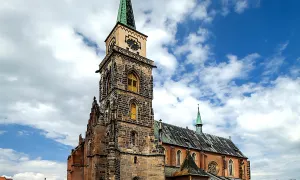
Architecturally, the Church of St. George is characterized by its single-nave longitudinal structure with a sacristy tower and a three-aisled presbytery featuring cross vaulting. It also includes a newer low gabled roofed bell tower with a ground-level sacristy. The church's west façade was extended to include an additional porch, while the nave features pairs of windows topped with segmental arches on each side.
Throughout its history, the church has faced several dramatic events and changes in fortune. In 1741, it suffered damage from Prussian forces during their occupation. A fire followed by a storm further damaged the structure in 1820-1821, leading to significant reconstruction efforts completed in 1824. The church was closed to the public in 1962 but reopened during the Night of Churches event in 2012. During its closure, the surrounding cemetery was dismantled and replaced with a parking lot, resulting in the loss of many gravestones and sculptures.
Today, the Church of St. George stands amidst modern developments, including a sports hall and parking area. Despite these changes, it remains an important historical site, offering insights into Nymburk's past through its architecture and history. The church is accessible to visitors, providing a unique opportunity to explore a piece of Renaissance heritage in a contemporary setting.
Visiting the Church of St. George offers a chance to connect with Nymburk's rich cultural tapestry, reflecting both historical resilience and modern transformation. It stands as a testament to the town's evolving landscape and serves as an inviting destination for those interested in history and architecture.
Then and now
Drag the slider to compare how the landmark may have looked when it was built with the view today.
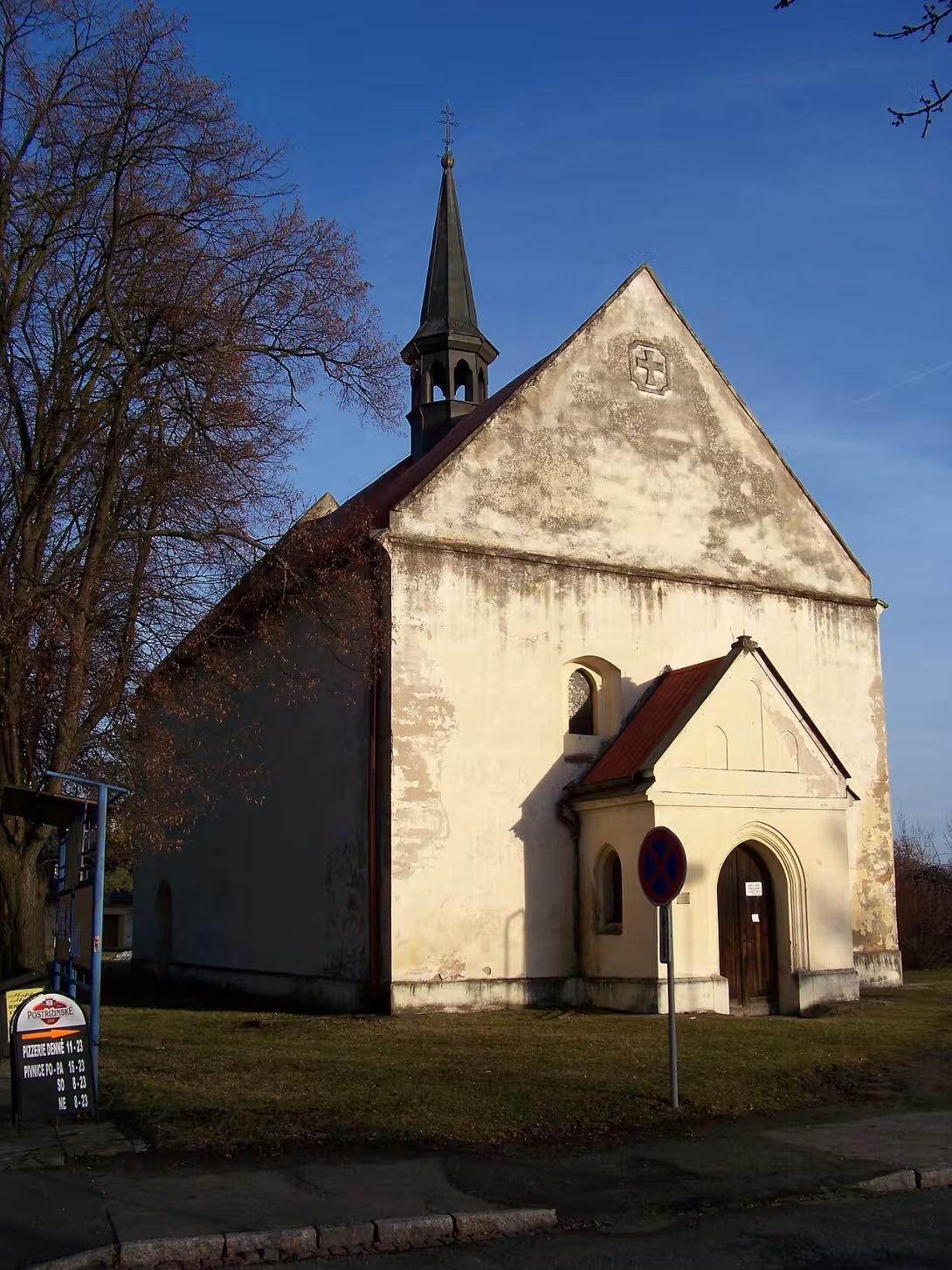
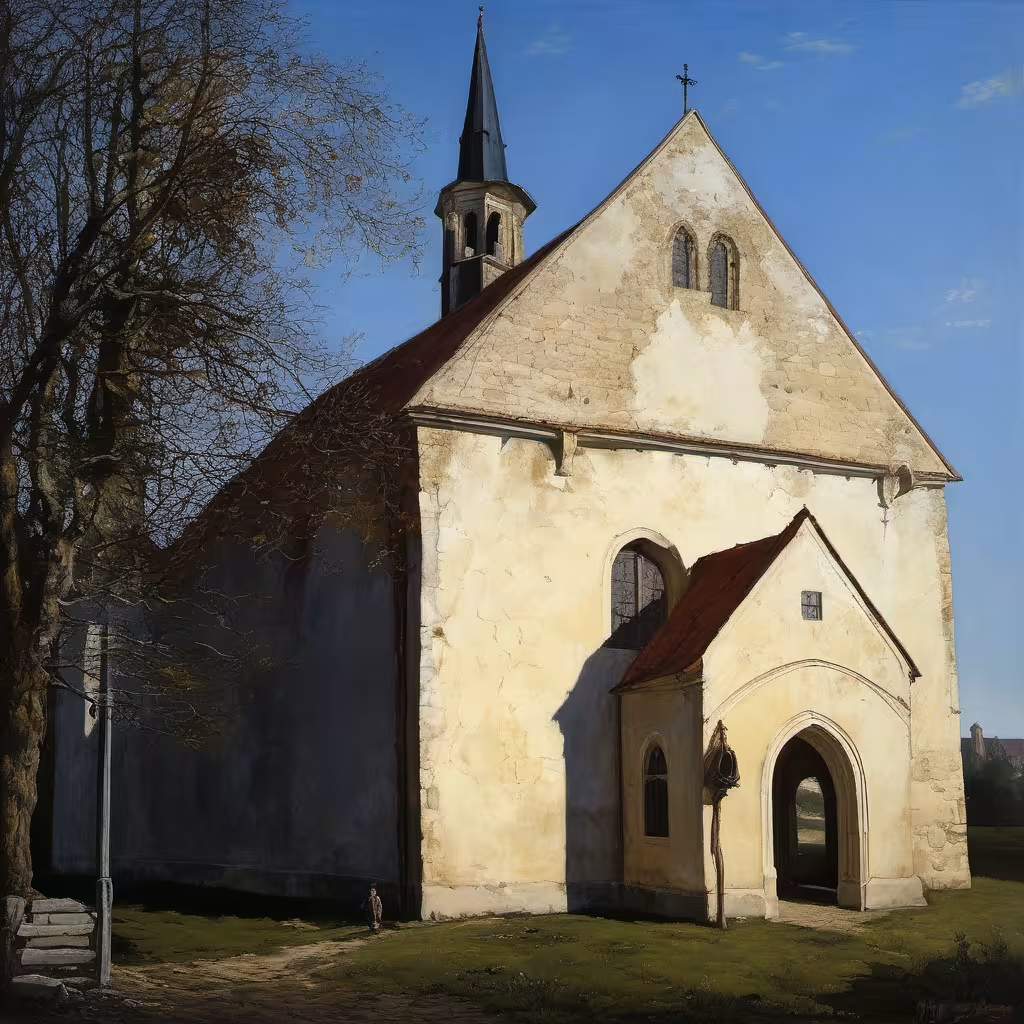
The historical appearance on the left is an AI-generated visualisation and serves as inspiration only.
Historical milestones
- 1569
- The Renaissance church of St. George was built on the site of a previously destroyed Gothic church.
- 1741
- Prussian forces damaged the church during their occupation.
- 1820
- A fire caused significant damage to the church.
- 1962
- The church was closed to the public.
Architectural development
Originally a Gothic structure, the Church of St. George was rebuilt as a Renaissance church in 1569. It underwent significant reconstruction after being damaged by Prussian forces in 1741 and later by fire and storm in 1820-1821. The church's interior was extensively modified during these rebuilds.
Historical events
The original Gothic church on the site was documented in the 14th century but was destroyed by 1569 when the Renaissance church was built.
In 1741, Prussian forces damaged the church during their occupation.
A fire and subsequent storm caused further damage to the church in 1820-1821.
The church was closed to the public in 1962 but reopened during the Night of Churches event in 2012.
Points of interest
- The Church of St. George was originally a Gothic structure documented in the 14th century before being replaced by its current Renaissance design due to destruction around 1569.
- In 1741, during Prussian occupation, the church sustained damage from military forces, reflecting the turbulent historical conflicts that affected Nymburk.
- After suffering fire and storm damage between 1820 and 1821, the church underwent significant reconstruction efforts completed in 1824, showcasing its resilience through restoration.
- During its closure to the public starting in 1962, the surrounding cemetery was dismantled and replaced with a parking lot, leading to the loss of many historical gravestones and sculptures.
- The church reopened during the Night of Churches event in 2012, symbolizing its revival and continued significance as part of Nymburk's cultural heritage.
Guide
This guide is narrated by a synthetic voice generated by artificial intelligence.
Show guide text
This text was created by artificial intelligence and has not been editorially reviewed. It may contain inaccuracies.
Welcome to the Church of St. George in Nymburk, a remarkable testament to Renaissance architecture nestled just southwest of this historic town’s vibrant center. As you stand here, take a moment to absorb your surroundings—the serene atmosphere and the church's elegant lines that speak volumes about its storied past.
This site holds centuries of history within its walls. Originally, in the 14th century, it was home to a Gothic structure—a testament to the medieval architectural style prevalent at the time. However, fate took a dramatic turn around 1569 when this Gothic church met its demise. In its place rose the Renaissance masterpiece you see before you today. This transformation marked not just an architectural evolution but also reflected the changing tides of history and culture in Nymburk.
As your eyes wander across the church’s facade, notice its single-nave longitudinal structure—a hallmark of Renaissance design that prioritizes symmetry and proportion. The sacristy tower stands as a sentinel, overseeing the landscape with quiet dignity. Inside, the three-aisled presbytery captures your attention with its cross vaulting—an intricate feature that showcases the craftsmanship and architectural ingenuity of the era.
The church’s history is interwoven with notable figures and significant events that have left an indelible mark on its existence. One such figure is Otakar Theer, whose contributions to this site are remembered as part of its rich tapestry. His involvement in the church's past adds a layer of human connection to the stone and mortar.
Throughout its history, the Church of St. George has weathered numerous challenges. In 1741, during the Prussian occupation, it sustained damage from military forces—a reminder of the turbulent times that have swept through this region. Later, in 1820, a fire inflicted further harm upon the church, testing its resilience. Despite these adversities, the church stands as a beacon of endurance and beauty.
One intriguing aspect of this site is its architectural evolution—from Gothic origins to Renaissance rebirth—a journey that mirrors the broader historical shifts experienced by Europe during those centuries. This transformation from one style to another encapsulates a period of artistic flourishing and cultural reawakening.
As we conclude our brief exploration, I invite you to continue delving into the layers of history that envelop this church. Wander around its perimeter, imagine the lives it has touched over the centuries, and reflect on the stories embedded in every stone. Thank you for joining me today at the Church of St. George. May your visit be both enlightening and inspiring.
Tips for visitors
The best time to visit the Church of St. George in Nymburk is during late spring or early autumn when the weather is pleasant, allowing for a comfortable exploration of both the church and its surroundings. These seasons offer mild temperatures and beautiful natural lighting that enhances the architectural details of this Renaissance building. Additionally, visiting outside the peak summer months can mean fewer crowds, providing a more tranquil experience to appreciate the historical site.
Parking near the Church of St. George is available in the nearby parking lot, which is convenient for those traveling by car. For visitors using public transportation, the church is accessible via local bus routes that connect Nymburk's historic center with its outskirts. It's advisable to check current transport options and schedules online or at local information centers to ensure a smooth journey.
When visiting the Church of St. George, it’s recommended to bring comfortable walking shoes as you may want to explore the surrounding area. A camera is also suggested for capturing the church’s stunning architecture, especially during golden hours when natural light highlights its features beautifully. Additionally, carrying a water bottle and some snacks can enhance your visit, particularly if you plan to spend time exploring nearby attractions.
For photography enthusiasts, the best spots around the Church of St. George are those that capture both the building's facade and its context within modern developments like the sports hall. Early morning or late afternoon light provides soft shadows and warm tones ideal for photographs. Exploring different angles from the surrounding parkland can also yield unique perspectives.
Nearby attractions within a 30-minute drive include Nymburk Castle, which offers insights into medieval history with its well-preserved architecture and gardens. For families with children, the nearby sports hall provides opportunities for recreational activities. These sites complement a visit to the Church of St. George by offering diverse historical and leisure experiences.
Businesses nearby
Do you run a restaurant, accommodation, shop, museum, rental, wellness or other visitor service near this monument? Show yourself directly to the people heading to it — this is how they will see you in the app and on the web:
Nearby
The Church of St. George is located southwest of Nymburk's historic center, now surrounded by modern developments including a sports hall and parking lot.
Accommodation nearby
Themed route
Tematická výletní trasa: Kostel svatého Jiří (Nymburk)
1. Kostel svatého Jiří
- Typ: Historická památka, náboženská stavba
- Proč stojí za návštěvu: Kostel svatého Jiří je jednou z nejstarších a nejvýznamnějších gotických stavb v Nymburku. Jeho historie sahá do 13. století, což jej činí klíčovým místem pro pochopení architektonického a kulturního dědictví regionu.
2. Sportovní hala
- Typ: Moderní sportovní zařízení
- Proč stojí za návštěvu: Sportovní hala, nacházející se nedaleko kostela svatého Jiří, je moderním centrem aktivity a zábavy. Poskytuje pohled na současné využití prostor kolem historických památek a ilustruje dynamiku mezi tradicí a moderností ve městském rozvoji.
3. Parkoviště
- Typ: Moderní dopravní zařízení
- Proč stojí za návštěvu: Parkoviště v okolí kostela svatého Jiří je příkladem, jak se městské plánování snaží zvládnout potřeby moderní dopravy a turismu. Slouží jako důležitý spoj mezi historickým centrem Nymburku a jeho periferiemi, umožňujíc návštěvníkům snadný přístup k hlavním atrakcím.
Tato trasa nabízí kombinaci historie a modernity, což ztělesňuje evoluci Nymburku jako města.
Seasonal recommendations
Spring: The arrival of spring at St. George's Church (Kostel svatého Jiří) in Nymburk is marked by a gentle awakening of nature, with blooming flowers and fresh greenery surrounding the historic site. This time of year offers soft natural lighting that beautifully accentuates the intricate details of the church’s architecture. Visitors are encouraged to wear comfortable walking shoes for exploring nearby gardens or paths, as well as layers to adjust to varying temperatures throughout the day. Early mornings tend to be quieter, providing a serene atmosphere ideal for appreciating the church's beauty without large crowds.
Summer: During summer, St. George's Church basks in long daylight hours and warm sunshine, creating an inviting atmosphere for visitors. The lush greenery around Nymburk enhances the picturesque setting of this historic landmark. This is peak tourist season, so it’s advisable to arrive early to avoid larger groups of tourists. Light clothing and sun protection are recommended due to higher temperatures, and carrying a water bottle can help stay hydrated while exploring the area.
Autumn: Autumn transforms St. George's Church into a vibrant scene with rich colors as leaves change from green to shades of orange, red, and yellow. The cooler weather provides a comfortable environment for walking around Nymburk and enjoying outdoor activities. This season is less crowded compared to summer, offering a more relaxed visit. Visitors should dress in layers to accommodate the fluctuating temperatures typical of autumn days.
Winter: In winter, St. George's Church presents a unique charm with its historic architecture set against a backdrop of snow-covered landscapes, creating a serene and picturesque atmosphere. The shorter daylight hours mean that visiting earlier in the day is ideal for capturing the best light and experiencing fewer crowds. Due to colder temperatures, visitors should dress warmly in layers and consider bringing gloves and hats. It's also important to check opening times as they may be reduced during this season.
Visualizations and artistic views


The visualisations are generated by artificial intelligence and serve as inspiration.
Photos from the area
Real photos taken near the monument


Zdroj a licence jsou uvedeny u každého snímku.
Atmosphere of the place
This atmospheric visualisation of the place and period was generated by artificial intelligence. It is not real footage of the location.
Tips from visitors
No tips yet. Be the first!
Log in and add your tip.
Sources and literature
Photos: ŠJů (cs:ŠJů) / CC BY-SA 3.0, rozlišení zvýšeno umělou inteligencí — Wikimedia Commons. The author and licence also appear when you hover over the image.
Location on the map

Příběhy a pověsti
Legendy, pověsti a příběhy spjaté s touto památkou

Fotografie návštěvníků
Zatím žádné fotografie. Buďte první, kdo přidá fotografii z návštěvy!
Log in a přidejte svou fotografii nebo hodnoťte.
Za ověřenou návštěvu v aplikaci získáte víc bodů — poznáme podle GPS, že jste na místě.
Reviews and comments