






Klášter milosrdných sester brněnských (Žernůvka) Monastery
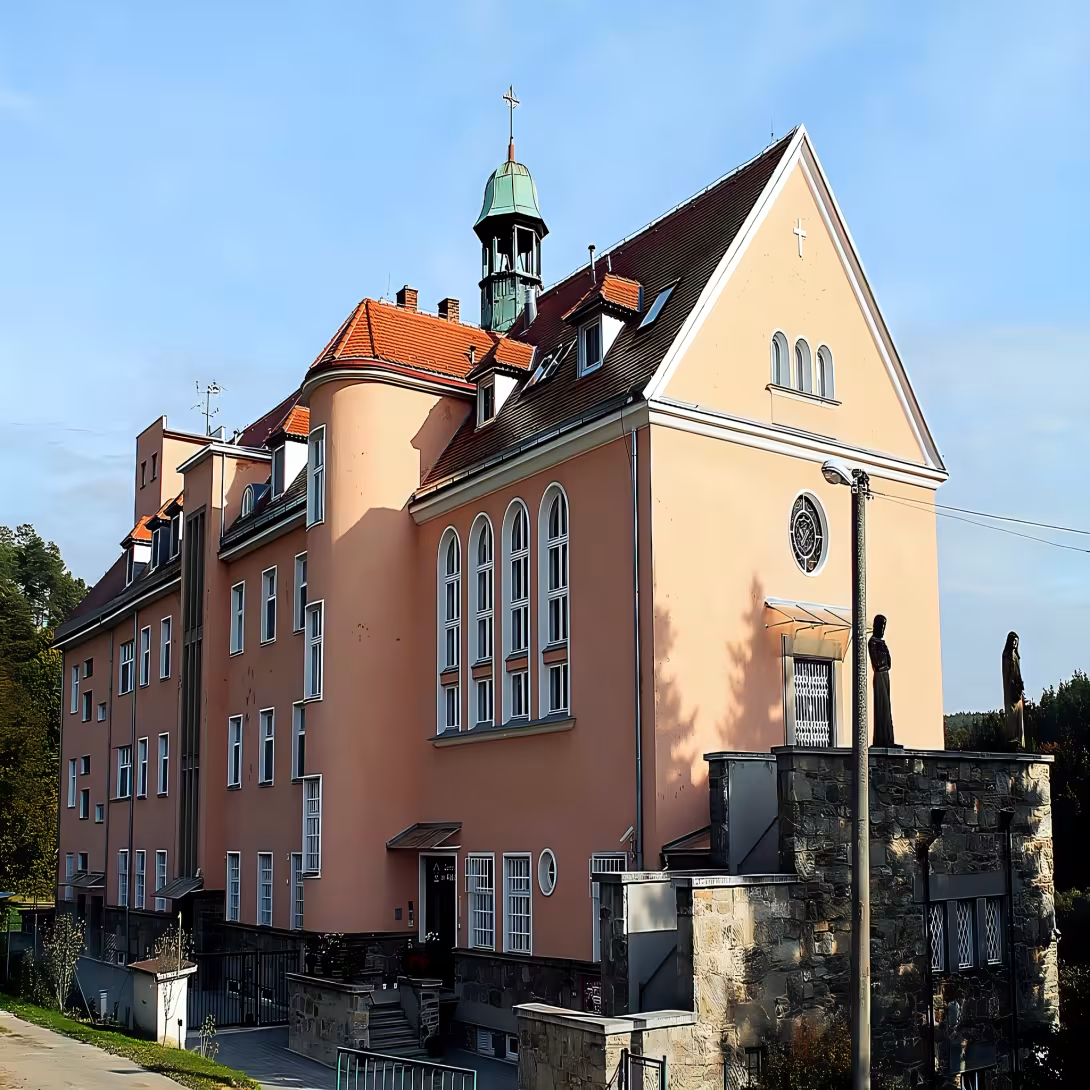
The Klášter Milosrdných Sester Brněnských in Žernůvka is a modern convent and care home established in 1930 by the Brno Sisters of Mercy Congregation. Situated within the Nelepeč-Žernůvka district, this architectural site stands out for its minimalist design and historical significance. Initially serving as a convalescent home for nuns engaged in demanding hospital work, it later became a retirement home before returning to the congregation in 1991. The convent underwent significant modernization between 2001 and 2002, culminating in the inauguration of a new senior care facility.
The origins of this convent date back to the early 20th century, during a period marked by modernist architectural trends across Europe. In response to the need for a recuperative space for nuns working under strenuous conditions, the Brno Sisters of Mercy Congregation acquired land in Žernůvka and commissioned architect Jindřich Wágner to design the building. Completed in 1930, the convent was consecrated on November 19th by Bishop Josef Kupka. Its establishment reflects both a practical response to healthcare needs and an embodiment of contemporary architectural styles.
Architecturally, the convent is characterized by its simple purist style, designed by Jindřich Wágner. The three-story structure features a rectangular plan with a semi-circular basement and living attic. A notable element is the chapel dedicated to Our Lady of Sorrows, which spans two floors and is accessible from both inside and outside. This design choice enhances the building's functionality and spiritual significance. In the 1980s, an extension was added on the eastern side, further adapting the structure to meet evolving needs.
Ownership and administration of the convent have seen significant changes over the decades. Initially managed by the Brno Sisters of Mercy Congregation, it became a state-run facility post-1948 under local authority management. During World War II, from 1943 to 1945, German children were housed there, reflecting its role as a place of refuge during tumultuous times. In 1991, ownership reverted to the congregation, and by 2002, after extensive modernization efforts, it was re-established as Domov sv. Alžběty (St. Elizabeth's Home).
Throughout its history, the convent has been a site of resilience and adaptation. During World War II, it provided shelter for German children, showcasing its role beyond religious functions. Post-war, it transitioned into a retirement home before returning to congregational hands in 1991. The modernization efforts completed in 2002 marked a new chapter, transforming it into a contemporary senior care facility.
Today, the Klášter Milosrdných Sester Brněnských stands as both a historical monument and a functional care home. Its minimalist architecture and rich history make it an intriguing site for visitors interested in modernist design and social history. The convent's serene setting within the rural landscape of Žernůvka adds to its appeal, offering a peaceful retreat that reflects its enduring legacy.
Visitors are invited to explore this unique blend of architectural simplicity and historical depth. Whether drawn by interest in early 20th-century architecture or the compelling stories of resilience and adaptation, the Klášter Milosrdných Sester Brněnských offers a meaningful glimpse into both past and present.
Then and now
Drag the slider to compare how the landmark may have looked when it was built with the view today.
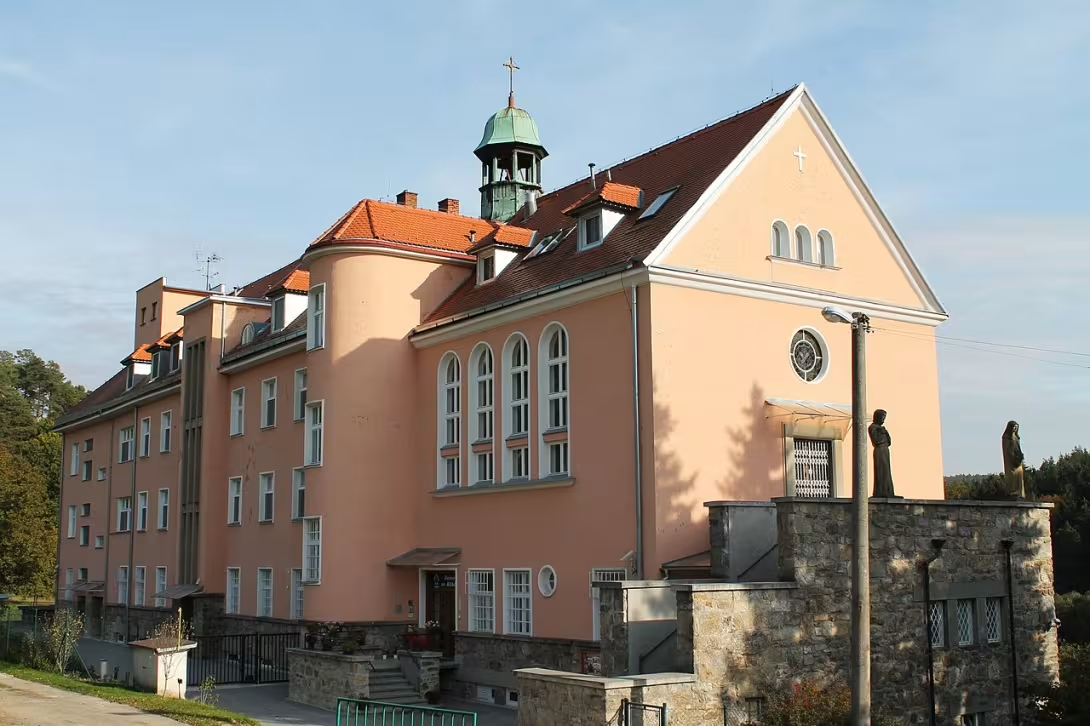
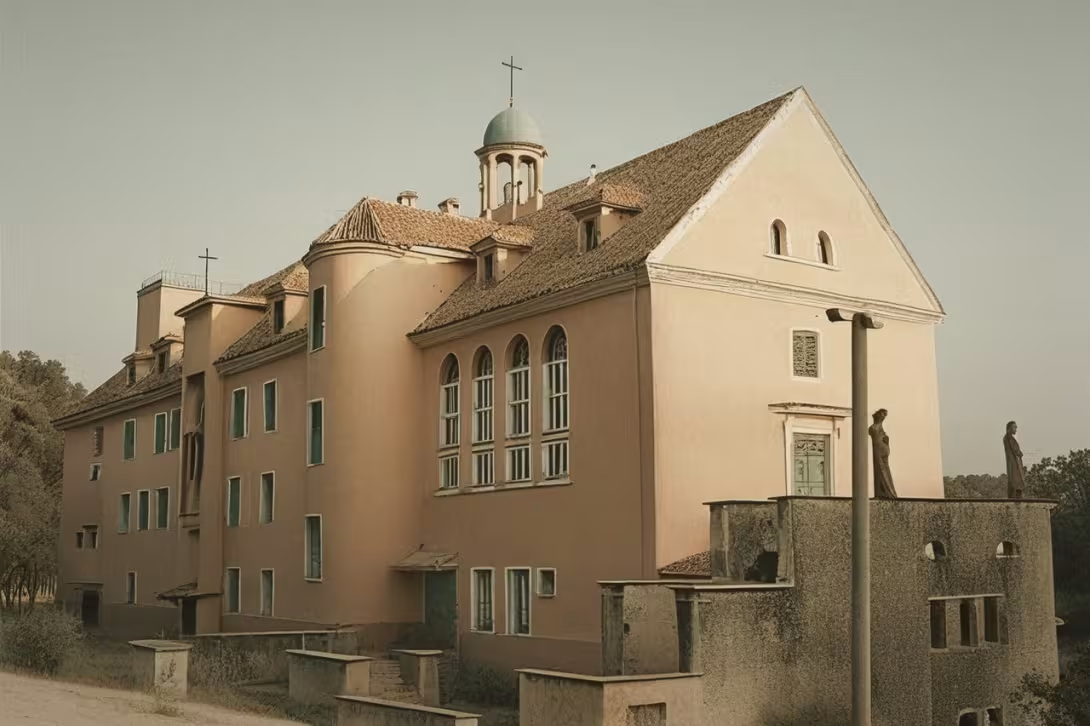
The historical appearance on the left is an AI-generated visualisation and serves as inspiration only.
Historical milestones
- 1930
- The convent was built and consecrated.
- 1943
- German children were housed during World War II.
- 1991
- The property was returned to the Brno Sisters of Mercy Congregation.
- 2002
- Modernization completed with a new senior care home inaugurated.
Architectural development
The convent, designed by Jindřich Wágner and built in 1930, features a simple purist architectural style. It is a three-story building with a rectangular plan, including a semi-circular basement and living attic. A chapel dedicated to Our Lady of Sorrows runs through two floors, accessible from both inside and outside.
Historical events
1930: The convent was built and consecrated on November 19th by Bishop Josef Kupka.
1943-1945: During World War II, German children were housed in the facility.
1991: The property was returned to the Brno Sisters of Mercy Congregation.
2002: Modernization completed with a new senior care home inaugurated on November 1st.
Owners
Initially owned by the Brno Sisters of Mercy Congregation, it became a state-run facility post-1948, managed by local authorities until 1991 when ownership reverted to the congregation. Since then, it has been operated as Domov sv. Alžběty (St. Elizabeth's Home).
Points of interest
- The convent's chapel dedicated to Our Lady of Sorrows is uniquely accessible from both inside and outside the building, enhancing its spiritual significance and architectural functionality.
- During World War II, the Klášter Milosrdných Sester Brněnských served as a refuge for German children between 1943 and 1945, highlighting its role beyond religious functions during tumultuous times.
- Architect Jindřich Wágner employed a minimalist purist style in the convent's design, reflecting early 20th-century modernist trends while addressing practical healthcare needs for nuns engaged in demanding hospital work.
- After being managed by local authorities post-1948, the convent was returned to the Brno Sisters of Mercy Congregation in 1991, marking a significant shift back to its original religious administration.
- The extensive modernization between 2001 and 2002 transformed the convent into Domov sv. Alžběty (St. Elizabeth's Home), illustrating its continuous adaptation and resilience through different historical phases.
Guide
This guide is narrated by a synthetic voice generated by artificial intelligence.
Show guide text
This text was created by artificial intelligence and has not been editorially reviewed. It may contain inaccuracies.
Welcome to the Klášter Milosrdných Sester Brněnských in Žernůvka—a serene and modern testament to history and care nestled within the Jihomoravský kraj. As you stand here, take a moment to absorb the tranquil surroundings of this architectural gem designed by Jindřich Wágner. The minimalist style is complemented by an expansive garden that invites contemplation and peace.
The convent's story begins in 1930 when it was built and consecrated as a haven for the Brno Sisters of Mercy. This site has witnessed significant historical events, including its role during World War II in 1943 when it provided refuge to German children—a testament to its enduring spirit of compassion and sanctuary.
As you explore further, notice how the architecture seamlessly integrates with nature. The design by Jindřich Wágner emphasizes simplicity and functionality, creating an environment that has served various purposes over the decades—from a convalescent home for nuns to a retirement home. In 1991, this cherished property was returned to the Brno Sisters of Mercy Congregation, marking a new chapter in its history.
One of the most captivating features is the chapel dedicated to Our Lady of Sorrows. Unique in its accessibility from both inside and outside the building, it embodies spiritual significance while showcasing architectural ingenuity. This chapel invites reflection on the deeper connections between faith and community that have shaped this place over time.
As we delve into the convent's past, consider the lives touched by these walls—the nuns who cared for those in need, and the children who found refuge here during turbulent times. Though specific historical figures remain unnamed, their stories are woven into the fabric of this site, echoing through its corridors and gardens.
A fascinating aspect to ponder is how this convent has adapted over time while maintaining its core mission of care and compassion. The modernization completed in 2002 with a new senior care home inaugurated underscores its ongoing commitment to serving those in need.
As we conclude our journey here at the Klášter Milosrdných Sester Brněnských, I invite you to take a moment to reflect on this place's rich history and enduring legacy. Whether you're drawn by its architectural beauty or inspired by its humanitarian spirit, there is much to explore and appreciate. Thank you for joining me in discovering the stories that make this site truly special.
Tips for visitors
The best time to visit the Brno Sisters of Mercy Convent in Žernůvka is during late spring or early autumn. During these seasons, the surrounding rural landscape is particularly beautiful, with lush greenery and vibrant flowers in bloom. The weather is generally pleasant, making it ideal for exploring both the convent's grounds and its large garden. Additionally, visiting outside of peak tourist seasons can offer a more tranquil experience.
The rural setting means fewer crowds and more peaceful surroundings.
When planning your visit, consider bringing comfortable walking shoes as you may want to explore both the convent grounds and the nearby countryside. A camera is also recommended to capture the minimalist architecture of the convent designed by Jindřich Wágner and the serene garden landscape. For photography enthusiasts, early morning or late afternoon light can provide a soft glow that enhances the natural beauty of the area.
For families with children, the Brno Sisters of Mercy Convent offers a peaceful environment to explore together. The large garden is perfect for a leisurely stroll or a picnic. While there are no specific attractions for children within the convent itself, the surrounding rural landscape provides ample opportunity for outdoor activities and exploration. Families can enjoy a relaxed day in nature, making it an ideal outing.
Within a 30-minute drive from Žernůvka, visitors can explore other parts of the Nelepeč-Žernůvka district. Although there are no significant historical monuments nearby, the area's rural charm offers opportunities for enjoying scenic drives and discovering local nature trails. The tranquility of the countryside makes it a great place to unwind and appreciate the natural beauty of the Jihomoravský region.
Frequently asked questions
Can the monument be visited?
Religious buildings are usually open mainly during services; at other times a visit is normally arranged with the parish or the operator. We have not verified specific times.
Where is the monument?
Location: Žernůvka, Jihomoravský kraj. The map on this page shows the exact spot.
Businesses nearby
Do you run a restaurant, accommodation, shop, museum, rental, wellness or other visitor service near this monument? Show yourself directly to the people heading to it — this is how they will see you in the app and on the web:
Nearby
Located in Žernůvka within the Nelepeč-Žernůvka district, the area is characterized by its rural landscape. There are no other significant historical monuments within a 5 km radius.
Accommodation nearby
Trips and activities nearby
Guided tours, tickets and activities nearby from GetYourGuide
Affiliate link: if you buy from the partner, we may receive a commission. The price for you does not change.
Search tours and activities →Themed route
Welcome to this thematic walking tour centered around the Klášter milosrdných sester brněnských (Žernůvka), a serene and spiritually enriching experience in Žernůvka, Nelepeč-Žernůvka district. This journey will take you through the tranquil rural landscape surrounding this historic site.
1. Klášter milosrdných sester brněnských (Žernůvka)
- Type: Monastery
- Begin your tour at the heart of Žernůvka, where the Klášter milosrdných sester brněnských stands as a testament to centuries-old religious devotion and community service. Founded by the Sisters of Mercy from Brno, this monastery offers visitors a chance to explore its rich history through beautifully preserved architecture and serene gardens. The peaceful atmosphere invites reflection and appreciation for the sisters' enduring contributions to healthcare and education in the region.
2. Monastery Gardens
- Type: Garden
- Adjacent to the main monastery building, the Monastery Gardens provide a lush escape into nature. These meticulously maintained grounds are perfect for a leisurely stroll, offering picturesque views and a sense of tranquility that complements the spiritual ambiance of the monastery itself. The gardens serve as a living testament to the sisters' dedication to creating beauty and harmony in their surroundings.
3. Monastery Chapel
- Type: Chapel
- Within the monastery complex lies a quaint chapel, a place of worship and reflection for both the nuns and visitors alike. Its simple yet elegant interior is adorned with religious art that tells stories of faith and devotion. The chapel offers an intimate setting for quiet contemplation or prayer, allowing visitors to connect deeply with their own spiritual journeys.
4. Monastery Library
- Type: Historical Archive/Library
- Explore the Monastery Library, a treasure trove of historical documents and books that chronicle the rich history of the monastery and its inhabitants. This space is not only significant for its collection but also as a symbol of the sisters' commitment to education and knowledge preservation. Visitors can gain insights into the lives and works of those who have been part of this spiritual community over the years.
This tour provides an immersive experience into the life and legacy of the Klášter milosrdných sester brněnských, offering a unique glimpse into a world where faith, history, and nature intertwine beautifully.
Seasonal recommendations
Spring: The arrival of spring at the Žernovka Monastery brings a refreshing and vibrant atmosphere as nature awakens around this historic site. The surrounding gardens begin to bloom, offering visitors a picturesque setting filled with colorful flowers and lush greenery. This season is perfect for those who enjoy peaceful walks amidst blooming landscapes. To make the most of your visit, consider coming in the late morning when the light enhances the beauty of the monastery's architecture. Light layers are recommended as temperatures can vary; however, it’s wise to carry a jacket for cooler mornings or evenings.
Summer: Summer at Žernovka Monastery is characterized by its warm and inviting atmosphere, ideal for exploring both indoors and outdoors. The lush gardens around the monastery are in full bloom, providing a serene backdrop perfect for photography enthusiasts. This season also sees higher visitor numbers due to school holidays and pleasant weather, so it's advisable to arrive early in the day to avoid crowds. Wearing comfortable walking shoes and light clothing is recommended, along with bringing sunscreen and a hat to protect against the sun.
Autumn: The autumn months at Žernovka Monastery offer a serene and picturesque experience as the leaves change color, creating a stunning tapestry of reds, oranges, and yellows around the historic site. This season provides a more tranquil atmosphere compared to summer, with fewer visitors enjoying the cooler temperatures. It's an excellent time for photography or simply relaxing in the peaceful surroundings. Visitors should dress warmly in layers as temperatures can drop significantly, especially later in the day.
Winter: Winter at Žernovka Monastery presents a unique and enchanting experience, with the historic site often covered in a blanket of snow that adds to its mystical charm. The monastery's architecture takes on a magical appearance against the snowy landscape, making it an ideal time for those who appreciate quiet reflection or winter photography. It's also advisable to check ahead for any potential closures during severe weather.
Visualizations and artistic views


The visualisations are generated by artificial intelligence and serve as inspiration.
Photos from the area
Real photos taken near the monument


Zdroj a licence jsou uvedeny u každého snímku.
Tips from visitors
No tips yet. Be the first!
Log in and add your tip.
Sources and literature
Photos: Harold / CC BY-SA 3.0, rozlišení zvýšeno umělou inteligencí — Wikimedia Commons. The author and licence also appear when you hover over the image.
Faktickým podkladem tohoto textu byl článek na Wikipedii, jehož autory jsou přispěvatelé Wikipedie. Článek je dostupný pod licencí CC BY-SA 4.0.
Location on the map


Příběhy a pověsti
Legendy, pověsti a příběhy spjaté s touto památkou
Příběh: Klášter milosrdných sester brněnských (Žernůvka)
Bylo to v pondělí ráno, kdy Martina zavítala do kláštera nevyslovitelná tajemství. Slunce se ještě jen nafukovalo na začátku hory a paprsky prolamované strom…
Číst příběh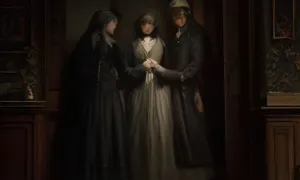
Pověst: Klášter milosrdných sester brněnských (Žernůvka)
Staří obyvatelé Žernůvky vyprávějí, že kaple Panny Marie Bolestné v klášterní budově nikdy nebyla vybrána náhodně. Říkají, že ten, kdo znal místo a znal dobu…
Číst příběhFotografie návštěvníků
Zatím žádné fotografie. Buďte první, kdo přidá fotografii z návštěvy!
Log in a přidejte svou fotografii nebo hodnoťte.
Za ověřenou návštěvu v aplikaci získáte víc bodů — poznáme podle GPS, že jste na místě.
Reviews and comments