



Klášter minoritů (Benešov) Monastery
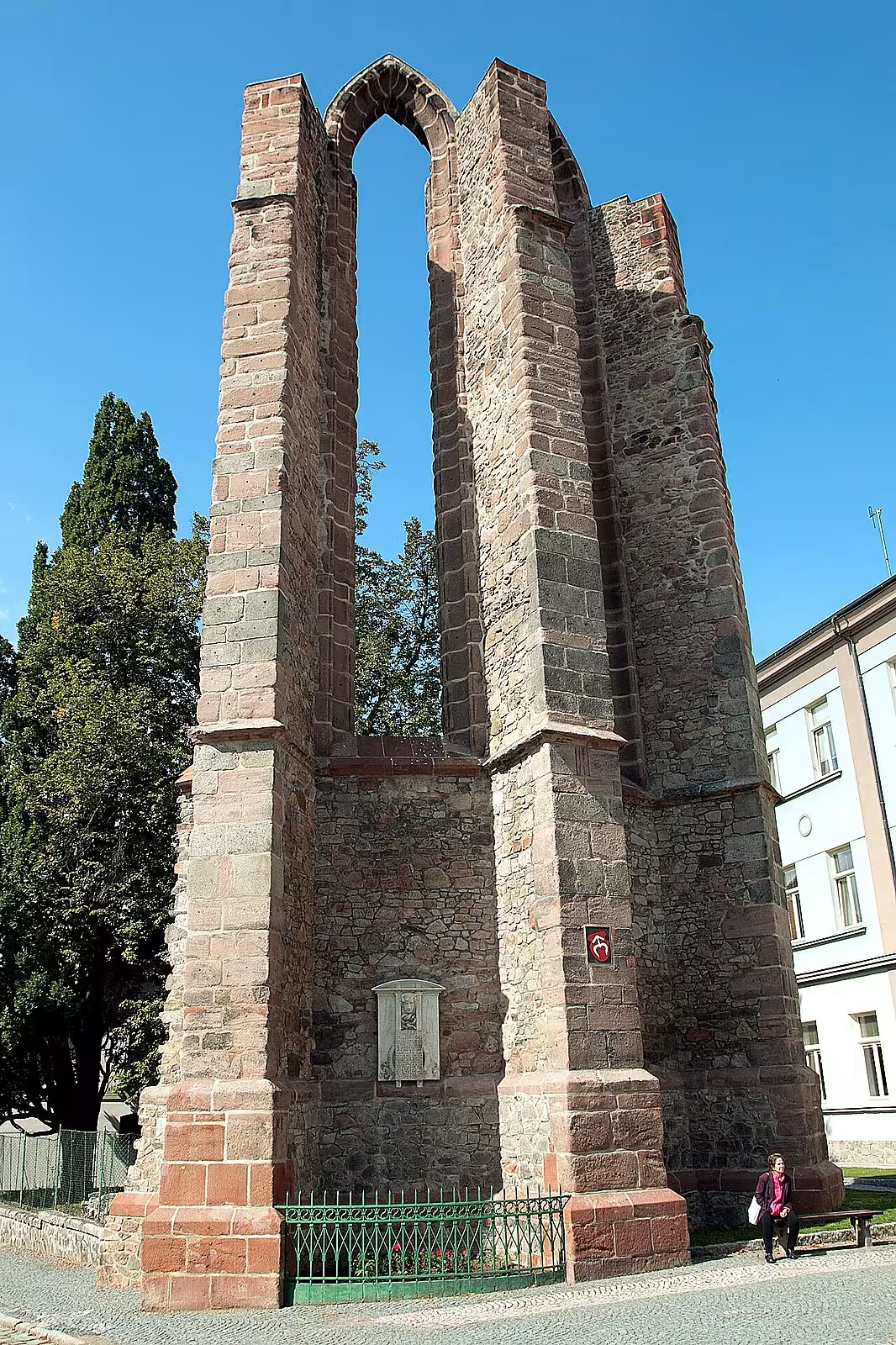
The Minorite Monastery in Benešov is a significant medieval ruin near Prague. Founded in 1247 by Tobiáš z Benešova, it served as both a spiritual and cultural hub until its destruction during the Hussite Wars. The monastery's church was consecrated on October 4, 1257, marking an important phase in its development. Despite suffering damage from fires and wars, including a notable attack led by Jan Žižka in 1420, the site remained historically significant for several centuries.
Established during a period of religious and cultural growth in Bohemia, influenced by broader European medieval developments, Tobiáš z Benešova founded it in 1247 to enhance spiritual life. The church within the monastery was consecrated on October 4, 1257, by Mikuláš z Riesenburka, marking a significant milestone. After a major fire in 1294 that damaged much of the structure, Milota z Dědic spearheaded efforts to rebuild and expand it. By the late 14th century, under the Sternberks' patronage, further development occurred, including constructing a new church.
Architecturally, the monastery began as a simple mid-13th-century structure that underwent significant expansion after the fire in 1294. The late 14th century saw additional developments under the Sternbergs' patronage, which included constructing a new church. Despite its destruction during the Hussite Wars, it continued to be used until its final decline in the early 18th century.
Ownership and administration of the monastery changed over time. Initially founded by Tobiáš z Benešova, it later came under the Sternberks' patronage in the late 14th century. The site was also associated with Zdeněk Kostka z Postupic, who bequeathed his wealth to support the monastery. Key events at the site include its participation in a regional assembly in 1451 under Jiří z Poděbrad and its destruction by Jan Žižka's forces during the Hussite Wars on May 19, 1420.
The Minorite Monastery is notable for being the site of one of the first endowment charters written in Czech in 1400. Additionally, a bell from 1322 known as Ave Maria, housed in the monastery’s belfry, is considered the second oldest dated bell in the Czech Republic. The belfry itself features a pointed roof and stands on a square base with a simple northern entrance.
Today, the ruins of the Minorite Monastery are located north of Benešov's main square, surrounded by urban development. Visitors can explore remnants of the original church from the 13th century and parts of the penta-lobed apse with two gable windows and fragments of arches. The site is recognized as a cultural monument of the Czech Republic since 1958.
The Minorite Monastery in Benešov offers a glimpse into Bohemia's medieval past, reflecting both its religious significance and turbulent history. Its ruins provide valuable insights into architectural styles and historical events that shaped the region. Visitors are invited to explore this historic site, where echoes of the past continue to resonate amidst modern surroundings.
Then and now
Drag the slider to compare how the landmark may have looked when it was built with the view today.
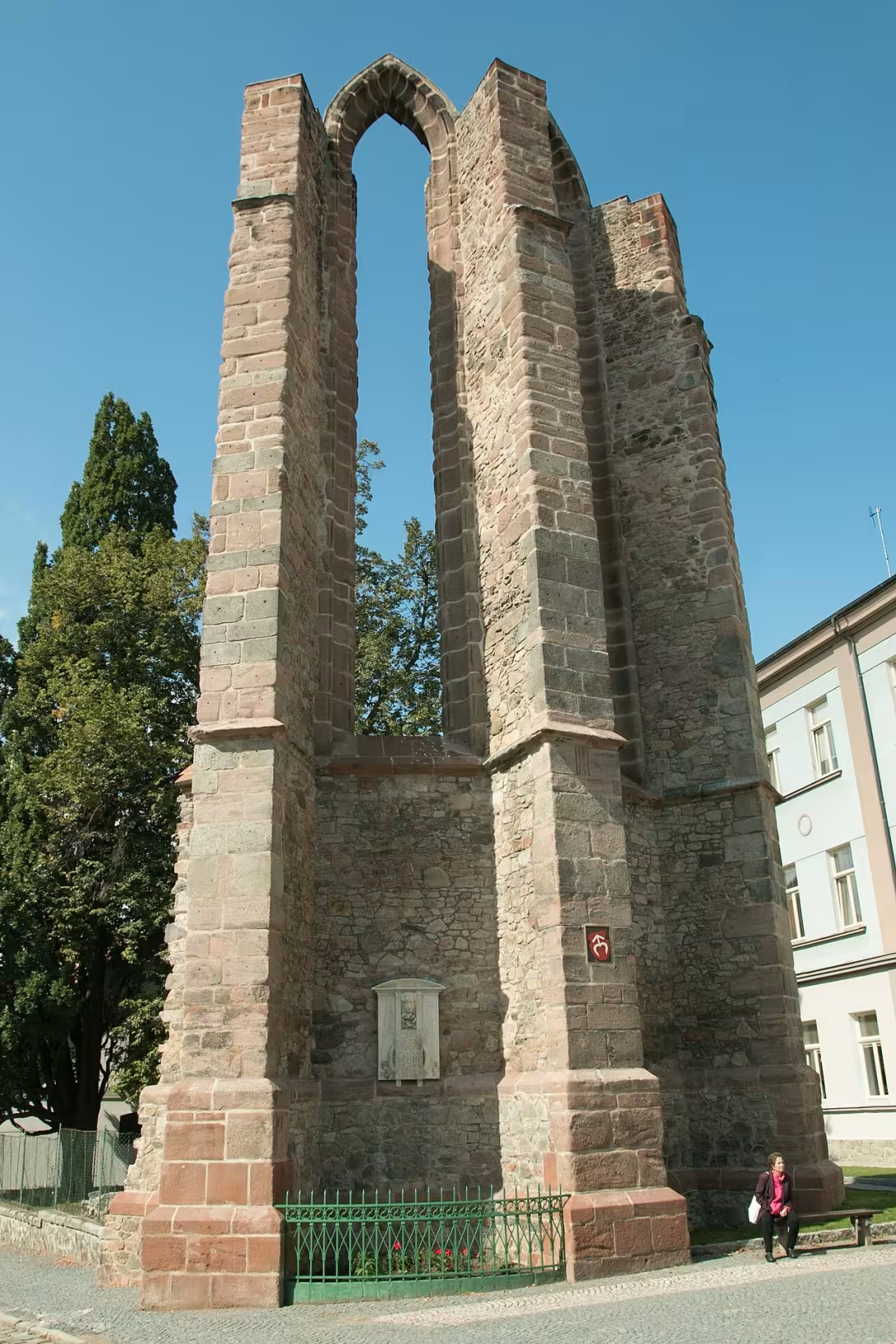
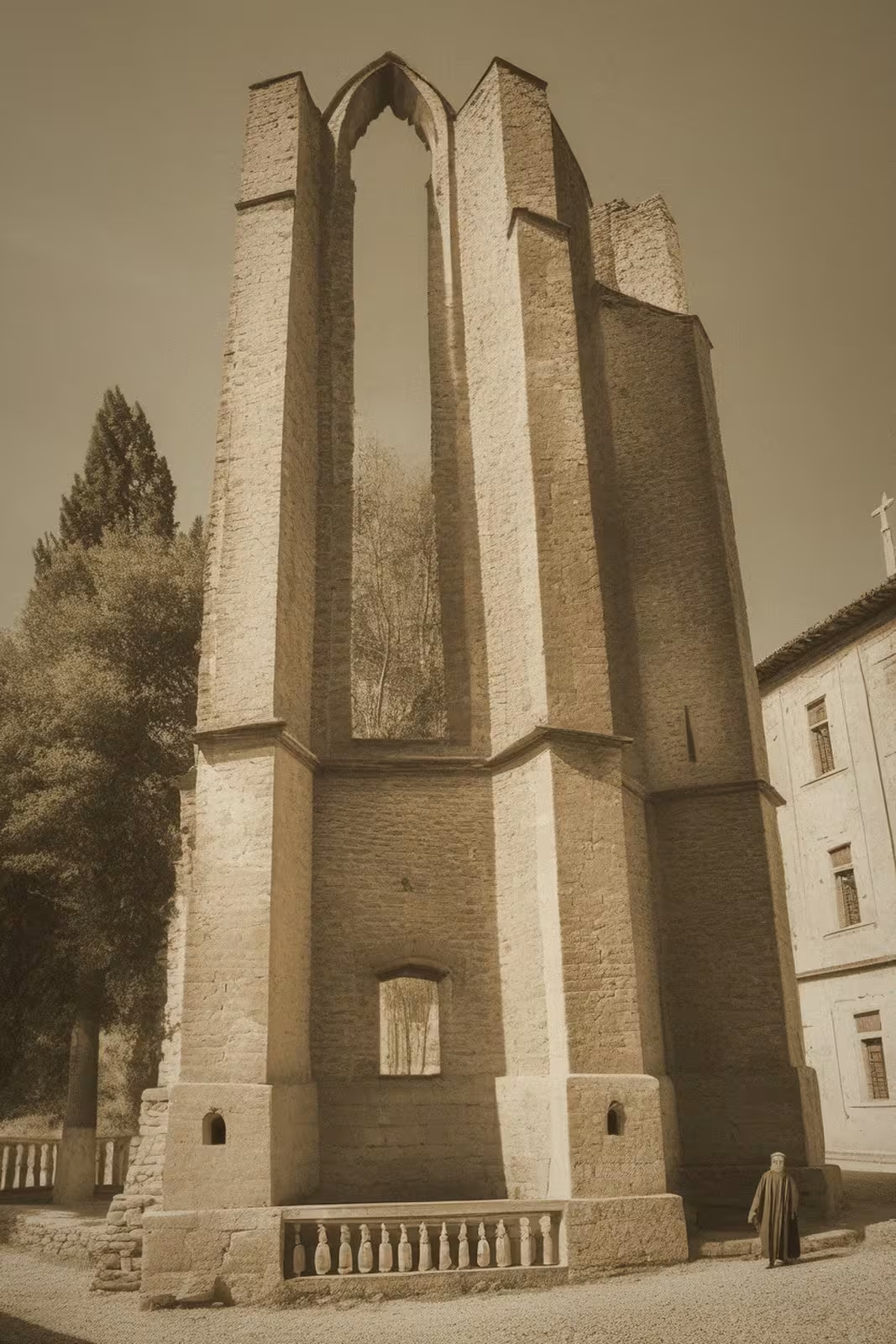
The historical appearance on the left is an AI-generated visualisation and serves as inspiration only.
Historical milestones
- 1257
- Consecration of the convent church by Mikuláš z Riesenburka
- 1420
- Destruction by Jan Žižka's forces during the Hussite Wars
Architectural development
The monastery began as a simple structure founded in the mid-13th century. It underwent significant expansion and reconstruction after a major fire in 1294, led by Milota z Dědic. The late 14th century saw further development under the Sternberks' patronage, including the construction of a new church. Despite its destruction during the Hussite Wars, it continued to be used until its final decline in the early 18th century.
Historical events
Consecration of the convent church on October 4, 1257
Destruction during the Hussite Wars by Jan Žižka's forces on May 19, 1420
Participated in a regional assembly in 1451 under Jiří z Poděbrad
Owners
Founded by Tobiáš z Benešova in 1247
Under patronage of the Sternberks in the late 14th century
Points of interest
- The Minorite Monastery was the site of one of the first endowment charters written in Czech in 1400, highlighting early use of the Czech language for legal documents. - A bell from 1322 known as Ave Maria, housed in the monastery’s belfry, is considered the second oldest dated bell in the Czech Republic. - Zdeněk Kostka z Postupic bequeathed his wealth to support the monastery, indicating its significant role and influence within local nobility circles. - The monastery participated in a regional assembly in 1451 under Jiří z Poděbrad, showing its importance as a political and religious hub during that era. - Despite being destroyed during the Hussite Wars, the site continued to be used until its final decline in the early 18th century, reflecting its enduring significance over centuries.
Guide
This guide is narrated by a synthetic voice generated by artificial intelligence.
Show guide text
This text was created by artificial intelligence and has not been editorially reviewed. It may contain inaccuracies.
Welcome to the historic site of Klášter minoritů in Benešov, a remarkable medieval ruin that whispers tales from centuries past. As you stand here, surrounded by the remnants of what once was a vibrant spiritual and cultural hub, take a moment to absorb the serene yet somber atmosphere. The air carries echoes of history, inviting you on a journey through time.
The Minorite Monastery's story begins in 1247 when Tobiáš z Benešova founded this sacred place near Prague. It quickly became a cornerstone for spiritual life and cultural exchange until its tragic destruction during the tumultuous Hussite Wars. The consecration of the convent church in 1257 by Mikuláš z Riesenburka marked an important phase, symbolizing growth and devotion. Despite being ravaged by fires and wars, including a notable attack led by Jan Žižka in 1420, this site has endured as a testament to resilience.
As you explore the ruins, notice how nature has embraced the remnants of the monastery. The walls, though weathered, still stand with dignity, their very presence inviting contemplation on the passage of time and human endeavor. Though specific architectural details are lost to history, the overall layout suggests a place once bustling with monastic life.
Key figures are woven into the fabric of this site's narrative. Tobiáš z Benešova, its founder, laid the groundwork for what would become an influential spiritual center. Mikuláš z Riesenburka played a pivotal role in consecrating the church, while Jan Žižka’s forces left their mark during the Hussite Wars. These personalities and events shaped not only the monastery's history but also its legacy.
One of the fascinating aspects of this site is its connection to early Czech language use. In 1400, it was home to one of the first endowment charters written in Czech, highlighting a significant moment in legal and cultural history. Additionally, the belfry houses a bell from 1322 known as Ave Maria, considered the second oldest dated bell in the Czech lands. These artifacts offer glimpses into the monastery's vibrant past.
As you continue your exploration, let your imagination wander through time, envisioning the lives that once filled these spaces with purpose and devotion. Each stone tells a story, each ruin holds a secret waiting to be discovered.
Thank you for visiting Klášter minoritů in Benešov. We hope this journey has inspired you to delve deeper into its history and perhaps return one day to uncover more of its hidden tales. Safe travels as you continue your exploration of the Czech lands.
Frequently asked questions
Can the monument be visited?
Religious buildings are usually open mainly during services; at other times a visit is normally arranged with the parish or the operator. We have not verified specific times.
Where is the monument?
Location: Na Karlově, Benešov, Středočeský kraj. The map on this page shows the exact spot.
Why is the monument protected?
It is listed in the Central List of Cultural Monuments of the Czech Republic as a cultural monument (register no. 46069/2-8).
Businesses nearby
Do you run a restaurant, accommodation, shop, museum, rental, wellness or other visitor service near this monument? Show yourself directly to the people heading to it — this is how they will see you in the app and on the web:
Events nearby
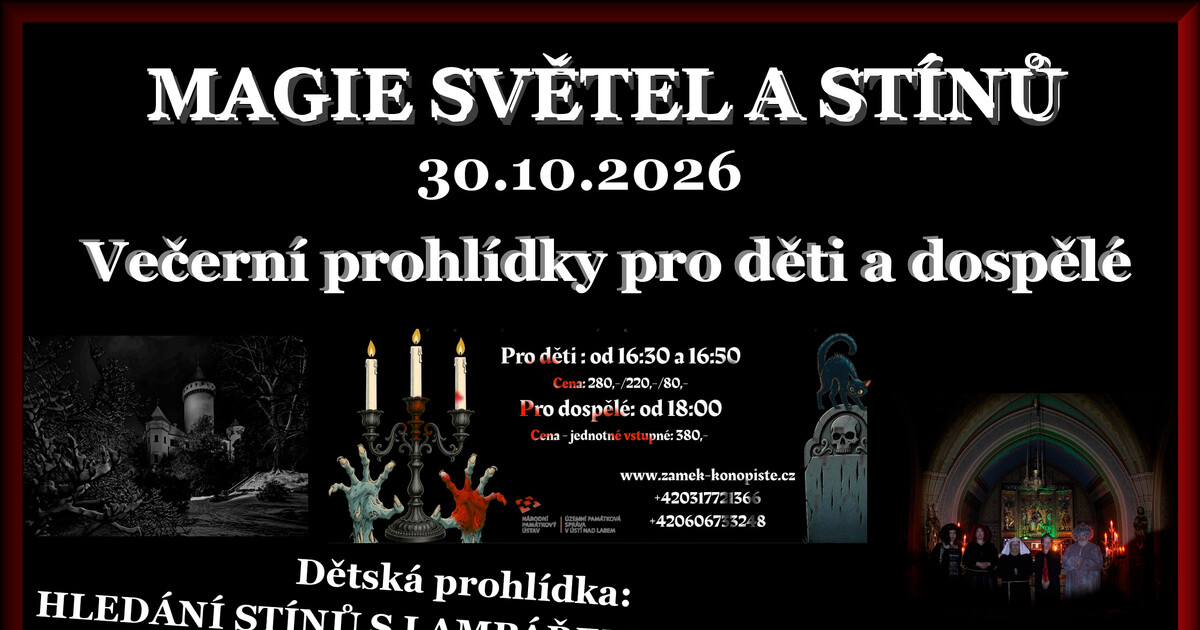

Zdroj akcí: otevřená data měst a obcí ČR (Národní katalog otevřených dat) a kalendář akcí Národního památkového ústavu.
Nearby
Located north of Benešov's main square, the monastery ruins are surrounded by urban development. The area includes a notable belfry with a pointed roof and remnants of the original church from the 13th century.
Accommodation nearby
Themed route
Thematic Walking Tour: Benešov Minorite Monastery and Surroundings
1. Klášter minoritů (Benešov) - Historical Ruins Begin your journey at the heart of this tour, the Klášter minoritů, located north of Benešov's main square. This site offers a glimpse into medieval architecture with its 13th-century church remnants and urban development surrounding it. The ruins provide an evocative backdrop that tells stories of historical significance and architectural evolution.
2. Belfry A short walk from the monastery leads you to the notable Belfry, characterized by its pointed roof. This structure stands as a testament to the area's rich history, offering panoramic views of Benešov and serving as an iconic landmark within the urban landscape. Its proximity to the monastery makes it an essential stop for understanding the historical context of the region.
3. Monastery Ruins Explore further into the Monastery Ruins, where you can immerse yourself in the remnants of what was once a vibrant religious community. The site offers insights into monastic life and architectural styles from centuries past, with preserved sections that allow visitors to appreciate the craftsmanship and historical narratives embedded within these walls.
4. Surrounding Urban Development Conclude your tour by strolling through the surrounding urban development near the monastery. This area showcases how modernity intertwines with history, offering a unique perspective on Benešov's evolution from medieval times to today. The juxtaposition of ancient ruins and contemporary structures provides a comprehensive view of the town’s dynamic growth.
This thematic walking tour not only highlights the historical significance of the Klášter minoritů but also enriches your understanding of its role within the broader context of Benešov's urban landscape.
Seasonal recommendations
Spring: Visiting the Minorite Monastery ruins in Benešov during spring offers a unique experience as nature begins to awaken around the historic site. The soft, diffused light of early morning and late afternoon enhances the beauty of the monastery's crumbling walls, casting long shadows that add depth and drama to its ancient architecture. Spring brings with it a palette of greens and bursts of wildflowers dotting the landscape, creating a picturesque backdrop for photography enthusiasts or those seeking tranquility amidst nature’s renewal. Visitors should be prepared for occasional rain showers; therefore, wearing waterproof footwear and carrying an umbrella is advisable. The weather can still be quite chilly in the mornings and evenings, so layering up with a light jacket would ensure comfort during your exploration.
Summer: Summer at the Minorite Monastery ruins provides a vibrant atmosphere as the lush surroundings come to life under the warm sun. This season offers the best lighting for photography, with long daylight hours allowing ample time to explore the site thoroughly without feeling rushed. The verdant foliage and blooming flowers create an idyllic setting that enhances the historical ambiance of the ruins. However, summer is also the peak tourist season, so it’s wise to visit early in the morning or later in the afternoon to avoid crowds. Staying hydrated is crucial, so bring plenty of water, and wear comfortable walking shoes along with a hat and sunscreen to protect against the sun.
Autumn: Autumn transforms the Minorite Monastery ruins into a stunning tapestry of warm colors as leaves turn shades of amber, gold, and crimson. The soft, golden light of late afternoon is particularly enchanting during this season, casting a magical glow over the ancient stones and creating an atmosphere filled with nostalgia and beauty. While the weather remains relatively mild, it’s advisable to dress in layers to accommodate fluctuating temperatures throughout the day. Carrying a light jacket or sweater can provide comfort as the evenings cool down. The serene ambiance of autumn makes this an ideal time for those seeking peace and reflection amidst nature's splendor.
Winter: Winter offers a hauntingly beautiful experience at the Minorite Monastery ruins, with snow often blanketing the landscape in a pristine white layer that contrasts sharply against the dark stones of the structure. The crisp air and shorter daylight hours create a quiet, contemplative atmosphere perfect for those who enjoy solitude or seeking inspiration from the stark beauty of winter landscapes. However, visitors should be prepared for potentially challenging conditions; wearing warm clothing, including thermal layers, gloves, and a hat, is essential to stay comfortable during your visit. Additionally, bringing sturdy boots with good traction can help navigate any icy paths safely.
Visualizations and artistic views


The visualisations are generated by artificial intelligence and serve as inspiration.
Photos from the area
Real photos taken near the monument


Zdroj a licence jsou uvedeny u každého snímku.
Tips from visitors
No tips yet. Be the first!
Log in and add your tip.
Sources and literature
Photos: Zde / CC BY-SA 4.0 — Wikimedia Commons. The author and licence also appear when you hover over the image.
Faktickým podkladem tohoto textu byl článek na Wikipedii, jehož autory jsou přispěvatelé Wikipedie. Článek je dostupný pod licencí CC BY-SA 4.0.
Location on the map



Příběhy a pověsti
Legendy, pověsti a příběhy spjaté s touto památkou
Fotografie návštěvníků
Zatím žádné fotografie. Buďte první, kdo přidá fotografii z návštěvy!
Log in a přidejte svou fotografii nebo hodnoťte.
Za ověřenou návštěvu v aplikaci získáte víc bodů — poznáme podle GPS, že jste na místě.
Reviews and comments