



Klášter Nížkov Monastery
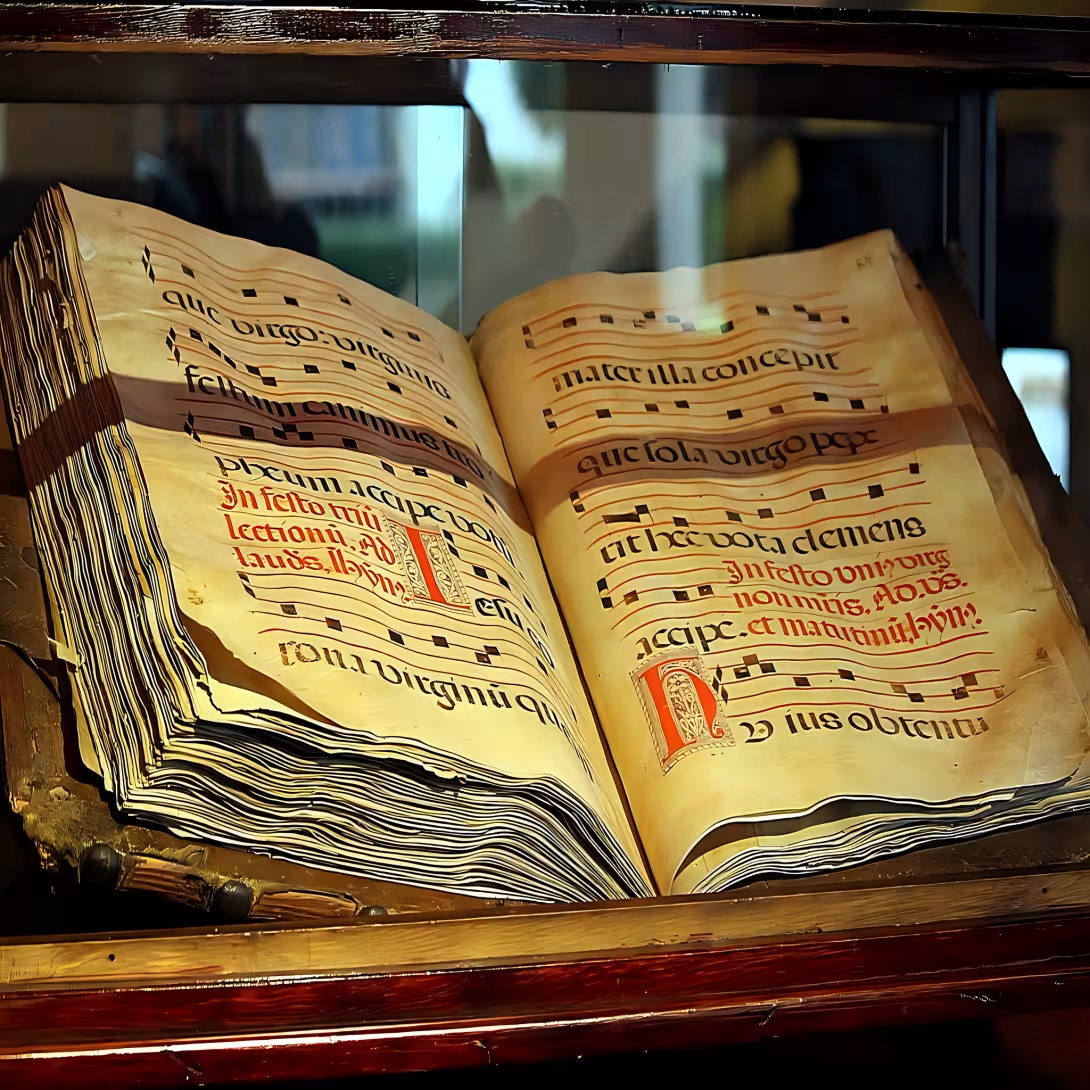
Objekt se nedochoval — na místě dnes nestojí. Následující text popisuje jeho historii, ne současnou návštěvu.
The Nížkov Monastery is a historical site located in the village of Nížkov within the Vysočina Region of the Czech Republic. Established in 1233 by nobleman Jan z Polné, it was part of the Cistercian order's expansion during the early 13th century. Despite its promising beginnings with support from Osek Abbey, the monastery faced numerous challenges and was dissolved just six years later due to unsuitable living conditions for the monks. Today, only a parish church dedicated to Saint Nicholas remains as a testament to the monastery’s brief existence.
The origin of the Nížkov Monastery is rooted in the ecclesiastical and feudal developments occurring in Bohemia during the early 13th century. The Cistercian order was known for its emphasis on monastic reform and agricultural innovation, which led to its expansion across Europe. Jan z Polné initiated the establishment of this monastery with the intention of fostering these ideals. He sought assistance from Osek Abbey, a significant center in the Cistercian network, to send monks to Nížkov. The monks were settled there, and Jan provided them with resources from his estate to sustain their community.
Despite its auspicious start, the monastery faced considerable difficulties almost immediately. Its remote location posed significant challenges for maintaining communication with Osek Abbey, which was essential for logistical support and spiritual guidance. Additionally, the material provisions available to the monks were insufficient, leading to a slow improvement in living conditions. In 1239, Osek Abbey's abbot Slávek conducted an inspection of the monastery and found the conditions unsuitable for sustaining a monastic community. Consequently, he ordered the dissolution of the monastery, and the monks returned to Osek.
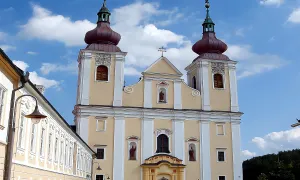
The architectural legacy of the Nížkov Monastery is primarily represented by the parish church of Saint Nicholas, which was constructed during its brief existence. This structure stands as the sole physical remnant of the Cistercian presence in Nížkov. The church reflects the typical Cistercian style, characterized by simplicity and functionality, though specific architectural details are not extensively documented.
Throughout its short history, the monastery's fortunes were closely tied to its founders and administrators. Jan z Polné played a crucial role in its establishment, while Osek Abbey, through abbot Slávek, was instrumental in both supporting and ultimately dissolving the community due to the challenges it faced. The lineage of the Cistercian order is also noteworthy; Nížkov was part of a chain tracing back to the original Cistercian community at Citeaux, passing through Morimond, Kamp, Volkenroda, Waldsassen, and Osek.
The dissolution of the monastery in 1239 marked a significant event in its history. The decision by abbot Slávek underscored the difficulties faced by monastic communities in remote locations during this period. Despite its short-lived existence, the parish church of Saint Nicholas remains an important historical marker, illustrating the reach and influence of the Cistercian order.
Today, visitors to Nížkov can explore the parish church of Saint Nicholas, which stands as a silent witness to the monastery's history. The site offers insight into the challenges faced by monastic communities in medieval Bohemia and serves as a reminder of the broader ecclesiastical developments of the time. Its historical significance makes it a worthwhile destination for those interested in exploring the rich tapestry of Czech religious heritage.
The Nížkov Monastery, though short-lived, offers valuable insights into the challenges and aspirations of monastic life in 13th-century Bohemia. The parish church of Saint Nicholas remains as a testament to this chapter of history, inviting visitors to reflect on its legacy and explore its historical context.
Then and now
Drag the slider to compare how the landmark may have looked when it was built with the view today.
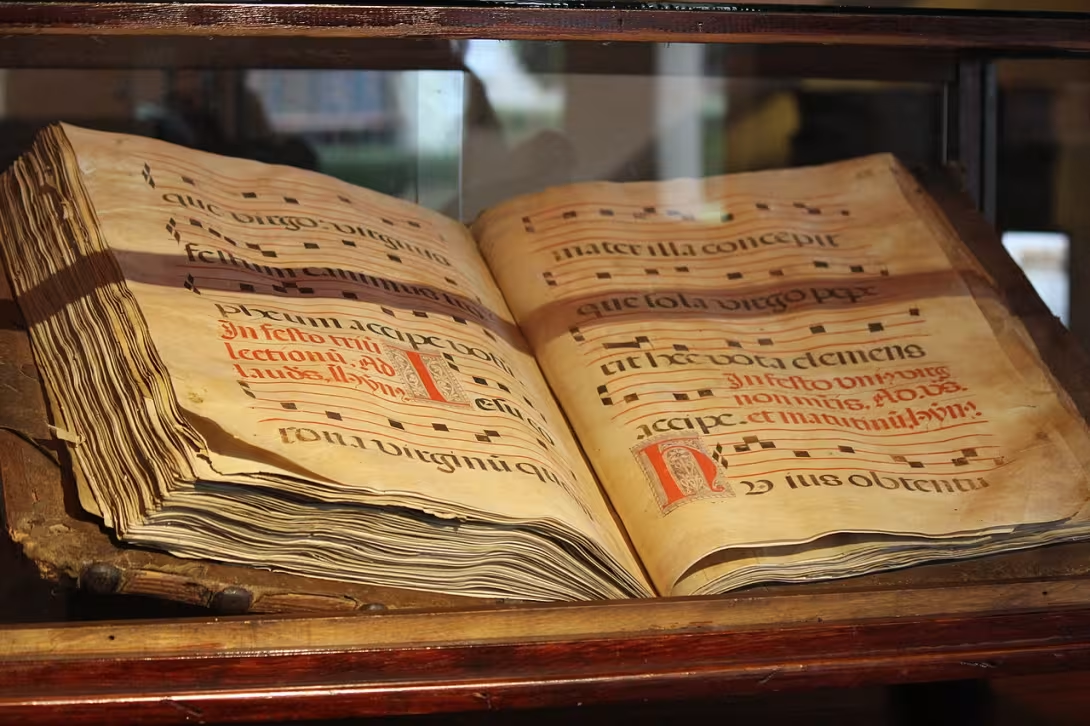

The historical appearance on the left is an AI-generated visualisation and serves as inspiration only.
Historical milestones
- 1233
- Establishment of the Cistercian monastery in Nížkov.
- 1239
- Dissolution of the monastery ordered by Osek Abbey's abbot Slávek.
Architectural development
The monastery was established with support from Osek Abbey, but its development was hindered by logistical challenges. The primary structure that remains today is a parish church dedicated to Saint Nicholas, built during the monastery's brief existence.
Historical events
1233: Establishment of the Cistercian monastery in Nížkov initiated by Jan z Polné.
1239: Osek Abbey's abbot Slávek visited and ordered the dissolution of the monastery due to unsatisfactory conditions.
Points of interest
- Despite its establishment in 1233 by Jan z Polné, the Nížkov Monastery was dissolved just six years later due to unsuitable living conditions, making it one of the shortest-lived monastic communities in Cistercian history.
- The monastery’s dissolution was ordered by abbot Slávek from Osek Abbey after he personally inspected the site and found the conditions inadequate for sustaining a monastic community, highlighting the challenges of remote locations during that era.
- Nížkov Monastery's connection to the broader Cistercian network is notable as it traces its lineage back through several key centers including Morimond, Kamp, Volkenroda, Waldsassen, and Osek, reflecting the order’s expansive reach across Europe in the 13th century.
- Although the monastery itself no longer exists, the parish church dedicated to Saint Nicholas stands as a testament to Cistercian architectural influence, characterized by its simplicity and functionality despite limited documentation on specific design details.
- The involvement of Jan z Polné not only highlights the role of local nobility in supporting religious institutions but also underscores how personal fortunes could significantly impact the success or failure of such establishments.
Guide
This guide is narrated by a synthetic voice generated by artificial intelligence.
Show guide text
This text was created by artificial intelligence and has not been editorially reviewed. It may contain inaccuracies.
In the thirteen-thirties, an attempt was made in Nížkov in Vysočina to establish a Cistercian monastery. It did not last long. After a few years, the monastery was dissolved.
The founding of the monastery was initiated by the nobleman Jan z Polné. He turned to Osek in northern Bohemia with a request to send him a group of monks from there. The abbot of Osek at that time, Slávek, granted his request and indeed sent monks to Vysočina. They settled in Nížkov and Jan z Polné provided them with income from a small part of his property for their livelihood.
But the community had it difficult from the start. The great distance complicated the necessary contact with the mother monastery in Osek. The material support for the monks was completely insufficient and conditions improved only very slowly.
In twelve thirty-nine, Abbot Slávek conducted a visitation in Nížkov, that is, an inspection of the conditions in the monastery. He found the conditions for the life of the community unsatisfactory and ordered the monks to return to Osek.
The only monument to the monastery that has survived in Nížkov to the present day is the parish church of Saint Nicholas. It was built by the Cistercians themselves.
Every Cistercian monastery has its own family line, which traces back to the original Cistercian community in Citeaux. Nížkov belonged to it through Osek. The line begins in Citeaux, continues through Morimond, Kamp, Volkenrodu and Waldsassen to Osek and ends precisely in Nížkov.
Businesses nearby
Do you run a restaurant, accommodation, shop, museum, rental, wellness or other visitor service near this monument? Show yourself directly to the people heading to it — this is how they will see you in the app and on the web:
Visualizations and artistic views


The visualisations are generated by artificial intelligence and serve as inspiration.
Tips from visitors
No tips yet. Be the first!
Log in and add your tip.
Sources and literature
Faktickým podkladem tohoto textu byl článek na Wikipedii, jehož autory jsou přispěvatelé Wikipedie. Článek je dostupný pod licencí CC BY-SA 4.0.
Location on the map



Příběhy a pověsti
Legendy, pověsti a příběhy spjaté s touto památkou
Fotografie návštěvníků
Zatím žádné fotografie. Buďte první, kdo přidá fotografii z návštěvy!
Log in a přidejte svou fotografii nebo hodnoťte.
Za ověřenou návštěvu v aplikaci získáte víc bodů — poznáme podle GPS, že jste na místě.
Reviews and comments