






Kostel svatého Mikuláše (Nížkov) Church
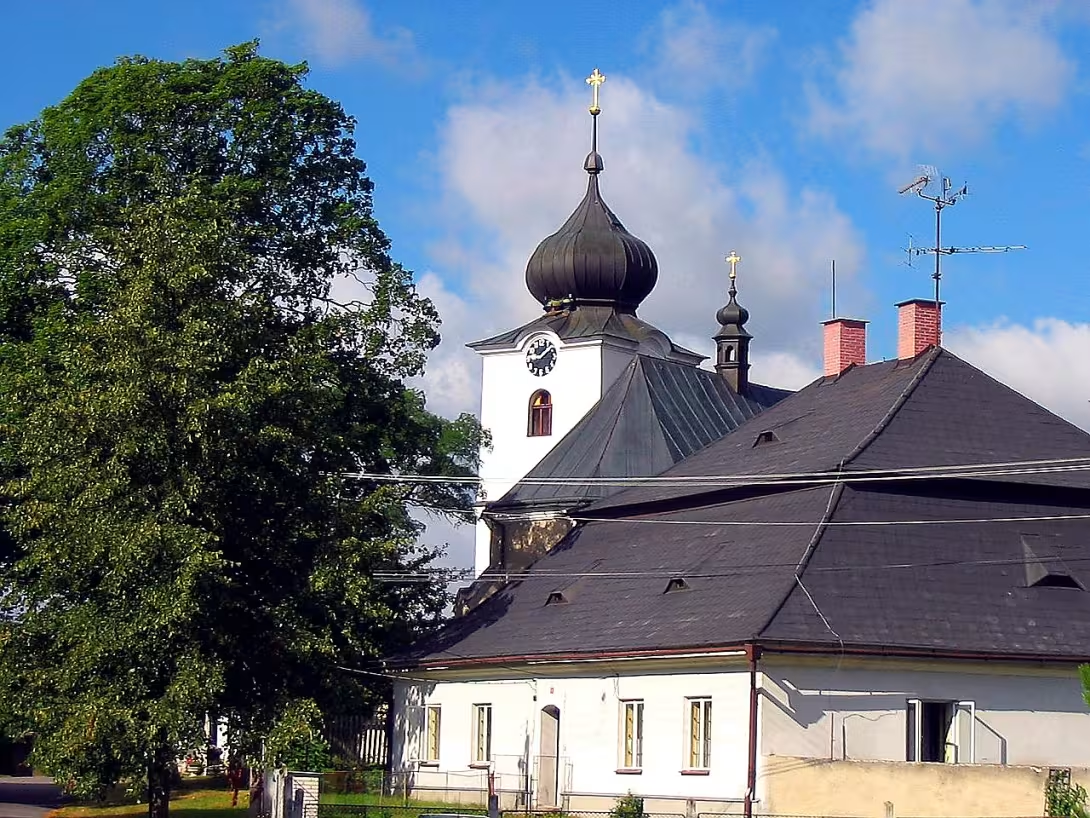
The Church of Saint Nicholas in Nížkov is a historic site located at the village's heart, dedicated to Saint Nicholas. Constructed initially by Cistercian monks from Osek in the early 13th century, it showcases various architectural styles and historical transformations over centuries. Although left unfinished when the monks departed in 1239, it continued serving religious purposes and underwent significant reconstructions, including a late Gothic transformation after 1485 and Baroque modifications in 1753 by Polish dean Petr Florián. The church is notable for its blend of Romanesque, Gothic, Renaissance, and Baroque elements, earning cultural monument status since 1970.
The origins date back to the early 13th century when Cistercian monks from Osek began construction. They left Nížkov in 1239, leaving the church unfinished but still functional for religious services. This period was marked by Bohemia's inclusion in the Holy Roman Empire, a time of significant political and religious changes across Europe. Despite its early abandonment, the church remained an important site, eventually undergoing reconstruction in a late Gothic style after 1485.
Architecturally, it is a single-nave building with a pentagonal presbytery featuring both net vaulting and ribbed vaulting, incorporating several late Romanesque elements. The sacristy has an unusual shape, originally intended as a chapel in the side nave. Notable features include the main altar dedicated to Saint Nicholas, flanked by statues of Saints Peter and Paul, and a Baroque pulpit near the entrance to the sacristy. Inside, visitors can find three altars: the main one is dedicated to Saint Nicholas, while the side altars honor the Virgin Mary and Saint Wenceslas. A Renaissance baptismal font from the early 17th century, possibly used by Protestants before the Battle of White Mountain, adds historical intrigue.
Throughout its history, various owners and administrators contributed to its evolution. Significant changes occurred in 1753 when Polish dean Petr Florián added a Baroque nave, replaced Gothic windows, and extended the tower with an additional floor. In 1614, the church acquired a bell that remarkably survived both World Wars and remains in use today. Further enhancements included the installation of organs by Jan Viktora from Prague in 1852 and the addition of new altars over time, such as those dedicated to Saint Teresa in 1930 and the Holy Sepulchre in 1972.
The church has witnessed several key events that underscore its historical significance. The initial construction by Cistercian monks laid the foundation for a site enduring through centuries of change. Its transformation into a late Gothic structure after 1485 reflects broader architectural trends across Europe during that era. The Baroque modifications in 1753, led by Petr Florián, marked another pivotal moment in its history, enhancing both its aesthetic and functional aspects.
Today, the Church of Saint Nicholas stands as a cultural monument, accessible to visitors who wish to explore its rich historical tapestry. Its blend of architectural styles and historical artifacts offers a unique glimpse into the past, making it a worthwhile destination for those interested in religious architecture and European history. The church's enduring legacy is a testament to its resilience and significance over centuries, inviting modern audiences to appreciate its beauty and historical depth.
The Church of Saint Nicholas in Nížkov is not just an architectural marvel but also a cultural treasure reflecting the dynamic history of the region. Its blend of styles and historical layers offers visitors a unique opportunity to step back in time and experience the rich tapestry of European religious architecture. Whether drawn by its historical significance or architectural beauty, this church promises a rewarding visit for anyone interested in exploring Czech heritage.
Then and now
Drag the slider to compare how the landmark may have looked when it was built with the view today.
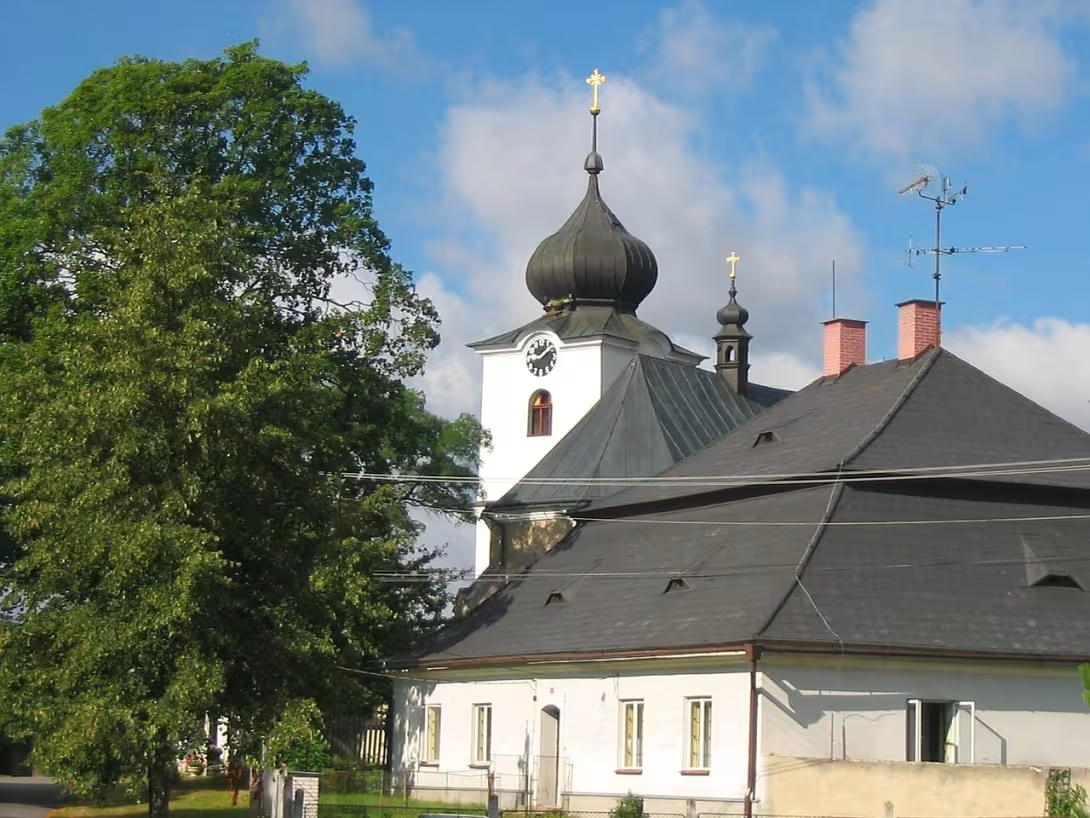

The historical appearance on the left is an AI-generated visualisation and serves as inspiration only.
Historical milestones
- 1300
- Construction began by Cistercian monks.
- 1239
- Cistercian monks left Nížkov.
- 1485
- Reconstruction in late Gothic style commenced.
- 1753
- Baroque modifications by Petr Florián.
Architectural development
Construction began as an unfinished project by Cistercian monks. It was later rebuilt in the late Gothic style and underwent significant Baroque renovations in 1753, including a new nave addition and window replacements. The church also features Renaissance baptismal fonts from the early 17th century.
Historical events
Cistercian monks began construction in the early 14th century but left in 1239.
The church was reconstructed in a late Gothic style after 1485.
In 1753, Baroque modifications were made by Polish dean Petr Florián.
Points of interest
- The Church of Saint Nicholas was initially constructed by Cistercian monks from Osek in the early 13th century but left unfinished when they departed in 1239. Despite this abrupt halt, it continued to serve religious purposes and evolved through various architectural styles over the centuries.
- A unique feature of the church is its sacristy, which was originally intended as a chapel in the side nave, showcasing an unusual shape compared to typical church designs from that era.
- The church's main altar is dedicated to Saint Nicholas, flanked by statues of Saints Peter and Paul. This setup reflects the enduring veneration for these saints throughout the church’s history.
- In 1614, the church acquired a bell that remarkably survived both World Wars and remains in use today, highlighting its resilience and continuity through turbulent historical periods.
- The Baroque modifications made in 1753 by Polish dean Petr Florián included replacing Gothic windows and extending the tower with an additional floor, marking a significant transformation in the church's architectural history.
Guide
This guide is narrated by a synthetic voice generated by artificial intelligence.
Show guide text
This text was created by artificial intelligence and has not been editorially reviewed. It may contain inaccuracies.
Welcome to the Church of Saint Nicholas in Nižkov, a key historical monument located at the heart of this idyllic village in Vysočina Region. As you stand before this ancient building, you can feel the deep spiritual resonance that surrounds it. Despite its walls proudly weathering the storms of time, the Church of Saint Nicholas represents a living story spanning more than seven centuries.
Let's delve into history. At the beginning of the 14th century, Cistercian monks from Osek began constructing the church dedicated to Saint Nicholas. These religious men brought their masterful architectural style with them to Nižkov, but their efforts were interrupted in 1239 when they left the village. Despite this unexpected halt, the church became a center of religious life and underwent numerous transformations over the centuries.
Now, take notice of the architecture before you. It is a fascinating mix of styles that tells the story of its evolution. In 1485, a reconstruction in late Gothic style was carried out, bringing new architectural interest and structural complexity to the church. Later, in 1753, under the guidance of Petr Florian, the church transformed into baroque beauty, adding characteristic ornamentation and elegant details.
Key figures associated with this place are, of course, the Cistercian monks from Osek, who laid the foundations for what would become an iconic monument. Their initial efforts and subsequent renovations reflect not only architectural changes but also transformations in the spiritual and communal life of Nižkov.
An interesting fact is that despite their work being originally left unfinished, the Church of Saint Nicholas continued to develop and served as a spiritual center. This resilience and ability to adapt to new needs and tastes over time are truly inspiring.
As an invitation for exploration, take a look around the church and consider its historical significance. Imagine the lives of those who served and prayed here, and how their community transformed with each renovation. The Church of Saint Nicholas is more than just a monument—it is a living document of human will and spiritual determination.
Thank you for exploring the Church of Saint Nicholas together. I hope your experience was enlightening and inspiring. If you have time, let us show you other interesting sights in Nižkov and enjoy this place of spiritual peace and historical depth. God bless!
Frequently asked questions
Can the monument be visited?
Religious buildings are usually open mainly during services; at other times a visit is normally arranged with the parish or the operator. We have not verified specific times.
Where is the monument?
Location: č.p. 139, Nížkov, Kraj Vysočina. The map on this page shows the exact spot.
Why is the monument protected?
It is listed in the Central List of Cultural Monuments of the Czech Republic as a cultural monument (register no. 14763/7-4252).
Businesses nearby
Do you run a restaurant, accommodation, shop, museum, rental, wellness or other visitor service near this monument? Show yourself directly to the people heading to it — this is how they will see you in the app and on the web:
Accommodation nearby
Themed route
Tematická výletní trasa: Kostel svatého Mikuláše (Nížkov)
1. Kostel svatého Mikuláše, Nížkov
- Typ: Historická památka
- Proč stojí za návštěvu: Tento barokní kostel je nejvýraznějším historickým monumentem v obci Nížkov. Jeho architektura a duchovní význam přitahují návštěvníky, kteří se zajímají o místní dědictví a historii regionu Vysočiny.
2. Obecní úřad Nížkov
- Typ: Historický obecní budov
- Proč stojí za návštěvu: Obecní úřad se nachází v centru města a je příkladem tradičního venkovského architektonického stylu. Jeho historie odráží rozvoj obce Nížkov a poskytuje vhled do administrativních tradic regionu.
3. Nížkovský park
- Typ: Místní zelená plocha
- Proč stojí za návštěvu: Park je ideálním místem pro odpočinek a relaxaci po prozkoumání historických památek. Nabízí příjemné chodníky a místa k sedění, která vytvářejí klidný prostor pro setkávání s přírodou a odpočinek.
4. Místní tržiště Nížkov
- Typ: Tradiční místní trh
- Proč stojí za návštěvu: Místní tržiště nabízí šanci prozkoumat regionální produkty a potraviny. Je to také místo, kde se setkávají obyvatelé Nížkovu, což poskytuje pohled na každodenní život a tradice komunity.
Tato trasa nabízí návštěvníkům přehled o historických i kulturních aspektech obce Nížkov. Každý bod umožňuje prozkoumat různé stránky místního života a dědictví, což činí výlet bohatým zážitkem o regionu Vysočiny.
Seasonal recommendations
Spring: Visiting the Church of Saint Nicholas in Nížkov during spring offers a serene experience as nature awakens around the historic site. The surrounding landscape is adorned with blooming flowers and fresh greenery, providing a picturesque backdrop that enhances the church's architectural beauty. This season often features softer light, casting gentle shadows and creating a tranquil atmosphere perfect for reflection. As spring marks the beginning of tourist activity, visitors may encounter moderate crowds, particularly on weekends. To fully enjoy this time, it is advisable to wear comfortable layers due to fluctuating temperatures and plan your visit in the morning or late afternoon when the weather is milder.
Summer: The summer months bring vibrant life to Nížkov's Church of Saint Nicholas, with warm sunlight illuminating its historic facade and inviting visitors to explore both indoors and outdoors. This season offers extended visiting hours, allowing ample time to appreciate the church’s intricate details in the bright daylight. However, it is important to note that this period can attract larger crowds, especially during peak tourist times like midday. To enhance your experience, consider arriving early in the morning or later in the afternoon to avoid the heat and busy periods. Wearing light clothing and comfortable shoes will help you navigate comfortably through the site.
Autumn: Autumn transforms Nížkov's Church of Saint Nicholas into a stunning canvas of warm hues as leaves turn golden and red around the historic structure, creating an enchanting atmosphere. The cooler temperatures make for pleasant strolls in the surrounding area, while the softer light enhances the church’s architectural features, offering unique photographic opportunities. As tourist numbers begin to dwindle, visitors can enjoy a more relaxed visit with fewer crowds. It is recommended to dress warmly and bring a jacket or sweater, as temperatures can drop significantly during this season.
Winter: The winter months cast Nížkov's Church of Saint Nicholas in a magical light, with snow often blanketing the surrounding landscape and creating a picturesque scene reminiscent of a fairy tale. This period offers a quieter visit, ideal for those looking to explore without the hustle and bustle of peak tourist seasons. However, it’s important to note that visiting hours may be shorter due to the colder weather. To ensure comfort during your visit, dress warmly in layers, wear waterproof boots, and consider bringing gloves and a hat. The serene winter atmosphere provides a unique opportunity to appreciate the church's beauty in a tranquil setting.
Visualizations and artistic views


The visualisations are generated by artificial intelligence and serve as inspiration.
Photos from the area
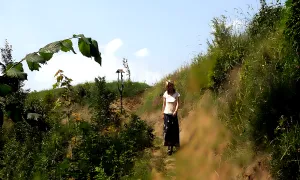
Real photos taken near the monument


Zdroj a licence jsou uvedeny u každého snímku.
Tips from visitors
No tips yet. Be the first!
Log in and add your tip.
Sources and literature
Photos: Jirka82 at Czech Wikipedia / CC BY-SA 3.0 — Wikimedia Commons. The author and licence also appear when you hover over the image.
Faktickým podkladem tohoto textu byl článek na Wikipedii, jehož autory jsou přispěvatelé Wikipedie. Článek je dostupný pod licencí CC BY-SA 4.0.
Location on the map



Příběhy a pověsti
Legendy, pověsti a příběhy spjaté s touto památkou
Fotografie návštěvníků
Zatím žádné fotografie. Buďte první, kdo přidá fotografii z návštěvy!
Log in a přidejte svou fotografii nebo hodnoťte.
Za ověřenou návštěvu v aplikaci získáte víc bodů — poznáme podle GPS, že jste na místě.
Reviews and comments