



Klášter salesiánů (Děčín) Monastery
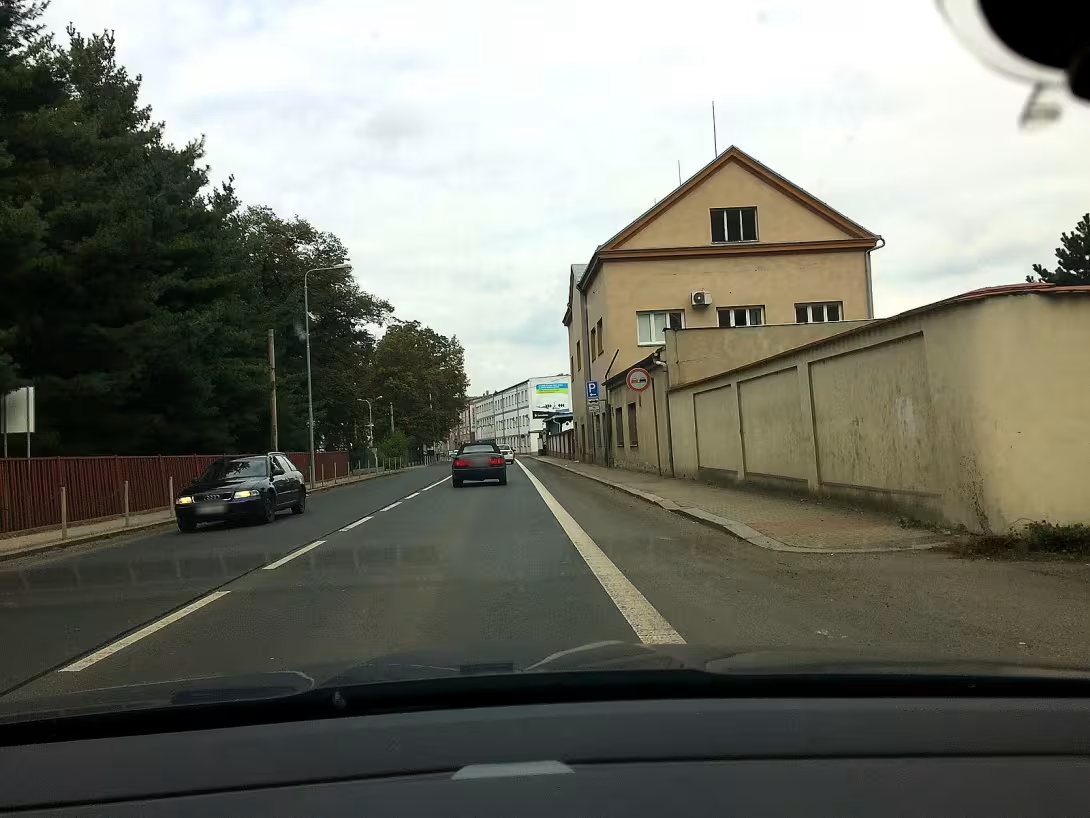
The Salesian Monastery in Děčín-Podmokly represents an intriguing yet brief chapter in the history of religious communities within Czechoslovakia during the early 20th century. Established by the Salesians of Don Bosco between 1934 and 1935, this monastery aimed to serve as a spiritual hub offering catechetical instruction and support for the local community. Despite its short existence, it underscores the challenges faced by religious groups in gaining local acceptance during a period marked by significant social and political changes.
The origins of the Salesian Monastery trace back to efforts by the Salesians of Don Bosco to establish themselves within the Litoměřice diocese. In October 1934, under Inspector P. František Walland's guidance, the community was founded by members including P. František Feiler, P. Kamil Puchlt, bohoslovec František Lepařík, and assistant Josef Muška. They settled in a parish building near the Church of St. Wenceslas in Rozběles, part of what is now Děčín-Podmokly. Their mission focused on serving as catechists and providing spiritual support to the local population.
The historical context of this period is significant, as Czechoslovakia was defining its identity following independence from Austria-Hungary in 1918. This era witnessed considerable social and political shifts across Europe, affecting religious communities trying to establish themselves amidst these changes. The Salesians' endeavor in Děčín-Podmokly reflects the broader challenges faced by such groups during this transformative time.
Despite their efforts, the Salesian community struggled to secure local support for their mission. This lack of acceptance led to their departure from the area within a year, marking the end of their brief attempt to establish a lasting presence in the Litoměřice diocese. The monastery's closure in 1935 highlights the complexities and challenges religious communities faced during this period.
Today, the site where the Salesian Monastery once stood is part of Děčín-Podmokly, known for its scenic views along the Elbe River and historical sites such as Děčín Castle. While the monastery no longer exists, its story remains a testament to the efforts of religious communities during a time of significant change in Czechoslovakia. Visitors interested in exploring this part of history can appreciate the broader context of the region's rich past.
The Salesian Monastery in Děčín-Podmokly may have been short-lived, but it offers valuable insights into the challenges and aspirations of religious communities during a pivotal era in European history. Its story invites reflection on the complexities of establishing spiritual centers amidst shifting societal dynamics. For those interested in exploring this aspect of Czechoslovakia's past, Děčín-Podmokly remains a place worth visiting, offering both historical intrigue and natural beauty.
Then and now
Drag the slider to compare how the landmark may have looked when it was built with the view today.


The historical appearance on the left is an AI-generated visualisation and serves as inspiration only.
Historical milestones
- 1934
- The Salesian community was established in Děčín-Podmokly.
- 1935
- The monastery closed due to insufficient local support.
Historical events
1934: Establishment of the Salesian Monastery by the Salesians of Don Bosco under the guidance of P. František Walland.
1935: The monastery's closure due to lack of local support.
Points of interest
- The Salesian Monastery's establishment was part of a broader effort by the Salesians of Don Bosco to expand their influence within the Litoměřice diocese, reflecting their strategic approach to spreading their educational and spiritual mission across Europe.
- Despite its brief existence, the monastery attempted to integrate into the local community through catechetical instruction, showcasing early 20th-century efforts by religious groups to adapt their missions to serve diverse populations in newly formed nations like Czechoslovakia.
- The departure of the Salesian community within a year highlights the difficulties faced by foreign religious orders in gaining acceptance and support from local communities during times of national identity formation and political change, illustrating broader challenges across Europe at that time.
- Although the monastery no longer exists, its location near the Church of St. Wenceslas suggests it was strategically placed to serve both spiritual and educational needs, a common practice among religious orders aiming to establish strong community ties.
- The story of the Salesian Monastery in Děčín-Podmokly serves as a microcosm of the broader challenges faced by religious communities during periods of significant social transformation, offering insights into how these groups navigated complex political landscapes while striving to fulfill their missions.
Guide
This guide is narrated by a synthetic voice generated by artificial intelligence.
Show guide text
This text was created by artificial intelligence and has not been editorially reviewed. It may contain inaccuracies.
The Salesians of Don Bosco had their religious community in Děčín-Podmokly only briefly, in the years 1934 and 1935. It was the very first attempt to establish a Salesian house in the Litoměřice diocese.
The impulse came from the inspector, Father František Walland. In October 1934, four Salesians arrived in Rozběles, the original settlement and core of Podmokly: Father František Feiler, Father Kamil Puchlt, theology student František Lepařík, and assistant Josef Muška. They settled in the parish building next to the Church of Saint Václav.
They worked there as catechists and helped with spiritual care in Podmokly-Rozběles. However, their plan to build their own house did not meet with understanding. Already in 1935 they left, and the entire attempt ended in failure.
Frequently asked questions
Can the monument be visited?
Religious buildings are usually open mainly during services; at other times a visit is normally arranged with the parish or the operator. We have not verified specific times.
Where is the monument?
Location: Děčín, Ústecký kraj. The map on this page shows the exact spot.
Businesses nearby
Do you run a restaurant, accommodation, shop, museum, rental, wellness or other visitor service near this monument? Show yourself directly to the people heading to it — this is how they will see you in the app and on the web:
Events nearby
Zdroj akcí: otevřená data měst a obcí ČR (Národní katalog otevřených dat) a kalendář akcí Národního památkového ústavu.
Nearby
Děčín-Podmokly is located near the Elbe River and offers scenic views of the surrounding landscape. The area includes historical sites such as Děčín Castle, which provides a glimpse into the region's rich history.
Accommodation nearby
Trips and activities nearby
Guided tours, tickets and activities nearby from GetYourGuide
Affiliate link: if you buy from the partner, we may receive a commission. The price for you does not change.
Search tours and activities →Themed route
Thematic Walking Tour: Salesian Monastery and Surroundings in Děčín
1. Salesian Monastery (Děčín)
Type: Religious Site
Why Visit: Begin your journey at the heart of spiritual life in Děčín, the Salesian Monastery. This monastery is renowned for its serene atmosphere and architectural beauty. It serves as a center for community activities and religious education, offering visitors a chance to explore its peaceful gardens and impressive church.
2. Děčín Castle
Type: Historical Site
Why Visit: A short walk from the monastery takes you to Děčín Castle, perched on a hill overlooking the Elbe River. This castle is a testament to the region's rich history, with its well-preserved medieval architecture and stunning panoramic views of the surrounding landscape. It provides an excellent opportunity to delve into the past while enjoying breathtaking scenery.
3. Elbe River Promenade
Type: Scenic Route
Why Visit: Stroll along the Elbe River promenade near Děčín-Podmokly for a relaxing and picturesque experience. The riverbanks offer scenic views of the waterway, with opportunities to appreciate nature and reflect on the beauty of the area. This path connects you back towards the Salesian Monastery, completing your thematic tour.
This route offers a harmonious blend of spiritual reflection at the monastery, historical exploration at Děčín Castle, and natural beauty along the Elbe River, providing a comprehensive experience of Děčín's cultural and scenic offerings.
Seasonal recommendations
Spring: Visiting the Salesian Monastery during spring offers a unique experience as nature awakens around this historic site. The monastery grounds are adorned with blooming flowers and lush greenery, creating a vibrant atmosphere that enhances the serene beauty of the architecture. This season provides softer lighting conditions, ideal for photography, capturing both the natural surroundings and the intricate details of the monastery's design. Visitors should anticipate moderate crowds as people enjoy the pleasant weather and outdoor activities. It is advisable to wear comfortable layers; mornings can be cool while afternoons warm up. Arriving early in the day allows you to explore before larger groups arrive.
Summer: The summer months bring a lively atmosphere to the Salesian Monastery, with extended daylight hours perfect for exploring both inside and outside the historic site. The lush gardens are at their peak, offering picturesque settings under clear blue skies. However, this is also the peak tourist season, so expect larger crowds, especially during weekends and holidays. To avoid long lines and ensure a more leisurely visit, consider arriving early in the morning or later in the afternoon. Light, breathable clothing is recommended to stay comfortable in the warm weather, along with sunscreen and a hat for protection against the sun.
Autumn: Autumn at the Salesian Monastery provides a tranquil setting as the foliage changes into rich hues of red, orange, and gold. The cooler temperatures contribute to a peaceful ambiance, making it an ideal time for reflection and photography without the crowds typical in other seasons. The natural beauty of the surrounding landscape during this period offers a stunning backdrop to the historic architecture. Visitors should dress warmly in layers as temperatures can vary significantly throughout the day. Late morning or early afternoon visits are recommended to enjoy the best light and avoid any potential chill from evening breezes.
Winter: Winter transforms the Salesian Monastery into a serene, almost magical setting with snow-covered grounds and a quiet atmosphere that contrasts sharply with busier seasons. The monastery's architecture is particularly striking against the white landscape, providing unique photo opportunities. Warm clothing, including coats, hats, gloves, and waterproof boots, is essential for comfort. Planning your visit on a weekday can help avoid any limited crowds that do venture out during this quieter time of year.
Visualizations and artistic views


The visualisations are generated by artificial intelligence and serve as inspiration.
Photos from the area
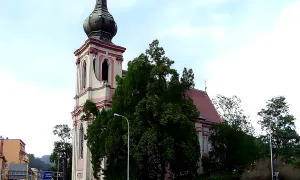
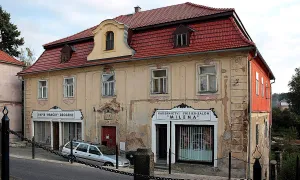
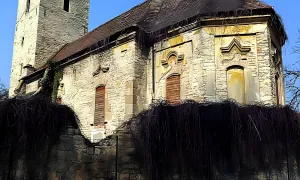
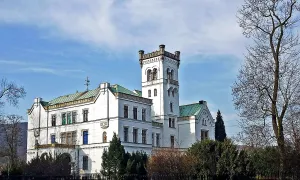
Real photos taken near the monument


Zdroj a licence jsou uvedeny u každého snímku.
Tips from visitors
No tips yet. Be the first!
Log in and add your tip.
Sources and literature
Faktickým podkladem tohoto textu byl článek na Wikipedii, jehož autory jsou přispěvatelé Wikipedie. Článek je dostupný pod licencí CC BY-SA 4.0.
Location on the map

Příběhy a pověsti
Legendy, pověsti a příběhy spjaté s touto památkou
Fotografie návštěvníků
Zatím žádné fotografie. Buďte první, kdo přidá fotografii z návštěvy!
Log in a přidejte svou fotografii nebo hodnoťte.
Za ověřenou návštěvu v aplikaci získáte víc bodů — poznáme podle GPS, že jste na místě.
Reviews and comments