






Klášter Svaté Pole Monastery
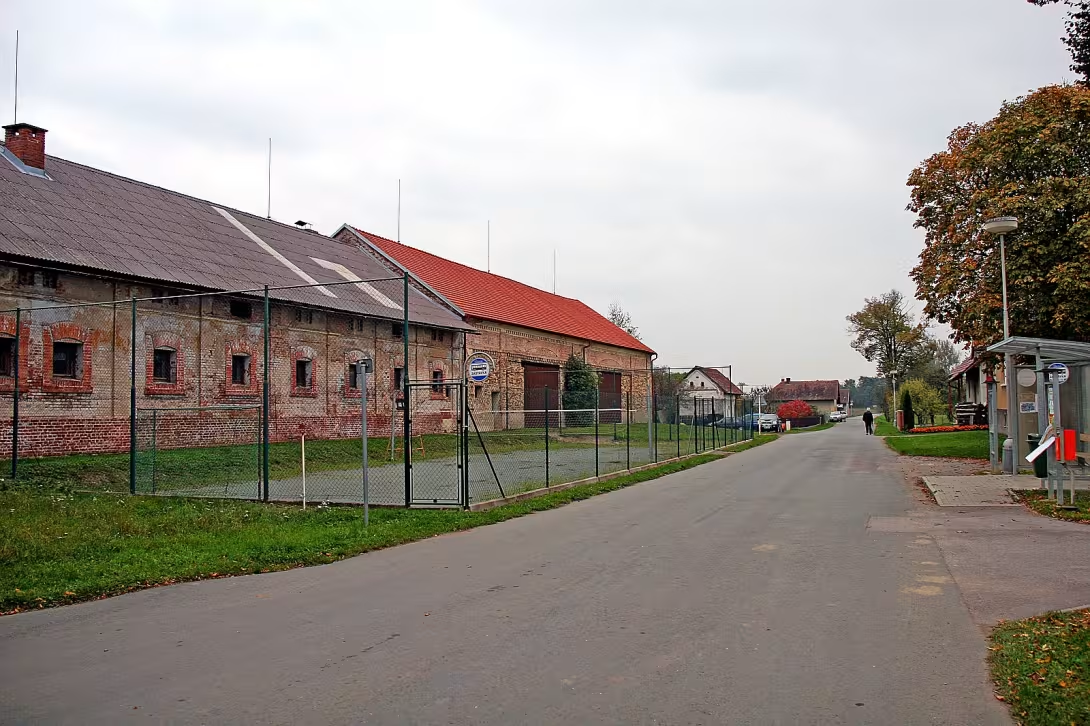
Objekt se nedochoval — na místě dnes nestojí. Následující text popisuje jeho historii, ne současnou návštěvu.
Klášter Svaté Pole, originally known as Monasterium Sacer Campus or Kloster Heiligenfeld, was a Cistercian monastery located in what is now the village of Klášter nad Dědinou, part of Ledce in the Královéhradecký kraj. Established around 1149 or 1157, it holds historical significance as an early monastic presence in Eastern Bohemia. Despite its importance, the monastery was destroyed during the Hussite Wars at the end of 1420 and today leaves no above-ground remains.
The origins of Klášter Svaté Pole are somewhat shrouded in mystery. Historical records suggest it may have been founded around 1149 or 1157, though these dates are not definitively confirmed. The monastery's early history is further complicated by uncertainties regarding its affiliations; some sources propose connections to the Cistercian monastery at Nepomuk, while others suggest ties to Hradiště. Despite these ambiguities, it was recognized as an opatství (abbey) from 1292 onwards.
The architectural history of Klášter Svaté Pole remains largely undocumented due to the absence of surviving structures. The earliest documented mention dates back to a general chapter meeting in 1272, indicating its existence and significance within the Cistercian order at that time. By 1376, there were indications that construction or planning for a church was underway, though specific details about architectural style or phases are not available.
Ownership and administration of Klášter Svaté Pole underwent significant changes over the centuries. Initially established by Cistercian monks, it faced devastation when plundered by the Hussites at the end of 1420. Following this event, the monastery's lands were mortgaged and eventually passed into the possession of the Trčka family from Lípa on Opočno in the late 16th century.
The key events associated with Klášter Svaté Pole are primarily its establishment and subsequent destruction. The monastery was founded during a period when Bohemia experienced significant monastic expansion under the Přemyslid dynasty, reflecting broader European trends of Cistercian reformist zeal and austerity. Its destruction by the Hussites marked a dramatic end to its physical presence.
Today, Klášter Svaté Pole exists only in historical records, with no above-ground remnants remaining. The site is located in the valley of the Dědina River within what is now Královéhradecký kraj. While there are no physical structures to visit, the monastery's history offers a fascinating glimpse into the religious and cultural dynamics of medieval Bohemia.
Klášter Svaté Pole serves as a testament to the historical ebb and flow of monastic influence in Eastern Europe. Its story invites reflection on the transient nature of human endeavors and the enduring impact of historical narratives. Visitors interested in exploring this site can delve into its rich history through local archives and museums, gaining insight into a significant chapter of Bohemian heritage.
Then and now
Drag the slider to compare how the landmark may have looked when it was built with the view today.

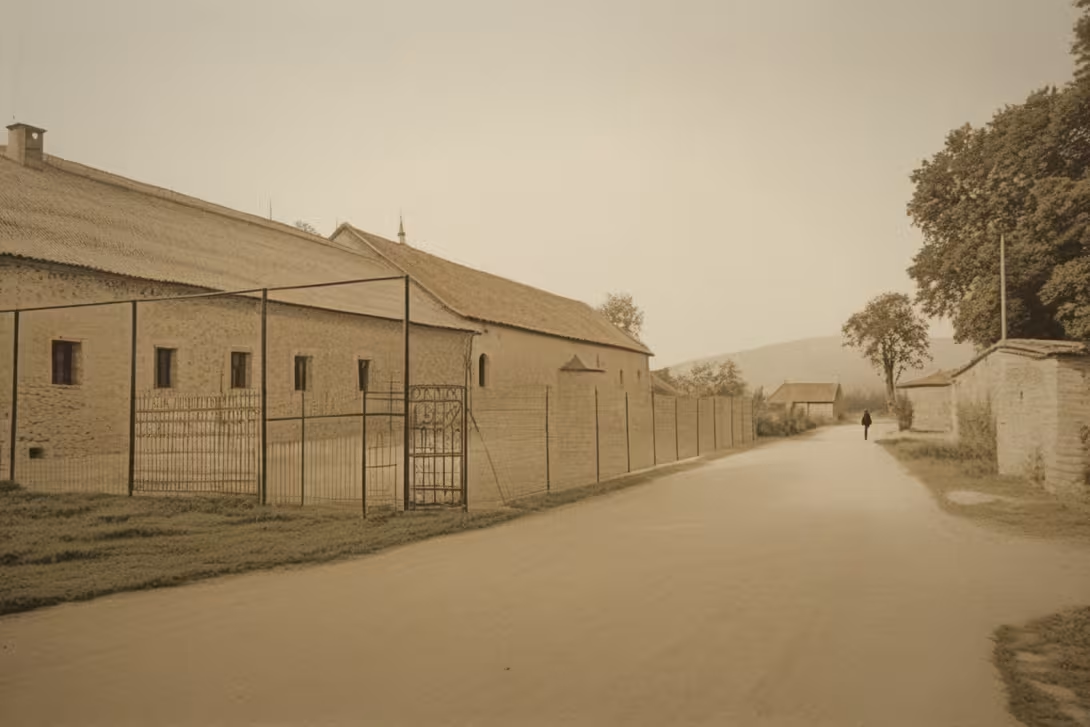
The historical appearance on the left is an AI-generated visualisation and serves as inspiration only.
Historical milestones
- 1272
- First documented mention during a general chapter meeting.
- 1376
- Construction or planning for a church was underway.
Architectural development
The monastery's history is somewhat obscure, with its earliest documented mention in a general chapter meeting in 1272. By 1376, construction or planning for a church was underway. The exact architectural style and phases are not well-documented due to the lack of surviving structures.
Historical events
Establishment of the monastery around 1149 or 1157.
Plundered by Hussites at the end of 1420.
Owners
Initially owned by Cistercian monks, after being plundered by the Hussites in 1420, the lands were mortgaged and eventually passed to the Trčka family from Lípa on Opočno in the late 16th century.
Points of interest
- Despite its destruction during the Hussite Wars, Klášter Svaté Pole is notable for being one of the earliest monastic establishments in Eastern Bohemia, reflecting the region's early adoption of Cistercian reforms.
- The founding date of Klášter Svaté Pole remains uncertain, with historical records suggesting it could have been established as early as 1149 or as late as 1157, highlighting the challenges historians face when piecing together medieval chronologies.
- Some sources suggest that Klášter Svaté Pole may have had connections to other monasteries such as Nepomuk and Hradiště, indicating a possible network of influence and support within the Cistercian order at the time.
- The monastery's lands were eventually acquired by the Trčka family from Lípa on Opočno in the late 16th century after being mortgaged post-Hussite Wars, illustrating how monastic properties often changed hands due to political and economic pressures.
- Although no above-ground structures remain, Klášter Svaté Pole's historical significance is preserved through records that document its role within the broader context of Bohemian religious history during a time of significant monastic expansion under the Přemyslid dynasty.
Guide
This guide is narrated by a synthetic voice generated by artificial intelligence.
Show guide text
This text was created by artificial intelligence and has not been editorially reviewed. It may contain inaccuracies.
The Klášter Svaté Pole belonged to the Cistercians and stood in eastern Bohemia, in the valley of the Dědina river. In Latin it was called Sacer Campus, in German Heiligenfeld. It was located in the village which took its name from the monastery, Klášter nad Dědinou. Today it is part of the Ledce municipality in the Hradec Králové district. In the past, the area belonged to the historical Hradec Králové region.
The history of the monastery is not entirely clear. The year of its foundation is given as 1149, sometimes 1157. According to some sources, there was a priory here in the twelfth century. The first written mention, however, comes from the year 1272. At that time, the general chapter of the order allowed the abbots from the monasteries of Morimond and Žďár to establish a new monastery. Historians do not even agree on where the first monks came from. Some consider Svaté Pole to be a daughter monastery of Nepomuk, others consider it a daughter monastery of Hradiště. As an abbey, Svaté Pole is documented only from the year 1292.
The monastery was never wealthy and owned only relatively little property. From a note from the year 1376, it appears that the monastery church was being built at that time, or at least its construction was being planned.
The end came with the Hussite Wars. At the end of 1420, the monastery was taken and plundered by the Hussites. After that, it no longer appears in the sources. Its lands were forfeited and at the end of the sixteenth century they passed to the Trčka of Lípa family, who owned Opočno.
The remains of the monastery church likely disappeared around 1740. Nothing from the monastery has been preserved above ground to the present day. It is mainly recalled by the name of the village Klášter nad Dědinou.
Businesses nearby
Do you run a restaurant, accommodation, shop, museum, rental, wellness or other visitor service near this monument? Show yourself directly to the people heading to it — this is how they will see you in the app and on the web:
Events nearby



Zdroj akcí: otevřená data měst a obcí ČR (Národní katalog otevřených dat) a kalendář akcí Národního památkového ústavu.
Nearby
The monastery was situated in the valley of the Dědina River within what is now the Královéhradecký kraj. Today, no physical remnants remain to mark its location.
Visualizations and artistic views


The visualisations are generated by artificial intelligence and serve as inspiration.
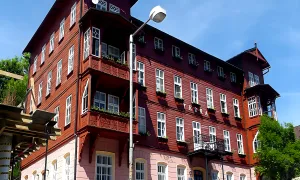
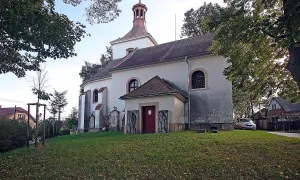
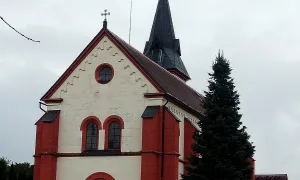
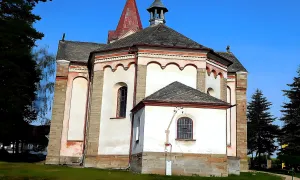
Photos from the area
Real photos taken near the monument

Zdroj a licence jsou uvedeny u každého snímku.
Tips from visitors
No tips yet. Be the first!
Log in and add your tip.
Sources and literature
Faktickým podkladem tohoto textu byl článek na Wikipedii, jehož autory jsou přispěvatelé Wikipedie. Článek je dostupný pod licencí CC BY-SA 4.0.
Location on the map


Příběhy a pověsti
Legendy, pověsti a příběhy spjaté s touto památkou

Fotografie návštěvníků
Zatím žádné fotografie. Buďte první, kdo přidá fotografii z návštěvy!
Log in a přidejte svou fotografii nebo hodnoťte.
Za ověřenou návštěvu v aplikaci získáte víc bodů — poznáme podle GPS, že jste na místě.
Reviews and comments