



Klášter svatého Ondřeje Monastery
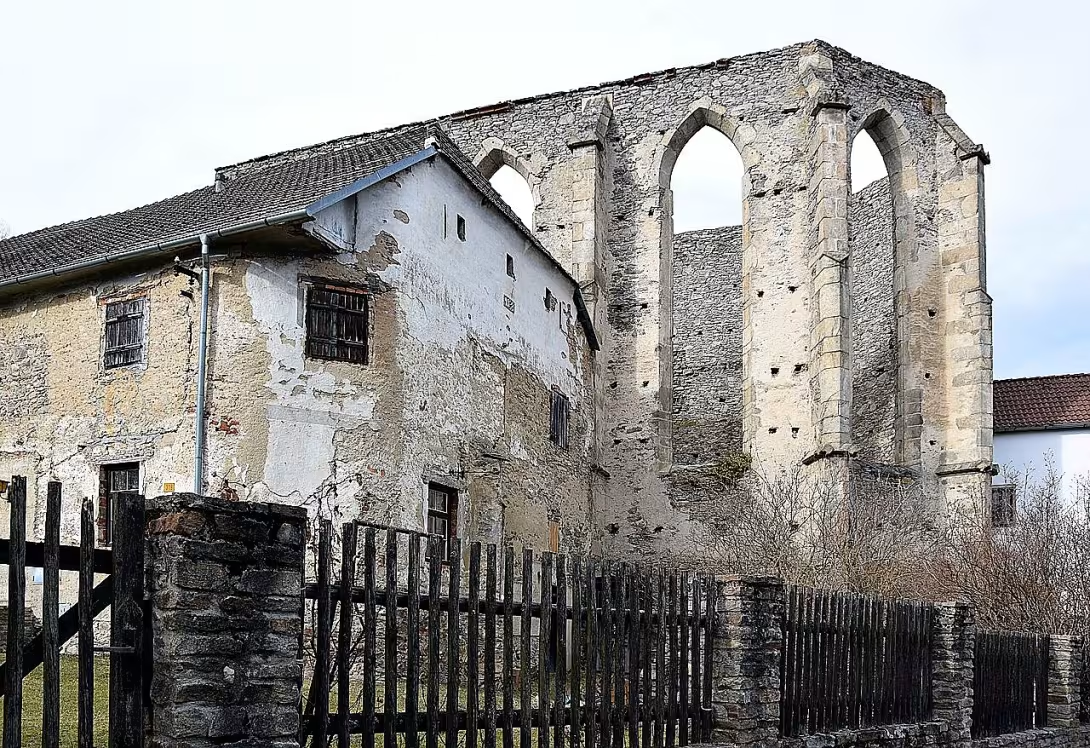
The Church of Saint Andrew in Kuklov is an unfinished Gothic structure that stands as a testament to the historical ambitions of the Pauline order. Invited by Petr IV. z Rožmberka in 1495, it is located within the village of Kuklov in the Brloh district of Jihočeský kraj. This site holds significance due to its architectural intent and cultural heritage, despite never reaching completion. Its historical importance is further underscored by its use as a filming location for František Vláčil's film 'Údolí včel' in 1967.
The origins of the Church of Saint Andrew are rooted in the late 15th century when Bohemia was part of the Holy Roman Empire, experiencing cultural growth under noble patronage. In 1495, Petr IV. z Rožmberka invited the Pauline order to establish a monastery at Kuklov, aiming to contribute to the religious and educational developments of the time. However, by around 1530, the monastery was abandoned and remained unfinished, leaving behind an intriguing historical narrative.
Architecturally, the church was designed as a single-nave structure in the late Gothic style. Despite its incomplete state, significant elements have been preserved, including perimeter walls with five tall windows that reflect its intended design. These architectural features provide insight into the artistic vision of the period and the craftsmanship involved in such ecclesiastical constructions.
Ownership and administration of the site were initially under the auspices of Petr IV. z Rožmberka, a notable figure whose influence was instrumental in the monastery's founding. The dramatic shift from an ambitious project to an abandoned structure by 1530 marks a significant change in its fortunes, reflecting broader historical dynamics that affected many monastic establishments during this era.
A key curiosity about the Church of Saint Andrew is its role as a filming location for František Vláčil's film 'Údolí včel' in 1967. This event highlights the site's enduring cultural relevance and its ability to inspire artistic endeavors even centuries after its abandonment. The church's incomplete yet evocative structure provided a unique backdrop that resonated with the themes of the film.
Today, the Church of Saint Andrew remains an unfinished Gothic monument, accessible for those interested in exploring its historical and architectural significance. Its state as an incomplete structure offers visitors a glimpse into the past ambitions and artistic endeavors of the Pauline order. The site's cultural heritage, coupled with its cinematic history, makes it a worthwhile destination for anyone intrigued by Czech history and architecture.
The Church of Saint Andrew stands not only as a relic of unfinished ecclesiastical ambition but also as a symbol of the enduring legacy of historical narratives that continue to captivate and inspire. Its presence in Kuklov invites visitors to reflect on the past while appreciating its unique contribution to cultural heritage, making it an essential stop for those exploring the rich tapestry of Czech history.
Then and now
Drag the slider to compare how the landmark may have looked when it was built with the view today.
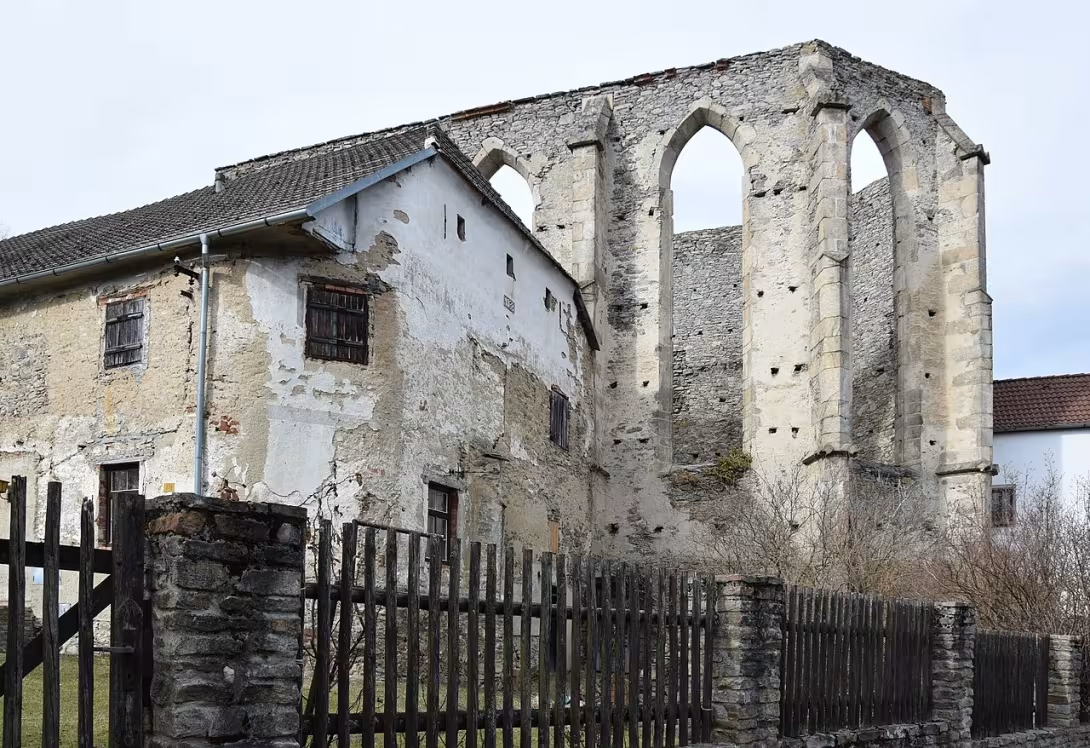
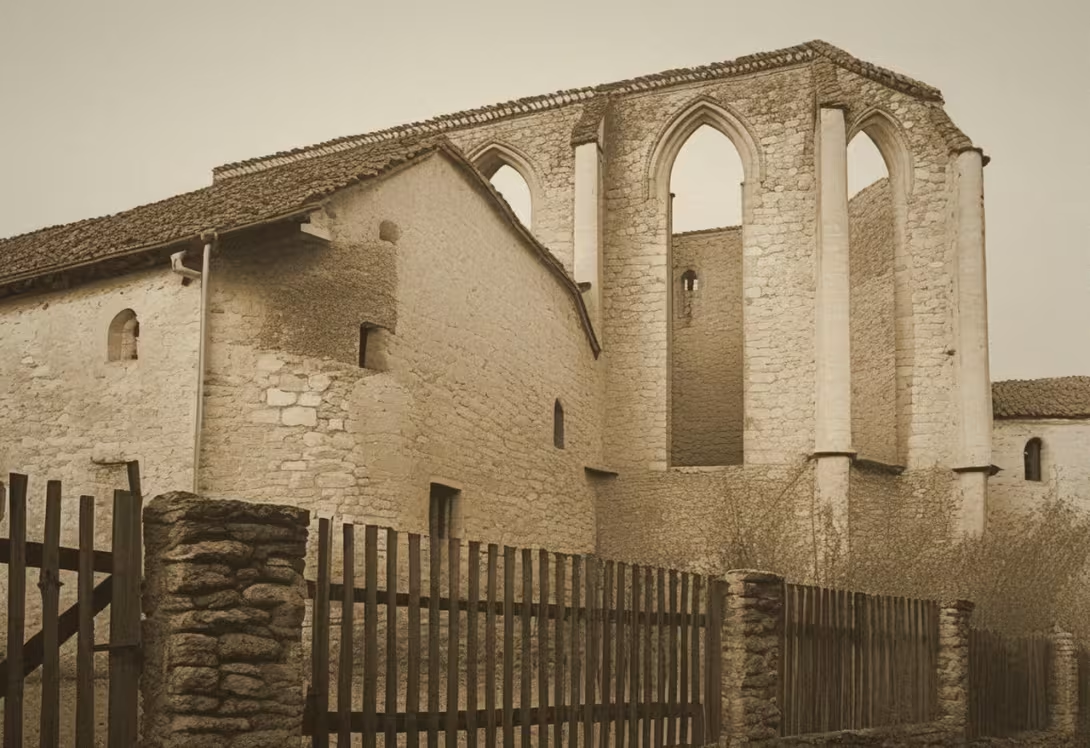
The historical appearance on the left is an AI-generated visualisation and serves as inspiration only.
Historical milestones
- 1495
- Petr IV. z Rožmberka pozval Paulíny k založení kláštera.
- kolem 1500
- Začátek stavby gotického kostela svatého Ondřeje.
- kolem 1530
- Klášter byl opuštěn a zůstal nedokončený.
- 1967
- Místo sloužilo jako filmové místo pro 'Údolí včel'.
Architectural development
The church was designed as a single-nave structure in late Gothic style. It features preserved perimeter walls with five tall windows, indicative of its architectural intent despite remaining incomplete.
Historical events
In 1495, Petr IV. z Rožmberka invited the Pauline order to establish a monastery at Kuklov.
By around 1530, the monastery was abandoned and remained unfinished.
Points of interest
- The Church of Saint Andrew is one of the few examples in Europe where a Gothic church was left unfinished due to the abrupt abandonment by its patrons, reflecting the volatile nature of religious and political alliances during the late 15th century.
- Despite being incomplete, the Church's five tall windows are among the largest from the late Gothic period found in Bohemia, providing rare insights into architectural ambitions that were never fully realized.
- The site has a unique connection to Czech cinema; it was chosen for its atmospheric and evocative appearance, which perfectly matched the mystical themes of František Vláčil's film 'Údolí včel', showcasing how historical sites can gain new life through modern artistic interpretations.
- Legend has it that the unfinished church is haunted by the spirits of the Pauline monks who once lived there, a tale that adds an element of mystery and intrigue to its already fascinating history.
- The walls of the Church contain inscriptions and carvings that were left incomplete, offering historians clues about the daily lives and spiritual practices of the monks who began work on this ambitious project.
Guide
This guide is narrated by a synthetic voice generated by artificial intelligence.
Show guide text
This text was created by artificial intelligence and has not been editorially reviewed. It may contain inaccuracies.
Welcome to the historical site of Klášter svatého Ondřeje in Kuklův, Jihočeský Region. You stand before this fascinating Gothic church, which boasts not only its architectural beauty but also a rich history, despite remaining unfinished. The place is surrounded by silence that evokes its complex past.
This monastery was founded in 1495 at the invitation of Petr IV. z Rožmberka Paulíny, demonstrating his efforts to develop religious and cultural institutions in his region. Around the year 1500, construction began on the Gothic Church of Saint Andrew, intended to be the center of the monastery. However, around 1530, the project was abandoned and left unfinished due to unpredictable changes in political and religious alliances at that time.
Let's take a look at the architecture of this church. Even though it is unfinished, its structure still exudes Gothic elegance. Notice the elegant façade and the shape of the windows, which could have been full of colors if construction had continued. The atmosphere of the place is remarkable – as if waiting for something that will never happen.
A key figure in the history of this monastery is Petr IV. z Rožmberka. His decision to found the monastery opened a chapter full of hopes and ambitions, which was soon interrupted.
An interesting fact about this site is that Church of Saint Andrew belongs to individuals in Europe where a Gothic church remained unfinished due to its patrons suddenly abandoning it. This mystery reflects the unstable nature of political and religious relationships at the end of the 15th century.
In 1967, this historic church became the setting for the film 'Údolí včel', contributing to its cultural legacy and ensuring that the monument will continue to live on in the hearts of future generations.
Allow yourself to explore this special location further. Every stone has a story waiting to be told. Whether you look closely or just observe its structure from afar, Klášter svatého Ondřeje v Kuklově is truly a place full of history and beauty. We hope you enjoy your time here and wish you a pleasant day on your further discoveries.
Frequently asked questions
Can the monument be visited?
Religious buildings are usually open mainly during services; at other times a visit is normally arranged with the parish or the operator. We have not verified specific times.
Where is the monument?
Location: Brloh, Jihočeský kraj. The map on this page shows the exact spot.
Why is the monument protected?
It is listed in the Central List of Cultural Monuments of the Czech Republic as a cultural monument (register no. 15722/3-1359).
Businesses nearby
Do you run a restaurant, accommodation, shop, museum, rental, wellness or other visitor service near this monument? Show yourself directly to the people heading to it — this is how they will see you in the app and on the web:
Events nearby

Zdroj akcí: otevřená data měst a obcí ČR (Národní katalog otevřených dat) a kalendář akcí Národního památkového ústavu.
Accommodation nearby
Trips and activities nearby
Guided tours, tickets and activities nearby from GetYourGuide
Affiliate link: if you buy from the partner, we may receive a commission. The price for you does not change.
Search tours and activities →Themed route
Tematická výletní trasa: Klášter svatého Ondřeje, Kuklov
1. Klášter svatého Ondřeje (klášter)
Typ: Historická památka
Proč stojí za návštěvu: Klášter je jedním z nejstarších klášterních komplexů v České republice, známý svou architektonickou krásou a bohatou historií. Navštivte jeho sakrální prostory, které nabízejí pohled na gotickou i barokní architekturu.
2. Kaple svatého Jiří
Typ: Kaple v klášterním areálu
Proč stojí za návštěvu: Tato kaple je součástí klášterního komplexu a nabízí jedinečný pohled na historické umění. Její vnitřek je zdoben freskami, které představují důležité momenty z života svatých.
3. Klášterní park
Typ: Park a zahrada
Proč stojí za návštěvu: Klášterní park je ideálním místem pro relaxaci a procházku v klidné přírodě. Nabízí krásný pohled na klášter a okolní krajinu, zatímco jeho cesty vedou k různým historickým stromům a kvetoucím oblastem.
4. Klášterní věž
Typ: Historická věž
Proč stojí za návštěvu: Vystoupit na klášterní věž je zážitek, který nabízí neuvěřitelné výhledy na okolní krajinu. Je to také připomínka důležité role věže v historii kláštera jako strážného a komunikačního bodu.
5. Klášterní nádvoří
Typ: Historické nádvoří
Proč stojí za návštěvu: Klášterní nádvoří je centrem klášterního života a nabízí pohled na architektonickou harmonii celého komplexu. Je to místo, kde se odehrávaly důležité události v historii kláštera.
Tato trasa zahrnuje hlavní atrakce Kláštera svatého Ondřeje a jeho bezprostředního okolí, což umožňuje návštěvníkům prozkoumat historický význam a krásu tohoto místa.
Seasonal recommendations
Spring: Visiting the ruins of Saint Andrew's Monastery during spring offers a serene experience as nature begins to awaken. The landscape around Kuklov is adorned with blooming wildflowers and budding trees, creating a picturesque setting that enhances the historical ambiance of the site. As daylight extends into the evening, visitors can enjoy the soft natural light illuminating the ruins, adding an ethereal quality to their exploration. Springtime typically sees fewer tourists compared to summer, making it an ideal time for those seeking tranquility. It's advisable to wear comfortable walking shoes and layers that can be adjusted as temperatures fluctuate throughout the day.
Summer: The high season at Saint Andrew's Monastery coincides with summer when the weather is warm and inviting. Visitors can enjoy long days filled with sunlight, which highlights the intricate details of the ruins. The lush greenery around Kuklov provides a vibrant backdrop, enhancing the historical charm of the site. However, summers also bring larger crowds, so it’s recommended to arrive early in the morning or later in the afternoon to avoid the peak tourist hours. Comfortable footwear and light clothing are essential for exploring the expansive grounds comfortably.
Autumn: Autumn presents a unique opportunity to experience Saint Andrew's Monastery with its stunning fall foliage. The surrounding landscape transforms into a palette of reds, oranges, and yellows, offering breathtaking views that complement the historical significance of the ruins. Cooler temperatures make it an ideal time for extended exploration without the summer heat. While some visitors may still be present, autumn generally sees fewer crowds than summer. Layered clothing is recommended to accommodate varying temperatures throughout the day.
Winter: Winter at Saint Andrew's Monastery offers a mystical and quiet atmosphere as snow blankets the ruins and surrounding landscape. The stark beauty of the site during this season provides a unique perspective on its historical significance. Shorter daylight hours mean that visits are best planned for mornings when light is optimal, though artificial lighting can enhance evening exploration. Winter also brings fewer visitors, allowing for a more intimate experience with the site's history. Warm clothing and sturdy boots are essential to comfortably navigate the potentially icy paths.
Visualizations and artistic views


The visualisations are generated by artificial intelligence and serve as inspiration.
Photos from the area
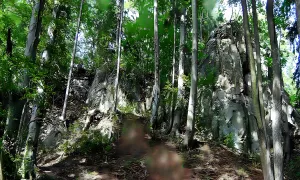
Real photos taken near the monument


Zdroj a licence jsou uvedeny u každého snímku.
Tips from visitors
No tips yet. Be the first!
Log in and add your tip.
Sources and literature
Photos: Jan Kameníček / CC BY-SA 4.0 — Wikimedia Commons. The author and licence also appear when you hover over the image.
Faktickým podkladem tohoto textu byl článek na Wikipedii, jehož autory jsou přispěvatelé Wikipedie. Článek je dostupný pod licencí CC BY-SA 4.0.
Location on the map




Příběhy a pověsti
Legendy, pověsti a příběhy spjaté s touto památkou
Příběh: Klášter svatého Ondřeje
Bylo to v pondělí ráno, kdy Martina z Kuklovu probudil náhlý dech tichého klidu. Světlo se vlilo skrz neúplné okna kostela svatého Ondřeje, rozdělující temno…
Číst příběh
Pověst: Klášter svatého Ondřeje
Podle místní pověsti se za tím nedokončeným klášterem v Kuklově skrývá příběh o slibu, který byl dán v hodině zoufalství a v hodině pýchy vzat zpět. Bylo to…
Číst příběhFotografie návštěvníků
Zatím žádné fotografie. Buďte první, kdo přidá fotografii z návštěvy!
Log in a přidejte svou fotografii nebo hodnoťte.
Za ověřenou návštěvu v aplikaci získáte víc bodů — poznáme podle GPS, že jste na místě.
Reviews and comments