






Klingerova vila Villa
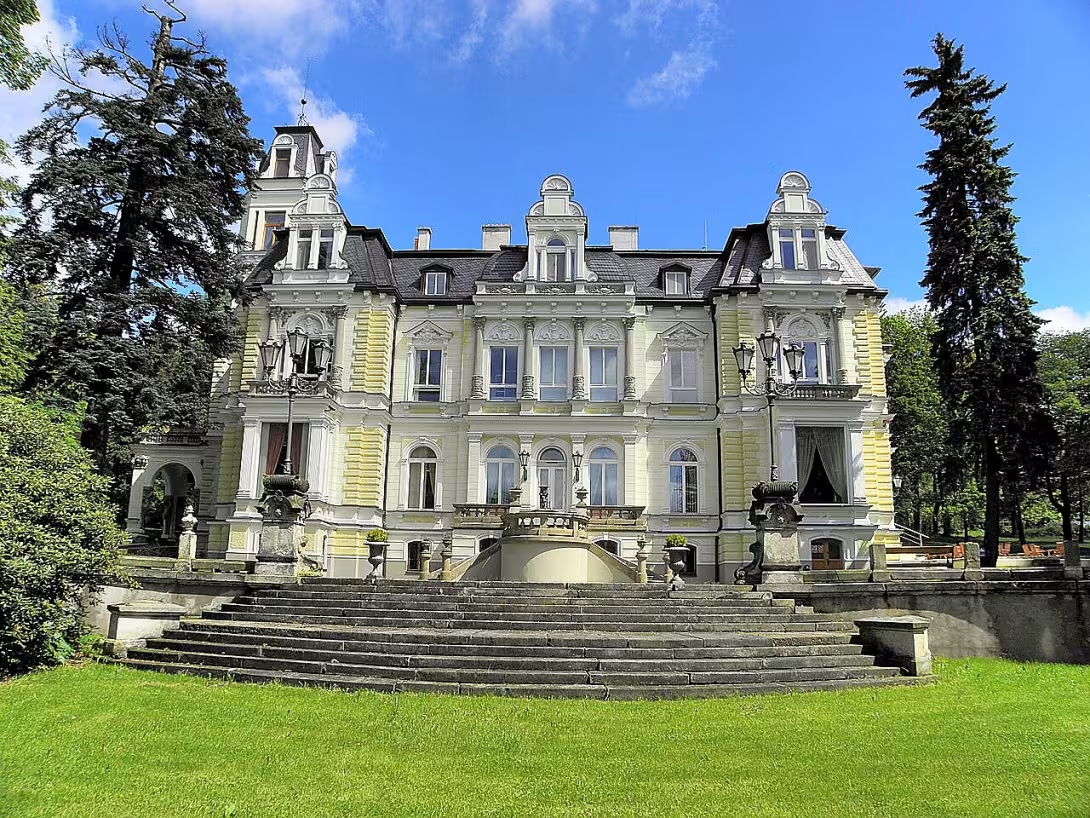
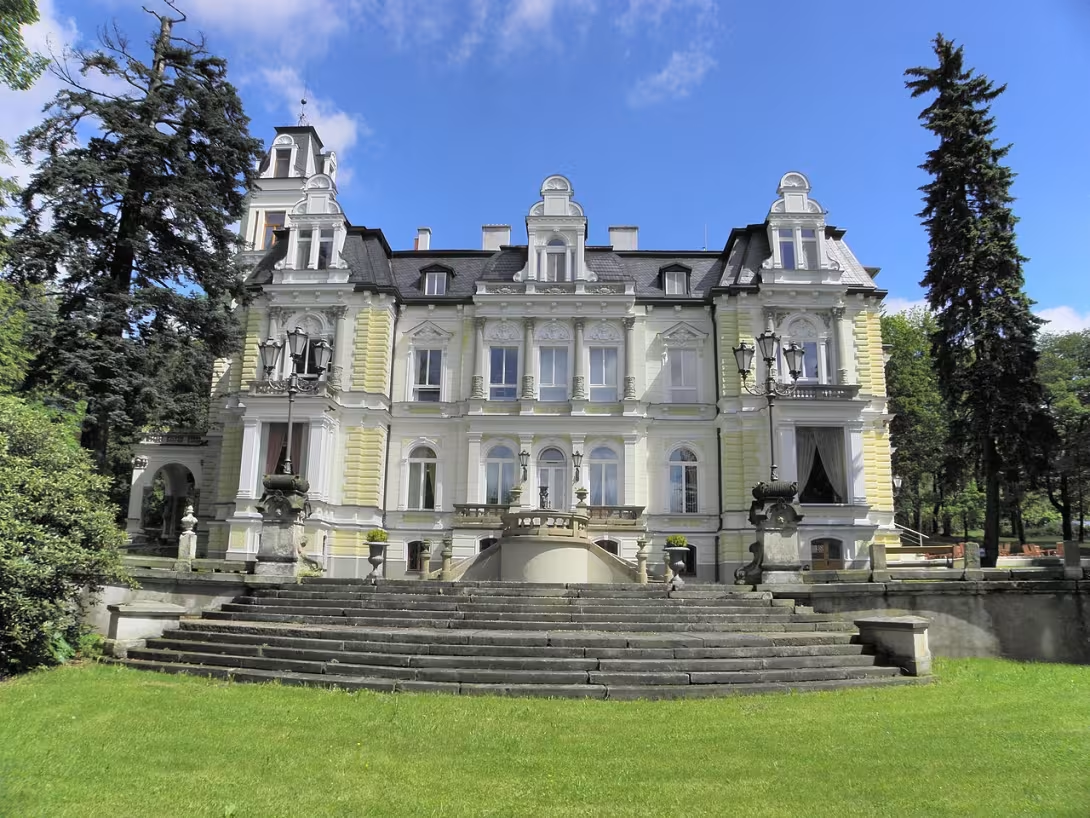
Klingerova vila is a historicist villa located in Nové Město pod Smrkem, in the Liberec district. Built between 1888 and 1891, it served as the residence of textile entrepreneur Baron Ottomar Klinger and is notable for its Baroque-style architecture and rare use of Italian materials.
Architect Edmund Tross designed the villa for Baron Ottomar Klinger. It was part of a larger residential complex owned by the Klinger family, which included Baron Oskar Klinger's villa (built 1873–1874) and Baron Willi Klinger's villa (constructed 1903–1904). An expansive park, designed by Dresden architect Hugo Eck, connected these three properties. The estate's wealth originated from a textile business established in the 18th century by Johann Georg Klinger in Dolní Křečany. By the turn of the 20th century, descendants—including Ignaz, Ottomar, Oskar, and Willi Klinger—had expanded the company internationally, establishing factories in Prato and Terni, Italy, as well as branches in Hamburg, Milan, St. Petersburg, and New York.
The building covers approximately 900 square meters and comprises two floors, an attic, and a basement. Constructed in a Baroque castle style, it utilizes Italian building materials that are uncommon in northern Bohemia. A unique technical feature of the villa is its water supply, which draws from a nearby spring of exceptionally soft water.
Following the Second World War, the villa entered a period of decline. It served various purposes, including as a kindergarten, before remaining vacant for ten years, which led to significant deterioration. In 2001, the property was purchased by Peter M. Wöllner, an entrepreneur from Krefeld, Germany. He commissioned architects Tomáš and Karel Myslivka to carry out a comprehensive restoration of the structure.
The restoration took place between 2002 and 2007. In September 2002, the first floor was converted into a manufacturing site for medical device cable harnesses, while the basement was transformed into a 600-square-meter warehouse. The attic was adapted to include guest rooms and apartments for the company's managing director and operations manager. By the end of 2002, the personnel and financial departments had relocated here from Ludvíkov pod Smrkem.
Between 2003 and 2004, the ground floor was converted into offices. During this time, the stucco in the mirror hall underwent year-long repairs, and the destroyed west tower was rebuilt. The west facade, which features figures in the underpass, was restored, and the surrounding park and driveway were repaved. In 2005, a fountain was installed in front of the entrance portal, and the south facade was refurbished. This included the restoration of a ceiling fresco by Adolf Liebscher, executed by painter Jiří Látal. The north and east facades were renovated in 2006, and the roof was covered with new slate. The final phase in 2007 involved reconstructing the south terrace and adding a balustrade.
Today, the villa serves as a functional administrative and production site while preserving its historical architectural integrity. It stands as a testament to the Klinger family's industrial success and the architectural ambitions of the late 19th century. As a significant example of restored historicism, the site is well worth a visit for those interested in industrial history and architecture.
Then and now
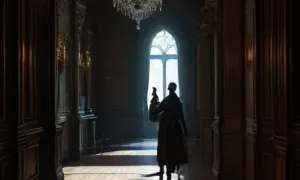
Drag the slider to compare how the landmark may have looked when it was built with the view today.
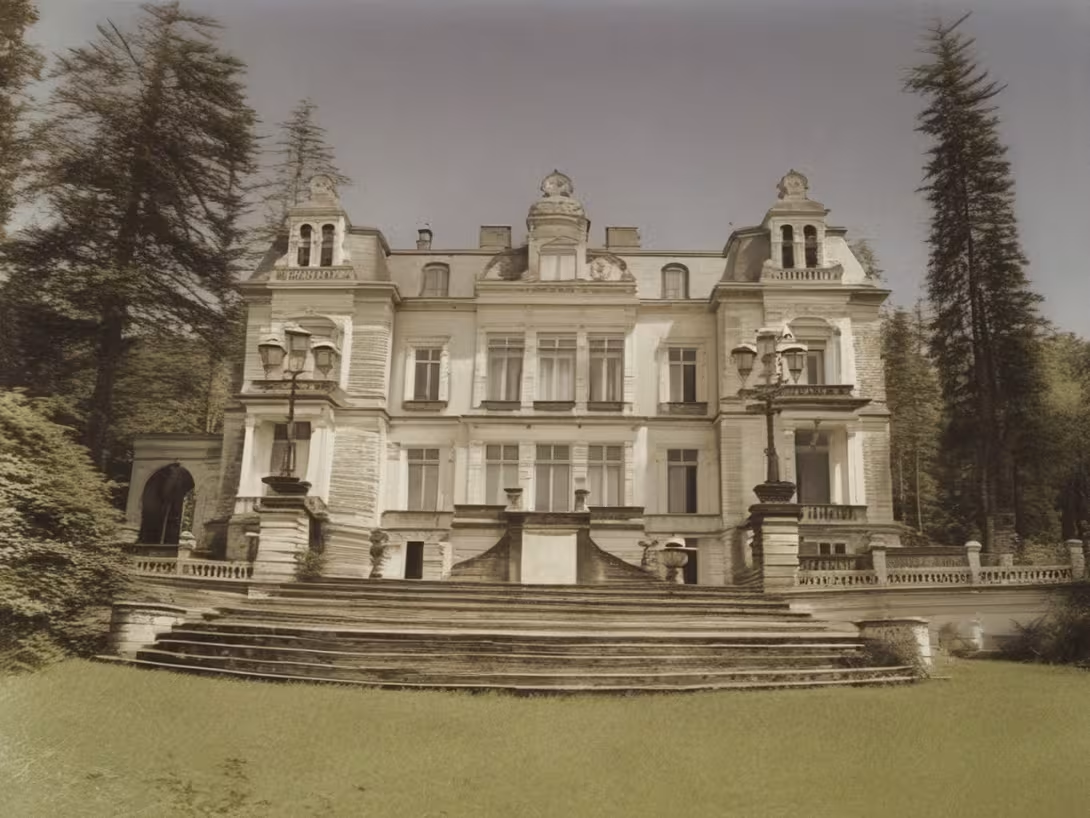
The historical appearance on the left is an AI-generated visualisation and serves as inspiration only.
Historical milestones
- 18th century
- Johann Georg Klinger establishes a textile business in Dolní Křečany
- 1888–1891
- Construction of Klingerova vila, designed by architect Edmund Tross
- 2001
- Peter M. Wöllner purchases the property
- 2002–2007
- Comprehensive restoration of the villa and its surroundings
Architectural development
The villa was constructed in the historicism style with baroque elements, using Italian building materials that are rare in northern Bohemia. Restoration efforts from 2001 to 2007 included structural repairs, fresco restoration by Jiří Látal, and landscaping improvements.
Historical events
Construction completed in 1891 for Baron Ottomar Klinger.
Post-WWII decline and varied use, including as a kindergarten.
Restoration began in 2002 under new ownership by Peter M. Wöllner.
Owners
Baron Ottomar Klinger (1891-1945)
Peter M. Wöllner (since 2001)
Points of interest
– Built between 1888 and 1891, the villa features Baroque-style architecture and uses rare Italian building materials. – A unique technical feature of the villa is its water supply, which draws from a nearby spring of exceptionally soft water. – The villa was part of a larger residential complex connected by an expansive park designed by Dresden architect Hugo Eck. – During the restoration, the ceiling fresco by Adolf Liebscher, executed by painter Jiří Látal, was restored. – Following the Second World War, the building served various purposes, including as a kindergarten.
Guide
Show guide text
This text was created by artificial intelligence and has not been editorially reviewed. It may contain inaccuracies.
Welcome to Nové Město pod Smrkem. As you stand here today, take a moment to simply breathe in the atmosphere of this remarkable setting. Before you stands Klingerova vila, a building that does far more than just occupy space; it commands attention. It is a structure that speaks of a bygone era of immense wealth, industrial triumph, and architectural ambition. As you look at the facade, try to imagine the world as it was in the late nineteenth century, a time of rapid change and grand expressions of success. The villa before you is not merely a house, but a monument to the prosperity that once flowed through this region, a silent witness to the lives of the powerful families who shaped the landscape of this area.
To truly understand why this building looks the way it does, we must travel back through time to uncover the roots of the Klinger family legacy. The story does not begin with this villa, but much earlier, in the eighteenth century. It was during this period that Johann Georg Klinger established a textile business in Dolní Křečany. This was the foundation of a dynasty. The textile industry was the lifeblood of the region, and the Klinger family rose through the ranks to become titans of commerce. Their success was not just local; it was a force that drove the economy of the entire area. By the time we reach the late nineteenth century, the family had achieved a level of influence and wealth that demanded a residence of unparalleled distinction.
This brings us to the construction of Klingerova vila itself. Between the years 1888 and 1891, the vision of the textile magnate Baron Ottomar Klinger began to take physical form. He did not settle for anything less than excellence, commissioning the talented architect Edmund Tross to bring his grand ideas to life. The villa was designed to be a statement of prestige, a reflection of the Baron’s status and the sophisticated tastes of the era. It was built during a period when the industrial elite sought to surround themselves with beauty and classical elegance, and Klingerova vila is a quintessential example of that desire.
As you direct your attention to the architecture, notice the intricate layers of style that define the building. Edmund Tross employed the principles of historicism, a movement that looked back to the great architectural traditions of the past to create something new and magnificent. Within this historicist framework, you can clearly perceive the graceful influences of the Baroque style. This influence is visible in the way the building manages its proportions and the sense of movement and drama it evokes. Even without knowing the specific technical terms, you can feel the elegance and the deliberate sense of grandeur in the design. Furthermore, the quality of the construction is revealed in the very substance of the building. The villa was crafted using rare Italian building materials, brought from far away to ensure that the structure possessed a level of refinement and durability that local resources alone could not provide. This choice of materials was a clear signal of the owner's reach and his commitment to uncompromising quality.
However, it is important to realize that Klingerova vila was never intended to be a solitary monument. It was part of a much larger, more sophisticated residential ensemble. The villa was one of a trio of grand residences owned by the Klinger family, all of which were harmoniously connected by an expansive and meticulously designed park. This park, created by the landscape architect Hugo Eck, served as a lush, green tapestry that tied the architectural elements together, creating a private world of luxury and natural beauty. When you look at the villa now, try to visualize how it once sat within this wider context, surrounded by the curated landscapes of Hugo Eck, forming a cohesive symbol of the Klinger family's dominance and their appreciation for the finer things in life.
The history of this place is also a history of people. While Baron Ottomar Klinger was the driving force behind this specific residence, the name Klinger is synonymous with the development of this region. The family's influence was carried forward by figures such as Oskar Klinger and Willi Klinger, each of whom played their part in the ongoing story of the family and their industrial empire. When you stand before these walls, you are standing before the legacy of a family that helped transform the economic fabric of the area, turning textile production into a pillar of regional identity.
Now, I would like to draw your attention to a detail that is not immediately obvious to the eye, but one that was a marvel of engineering in its time. While the architecture captures your visual senses, the villa also possessed a unique technical sophistication. One of its most remarkable features was its water supply system. The villa drew its water from a nearby spring known for its exceptionally soft water. In an era when modern plumbing was still a developing luxury, having a dedicated, high-quality water source was a significant technological advantage and a mark of true distinction. It was a hidden luxury, a functional masterpiece that worked silently behind the scenes to support the high standard of living within the villa.
The passage of time eventually brought changes to the Klinger estate, but the story of Klingerova vila did not end with the decline of the old industrial era. The property underwent a significant transformation in the modern age. In 2001, Peter M. Wöllner purchased the villa, marking the beginning of a new chapter. Recognizing the immense historical and architectural value of the site, a comprehensive and careful restoration was undertaken between 2002 and 2007. This period of intense work ensured that the villa and its surroundings were preserved, allowing the craftsmanship of Edmund Tross and the grandeur of the Klinger era to be experienced by visitors like you today.
As you prepare to continue your journey, I invite you to take one last look at the villa. Let the details of the Baroque-influenced facade and the memory of the rare Italian materials linger in your mind. Perhaps as you walk away, you can imagine the sounds of the nineteenth century, the bustling textile industry, and the quiet elegance of the park designed by Hugo Eck. There is so much more to discover in the surroundings of Nové Město pod Smrkem, and the history of this place is only just beginning to unfold for you. Thank you for listening, and please, enjoy the rest of your exploration.
Tips for visitors
The best time to visit Klingerova vila is during the warmer months to fully enjoy the expansive park designed by Hugo Eck. The location is accessible by both car and public transport; please verify current transport connections using a search engine before your journey.
For photography enthusiasts, the historicism architecture of the villa and the surrounding natural landscapes provide excellent subjects. The best light for capturing the building's details is often during the early morning or late afternoon. We recommend bringing comfortable walking shoes for exploring the park grounds.
Families with children will appreciate the large, open spaces of the park, which offer a pleasant environment for a walk amidst nature. The historical setting provides a unique backdrop for a family outing.
When planning your visit, please check the official website for the most up-to-date information regarding opening hours and admission fees. For those looking to see more, the area near Ludvíkov pod Smrkem is located within a short distance.
Businesses nearby
Do you run a restaurant, accommodation, shop, museum, rental, wellness or other visitor service near this monument? Show yourself directly to the people heading to it — this is how they will see you in the app and on the web:
Nearby
Surrounded by an expansive park designed by Hugo Eck, the villa is located near Ludvíkov pod Smrkem. The area features natural landscapes and other historical sites within a 5 km radius.
Accommodation nearby
Trips and activities nearby
Guided tours, tickets and activities nearby from GetYourGuide
Affiliate link: if you buy from the partner, we may receive a commission. The price for you does not change.
Search tours and activities →Themed route
1. Ludvíkov pod Smrkem (Village) – Start your journey in this nearby settlement to experience the local atmosphere. 2. Klingerova vila (Villa) – Visit the main destination to admire its historical architecture. 3. Park designed by Hugo Eck (Park) – Wander through the expansive and beautifully designed green spaces surrounding the villa. 4. Natural landscapes (Nature) – Immerse yourself in the scenic natural beauty that characterizes the area.
Seasonal recommendations
Spring: Visiting Klingerova vila during spring offers a unique experience as the landscape bursts into vibrant colors with blooming flowers and fresh greenery, creating an enchanting atmosphere. The soft natural light enhances the beauty of the villa's architecture and gardens. It is advisable to wear comfortable walking shoes for exploring the grounds and layers that can be adjusted as temperatures fluctuate. Early mornings are ideal for visiting to avoid larger crowds and enjoy a more peaceful experience.
Summer: Summer at Klingerova vila is characterized by warm weather, making it perfect for leisurely strolls through its lush gardens. The villa's surroundings come alive with the sounds of nature, providing an idyllic setting for relaxation. Visitors should consider wearing light clothing to stay cool and bringing sunscreen and hats for protection against the sun. Arriving early in the day is recommended to avoid peak tourist times when the site can become quite busy.
Autumn: Autumn brings a magical transformation to Klingerova vila, with its surroundings adorned in rich hues of reds, oranges, and yellows. The crisp air and golden light create an atmospheric setting that enhances the villa's historic charm. It is wise to wear layers as temperatures can vary significantly throughout the day. Visiting on weekdays can offer a quieter experience compared to weekends when more visitors are likely.
Winter: Winter at Klingerova vila offers a serene and picturesque atmosphere, with snow-covered landscapes providing a stunning backdrop for photography enthusiasts. The shorter days mean that visiting hours might be limited, so planning ahead is essential. Warm clothing, including coats, hats, gloves, and boots, is necessary to stay comfortable during the colder months. Despite potential closures due to weather conditions, winter can offer a peaceful visit with fewer crowds.
Visualizations and artistic views


The visualisations are generated by artificial intelligence and serve as inspiration.
Photos from the area
Real photos taken near the monument


Zdroj a licence jsou uvedeny u každého snímku.
Tips from visitors
No tips yet. Be the first!
Log in and add your tip.
Sources and literature
Fotografie: Peter M. Woellner / CC BY-SA 3.0 — Wikimedia Commons. The author and licence also appear when you hover over the image.
Faktickým podkladem tohoto textu byl článek na Wikipedii, jehož autory jsou přispěvatelé Wikipedie. Článek je dostupný pod licencí CC BY-SA 4.0.
Location on the map

Příběhy a pověsti
Legendy, pověsti a příběhy spjaté s touto památkou
Fotografie návštěvníků
Zatím žádné fotografie. Buďte první, kdo přidá fotografii z návštěvy!
Přihlaste se a přidejte svou fotografii nebo hodnoťte.
Za ověřenou návštěvu v aplikaci získáte víc bodů — poznáme podle GPS, že jste na místě.
Reviews and comments