



koněspřežná dráha České Budějovice – Linec – Gmunden Former railway line
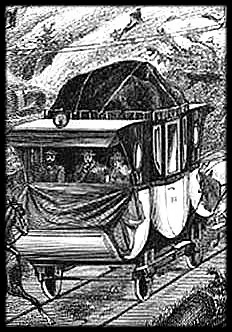
The Koněspřežná dráha České Budějovice – Linz – Gmunden is a significant historical monument. It represents one of the earliest public railway lines on mainland Europe, opened between 1827 and 1836. This horse-drawn railway primarily transported salt from the Upper Austrian Salzkammergut to Bohemia. Its construction marked an important moment during Europe's transition through industrial changes following the Napoleonic Wars.
The origins of this railway are deeply rooted in regional economic activities, particularly the trade of salt dating back to the Bronze Age. The need for efficient transport solutions led to road development and eventually the innovative idea of a horse-drawn railway. Initially conceived as a waterway project by the Bohemian Hydrotechnic Society, Franz Josef Ritter von Gerstner proposed a more feasible railway solution in 1824. His vision attracted significant interest, leading to the establishment of the k.k. privilegierten Ersten Eisenbahn-Gesellschaft and securing financial backing for the project.
Construction of the České Budějovice–Linz route began with a groundbreaking ceremony at Netřebice in July 1825. The project faced numerous challenges, including technical difficulties and local resistance from those whose livelihoods depended on traditional salt transportation methods. Despite these obstacles, the railway opened its first segment between České Budějovice and Rybník on September 7, 1827. Public freight service commenced shortly thereafter on September 30, 1828, with passenger services inaugurated between České Budějovice and Linz by August 1, 1832.
Architecturally, the railway was initially led by František Antonín Gerstner, who faced budget constraints that necessitated more economical solutions under Matyáš Schönerer. This resulted in design compromises affecting its usability. The railway featured ten stations, including six specifically for changing horse teams, reflecting logistical demands.
The Koněspřežná dráha České Budějovice – Linz – Gmunden underwent significant changes over time. By 1855 and 1856, the stretch between Linz and Gmunden transitioned to steam service due to its suitability for such technology. However, the mountainous terrain between Linz and České Budějovice posed challenges that delayed this switch until a replacement line was constructed by 1873. The horse-drawn service concluded in December 1872.
Today, the Czech section of this former railway is recognized as a national cultural monument, reflecting its historical significance. While no longer operational for transportation, it stands as a testament to early industrial innovation and regional economic history. Visitors can explore this site to gain insight into the pioneering spirit that characterized Europe's early rail transport era. The Koněspřežná dráha České Budějovice – Linz – Gmunden offers a unique glimpse into the past, making it a worthwhile destination for those interested in industrial heritage and historical transportation networks.
Then and now
Drag the slider to compare how the landmark may have looked when it was built with the view today.
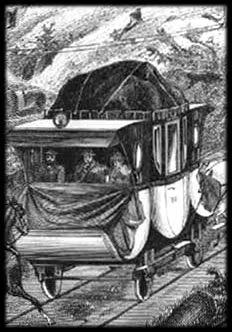

The historical appearance on the left is an AI-generated visualisation and serves as inspiration only.
Historical milestones
- 1827
- The first segment of the railway between České Budějovice and Rybník was opened.
- 1828
- Public freight service commenced on September 30.
- 1832
- Passenger service began between České Budějovice and Linc.
Architectural development
The railway's construction was initially led by František Antonín Gerstner, who received a privilege in September 1824. Due to budget overruns, the project shifted towards more economical solutions under Matyáš Schönerer, resulting in design compromises that later affected its usability.
Historical events
The first segment between České Budějovice and Rybník opened on September 7, 1827.
Public (initially freight-only) service began on September 30, 1828.
Passenger service between České Budějovice and Linc was inaugurated on August 1, 1832.
Points of interest
- The Koněspřežná dráha was initially planned as a waterway by the Bohemian Hydrotechnic Society before Franz Josef Ritter von Gerstner proposed the more practical railway solution in 1824, showcasing early adaptability to technological innovations.
- Despite its pioneering status, the railway faced resistance from local communities whose livelihoods were tied to traditional salt transport methods, highlighting the social challenges of industrial progress during that era.
- The construction and operation of the railway required ten stations with six dedicated solely for changing horse teams, illustrating the logistical complexities involved in maintaining a horse-drawn rail service over such distances.
- Architectural compromises due to budget constraints led by František Antonín Gerstner were later managed under Matyáš Schönerer, who had to balance cost and functionality, reflecting early 19th-century engineering challenges.
- By the mid-19th century, parts of the railway transitioned to steam service, with the Linz-Gmunden segment adapting first in 1855-56 due to its suitability for steam technology, while the mountainous section between Linz and České Budějovice remained horse-drawn until a new line was built in 1873.
Guide
This guide is narrated by a synthetic voice generated by artificial intelligence.
Show guide text
This text was created by artificial intelligence and has not been editorially reviewed. It may contain inaccuracies.
Welcome to the historic site of the Koněspřežná dráha, or the České Budějovice – Linec – Gmunden horse-drawn railway line. As you stand here in this serene location within the district of České Budějovice in the Jihočeský kraj, imagine yourself stepping back into a time when innovation and ingenuity were transforming transportation.
This remarkable site holds the honor of being the first public horse-drawn railway in Austria-Hungary, and possibly the second on the European continent. Its inception dates back to 1827, marking an era where the need for efficient transport was becoming increasingly vital. The initial segment between České Budějovice and Rybník opened that year, setting a precedent for future developments.
The railway's primary purpose was to facilitate the movement of salt from the Upper Austrian Salzkammergut region to Bohemia, highlighting its economic significance at the time. By 1828, just a year after opening, public freight service commenced on September 30th, and by 1832, passenger services had begun between České Budějovice and Linc.
As you look around, take in the atmosphere of this historic site. While specific architectural details crafted by known architects are not documented here, the very essence of the railway's pioneering spirit is palpable. Visualize the early tracks that once wound through these landscapes, connecting communities and industries across regions.
Central to the story of this railway are two notable figures: František Josef Gerstner and Matyáš Schönerer. It was Franz Josef Ritter von Gerstner who proposed converting a planned waterway into a more practical railway solution in 1824, showcasing early adaptability to technological innovations.
One intriguing aspect of this site is its transformation from an initial concept as a waterway by the Bohemian Hydrotechnic Society. This shift exemplifies how visionaries like Gerstner were able to pivot and embrace new technologies, setting the stage for future advancements in transportation.
The railway operated until 1836, but its legacy endures. In 1971, the Czech section of this former horse-drawn railway was declared a national cultural monument, preserving its history for generations to come.
As you continue your exploration, consider how this site serves as a testament to human ingenuity and adaptability in the face of technological challenges. It's an invitation to reflect on the past while appreciating the advancements that have shaped our present world.
Thank you for joining us today at this remarkable historical landmark. We hope you've enjoyed this journey through time, and we encourage you to continue exploring and discovering more about the rich history surrounding you. Safe travels as you delve further into the stories of České Budějovice and beyond!
Tips for visitors
During these months, you can enjoy mild weather and pleasant temperatures that are ideal for exploring outdoor sites. The landscape around the area is particularly beautiful with blooming flowers in spring and vibrant foliage in autumn, offering a picturesque backdrop to your visit.
For the most current travel routes and schedules, use a transportation search tool.
When visiting, consider bringing comfortable walking shoes as there may be some walking involved to explore the area fully. A hat, sunscreen, and water are also recommended, especially if you're planning an extended visit during sunny days. Additionally, carrying a camera or smartphone for capturing photos is advisable, as there are several scenic spots along the route.
Early morning or late afternoon light provides soft shadows and warm tones that enhance photographic opportunities. These times also tend to have fewer visitors, allowing for more tranquil photo sessions.
Nearby attractions within a 30-minute drive include historical sites in České Budějovice itself, such as the Old Town Hall and St. Nicholas Church. For families with children, these locations offer educational insights into local history and architecture. The area also provides opportunities for leisurely walks or picnics in nearby parks.
Frequently asked questions
Can the monument be visited?
We have not verified whether this monument is accessible. Please ask the owner or operator, or the local municipal office.
Where is the monument?
Location: Velešín, Jihočeský kraj. The map on this page shows the exact spot.
Why is the monument protected?
It is listed in the Central List of Cultural Monuments of the Czech Republic as a national cultural monument.
Businesses nearby
Do you run a restaurant, accommodation, shop, museum, rental, wellness or other visitor service near this monument? Show yourself directly to the people heading to it — this is how they will see you in the app and on the web:
Events nearby

Zdroj akcí: otevřená data měst a obcí ČR (Národní katalog otevřených dat) a kalendář akcí Národního památkového ústavu.
Accommodation nearby
Trips and activities nearby
Guided tours, tickets and activities nearby from GetYourGuide
Affiliate link: if you buy from the partner, we may receive a commission. The price for you does not change.
Search tours and activities →Themed route
Tematická výletní trasa: Koněspřežná dráha České Budějovice – Linec – Gmunden
1. Koněspřežná dráha u Českých Budějovic - Typ: Historická koněspřežná trať - Proč stojí za návštěvu: Tato trať vás zavede do minulosti, kde můžete prozkoumat historii a architekturu bývalé železniční trati. Je to ideální místo pro pochopení dřívější dopravní infrastruktury regionu a návštěva je zahajovacím bodem této tematické cesty.
2. Okres Velešín - Typ: Pohledy na venkovskou krajinu - Proč stojí za návštěvu: Jelikož se nacházíme v okrese Velešín, je to příležitost prozkoumat působivé venkovské krajiny a místní architekturu. Tato část trasy nabízí klidný oddech a krásné zážitky z přírody, které doplňují historickou cestu.
3. Gmunden - Typ: Konec koněspřežné trati - Proč stojí za návštěvu: Gmunden je konečný bod této koněspřežné trasy a nabízí pohled na historickou architekturu města. Navíc, jako součást Jihočeského kraje, představuje zajímavý kulturní a historický kontext pro porovnání s Českými Budějovicemi.
Tato trasa vás provede krátkou cestou plnou historie a krajinných zážitků, které jsou specifické pro region Jihočeského kraje.
Seasonal recommendations
The landscape is adorned with vibrant wildflowers, and fresh greenery blankets the rolling hillsides, creating a picturesque backdrop for your journey. This season often brings mild temperatures and occasional showers, which contribute to the lush scenery but may require some planning. To fully enjoy this natural beauty, it's advisable to wear layers that can be adjusted as the weather changes throughout the day. While spring is not typically peak tourist season, you might still encounter groups of nature enthusiasts or local visitors exploring the area. Arriving early in the morning can provide a more tranquil experience before larger crowds gather.
Summer: The summer months are ideal for experiencing the České Budějovice – Linec – Gmunden line when the weather is warm, and days are long. This season offers excellent opportunities to bask in the sun while enjoying the scenic views of vineyards and forests that characterize this historic route. Summer's vibrant atmosphere is perfect for leisurely rides or walks along the trail, but it also means larger crowds as tourists flock to enjoy the outdoors. To make the most of your visit during peak season, consider arriving early in the day to avoid the midday heat and the busiest times. Comfortable walking shoes and light clothing are recommended, along with sun protection such as hats and sunscreen.
Autumn: Autumn is a magical time to explore the České Budějovice – Linec – Gmunden line, as the foliage transforms into a stunning display of reds, oranges, and yellows. The cooler temperatures make for pleasant walking or riding conditions, allowing visitors to fully appreciate the changing colors without the discomfort of summer heat. This season tends to be less crowded than summer, offering a more serene experience while still providing plenty of photo opportunities amidst nature's vibrant palette. Dressing in layers is advisable, as mornings and evenings can be chilly even when daytime temperatures are mild. Planning your visit during weekdays might further enhance the tranquility of this picturesque setting.
Winter: Winter brings a unique charm to the České Budějovice – Linec – Gmunden line, with snow-covered landscapes creating a serene and ethereal atmosphere. While some parts of the trail may be less accessible due to snow or ice, those that are open offer a peaceful escape from the hustle and bustle of holiday season crowds elsewhere. Winter's crisp air is invigorating, but it also calls for appropriate attire—warm clothing, including thermal layers, hats, gloves, and sturdy boots, is essential. Due to shorter daylight hours, planning your visit during midday can ensure you make the most of the available light while enjoying a quieter experience on this historic route.
Visualizations and artistic views


The visualisations are generated by artificial intelligence and serve as inspiration.
Photos from the area
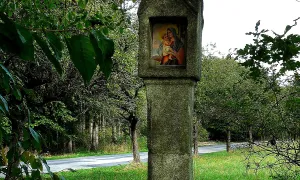
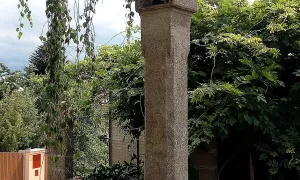
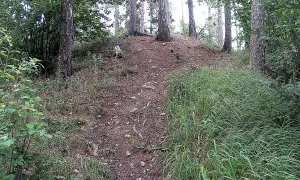
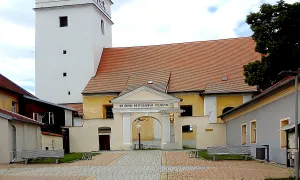
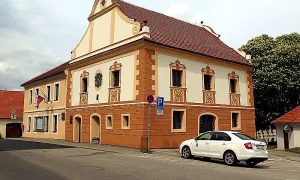
Real photos taken near the monument


Zdroj a licence jsou uvedeny u každého snímku.
Tips from visitors
No tips yet. Be the first!
Log in and add your tip.
Sources and literature
Faktickým podkladem tohoto textu byl článek na Wikipedii, jehož autory jsou přispěvatelé Wikipedie. Článek je dostupný pod licencí CC BY-SA 4.0.
Location on the map

Příběhy a pověsti
Legendy, pověsti a příběhy spjaté s touto památkou

Fotografie návštěvníků
Zatím žádné fotografie. Buďte první, kdo přidá fotografii z návštěvy!
Log in a přidejte svou fotografii nebo hodnoťte.
Za ověřenou návštěvu v aplikaci získáte víc bodů — poznáme podle GPS, že jste na místě.
Reviews and comments