






Kostel svatého Václava (Velešín) Church
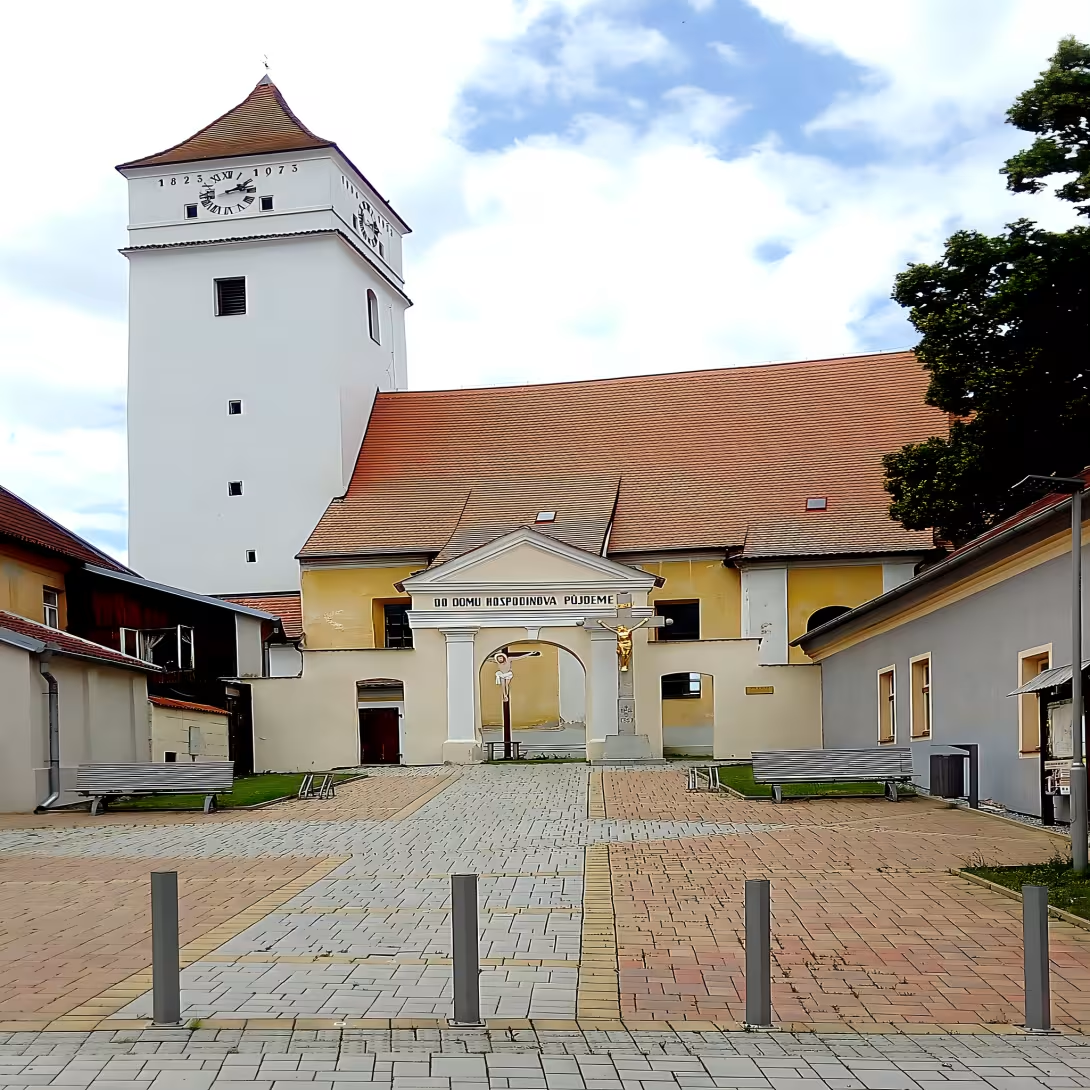
The Church of Saint Wenceslas in Velešín is a Roman Catholic church with origins dating back to the mid-13th century. Situated east of Velešín's center, it showcases architectural evolution from its initial construction through significant Baroque renovations in the 18th century. Recognized for its cultural significance, this monument has been protected since 1963 and is notable for its historical and artistic contributions.
The church likely originated on the site of an earlier wooden structure around the mid-13th century, with the first documented mention occurring in 1285. Its early form included parts of the wall and a Gothic portal that remain visible today. By 1491, significant renovations were undertaken, including the addition of a four-story tower, under the consecration of Bishop Benedikt z Valdštejna. This period marked an important phase in its development, reflecting architectural trends of the time.
Architecturally, the Church of Saint Wenceslas transitioned from a two-nave to a single-nave structure during its Baroque transformation between 1750 and 1754. Initiated by Theofil Ignác Hostounský, this renovation was financed through his own resources and those of the parish. The church's current form includes a rectangular presbytery with four side chapels and a bell tower attached to the western façade. These changes reflect the Baroque style prevalent in Bohemia during the Habsburg Monarchy's influence.
Throughout its history, the Church of Saint Wenceslas has seen various owners and administrators who have impacted its fortunes. The church was under the patronage of František Leopold Buquoy during its major renovations, although financial constraints limited his direct involvement. Despite these challenges, Hostounský's dedication ensured the completion of the Baroque transformation.
Key events in the church's history include its reconsecration in 1754 by Prague bishop Jan Ondřej Kayser after the Baroque renovations. The church also faced adversity during World War I when its bells were requisitioned for military purposes and later replaced in 1926. In a notable restoration effort, valuable Baroque organs from Hůrky were restored and inaugurated in 1988, highlighting the community's commitment to preserving its cultural heritage.
Today, the Church of Saint Wenceslas remains an accessible site of historical interest. Visitors can explore not only the church but also the associated bell tower, rectory, cemetery, and enclosing wall—all protected as part of the cultural monument. The church's rich history and architectural beauty make it a worthwhile destination for those interested in Bohemian heritage.
The Church of Saint Wenceslas stands as a symbol of resilience and dedication to preserving cultural identity through centuries of change. Its historical significance and artistic achievements invite visitors to explore its storied past and appreciate the enduring legacy of this remarkable monument.
Then and now
Drag the slider to compare how the landmark may have looked when it was built with the view today.
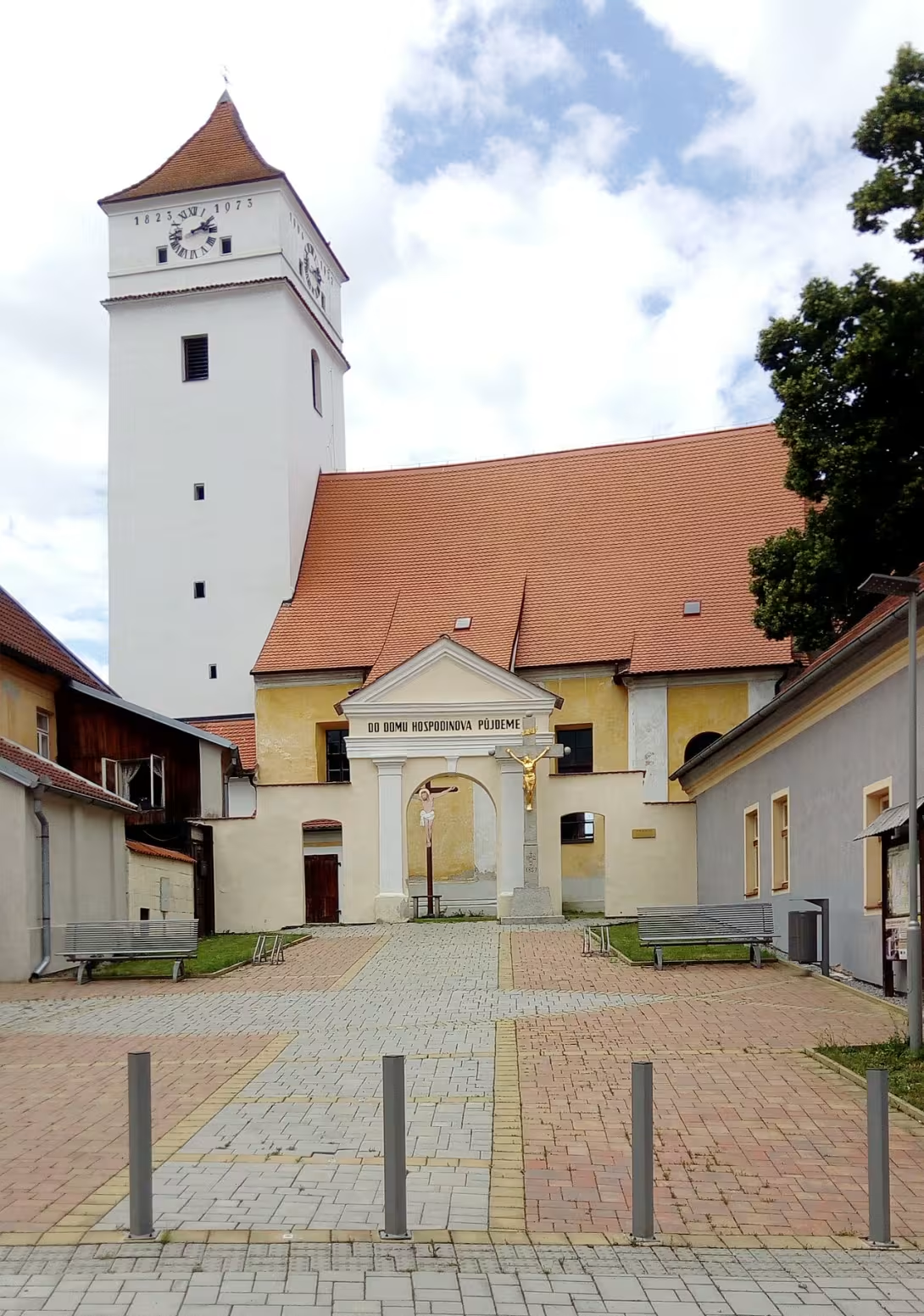
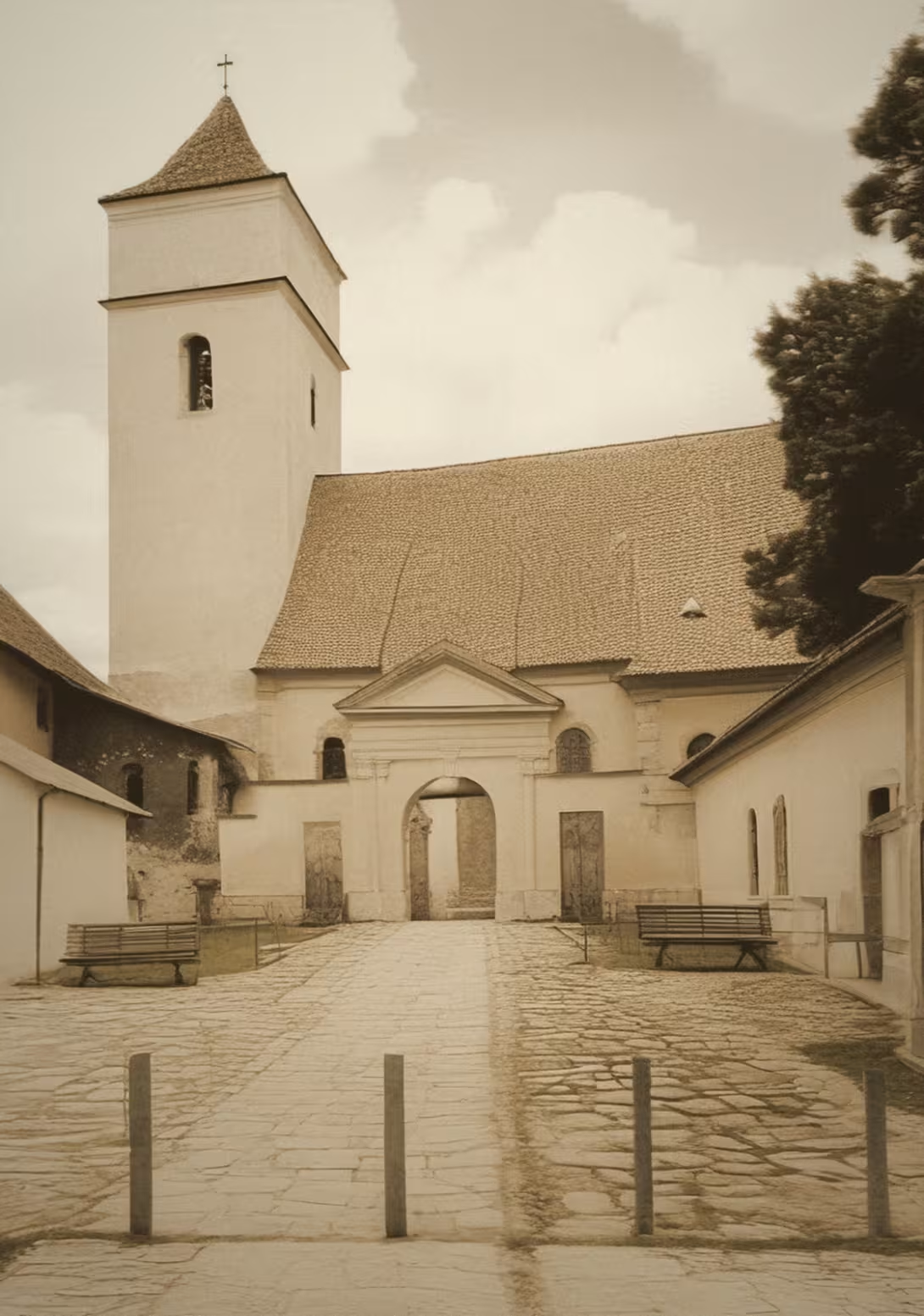
The historical appearance on the left is an AI-generated visualisation and serves as inspiration only.
Historical milestones
- 1491
- The church was consecrated by Bishop Benedikt z Valdštejna after significant renovations.
- 1754
- The church was reconsecrated following its baroque transformation.
- 1926
- New bells were consecrated and installed.
Architectural development
The church was initially built in the mid-13th century with significant renovations occurring in 1491, including a four-story tower. A major baroque transformation took place between 1750 and 1754 under Theofil Ignác Hostounský's initiative, which included redesigning the interior and exterior. Further modifications continued into the late 19th and early 20th centuries, with notable additions such as new bells in 1926.
Historical events
In 1491, Bishop Benedikt z Valdštejna consecrated the church after major renovations including a four-story tower addition.
The church underwent a significant baroque transformation between 1750 and 1754, financed by Theofil Ignác Hostounský.
In 1926, new bells were consecrated and installed following their removal during World War I for military purposes.
Points of interest
- The Church of Saint Wenceslas is believed to have been built on the site of an earlier wooden structure from around the mid-13th century, hinting at a long-standing religious presence in Velešín before its current form.
- During World War I, the church's bells were requisitioned for military purposes, showcasing how even sacred sites were not immune to the demands of war and conflict during that era.
- The Baroque transformation of the Church of Saint Wenceslas was largely financed by Theofil Ignác Hostounský, who personally invested in its renovation despite financial challenges, demonstrating his commitment to preserving the church's architectural beauty.
- In 1988, valuable Baroque organs from Hůrky were restored and inaugurated at the church, reflecting a community-driven effort to preserve and celebrate its rich musical heritage alongside its architectural history.
- The church underwent a significant reconsecration in 1754 by Prague bishop Jan Ondřej Kayser following its Baroque renovations, marking a pivotal moment that underscored its importance within the religious and cultural landscape of Bohemia.
Guide
This guide is narrated by a synthetic voice generated by artificial intelligence.
Show guide text
This text was created by artificial intelligence and has not been editorially reviewed. It may contain inaccuracies.
Welcome to the historic site of Kostel svatého Václava in Velešín, a remarkable testament to centuries of religious and architectural evolution. As you stand here, take a moment to soak in your surroundings: the serene atmosphere envelops this Roman Catholic church, whose origins trace back to the mid-13th century. The structure before you is an amalgamation of time, with remnants of its original form visible in parts of the wall and a Gothic portal that whispers tales from centuries past.
The story of St. Wenceslas Church begins in the heart of the 13th century, when it was likely constructed on the site of a wooden predecessor. This long-standing religious presence speaks to the deep spiritual roots embedded in Velešín's history. Over time, this church has witnessed significant transformations, each layer adding to its rich tapestry.
In 1491, the church underwent major renovations and was consecrated by Bishop Benedikt z Valdštejna, marking a pivotal moment in its storied past. Fast forward to the mid-18th century, when under the guidance of Theofil Ignác Hostounský, a dedicated parish priest who served for many years, the church embraced Baroque sensibilities. This transformation was so profound that it necessitated another consecration in 1754, symbolizing its rebirth into a new era.
As you explore further, pay attention to the architectural details that have withstood the test of time. The Gothic portal invites you to ponder the craftsmanship and artistic vision of an age long gone. Though much has changed, these elements serve as enduring links to the church's medieval origins.
The history of this place is also intertwined with notable figures such as František Leopold Buquoy, whose influence reverberates through its halls. Each person who contributed to its legacy has left an indelible mark on the fabric of Velešín’s cultural heritage.
An intriguing aspect of St. Wenceslas Church's history is its resilience during challenging times. During World War I, for instance, its bells were requisitioned for military purposes—a testament to how even sacred spaces are not immune to the tides of global events. In 1926, new bells were consecrated and installed, symbolizing hope and renewal.
As you take in this historic site, let your imagination wander through the centuries. Consider the countless individuals who have gathered here over generations for worship, celebration, and solace. This church is not just a structure of stone and mortar; it is a living chronicle of faith and community spirit.
We invite you to continue exploring Velešín's rich history and uncover more stories hidden within its landscapes. Thank you for joining us on this journey through time at Kostel svatého Václava, where every corner holds a story waiting to be discovered. Safe travels as you delve deeper into the wonders of Jihočeský kraj.
Tips for visitors
The best time to visit St. Wenceslas Church in Velešín is during the late spring or early fall, when the weather is mild and pleasant for exploring outdoor sites. These seasons offer comfortable temperatures and fewer crowds, allowing you to appreciate the church's architecture and historical significance without the hustle of peak tourist times. Additionally, visiting during these periods provides optimal lighting conditions for photography, capturing the intricate details of the Gothic portal and surrounding structures.
It's advisable to check current routes and schedules using a travel planner or local transport website to ensure a smooth journey. Arriving early in the morning is recommended to avoid any potential traffic congestion and to have ample time to explore the church and its surroundings.
When visiting St. Wenceslas Church, it's wise to bring comfortable walking shoes as you may want to explore the surrounding area of Velešín. A camera or smartphone with a good camera will be essential for capturing the stunning architecture and historical elements of the site. Additionally, carrying a light jacket is advisable since weather conditions can change unexpectedly in this region. Don't forget to bring water and snacks if you plan on spending several hours exploring.
For photography enthusiasts, some of the best spots around St. Wenceslas Church include the front entrance where the Gothic portal provides an impressive backdrop for photos. The early morning or late afternoon light is ideal for capturing the church's details with soft shadows and warm tones. Exploring different angles can also highlight the remnants of the original structure, such as parts of the wall that add to the historical ambiance.
In terms of nearby attractions within a 30-minute drive from Velešín, visitors might consider exploring other historic sites or natural landscapes in the region. These could include local castles or nature trails offering scenic views and opportunities for outdoor activities. For families with children, bringing along some snacks and perhaps a small picnic can make the visit more enjoyable, allowing time to relax and explore at their own pace.
Frequently asked questions
Can the monument be visited?
Religious buildings are usually open mainly during services; at other times a visit is normally arranged with the parish or the operator. We have not verified specific times.
Where is the monument?
Location: Velešín, Jihočeský kraj. The map on this page shows the exact spot.
Why is the monument protected?
It is listed in the Central List of Cultural Monuments of the Czech Republic as a cultural monument (register no. 31879/3-1466).
Businesses nearby
Do you run a restaurant, accommodation, shop, museum, rental, wellness or other visitor service near this monument? Show yourself directly to the people heading to it — this is how they will see you in the app and on the web:
Events nearby
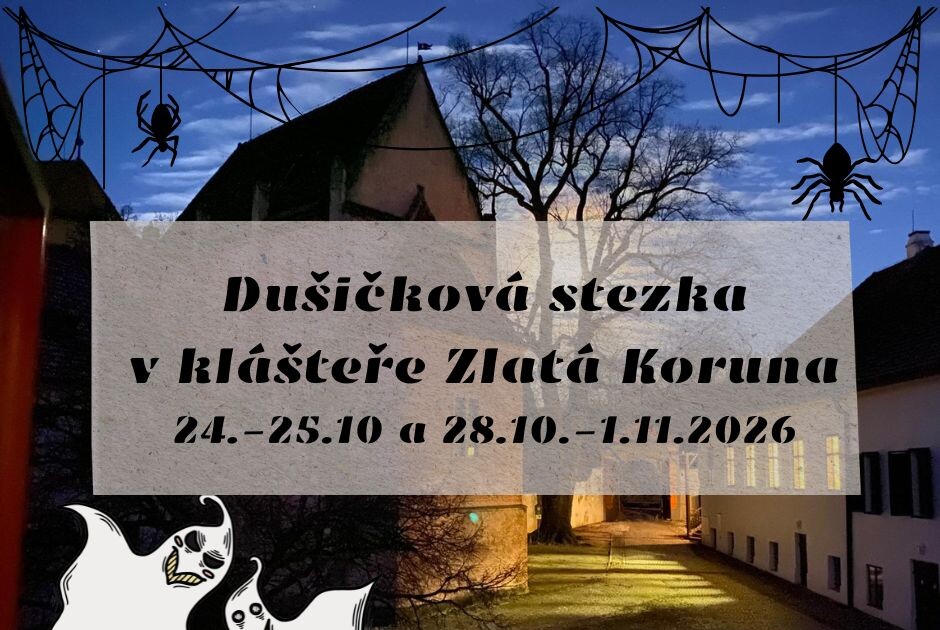
Zdroj akcí: otevřená data měst a obcí ČR (Národní katalog otevřených dat) a kalendář akcí Národního památkového ústavu.
Accommodation nearby
Trips and activities nearby
Guided tours, tickets and activities nearby from GetYourGuide
Affiliate link: if you buy from the partner, we may receive a commission. The price for you does not change.
Search tours and activities →Themed route
Thematic Walking Tour: Velešín and the Church of Saint Wenceslas
1. Church of Saint Wenceslas (Velešín) - Type: Historical Landmark - Why Visit: This stunning Baroque church is a centerpiece in Velešín, renowned for its architectural beauty and historical significance. It offers visitors an opportunity to explore the rich cultural heritage of the region through its intricate design and serene atmosphere.
2. Velešín Village Square - Type: Cultural Site - Why Visit: Located just a short walk from the church, the village square is the heart of Velešín. It provides a glimpse into local life with traditional houses and communal spaces that reflect the area's history and charm. The square serves as an ideal spot to relax and absorb the quaint atmosphere of this picturesque village.
3. Local Artisan Shops in Velešín - Type: Cultural Experience - Why Visit: As you wander through Velešín, explore local artisan shops that showcase regional crafts and products. These shops offer unique souvenirs and a chance to support the local economy while experiencing the creativity and tradition of Jihočeský kraj's artisans.
4. Velešín Historical Walking Path - Type: Cultural Trail - Why Visit: This walking path takes you through significant historical sites within Velešín, offering insights into its past. The trail is perfect for those interested in history and architecture, providing context to the village's development over centuries.
This tour encapsulates the essence of Velešín, combining architectural marvels with cultural experiences that highlight the region's unique heritage.
Seasonal recommendations
Spring: Visiting the Church of Saint Wenceslas in Velešín during spring offers a unique experience as nature begins to awaken, with blossoming flowers and fresh greenery enhancing the church's architectural beauty. The soft morning light creates a serene atmosphere perfect for photography. As the weather can be unpredictable, it’s advisable to wear layers that you can adjust throughout your visit. While crowds are generally lighter than in summer, arriving early ensures a more peaceful exploration of this historical site.
Summer: The summer months bring vibrant energy and longer daylight hours to Velešín's Church of Saint Wenceslas, making it an ideal time for visitors who appreciate the lush surroundings and warm ambiance. The church is often bathed in golden sunlight, accentuating its intricate details. However, this season also attracts more tourists; planning your visit early in the day can help avoid larger crowds. Comfortable walking shoes and light clothing are recommended to stay cool as you explore.
Autumn: Autumn at the Church of Saint Wenceslas is characterized by a stunning display of fall foliage, with vibrant reds, oranges, and yellows creating a picturesque backdrop for the historic structure. The cooler temperatures make it an excellent time for outdoor photography enthusiasts. As the days grow shorter, arriving earlier in the day allows ample time to appreciate both the church and its autumnal surroundings. Layered clothing is advisable due to the variable weather.
Winter: The winter season envelops Velešín's Church of Saint Wenceslas in a quiet, almost mystical atmosphere as snow may blanket the area, transforming it into a serene winter wonderland. The lighting during this time can create dramatic shadows and highlights on the church’s facade, offering unique photographic opportunities. Despite fewer tourists, arriving early is still recommended to ensure a fulfilling visit.
Visualizations and artistic views


The visualisations are generated by artificial intelligence and serve as inspiration.
Photos from the area
Real photos taken near the monument

Zdroj a licence jsou uvedeny u každého snímku.
Tips from visitors
No tips yet. Be the first!
Log in and add your tip.
Sources and literature
Photos: Czeva / CC BY-SA 4.0, rozlišení zvýšeno umělou inteligencí — Wikimedia Commons. The author and licence also appear when you hover over the image.
Faktickým podkladem tohoto textu byl článek na Wikipedii, jehož autory jsou přispěvatelé Wikipedie. Článek je dostupný pod licencí CC BY-SA 4.0.
Location on the map


Příběhy a pověsti
Legendy, pověsti a příběhy spjaté s touto památkou

Fotografie návštěvníků
Zatím žádné fotografie. Buďte první, kdo přidá fotografii z návštěvy!
Log in a přidejte svou fotografii nebo hodnoťte.
Za ověřenou návštěvu v aplikaci získáte víc bodů — poznáme podle GPS, že jste na místě.
Reviews and comments