






Kostel Církve československé husitské (Bruntál) Church
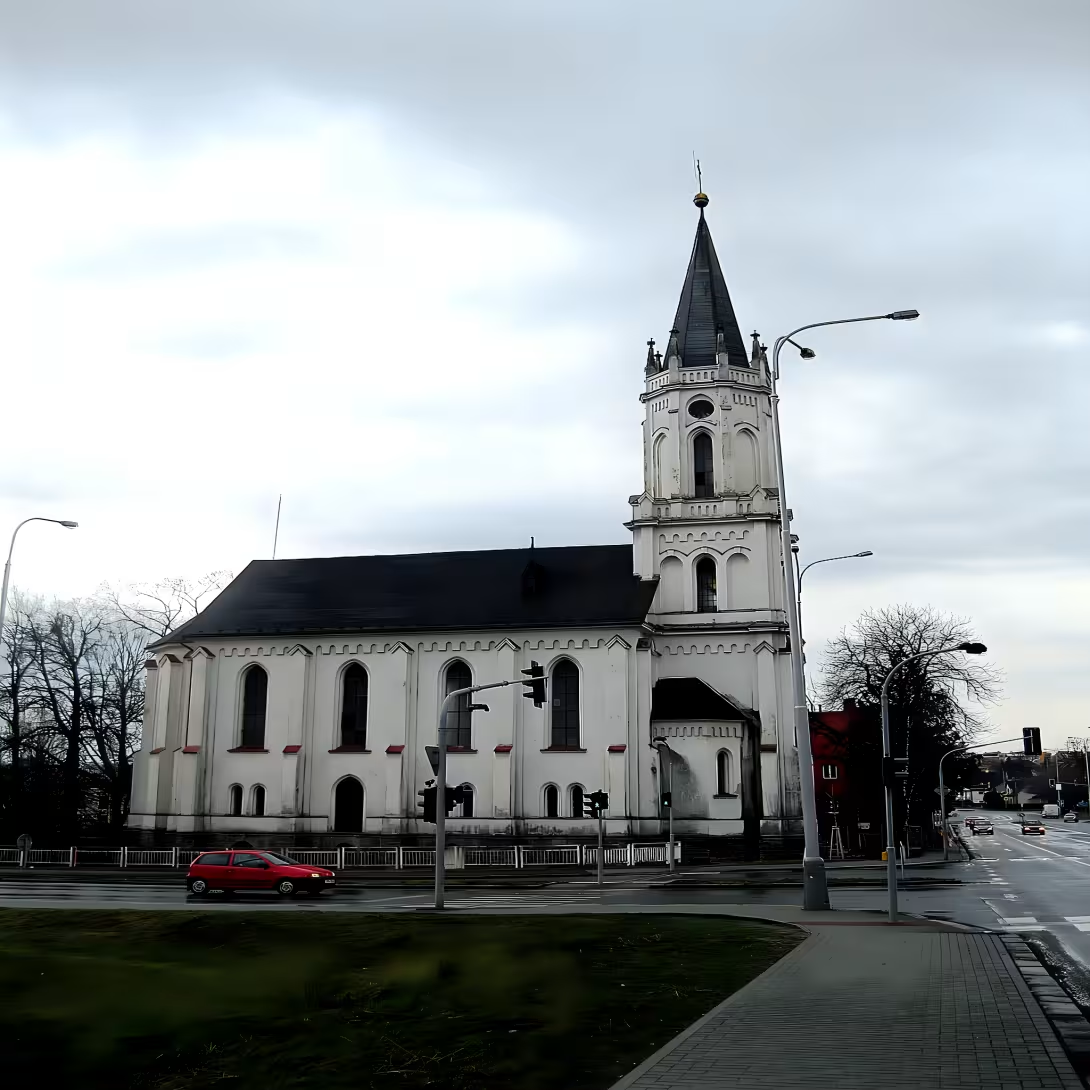
The Church of the Czechoslovak Hussite Church in Bruntál is a neo-Gothic monument that represents both the emancipation of the Czech nation and the Reformation. Situated in Bruntál, within the Okres Bruntál region of Moravskoslezský kraj, this church was originally built between 1883 and 1887 as an Evangelical (Lutheran) church. Architect Hermann Gruner designed it, and it has since been repurposed for services by the Czechoslovak Hussite Church. Its historical importance is highlighted by its inclusion in a state registry before 1988.
The monument's origins date back to the late 19th century when Bohemia was part of the Austro-Hungarian Empire, a time marked by significant cultural and national movements. The church reflects these dynamics, constructed during an era of rising Czech nationalism and efforts to assert cultural identity within the empire. Initially serving the German Evangelical Church, its administration later transitioned to the municipality of Opava 1.
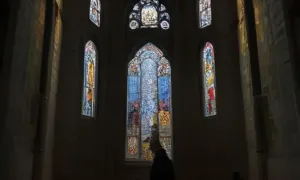
Architecturally, it is a single-nave brick building with neo-Gothic style elements. It features a gabled roof and a prominent three-story stepped tower with a four-sided base that transitions into an octagonal top capped by a spire. The nave concludes polygonally with three tall windows, while a sacristy with a terrace is located on the epistle side. The façade includes buttressing pilasters, and its high rectangular windows are segmented with pointed arches containing stained glass.
Throughout its history, the church has undergone several significant changes. In 1930, a hall was established beneath the chancel for the Evangelical community. By mid-20th century, it began serving as a place of worship for the Czechoslovak Hussite Church. A notable reconstruction occurred in 1993 when its roof and façade were restored.
The church's proximity to a pond has caused water damage over time, rendering parts unusable. Despite this, it remains an architectural treasure with three bells cast in 1924 housed within the tower, adding to its historical allure.
Today, the Church of the Czechoslovak Hussite Church in Bruntál is not only a testament to its rich history but also a site worth visiting for those interested in architecture and cultural heritage. Its unique blend of architectural styles and historical significance offers visitors an insightful glimpse into the past while standing as a symbol of national identity and religious evolution.
Then and now
Drag the slider to compare how the landmark may have looked when it was built with the view today.
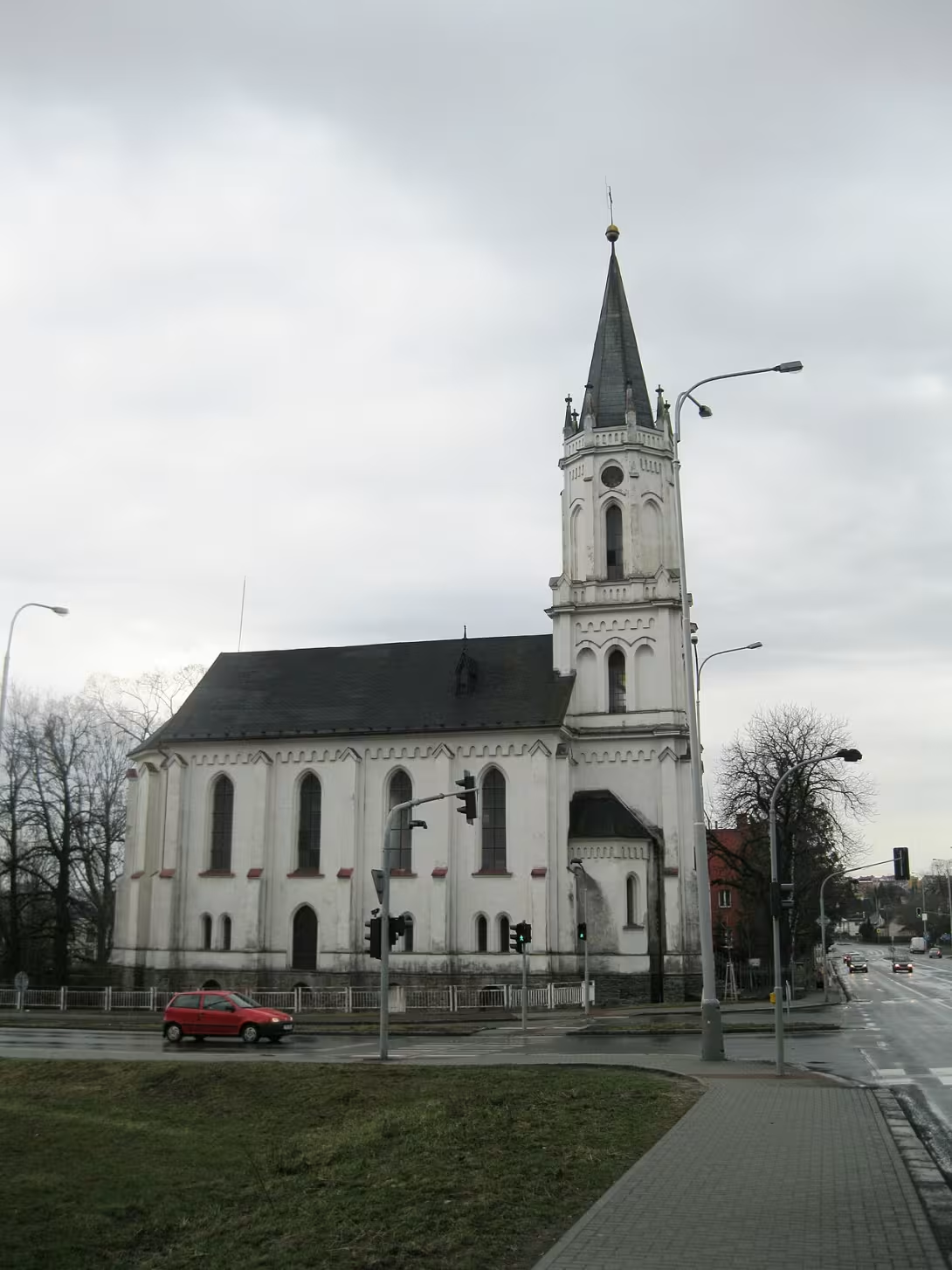
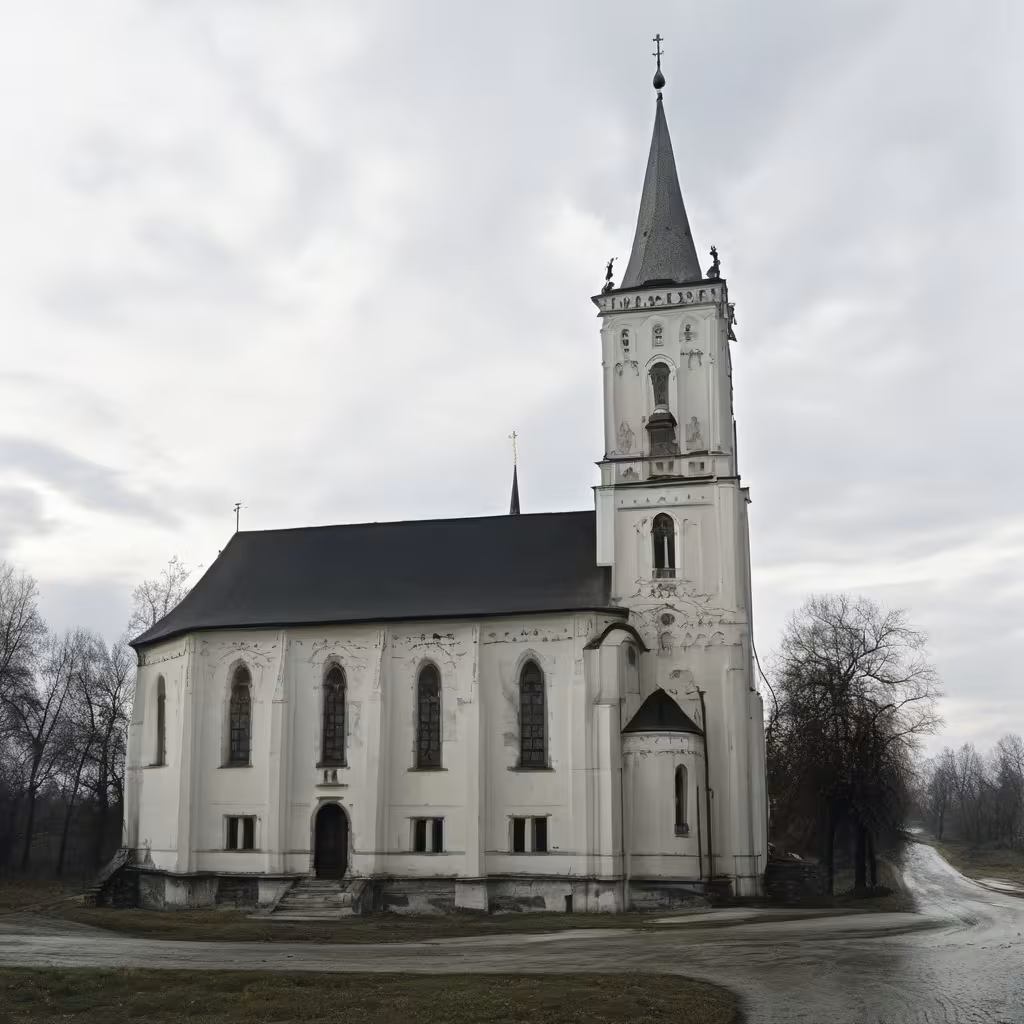
The historical appearance on the left is an AI-generated visualisation and serves as inspiration only.
Historical milestones
- 1887
- The church was completed as an Evangelical (Lutheran) church.
- 1930
- A hall for the needs of the Evangelical community was established beneath the chancel.
- 1993
- Reconstruction of the roof and façade took place.
Architectural development
The church is a single-nave brick building with a tower in the front, designed in neo-Gothic style. It features a gabled roof and a three-story stepped tower with a four-sided base transitioning to an octagonal top capped by a spire. The nave ends polygonally with three tall windows. A sacristy with a terrace is located on the epistle side. The façade is articulated with buttressing pilasters, and high rectangular windows are segmented with pointed arches containing stained glass.
Historical events
The church was constructed between 1883 and 1887 as an Evangelical (Lutheran) church.
In 1930, a hall for the needs of the Evangelical community was established beneath the chancel.
Since the mid-20th century, it has been used by the Czechoslovak Hussite Church for services.
Owners
Originally owned by the German Evangelical Church, later administered by the municipality of Opava 1.
Points of interest
- Although the Church of the Czechoslovak Hussite Church in Bruntál was initially built for the German Evangelical community, its transition to serve the Czechoslovak Hussite Church reflects broader shifts in national and religious identity during the 20th century.
- The church's architectural design by Hermann Gruner incorporates neo-Gothic elements that were popular at the time of construction. Interestingly, these stylistic choices symbolize a connection to both medieval history and contemporary nationalist movements within the Austro-Hungarian Empire.
- Despite its historical significance, parts of the church have become unusable due to water damage from its proximity to a pond. This ongoing challenge highlights the complex relationship between natural environments and architectural preservation.
- In 1993, the church underwent significant restoration work focusing on its roof and façade. This effort was crucial in preserving its neo-Gothic features and maintaining its status as an important cultural monument within Moravskoslezský kraj.
- The three bells housed in the church's tower were cast in 1924, adding a layer of historical depth to the building. These bells not only serve a religious function but also act as auditory reminders of the church’s enduring presence and resilience through changing times.
Guide
This guide is narrated by a synthetic voice generated by artificial intelligence.
Show guide text
This text was created by artificial intelligence and has not been editorially reviewed. It may contain inaccuracies.
Welcome to the Church of the Czechoslovak Hussite Church in Bruntál, a remarkable neo-Gothic monument that stands as a testament to both architectural beauty and historical significance. As you stand here on this serene site in Moravskoslezský kraj, take a moment to absorb the atmosphere around you. The church's striking façade rises before your eyes, its intricate details inviting closer inspection.
This remarkable structure was completed in 1887 as an Evangelical (Lutheran) church, designed by Hermann Gruner. It emerged during a period of intense cultural and national awakening for the Czech nation, symbolizing the broader emancipation movements sweeping across Europe. Originally built to serve the German Evangelical community, its history is deeply intertwined with shifts in religious and national identity throughout the 20th century.
As you gaze upon the church's exterior, notice how its neo-Gothic architecture captures your imagination. The craftsmanship evident in every stone speaks of a time when faith and artistry were intricately linked. Inside, the wooden pulpit stands as a focal point, its presence echoing the voices of past sermons that once filled this sacred space. Above you, listen to the gentle ring of the bell cast in 1924, resonating with stories from decades gone by.
Beneath the chancel lies a hall established in 1930 for the needs of the Evangelical community, adding another layer to the church's rich historical tapestry. The year 1993 marked an important chapter in its story when reconstruction efforts restored both the roof and façade, ensuring that this monument would continue to inspire future generations.
While many details about the specific individuals involved in its history remain unknown, what is clear is the church’s role as a witness to significant cultural shifts. Its transition from serving the German Evangelical community to becoming part of the Czechoslovak Hussite Church reflects broader societal changes and the evolving landscape of religious identity during turbulent times.
One intriguing aspect of this church is how it encapsulates both continuity and change, standing as a bridge between past traditions and modern expressions of faith. As you explore further, let your curiosity guide you to discover more about its unique history and architectural beauty.
As we conclude our journey through the Church of the Czechoslovak Hussite Church in Bruntál, I invite you to continue exploring this fascinating site at your own pace. Let the stories etched into its walls inspire you as you delve deeper into the rich tapestry of history that surrounds us. Thank you for joining me on this tour, and may your visit be both enlightening and memorable.
Businesses nearby
Do you run a restaurant, accommodation, shop, museum, rental, wellness or other visitor service near this monument? Show yourself directly to the people heading to it — this is how they will see you in the app and on the web:
Nearby
The church is located near a pond and other local features that have influenced its condition over time. The surrounding area includes typical Moravian-Silesian landscape elements.
Accommodation nearby
Themed route
Thematic Walking Tour: Church of the Czechoslovak Hussite Church (Bruntál) and Surroundings
1. Church of the Czechoslovak Hussite Church - Type: Religious Site - Why Visit: This church is a significant architectural landmark in Bruntál, showcasing unique elements influenced by its historical context. Its proximity to local natural features adds depth to its story, making it an essential starting point for understanding the region's cultural and religious heritage.
2. Local Pond - Type: Natural Feature - Why Visit: Located near the church, this pond has played a crucial role in shaping the condition of the surrounding area over time. It provides insight into how natural elements have interacted with human-made structures, offering visitors a glimpse into the harmonious blend of nature and architecture typical of the Moravian-Silesian landscape.
3. Surrounding Landscape Elements - Type: Natural Feature - Why Visit: The area around the church features quintessential Moravian-Silesian landscape elements that enhance its historical ambiance. Exploring these natural surroundings allows visitors to appreciate how the local environment has influenced both the architecture and the community's way of life over centuries.
This walking tour offers a concise yet enriching exploration of Bruntál, focusing on the interplay between cultural heritage and natural beauty in this unique region.
Seasonal recommendations
Spring: Visiting the Church of the Czechoslovak Hussite Church in Bruntál during spring offers a unique experience as nature begins to awaken. The surrounding landscape is adorned with vibrant wildflowers and budding trees, creating a picturesque setting that enhances the historical charm of the church. As daylight hours lengthen, visitors can enjoy extended exploration times, capturing the soft, diffused light that accentuates the architectural details. It's advisable to wear layers as temperatures can be mild but unpredictable. While spring is generally less crowded than summer, early mornings or weekdays are ideal for avoiding larger groups and enjoying a more tranquil visit.
Summer: Summer at the Church of the Czechoslovak Hussite Church in Bruntál is characterized by lively natural surroundings and warm weather, making it an inviting time for outdoor exploration. The lush greenery and blooming flora complement the historical architecture, offering excellent photo opportunities with vibrant backdrops. During this peak tourist season, arriving early in the day can help avoid crowds, ensuring a more relaxed experience. Visitors should dress comfortably in light clothing and wear sun protection to enjoy the sunshine safely. With longer opening hours, there's ample opportunity to explore both the church and its environs at your leisure.
Autumn: Autumn brings a magical atmosphere to the Church of the Czechoslovak Hussite Church in Bruntál, as the landscape transforms with warm hues of reds, oranges, and yellows. The crisp air and gentle sunlight create an ideal setting for photography enthusiasts eager to capture the church amidst its seasonal beauty. While temperatures begin to cool, it's wise to wear layers that can be adjusted throughout your visit. Autumn is generally less crowded than summer, offering a quieter time to appreciate the historical site without large groups. This season also provides excellent conditions for enjoying nearby nature trails and parks.
Winter: Winter at the Church of the Czechoslovak Hussite Church in Bruntál offers a serene and enchanting experience as snow blankets the landscape, creating a picturesque scene that enhances the church's historic charm. The cold air is crisp, and shorter daylight hours mean planning your visit during midday for optimal lighting. Visitors should dress warmly in layers, including hats and gloves, to stay comfortable while exploring. Although winter can be quieter with fewer tourists, it's important to check opening times as they may vary due to seasonal conditions. This season provides a unique opportunity to experience the church in a peaceful, almost mystical setting, perfect for those seeking tranquility and reflection.
Visualizations and artistic views


The visualisations are generated by artificial intelligence and serve as inspiration.
Photos from the area
Real photos taken near the monument


Zdroj a licence jsou uvedeny u každého snímku.
Tips from visitors
No tips yet. Be the first!
Log in and add your tip.
Sources and literature
Photos: Lehotsky / CC BY-SA 3.0, rozlišení zvýšeno umělou inteligencí — Wikimedia Commons. The author and licence also appear when you hover over the image.

Příběhy a pověsti
Legendy, pověsti a příběhy spjaté s touto památkou
Fotografie návštěvníků
Zatím žádné fotografie. Buďte první, kdo přidá fotografii z návštěvy!
Log in a přidejte svou fotografii nebo hodnoťte.
Za ověřenou návštěvu v aplikaci získáte víc bodů — poznáme podle GPS, že jste na místě.
Reviews and comments