






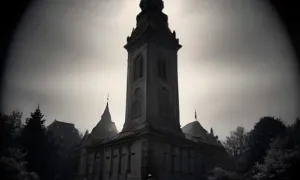
Petrin School building
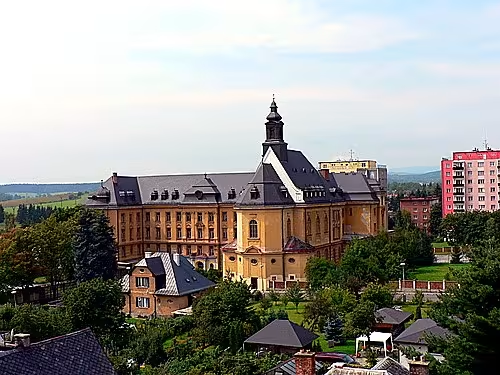
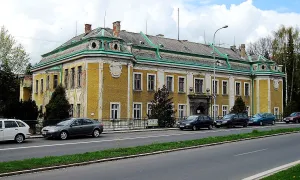
Petrin, located in Bruntál, is a notable historical building originally constructed between 1924 and 1926 as a German boys' seminary. Recognized as a cultural monument of the Czech Republic since 2002, Petrin stands out for its architectural design featuring a square layout with an internal courtyard and a small chapel at the front. Its significance lies not only in its historical role but also in its evolution through various functions over time.
The origins of Petrin trace back to the early 20th century, a period marked by significant political and social changes across Bohemia and Europe following World War I. In 1919, the archbishop established it as a German boys' seminary, reflecting broader trends of cultural and educational development during this era. The building was officially opened in 1926 after its construction began two years earlier.
Architecturally, Petrin is characterized by its square plan with an internal courtyard and a chapel at the front, embodying a functional yet aesthetically pleasing design typical of early 20th-century structures. This layout facilitated its initial use as a seminary while allowing for adaptability in later years.
Ownership and administration of Petrin have seen dramatic shifts over time. Initially serving educational purposes under the archbishop's direction, it was repurposed during World War II when used by the Wehrmacht as headquarters. The building suffered damage during conflicts with Sudeten German insurgents in September 1938. Post-war, its function evolved further before becoming a school and library from 2013 onwards.
Key events associated with Petrin include its opening in 1926 and its wartime use during World War II. These historical moments underscore the building's resilience and adaptability amidst changing political landscapes.
Today, Petrin remains an important cultural site within Bruntál, known for its historical architecture and educational legacy. Its status as a recognized monument makes it a valuable destination for those interested in exploring Czech history and architectural heritage. Visitors can appreciate its unique design and learn about its multifaceted past, making it a worthwhile stop for anyone touring the region.
Petrin's enduring presence as a cultural monument highlights its historical significance and adaptability through various eras. Its rich history and architectural charm invite visitors to explore and reflect on the broader narratives of education and resilience in Czech history.
Then and now
Drag the slider to compare how the landmark may have looked when it was built with the view today.
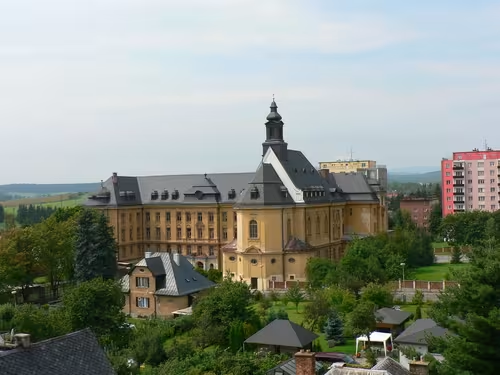
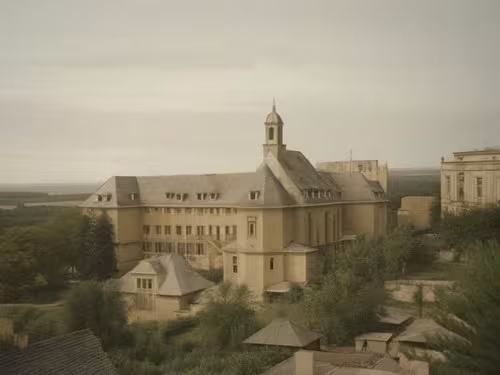
The historical appearance on the left is an AI-generated visualisation and serves as inspiration only.
Historical milestones
- 1926
- The school was officially opened after its construction.
Architectural development
Petrin's architectural development began in 1924, culminating in its completion in 1926. The building features a square plan with an internal courtyard and a chapel at the front. Its use has evolved from a seminary to various other functions over the decades.
Historical events
In 1926, Petrin was officially opened as a seminary after its construction began in 1924.
During World War II, the building was used by the Wehrmacht and suffered damage during conflicts with Sudeten German insurgents in September 1938.
Owners
Initially established by the archbishop in 1919 for a German boys' seminary, it was used as a Wehrmacht headquarters during WWII. Post-war, it served multiple functions until becoming a school and library from 2013 onwards.
Points of interest
- Despite its initial role as a German boys' seminary in the early 20th century, Petrin's architectural design featuring an internal courtyard and chapel at the front was ahead of its time, blending functionality with aesthetic appeal—a rare combination for educational buildings of that era.
- During World War II, Petrin served as headquarters for the Wehrmacht, illustrating how strategic locations were repurposed for military needs; this period also saw it sustain damage from conflicts involving Sudeten German insurgents in September 1938, highlighting its involvement in turbulent historical events.
- After transitioning through various roles post-war, including educational and cultural functions, Petrin was transformed into a school and library by 2013. This evolution underscores the building's adaptability to meet community needs across different eras while preserving its historical essence.
- The establishment of Petrin as a German boys' seminary in 1919 reflects broader trends of cultural and educational development during a time of significant political change following World War I, emphasizing the role of education in shaping national identities amidst shifting borders and governance structures.
- Recognized as a cultural monument since 2002, Petrin's designation underscores its architectural significance and historical resilience. This recognition not only preserves its legacy but also enhances its status as a vital educational and cultural site within Bruntál, attracting visitors interested in Czech history and architecture.
Guide
This guide is narrated by a synthetic voice generated by artificial intelligence.
Show guide text
This text was created by artificial intelligence and has not been editorially reviewed. It may contain inaccuracies.
Welcome to Petrin in Bruntál, a remarkable historical landmark with a story that spans nearly a century. As you stand here, imagine the grandeur of this architectural gem before you—a testament to both history and design.
Let's begin by taking in your surroundings. You are standing before an impressive square building, its facade exuding a sense of timelessness and elegance. The Petrinium, as it is also known, was originally constructed between 1924 and 1926. This structure has been recognized as a cultural monument of the Czech Republic since 2002, highlighting its significance in our shared history.
The origins of this building are deeply rooted in education. It began its life serving as a German boys' seminary in the early 20th century—a time when Bruntál was part of a very different world. The school officially opened its doors to students in 1926, marking the start of an era that would see generations educated within these walls.
Now, let's turn our attention to the architecture itself. Notice the square layout and the internal courtyard, which offer a glimpse into the thoughtful design behind this building. At the front stands a small chapel, inviting you to appreciate its serene beauty. The combination of functionality with aesthetic appeal is particularly striking here; such architectural foresight was rare for educational buildings during that era.
As we explore further, it's important to acknowledge that while specific architects remain unknown, their vision has left an indelible mark on Bruntál. This building stands as a silent witness to the stories and lives of those who passed through its halls over the decades.
Here’s something intriguing: despite its initial role as a seminary, Petrin's design was ahead of its time. The integration of an internal courtyard and chapel at the front reflects a blend of practicality and beauty—a rare combination that continues to captivate visitors today.
As you continue your exploration, I invite you to delve deeper into the history and stories that this building holds. Each corner, each stone has a tale waiting to be discovered. Thank you for joining me on this journey through time at Petrin in Bruntál. Enjoy your visit, and may it inspire curiosity and wonder!
Tips for visitors
The best time to visit Petrin, also known as Petrinium, is during the late spring or early autumn months. During these times, Bruntál's weather is mild, making it ideal for exploring both the historical architecture and surrounding natural landscapes without the discomfort of summer heat or winter cold. Additionally, visiting outside peak tourist seasons means fewer crowds, allowing for a more intimate experience with this cultural monument.
Parking near Petrin can be limited due to its location in Bruntál's historic center. Visitors are advised to look for parking spaces along the streets surrounding the area. Public transportation is also a convenient option; while specific bus or tram numbers cannot be provided, checking local transit websites or apps will give you up-to-date information on routes and schedules that can take you close to Petrin.
When planning your visit to Petrin, it's advisable to bring comfortable walking shoes as exploring the town and its monuments involves a fair amount of walking. A camera is also recommended for capturing the unique architectural details of the building and the picturesque views of Bruntál. Since lighting conditions can vary throughout the day, visiting in the morning or late afternoon will provide softer light ideal for photography.
For families with children, Petrin offers an educational experience that delves into the history of German boys' seminaries in the region. The surrounding area of Bruntál is rich in cultural heritage and natural beauty, making it a great place for family exploration. Within a 30-minute radius, there are other notable monuments and natural features to visit, providing ample opportunities for both learning and leisure activities.
Businesses nearby
Do you run a restaurant, accommodation, shop, museum, rental, wellness or other visitor service near this monument? Show yourself directly to the people heading to it — this is how they will see you in the app and on the web:
Nearby
Petrin is located in Bruntál, a town known for its historical architecture and cultural heritage. The surrounding area includes other notable monuments and natural features within a 5 km radius.
Accommodation nearby
Themed route
Tematická Výletní Trasa v Bruntálu
1. Petrin (školní budova)
Typ: Historická škola
Proč stojí za návštěvu: Petrin je nejen historickou školní budovou, ale také symbolizuje bohatou vzdělávací tradici Bruntálu. Její architektura a historie přitahují zájemce o místní kulturu a dějiny.
2. Kostel svatého Jiljí
Typ: Historický kostel
Proč stojí za návštěvu: Tento gotický kostel je jednou z nejstarších památek v Bruntálu. Jeho architektonické detaily a historie představují důležitou součást kulturního dědictví města.
3. Památník zemřelým ve válkách
Typ: Vojenský památník
Proč stojí za návštěvu: Tento památník je věnován obětem válek a slouží jako místo vzpomínky na historické události, které formovaly Bruntál. Je ideálním místem pro reflektování důležitosti míru.
4. Staré radnice
Typ: Historický administrativní objekt
Proč stojí za návštěvu: Stará radnice je příkladem barokní architektury a byla důležitým centrem místní správy. Její historie a umělecké prvky ji činí významnou pro pochopení minulosti Bruntálu.
5. Náměstí Míru
Typ: Veřejné náměstí
Proč stojí za návštěvu: Náměstí Míru je srdcem města, kde se prolínají historie a současnost. Je ideálním místem pro relaxaci a pochopení dnešního života v Bruntálu.
Tato trasa nabízí pohled na kulturní a historické aspekty Bruntálu, přičemž každý zastavení poskytuje jedinečný vhled do jeho bohaté minulosti.
Seasonal recommendations
Spring: Visiting Petrin during the spring offers a unique experience as nature begins to awaken around Bruntál's historic school building. The surrounding landscape is adorned with blooming flowers and fresh greenery, creating an enchanting atmosphere that enhances the charm of the architecture. As daylight extends into the evening, natural light beautifully illuminates the structure, casting long shadows and highlighting intricate details. This period can see moderate visitor numbers as people take advantage of milder weather to explore outdoor sites. It's advisable to wear comfortable layers that accommodate fluctuating temperatures throughout the day.
Summer: Summer at Petrin is characterized by vibrant energy and lush surroundings, with the school building standing out against a backdrop of full greenery and abundant wildlife. The long daylight hours provide excellent lighting for photography and exploration, making it an ideal time for visitors to appreciate the architectural details. However, this season also attracts larger crowds, especially during peak tourist times, so arriving early in the day can help avoid congestion. Light, breathable clothing is recommended, along with sun protection such as hats or umbrellas.
Autumn: Autumn brings a picturesque transformation to Petrin, as the foliage around Bruntál turns into a palette of warm colors—reds, oranges, and yellows—that create a stunning contrast against the historic school building. The cooler temperatures make for comfortable walking tours, while the softer light of the shorter days adds a cozy ambiance. Visitor numbers tend to decrease as the season progresses, offering a more tranquil experience. Layered clothing is advisable to adapt to changing weather conditions throughout the day.
Winter: Winter at Petrin offers a serene and magical atmosphere, with snow potentially covering the landscape and adding a layer of quiet beauty to the historic site. The shorter days mean that natural light is limited, but this can create dramatic contrasts between shadows and illuminated areas, enhancing the architectural features in unique ways. Visitor numbers are typically lower during winter months, providing a more intimate experience. It's essential to dress warmly with layers, including thermal wear and waterproof outer garments, and be prepared for shorter opening hours due to weather conditions.
Visualizations and artistic views


The visualisations are generated by artificial intelligence and serve as inspiration.
Photos from the area
Real photos taken near the monument


Zdroj a licence jsou uvedeny u každého snímku.
Tips from visitors
No tips yet. Be the first!
Log in and add your tip.
Sources and literature
Photos: annonym / CC BY-SA 3.0 — Wikimedia Commons. The author and licence also appear when you hover over the image.
Faktickým podkladem tohoto textu byl článek na Wikipedii, jehož autory jsou přispěvatelé Wikipedie. Článek je dostupný pod licencí CC BY-SA 4.0.
Location on the map

Příběhy a pověsti
Legendy, pověsti a příběhy spjaté s touto památkou
Fotografie návštěvníků
Zatím žádné fotografie. Buďte první, kdo přidá fotografii z návštěvy!
Log in a přidejte svou fotografii nebo hodnoťte.
Za ověřenou návštěvu v aplikaci získáte víc bodů — poznáme podle GPS, že jste na místě.
Reviews and comments