






Kostel Nalezení svatého Kříže (Nesvačily) Church
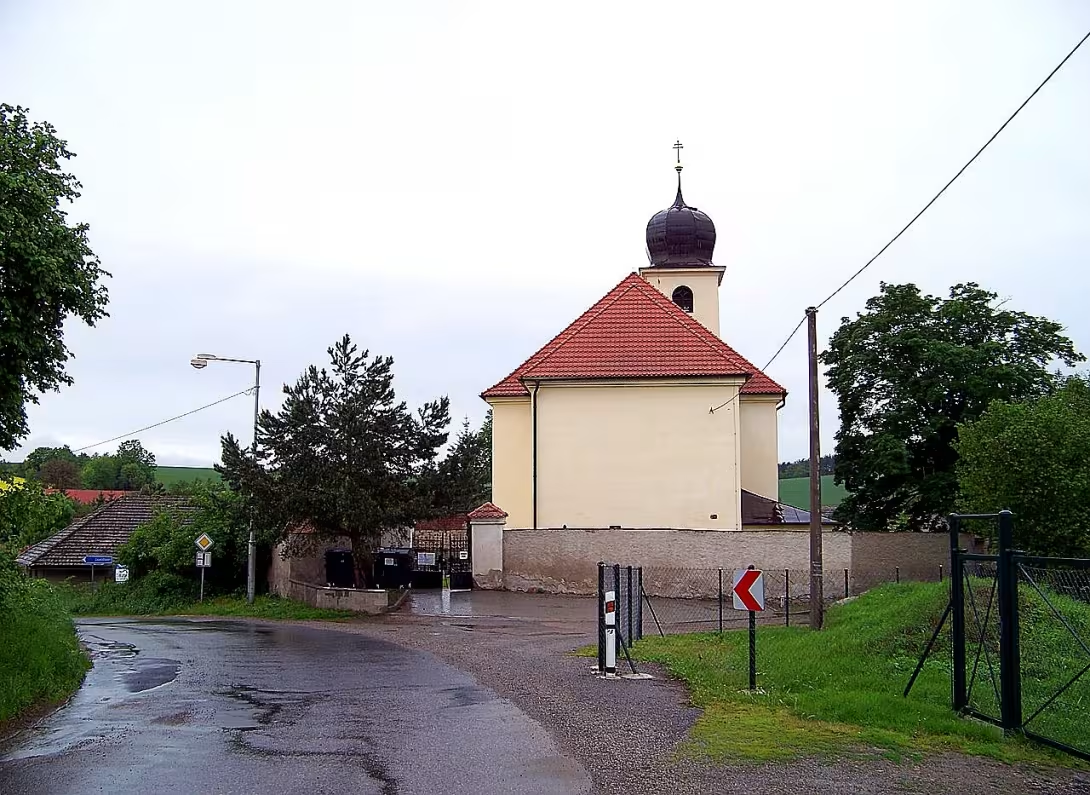
The Church of the Finding of the Holy Cross in Nesvačily is a remarkable historical monument located in the village of Nesvačily, Benešov District, Středočeský kraj. Originating as a Romanesque structure from the mid-12th century, it has undergone significant architectural transformations over the centuries, including early Gothic expansions and Baroque modifications around 1700. Listed in the state registry of cultural monuments since 1965, this church is notable for its rich historical narrative and architectural evolution.
The church's origins trace back to the mid-12th century when it was constructed as a Romanesque building. During this period, Bohemia was part of the Holy Roman Empire under the Přemyslid dynasty, a time marked by significant religious and architectural developments across Europe. The northern nave wall is one of the few remaining elements from its original Romanesque structure. By the late Gothic period and into the 19th century, the church underwent structural modifications and received new altars, reflecting evolving artistic and cultural influences.
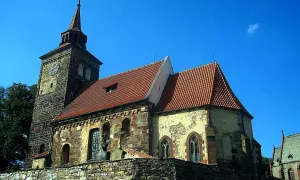
Architecturally, the Church features a single-nave design with an oblong nave and a narrower presbytery. The nave is topped by a pointed roof, while the western façade houses a tower. Notably, its original Romanesque elements were expanded during the early Gothic period and later modified in Baroque style around 1700, including the main altar. Despite its historical significance, the church currently exists in poor condition, necessitating several restorations over time.
Throughout its history, the church has experienced various changes in ownership and administration. Initially serving as a parish church with two parishes under different patronages during the late 14th to early 15th centuries, it became a filial church after these parishes disappeared around 1410. The church's inventory has suffered from multiple thefts over the years, leading to security measures such as the closure of its western portal.
The church holds several intriguing features and historical artifacts. A significant Baroque pulpit is mounted on the northern side of the triumphal arch, showcasing intricate craftsmanship. Additionally, a patronage bench originally from the Bystřice Church of Saints Simon and Jude was relocated here in the late 20th century, featuring elaborately carved coats of arms. The church also houses two bells: one Gothic with the letter "W" and another larger bell inscribed with a Latin dedication to its patron, Vincence Daňka rytíř z Esse, from 1882.
Today, the Church remains an important cultural monument despite its poor condition. It is administered by the parish priest of Bystřice and hosts Mass every Saturday at 5 PM. Additionally, a pilgrimage Mass is celebrated on the first Sunday in May, commemorating traditions predating the Second Vatican Council. The church's historical significance and architectural features make it a worthwhile visit for those interested in exploring Czech cultural heritage.
In conclusion, the Church of the Finding of the Holy Cross stands as a testament to centuries of architectural and religious history. Its enduring presence offers visitors a unique glimpse into the past, inviting them to appreciate its historical value and architectural beauty.
Then and now
Drag the slider to compare how the landmark may have looked when it was built with the view today.
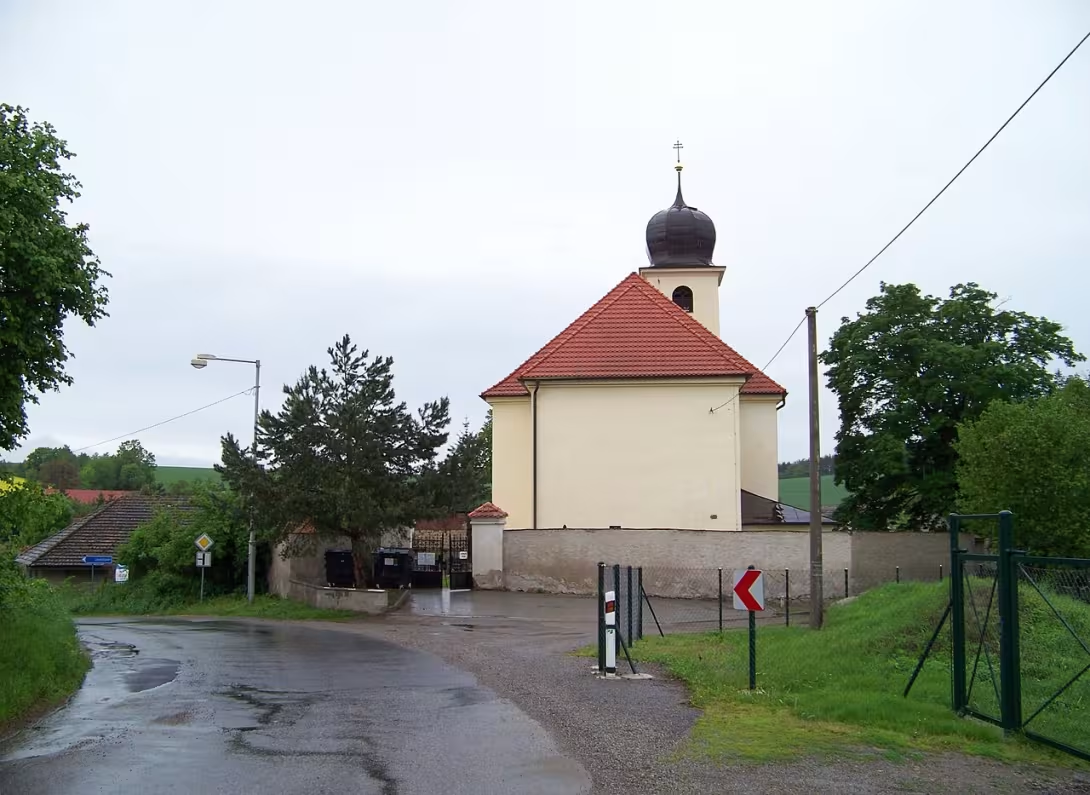

The historical appearance on the left is an AI-generated visualisation and serves as inspiration only.
Historical milestones
- 1965
- The church site was listed in the state registry of cultural monuments.
Architectural development
The Church of the Finding of the Holy Cross began as a Romanesque structure with its northern nave wall dating back to the mid-12th century. It was expanded during the early Gothic period and later modified in Baroque style around 1700, including the main altar. The church has undergone several restorations but remains in poor condition.
Historical events
The church was originally a Romanesque building from the mid-12th century.
In the late Gothic period and the 19th century, the church underwent structural modifications and received new altars.
Since 1965, the church site has been listed in the state registry of cultural monuments.
Points of interest
– The Church of the Finding of the Holy Cross is one of the few remaining examples of Romanesque architecture in the region, with its northern nave wall being a rare surviving element from this period.
– Despite undergoing numerous transformations and restorations over centuries, including Baroque modifications around 1700, the church has retained some original Romanesque features that are visible today.
– The church's history includes changes in ownership and administration; it transitioned from serving as a parish church with two parishes to becoming a filial church after these disappeared around 1410.
– A unique feature of the church is its Baroque pulpit, which is intricately crafted and mounted on the northern side of the triumphal arch, showcasing the artistic influences that have shaped the church over time.
– The church houses a patronage bench originally from the Bystřice Church of Saints Simon and Jude, relocated here in the late 20th century, featuring elaborately carved coats of arms that reflect historical connections between these communities.
Guide
This guide is narrated by a synthetic voice generated by artificial intelligence.
Show guide text
This text was created by artificial intelligence and has not been editorially reviewed. It may contain inaccuracies.
Welcome in front of the Church of the Finding of the Holy Cross in Nesvačily. You are standing before one of the oldest architectural landmarks in this area. Let's move on to its historical context. This church has its origins in Romanesque style from the mid-12th century. It underwent several changes and renovations, including Gothic modifications and a Baroque reconstruction around the year 1700.
Look up at the northern wall of the nave. It is one of the few remaining examples of Romanesque architecture in this area. Notice how this wall has been preserved in its original state. This is exceptional because many similar buildings from that period no longer exist.
Now pay attention to the details. The church underwent many changes and modifications, but its original structure still reflects its rich history. Although the church is currently in poor condition, it remains an important cultural monument that conveys a rich past through its architecture and artworks.
Note that the church has been listed as a cultural heritage site since 1965. Despite its current poor structural conditions, the Church of the Finding of the Holy Cross remains an important part of this area's history.
Allow me to invite you to further explore this unique monument.
Tips for visitors
The best time to visit the Church of the Finding of the Holy Cross in Nesvačily is during late spring or early autumn, when the weather is pleasant for walking around the village and exploring the church's surroundings. These seasons offer mild temperatures and beautiful natural scenery, enhancing your experience. Additionally, visiting outside peak tourist months can provide a more tranquil atmosphere, allowing you to appreciate the historical architecture without large crowds.
It's advisable to check current routes and schedules in advance using a travel planner or local transit website to ensure smooth access.
When visiting the church, it is recommended to bring comfortable walking shoes as you may want to explore the village and its surroundings. A camera for capturing the unique architectural details of the church would be beneficial, especially if you're interested in photography. Additionally, carrying a light jacket or sweater can be useful due to variable weather conditions.
Photography enthusiasts will find several spots around the Church of the Finding of the Holy Cross ideal for capturing its beauty. Early morning or late afternoon provides soft lighting that highlights the church's Gothic and Romanesque features. The exterior façade, with its intricate stonework, is particularly striking under natural light. Inside, the play of light through stained glass windows can create stunning visual effects.
For families visiting Nesvačily, there are several attractions within a 30-minute drive that offer enjoyable experiences for children. Nearby villages and nature trails provide opportunities for outdoor activities such as hiking or picnicking in scenic areas. These excursions allow families to explore the natural beauty of Středočeský kraj while engaging with local history and culture.
Frequently asked questions
Can the monument be visited?
Religious buildings are usually open mainly during services; at other times a visit is normally arranged with the parish or the operator. We have not verified specific times. According to the heritage register the structure is in poor condition – do not enter it and take care nearby.
Where is the monument?
Location: Nesvačily, Středočeský kraj. The map on this page shows the exact spot.
Why is the monument protected?
It is listed in the Central List of Cultural Monuments of the Czech Republic as a cultural monument (register no. 26149/2-135).
Businesses nearby
Do you run a restaurant, accommodation, shop, museum, rental, wellness or other visitor service near this monument? Show yourself directly to the people heading to it — this is how they will see you in the app and on the web:
Events nearby

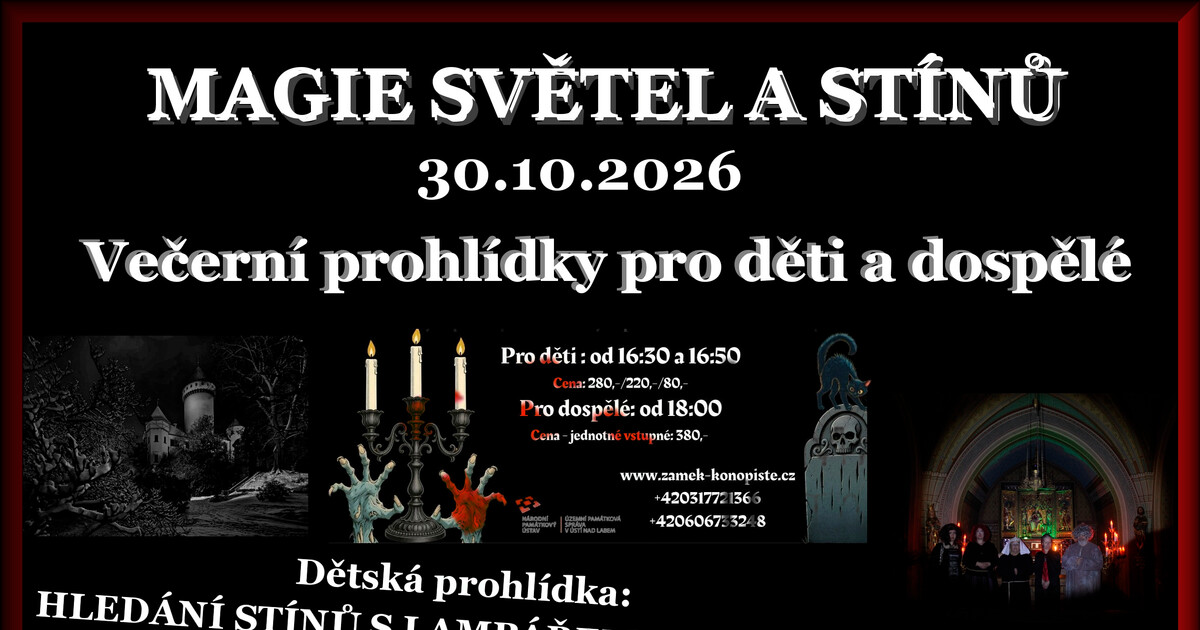


Zdroj akcí: otevřená data měst a obcí ČR (Národní katalog otevřených dat) a kalendář akcí Národního památkového ústavu.
Accommodation nearby
Themed route
Nesvačily – Church of the Finding of the Holy Cross and Nearby Attractions
1. Church of the Finding of the Holy Cross (main attraction) – A unique Romanesque church from the 12th century, one of the oldest in Bohemia. Its distinctive architecture and history make it a significant cultural monument.
2. Chapel of St. John of Nepomuk (Nesvačily) – A small chapel from the 18th century that complements the church and offers beautiful views of the surrounding landscape.
3. Hradiště Archaeological Site (Nesvačily) – An archaeological site from the Bronze Age, where remnants of a fortification and other archaeological monuments are located.
4. Memorial to Victims of World War I (Nesvačily) – A monument that commemorates the victims of the First World War and offers views of the surrounding landscape.
Seasonal recommendations
Jaro
In the spring season, St. Cross Discovery Church is surrounded by green nature and flowers. The atmosphere is calm and quiet, ideal for relaxation and rest. We recommend visiting the church in early spring when nature is in full bloom.
Summer
In summer, St. Cross Discovery Church is visited by many tourists, so it's a good idea to come in the morning hours to avoid crowds. In summer, nature around the church is beautifully green and blooming, creating a pleasant atmosphere.
Autumn
In autumn, St. Cross Discovery Church is surrounded by beautiful autumn scenery. The atmosphere is calm and quiet, ideal for relaxation and rest. We recommend visiting the church in late autumn when trees are adorned with beautiful colors.
Winter
In winter, St. Cross Discovery Church is surrounded by a calm and quiet winter landscape. The atmosphere is ideal for relaxation and rest. Don't forget to wear warm clothing so you don't catch a cold.
Visualizations and artistic views


The visualisations are generated by artificial intelligence and serve as inspiration.
Photos from the area
Real photos taken near the monument


Zdroj a licence jsou uvedeny u každého snímku.
Tips from visitors
No tips yet. Be the first!
Log in and add your tip.
Sources and literature
Photos: ŠJů (cs:ŠJů) / CC BY-SA 3.0 — Wikimedia Commons. The author and licence also appear when you hover over the image.
Faktickým podkladem tohoto textu byl článek na Wikipedii, jehož autory jsou přispěvatelé Wikipedie. Článek je dostupný pod licencí CC BY-SA 4.0.
Location on the map


Příběhy a pověsti
Legendy, pověsti a příběhy spjaté s touto památkou
Příběh: Kostel Nalezení svatého Kříže (Nesvačily)
Bylo to v pondělí ráno, kdy Vilém zjistil, že se jeho cesta k Nesvačilům už nezastavovala pouze kvůli obchodním potřebám — ale také kvůli nesnesitelné tíži n…
Číst příběh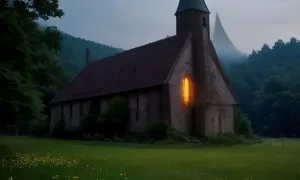
Pověst: Kostel Nalezení svatého Kříže (Nesvačily)
Podle místní pověsti, která se v Nesvačilech šeptá od nepaměti, není kostel Nalezení svatého Kříže jen prostou stavbou z kamene a vápna. Staří obyvatelé vypr…
Číst příběhFotografie návštěvníků
Zatím žádné fotografie. Buďte první, kdo přidá fotografii z návštěvy!
Log in a přidejte svou fotografii nebo hodnoťte.
Za ověřenou návštěvu v aplikaci získáte víc bodů — poznáme podle GPS, že jste na místě.
Reviews and comments