



Kostel Nalezení svatého Kříže (Robousy) Church
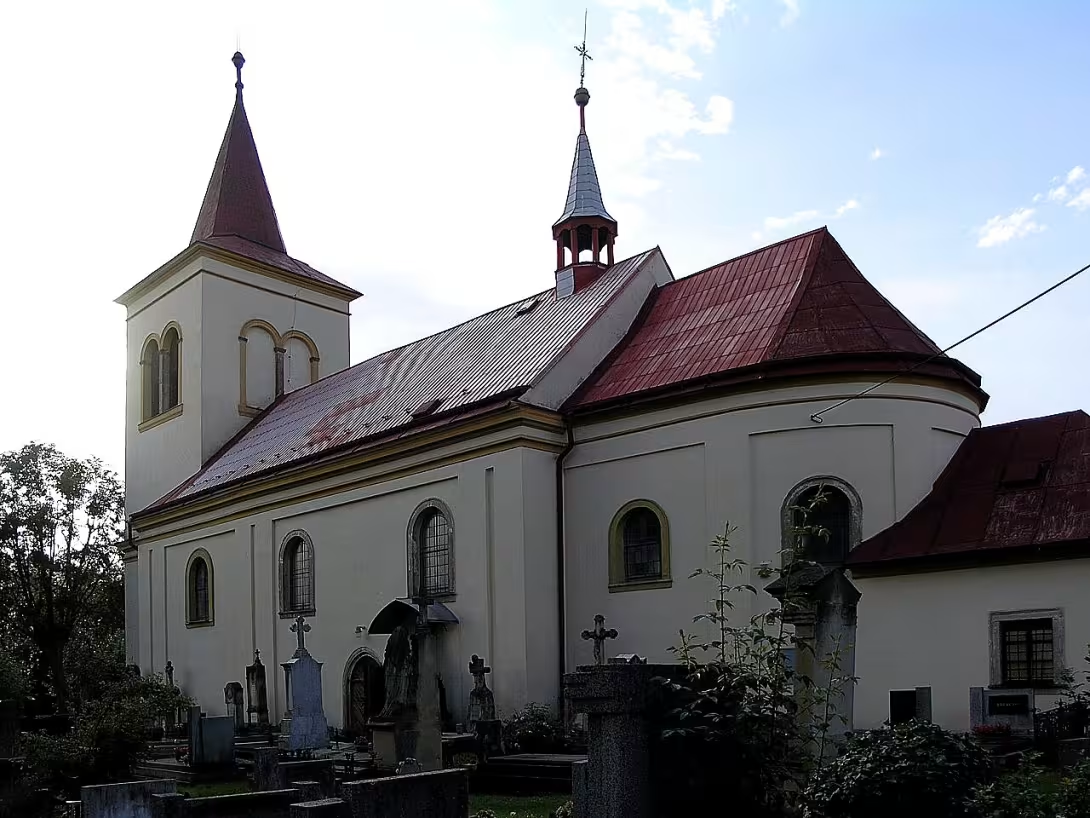
Kostel Nalezení svatého Kříže in Robousy is a historical monument showcasing architectural evolution over the centuries. Located in the village of Robousy within the Jičín district of Královéhradecký kraj, this church began as a Gothic structure at the end of the 14th century. Initially dedicated to Saint Peter until 1679, it has since undergone several transformations reflecting Baroque and Historicism styles. Today, it is recognized as a cultural monument due to its historical significance and architectural diversity.
The church's origins trace back to the late 14th century when Bohemia was part of the Holy Roman Empire under the Luxembourg dynasty. This period saw significant Gothic architectural developments across Europe, marking broader cultural and artistic flourishing. The original structure served as a testament to this era's architectural prowess before undergoing substantial changes in style and function over time.
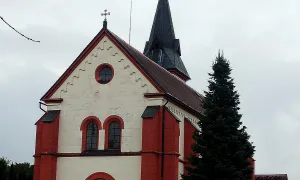
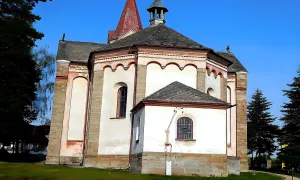
Architecturally, Kostel Nalezení svatého Kříže began as a Gothic church but was transformed into the Baroque style by 1691. This marked a significant shift in its aesthetic and structural elements. The late 17th-century renovations introduced Baroque features that were further enhanced during a major renovation between 1840 and 1841, when the church was extended, and a new tower designed by Josef Oppolzer was added. Today, it stands as an example of Historicism, showcasing its layered architectural history.
Throughout its existence, Kostel Nalezení svatého Kříže has seen various changes in ownership and administration. Initially serving as the main church for the local community, it transitioned to a filial status under the Římskokatolická farnost Jičín, Vikariát Jičín, Diecéze královéhradecké. Despite these administrative changes, its cultural and historical significance has remained intact.
The church's interior is adorned with Baroque elements highlighting its rich artistic heritage. The main altar, crafted in 1704 by J. Bzenecký ze Soběrazi, features an image of the Temptation of Saint Cross, signed by Antonii Czeptka on September 21, 1707. This piece was later renovated in 1891. Additionally, baroque-style side altars from around 1720 house modern images, and a pulpit also attributed to J. Bzenecký ze Soběrazi adds to the church's artistic allure. The church houses Baroque organs and seating dating back to 1773, further enhancing its historical ambiance.
Surrounding Kostel Nalezení svatého Kříže is a cemetery enclosed by walls with two gates, adding to the site's serene atmosphere. Notably, a Calvary sculpture from 1701 by J. Čapka is embedded into the eastern part of this wall, providing an additional historical and artistic element for visitors to appreciate.
Today, Kostel Nalezení svatého Kříže stands as a cultural monument, officially recognized since May 3, 1958. Its architectural evolution from Gothic to Baroque and finally to Historicism offers a unique glimpse into the past, making it an invaluable site for both historical study and tourism. Visitors are invited to explore this remarkable church, where each element tells a story of transformation and endurance through centuries.
Then and now
Drag the slider to compare how the landmark may have looked when it was built with the view today.
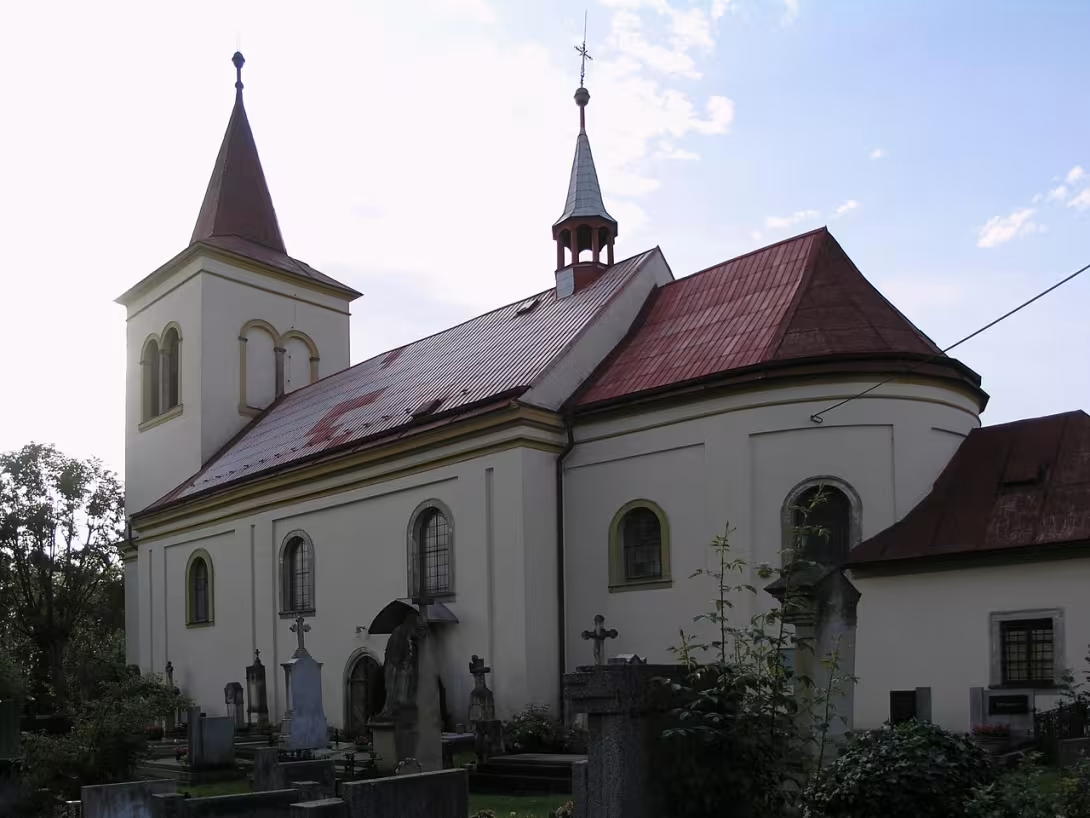
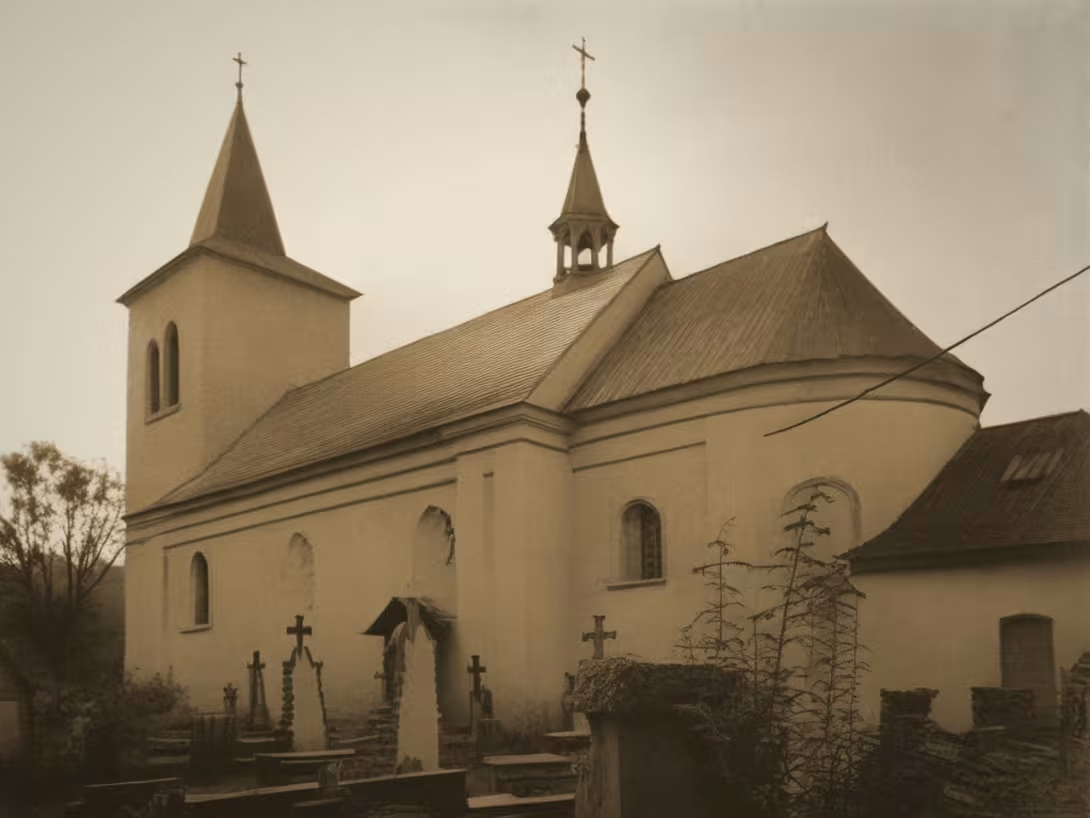
The historical appearance on the left is an AI-generated visualisation and serves as inspiration only.
Historical milestones
- 1958
- The church was declared a cultural monument.
Architectural development
Kostel Nalezení svatého Kříže began as a Gothic church in the late 14th century. It was transformed into Baroque style by the late 17th century, with significant changes occurring around 1691. The church underwent its last major renovation between 1840 and 1841 when it was extended and received a new tower designed by Josef Oppolzer. Today, it is characterized by elements of Historicism.
Historical events
- 1691
- The church was transformed into Baroque style.
- 1840-1841
- Major renovation including extension and new tower construction.
Points of interest
- The church originally dedicated to Saint Peter was renamed in 1679 after the discovery of a relic believed to be part of the True Cross, adding a layer of religious significance and attracting pilgrims.
- During its Baroque transformation in 1691, local legend suggests that hidden tunnels were constructed beneath the church for secret meetings during times of political unrest, although no physical evidence has been found.
- The Calvary sculpture from 1701 by J. Čapka is said to have a mysterious inscription on its base, which some believe contains a coded message related to the local folklore about mythical creatures that once roamed Robousy.
- In the late 19th century, it was rumored that the church's Baroque organs were crafted from wood sourced from an ancient forest considered sacred by local tribes, imbuing them with mystical properties according to village tales.
- The cemetery surrounding Kostel Nalezení svatého Kříže is reputed to have been a site of clandestine gatherings during the 18th century, where secret societies met under the cover of night, adding an aura of mystery to its serene setting.
Guide
This guide is narrated by a synthetic voice generated by artificial intelligence.
Show guide text
This text was created by artificial intelligence and has not been editorially reviewed. It may contain inaccuracies.
Welcome to the historic site of Kostel Nalezení svatého Kříže in Robousy. As you stand here, take a moment to absorb the majestic sight before you—a church that commands attention and adds a distinctive character to this village landscape.
This remarkable structure dates back to the end of the 14th century when it was originally built as a Gothic church dedicated to Saint Peter. Over the centuries, it has witnessed significant transformations, reflecting various architectural styles and historical periods. In 1679, the church underwent its first major change in identity after becoming associated with an important relic—the discovery of what is believed to be part of the True Cross. This event not only added a layer of religious significance but also transformed Robousy into a destination for pilgrims.
As you take in your surroundings, notice how the church's architecture has evolved over time. While originally Gothic, its most significant transformation came during the Baroque period in 1691 when it received an extensive renovation. This era brought about new design elements and structural changes that are evident today. Look around to appreciate these architectural details—the blend of styles that tell a story of adaptation and reverence.
The church's evolution didn't stop there; its architecture was further enhanced by the addition of a new tower, designed by architects Josef Oppolzer and J. Bzenecký ze Soběrazi. This extension not only increased the structure’s prominence but also added to its historical narrative.
Let your imagination wander as you consider the legends associated with this site. During its Baroque transformation, local lore speaks of hidden tunnels—mysteries that add an intriguing layer to its history and invite curiosity about what secrets might still lie beneath.
Declared a cultural monument in 1958, Kostel Nalezení svatého Kříže stands as a testament to the rich tapestry of history woven into this region. As you continue your journey through Robousy, take these stories with you and explore further the village that has preserved such an extraordinary piece of heritage.
Thank you for joining us on this exploration. May your visit inspire a deeper appreciation for the historical narratives that shape our world. Enjoy the rest of your time in this captivating place!
Frequently asked questions
Can the monument be visited?
Religious buildings are usually open mainly during services; at other times a visit is normally arranged with the parish or the operator. We have not verified specific times.
Where is the monument?
Location: Robousy, Královéhradecký kraj. The map on this page shows the exact spot.
Why is the monument protected?
It is listed in the Central List of Cultural Monuments of the Czech Republic as a cultural monument (register no. 38465/6-1351).
Businesses nearby
Do you run a restaurant, accommodation, shop, museum, rental, wellness or other visitor service near this monument? Show yourself directly to the people heading to it — this is how they will see you in the app and on the web:
Nearby
The church is surrounded by a cemetery enclosed by walls with two gates. The landscape around Robousy includes typical Czech village scenery and natural features within a five-kilometer radius.
Accommodation nearby
Themed route
Thematic Walking Tour: Robousy and its Surroundings
1. Kostel Nalezení svatého Kříže (Robousy) - Church Begin your journey at the heart of Robousy with the historic Church of the Finding of the Holy Cross. This architectural gem is renowned for its unique design and spiritual significance, offering visitors a glimpse into the local religious heritage. The church's serene atmosphere makes it an ideal starting point to appreciate the cultural richness of this small village.
2. Robousy Cemetery - Cemetery Just outside the church, explore the cemetery enclosed by walls with two gates. This site provides insight into traditional Czech burial customs and offers a peaceful setting for reflection. The well-maintained grounds and historical gravestones add to the charm of this tranquil area, making it a meaningful stop on your tour.
3. Czech Village Scenery - Natural Landscape Stroll through the surrounding landscapes that showcase typical Czech village scenery. Enjoy the picturesque views of rolling hills and lush greenery within a five-kilometer radius from Robousy. This natural setting offers an opportunity to connect with the rural charm of the region, providing a perfect backdrop for photography or simply unwinding in nature.
4. Local Flora and Fauna - Natural Features As you continue your exploration, take time to appreciate the local flora and fauna that thrive around Robousy. The area's natural features include diverse plant life and wildlife, reflecting the ecological richness of the Královéhradecký kraj region. This segment of the tour encourages visitors to engage with nature, offering a chance for bird watching or simply enjoying the tranquility of the countryside.
This thematic walking tour provides a comprehensive experience of Robousy's cultural and natural attractions, highlighting its unique charm and serene beauty.
Seasonal recommendations
Spring: Visiting the Church of the Finding of the Holy Cross during spring offers a unique experience as nature awakens around Robousy. The landscape is adorned with vibrant wildflowers and fresh greenery, creating a picturesque setting that enhances the historical charm of the church. The gentle spring light casts soft shadows through stained glass windows, adding to the serene atmosphere. Visitors should dress in layers, as temperatures can fluctuate between cool mornings and warmer afternoons. This season often sees fewer crowds compared to summer, making it an ideal time for those who prefer a quieter exploration.
Summer: Summer at the Church of the Finding of the Holy Cross is characterized by long daylight hours that illuminate its architectural details beautifully. The lush surroundings are in full bloom, offering a vibrant backdrop for photography enthusiasts and nature lovers alike. This season attracts more visitors due to favorable weather conditions, so it's advisable to arrive early to avoid larger crowds. Comfortable walking shoes and light clothing are recommended, along with sun protection such as hats or sunglasses. Summer evenings can be pleasantly warm, making it an excellent time for a leisurely stroll around the church grounds.
Autumn: Autumn brings a magical transformation to Robousy, with the Church of the Finding of the Holy Cross surrounded by a tapestry of reds, oranges, and yellows. The crisp air and mellow light create a cozy atmosphere that complements the historical ambiance of the site. This is an ideal time for photography, capturing the church amidst the changing foliage. Visitors should dress warmly in layers to accommodate cooler temperatures and potential rain showers. Autumn typically sees moderate visitor numbers, allowing for a more relaxed visit while still enjoying the beauty of the season.
Winter: The Church of the Finding of the Holy Cross takes on an enchanting appearance during winter, with snow-covered grounds adding a mystical quality to its historic architecture. The shorter days mean that visitors should plan their trip around the limited daylight hours and check opening times, as they may be reduced in this season. Wearing warm clothing is essential, including coats, hats, gloves, and sturdy boots for walking on potentially icy surfaces. Winter can offer a peaceful experience with fewer tourists, providing an opportunity to appreciate the church's serene beauty in a quiet setting.
Visualizations and artistic views


The visualisations are generated by artificial intelligence and serve as inspiration.
Photos from the area
Real photos taken near the monument

Zdroj a licence jsou uvedeny u každého snímku.
Tips from visitors
No tips yet. Be the first!
Log in and add your tip.
Sources and literature
Photos: Matěj Baťha / CC BY-SA 3.0 — Wikimedia Commons. The author and licence also appear when you hover over the image.
Faktickým podkladem tohoto textu byl článek na Wikipedii, jehož autory jsou přispěvatelé Wikipedie. Článek je dostupný pod licencí CC BY-SA 4.0.
Location on the map

Příběhy a pověsti
Legendy, pověsti a příběhy spjaté s touto památkou
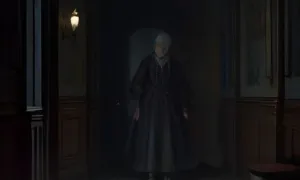
Příběh: Kostel Nalezení svatého Kříže (Robousy)
Bylo to v pondělí ráno, kdy Bartoloměj z Robousy se probudil s pocitem nemožnosti. Hřešil — nebo si aspoň tak myslel. Jako obchodník na trzích ukradl si pár …
Číst příběh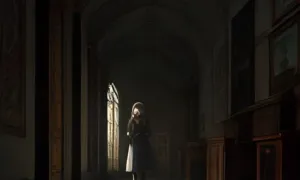
Pověst: Kostel Nalezení svatého Kříže (Robousy)
Traduje se v Robousích, že kostel na návrší byl po staletí zasvěcen tichému apoštolu Petrovi a že jeho zdi pamatovaly časy, kdy kraj procházela vojska jako p…
Číst příběhFotografie návštěvníků
Zatím žádné fotografie. Buďte první, kdo přidá fotografii z návštěvy!
Log in a přidejte svou fotografii nebo hodnoťte.
Za ověřenou návštěvu v aplikaci získáte víc bodů — poznáme podle GPS, že jste na místě.
Reviews and comments