






Kostel Nanebevzetí Panny Marie (Blatná) Church
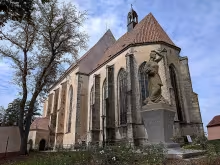
Kostel Nanebevzetí Panny Marie in Blatná is a Roman Catholic church renowned for its historical significance and architectural beauty. Located in the town of Blatná within Jihočeský kraj, this monument stands as a testament to both religious devotion and artistic evolution from the 13th to the 19th century. Originally constructed as a Romanesque structure around 1290 by Bavory ze Strakonic, it was later replaced by a Gothic edifice between 1444 and 1515 under the patronage of Lva z Rožmitálu. The church is recognized as a cultural monument of the Czech Republic, reflecting its importance in both religious and architectural history.
The origins of Kostel Nanebevzetí Panny Marie trace back to the late 13th century when Bavory ze Strakonic built the initial Romanesque church around 1290. This early structure laid the foundation for what would become a significant Gothic transformation initiated by Lva z Rožmitálu in the mid-15th century. The transition from Romanesque to Gothic architecture marked a period of religious and artistic flourishing, influenced by broader European trends during the Gothic era. By 1444, under Jaroslav Lev z Rožmitálu, significant progress was made on the presbytery, completed with contributions from master Staněk and his sons. The church's nave was finished in 1515, culminating in its consecration that same year.
Architecturally, Kostel Nanebevzetí Panny Marie showcases a blend of Romanesque and Gothic elements. The oldest part of the church is a Romanesque sacristy, which retains features from the original structure. The presbytery, completed by 1444, exhibits intricate details such as a three-field net vault with star-shaped closures dating back to 1442. This section also includes a shallow late-Gothic oratory adorned with richly carved stone parapets for organ placement. The nave features four fields of shallow ribbed vaulting known as diamond vaults, characterized by four-pointed stars typical of South Bohemian architecture. These elements are supported by slender columns and flat pilasters with capitals along the outer walls, creating a harmonious blend of structural integrity and aesthetic appeal.
Throughout its history, Kostel Nanebevzetí Panny Marie has seen various changes in ownership and administration. Initially built by Bavory ze Strakonic, it was later overseen by Lva z Rožmitálu and his son Zdeňek. The church underwent significant modifications in the 18th century under Alžběta Serényiová, who commissioned baroque alterations to the chapel of St. Michael, now known as the Chapel of the Holy Sepulchre. These changes reflect the evolving tastes and religious influences over the centuries.
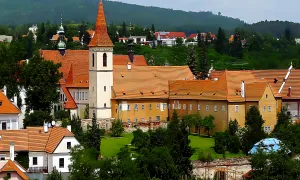
Key events in the church's history include its transformation from a Romanesque to a Gothic structure and subsequent stylistic modifications. A notable curiosity is the neo-Gothic bell tower constructed after a fire in the early 19th century, replacing an earlier baroque design by J. Spinetti. This tower not only serves as a striking architectural feature but also functions as an entrance to the cemetery surrounding the church.
Today, Kostel Nanebevzetí Panny Marie stands as a well-preserved example of Gothic architecture with Romanesque roots. Visitors can explore its rich history and intricate design elements, making it a worthwhile destination for those interested in cultural heritage and architectural evolution. The church's status as a protected cultural monument underscores its significance and invites exploration by both locals and tourists alike.
Kostel Nanebevzetí Panny Marie is more than just a historical site; it is a living testament to the artistic and religious fervor of past centuries. Its blend of Romanesque and Gothic styles offers a unique glimpse into the architectural transitions that have shaped its form over time. Visitors are encouraged to experience this remarkable monument, which continues to inspire awe with its enduring beauty and historical depth.
Then and now
Drag the slider to compare how the landmark may have looked when it was built with the view today.
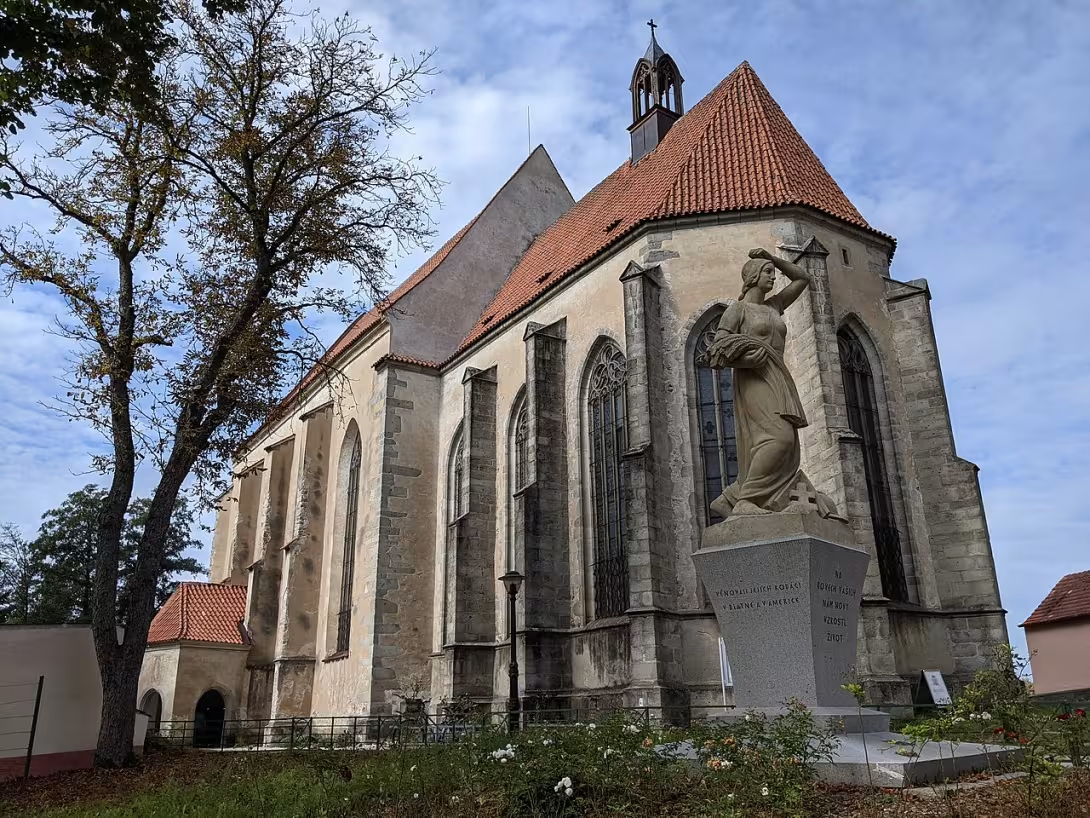
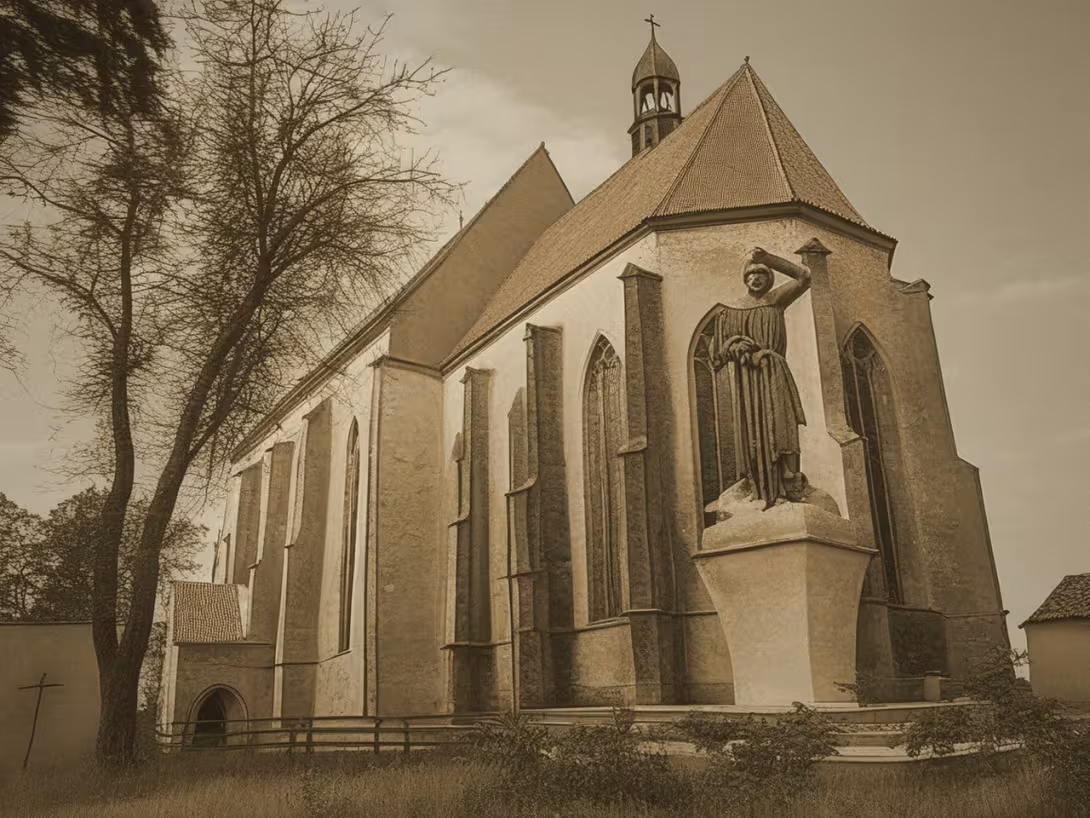
The historical appearance on the left is an AI-generated visualisation and serves as inspiration only.
Historical milestones
- 1290
- Construction of the original Romanesque church.
- 1444
- Beginning of Gothic reconstruction under Lva z Rožmitálu.
- 1515
- Completion and consecration of the nave.
Architectural development
The church's construction began in the mid-15th century under Lva z Rožmitálu, transitioning from a Romanesque to a Gothic style. The presbytery was completed by 1444 with contributions from master Staněk and his sons. In 1515, the nave was finished and consecrated. Over time, various parts of the church underwent stylistic changes, including baroque modifications in the 18th century.
Historical events
The original Romanesque church was constructed around 1290 by Bavory ze Strakonic.
The Gothic church was built between 1444 and 1515, replacing the earlier structure.
Points of interest
- The church's sacristy is the oldest part of Kostel Nanebevzetí Panny Marie and retains its Romanesque features, providing a rare glimpse into 13th-century architectural elements within a predominantly Gothic structure.
- One intriguing aspect of the presbytery is its three-field net vault with star-shaped closures from 1442, showcasing an intricate design that reflects the advanced craftsmanship typical of the late Gothic period in South Bohemia.
Guide
This guide is narrated by a synthetic voice generated by artificial intelligence.
Show guide text
This text was created by artificial intelligence and has not been editorially reviewed. It may contain inaccuracies.
Welcome to the historic Kostel Nanebevzetí Panny Marie in Blatná. As you stand before this magnificent structure, take a moment to absorb its grandeur and the stories it holds within its walls. This Roman Catholic church is not only a place of worship but also a testament to architectural evolution over centuries.
The journey of Kostel Nanebevzetí Panny Marie began in 1290 with the construction of an original Romanesque church. Over time, this structure was replaced by the current Gothic edifice between 1444 and 1515, under the guidance of Lva z Rožmitálu. This transformation marked a significant shift not only in architectural style but also in the cultural landscape of Blatná.
As you look around, notice how the church harmoniously blends its historical layers. The Gothic architecture dominates with its elegant lines and soaring heights, while the sacristy stands as a rare remnant of the original Romanesque design, offering a glimpse into 13th-century craftsmanship within this predominantly Gothic structure.
The church's presbytery is particularly fascinating, featuring a three-field net vault that adds to the intricate beauty of the interior. This architectural detail exemplifies the skill and artistry involved in its construction.
Throughout its history, Kostel Nanebevzetí Panny Marie has been closely associated with notable figures such as Jaroslav Lev z Rožmitálu, Zdeňek Lev z Rožmitálu, and Alžběta Serényiová. Their contributions have left an indelible mark on the church's legacy.
One intriguing aspect of this church is its resilience; after a devastating fire, the baroque tower was rebuilt in neo-Gothic style, showcasing the community's dedication to preserving their heritage.
As you continue your exploration, let yourself be drawn into the layers of history and artistry that Kostel Nanebevzetí Panny Marie offers. Each corner tells a story, each stone holds a memory. We invite you to delve deeper, discover more, and leave with a sense of connection to this remarkable place.
Thank you for joining us on this journey through time at Kostel Nanebevzetí Panny Marie. May your visit inspire curiosity and appreciation for the rich tapestry of history that surrounds us.
Tips for visitors
The best time to visit the Church of the Assumption of the Virgin Mary in Blatná is during late spring or early autumn. During these seasons, you can enjoy pleasant weather that enhances the experience of exploring its architectural beauty without the crowds typical of summer months. Additionally, the lighting conditions are ideal for photography, capturing the church's intricate details and surrounding landscape.
Parking and transportation options around Blatná are convenient. There is parking available near the village center, making it easy to access the church by car. For those preferring public transport, you can reach Blatná using regional buses; however, it’s advisable to check current schedules online or at local travel centers. Both modes of transportation offer a comfortable way to explore this historic site.
When visiting the Church of the Assumption of the Virgin Mary, consider bringing comfortable walking shoes and weather-appropriate clothing, as you may want to explore the surrounding area on foot. A camera is recommended for capturing the stunning architecture and serene landscapes. Additionally, carrying a small water bottle and some snacks can enhance your visit, especially if you plan to spend several hours exploring.
Photography enthusiasts will find several spots around the church ideal for capturing its beauty. The best light conditions are usually in the early morning or late afternoon when the sunlight gently illuminates the structure. Try photographing from the front entrance to capture the entire façade and from the side to highlight the Romanesque elements. Don’t forget to explore inside, where the interior offers unique angles and details.
For families with children visiting the Church of the Assumption of the Virgin Mary, Blatná provides a relaxing environment for exploration. Within 30 minutes’ drive, you can visit nearby attractions such as the Chateau in Český Krumlov or explore natural landscapes like the Blanský les forest area. These sites offer additional activities and sights that are enjoyable for both adults and children.
Businesses nearby
Do you run a restaurant, accommodation, shop, museum, rental, wellness or other visitor service near this monument? Show yourself directly to the people heading to it — this is how they will see you in the app and on the web:
Accommodation nearby
Themed route
Tematická výletní trasa: Kostel Nanebevzetí Panny Marie (Blatná)
1. Kostel Nanebevzetí Panny Marie (Blatná) - *Typ:* Historická památka - *Proč stojí za návštěvu:* Tento barokní kostel je nejvýraznější architektonickou památkou v obci Blatná. Jeho bohaté historie a umělecká hodnota přitahují milovníky dějin a kultury. Je známý svým půvabným interiérem a krásnými freskami, které zachycují pozornost návštěvníků.
2. Kaple Panny Marie Sněžné - *Typ:* Kaple - *Proč stojí za návštěvu:* Tato kaple je místo klidu a útulku, kde místní i návštěvníci hledají poklid. Je známá svou historií a architektonickým stylem, který představuje jedinečnou část kulturního dědictví obce Blatná.
3. Náves v centru Blatné - *Typ:* Městské náměstí - *Proč stojí za návštěvu:* Náves je srdcem místního života a nabízí pohled na tradiční architekturu obce. Je to ideální místo pro relaxaci, procházku nebo zastavení se v kavárně či restauraci, abyste si užili místní gastronomii a atmosféru.
4. Mikulášský kostel - *Typ:* Kostel - *Proč stojí za návštěvu:* Tento kostel je další historickou památkou v obci, která přitahuje svou architektonickou krásou a duchovním významem. Je součástí kulturního a duchovního života místní komunity.
Tato trasa nabízí návštěvníkům přehledný pohled na historické a kultuře bohaté místa v obci Blatná, umožňující prozkoumat jejich jedinečnost a dědictví.
Seasonal recommendations
Spring (March to May): The spring season at the Church of the Assumption of the Virgin Mary in Blatná is characterized by a vibrant display of blooming flora that adds a lush backdrop to the historical architecture, creating a picturesque atmosphere ideal for photography and leisurely exploration. The soft morning light enhances the church's intricate details, while the mild temperatures make it comfortable for visitors to stroll around the surrounding parkland. During this time, visitor numbers begin to increase as people take advantage of the pleasant weather, so arriving early can help avoid larger crowds. Dressing in layers is advisable due to fluctuating temperatures throughout the day.
Summer (June to August): Visiting the church during summer offers a lively experience with longer daylight hours that allow for extended exploration and appreciation of both the interior and exterior beauty of the site. The surrounding gardens are at their peak, adorned with colorful flowers and lush greenery, providing an idyllic setting for picnics or leisurely walks. However, this period also sees a significant increase in visitors, especially during weekends and holidays, so planning your visit early in the morning can help avoid the crowds. Comfortable walking shoes and light clothing are recommended due to the warmer temperatures.
Autumn (September to November): The autumn season brings a warm, golden hue to the landscape around the Church of the Assumption of the Virgin Mary, with trees displaying their rich fall colors that create a serene and contemplative atmosphere. The cooler weather makes for comfortable walking tours, while the shorter days mean visitors should plan their visits accordingly to make the most of daylight hours. This period tends to see fewer tourists compared to summer, offering a more tranquil experience. Layered clothing is advisable to accommodate varying temperatures throughout the day.
Winter (December to February): In winter, the church presents a stark yet majestic beauty with snow-covered surroundings that offer a unique and peaceful ambiance for visitors seeking solace or inspiration during the colder months. The shorter days necessitate earlier visits to fully appreciate both the interior artworks and exterior architecture before dusk. Visitor numbers are typically lower, providing a more intimate experience of this historic site. Due to the cold weather, it is essential to dress warmly in layers, including hats, gloves, and insulated footwear, while also being mindful of potential closures or limited hours during particularly harsh conditions.
Visualizations and artistic views


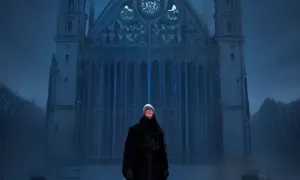
The visualisations are generated by artificial intelligence and serve as inspiration.
Photos from the area
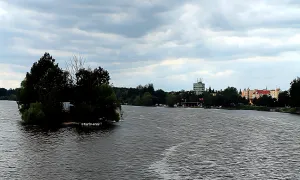
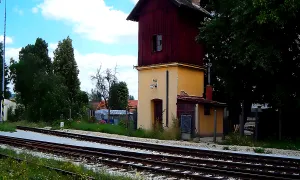
Real photos taken near the monument


Zdroj a licence jsou uvedeny u každého snímku.
Tips from visitors
No tips yet. Be the first!
Log in and add your tip.
Sources and literature
Fotografie: ABC2 / Public domain — Wikimedia Commons. The author and licence also appear when you hover over the image.
Faktickým podkladem tohoto textu byl článek na Wikipedii, jehož autory jsou přispěvatelé Wikipedie. Článek je dostupný pod licencí CC BY-SA 4.0.
Location on the map


Příběhy a pověsti
Legendy, pověsti a příběhy spjaté s touto památkou
Fotografie návštěvníků
Zatím žádné fotografie. Buďte první, kdo přidá fotografii z návštěvy!
Přihlaste se a přidejte svou fotografii nebo hodnoťte.
Za ověřenou návštěvu v aplikaci získáte víc bodů — poznáme podle GPS, že jste na místě.
Reviews and comments