






Kostel Nanebevzetí Panny Marie (Charvatce) Church
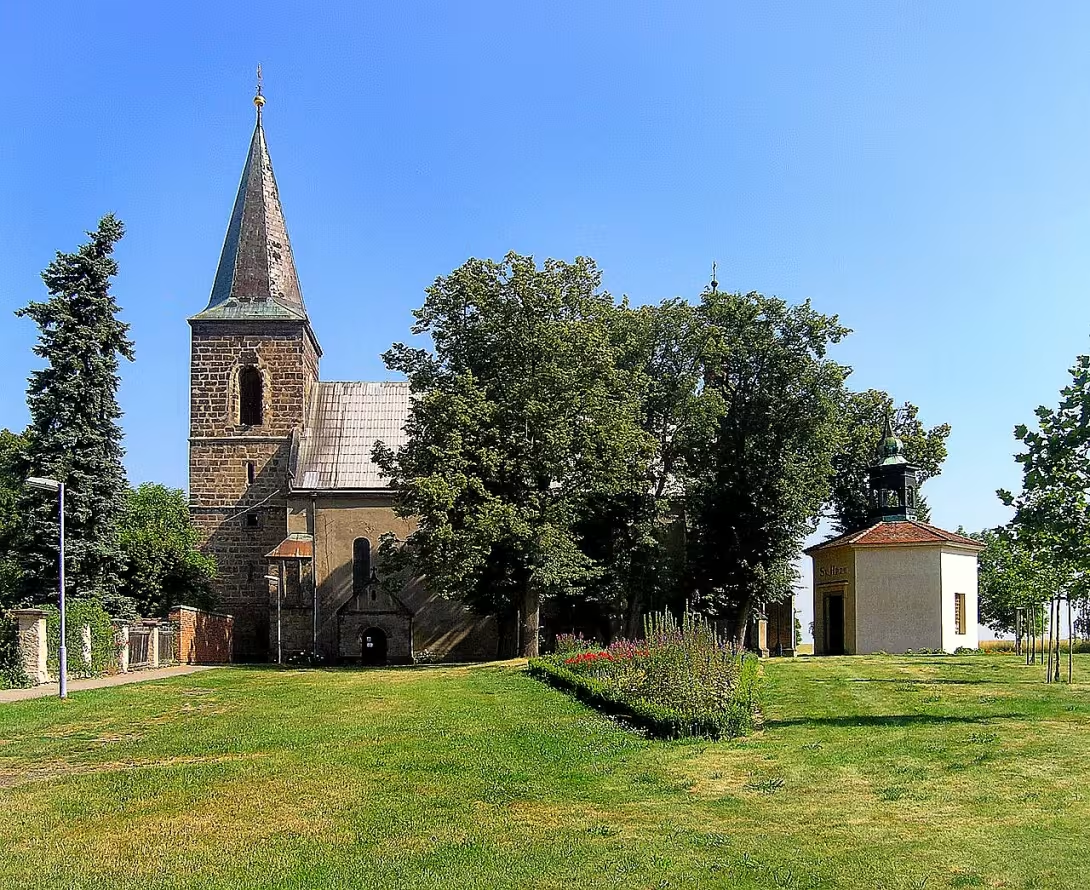
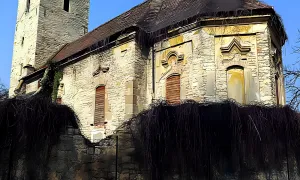
The Church of the Assumption of the Virgin Mary in Charvatce is a Roman Catholic sacred building with origins dating back to the early 13th century. Located in the village of Charvatce within the Martiněves district of Ústecký kraj, this church exemplifies architectural evolution from its Romanesque foundations through Gothic and Baroque influences. Notable for its historical significance, it was once part of the local parish until 2006 when it became integrated into the Roman Catholic parish of Budyně nad Ohří.
The origins of Kostel Nanebevzetí Panny Marie are rooted in the early 13th century, built upon Romanesque foundations. The first documented mention of this church dates back to 1352, indicating its longstanding presence and importance within the community. During the early 14th century, Bohemia was part of the Holy Roman Empire under King John of Luxembourg, a period marked by significant Gothic architectural developments across Europe that influenced structures like this church.
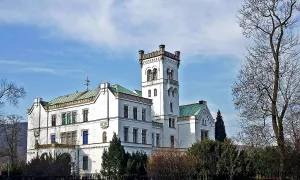
Architecturally, the church is predominantly Gothic, with an oblong nave constructed during the Romanesque period. Around 1380, in the 14th century, it underwent significant expansion with the addition of a western tower and an expansive eastern choir. The Baroque era brought further modifications, including interior changes and the addition of a sacristy. A regotizing restoration completed by Rudolf Vomáčka in 1897 restored many of its medieval Gothic elements, bringing it closer to its original appearance.
The church's exterior is constructed from sandstone blocks and largely plastered. It features a slightly oblong nave and presbytery with a five-sided closure, complemented by a sacristy on the north side and a small round tower housing stairs leading down. The western facade boasts a Gothic spire topped with a belfry and portal, while the eastern section includes a choir supported by seven buttresses. These elements are adorned with motifs such as flames, trefoils, quatrefoils, and cinquefoils, adding to its unique architectural blend.
Internally, the church's presbytery is vaulted with two fields of ribbed cross-vaulting and a star-shaped closure. The nave underwent Baroque modifications, retaining only the perimeter walls from its original Romanesque structure. Key features include a stone altar, pulpit, and entrance to the sacristy in the choir area, separated by a Baroque triumphal arch.
Today, Kostel Nanebevzetí Panny Marie stands as a historical monument reflecting centuries of architectural evolution and cultural significance. Its blend of Romanesque, Gothic, and Baroque elements offers visitors a glimpse into the rich history of the region. The church remains accessible to those interested in exploring its unique architecture and historical context, making it a worthwhile destination for anyone visiting the area.
Then and now
Drag the slider to compare how the landmark may have looked when it was built with the view today.
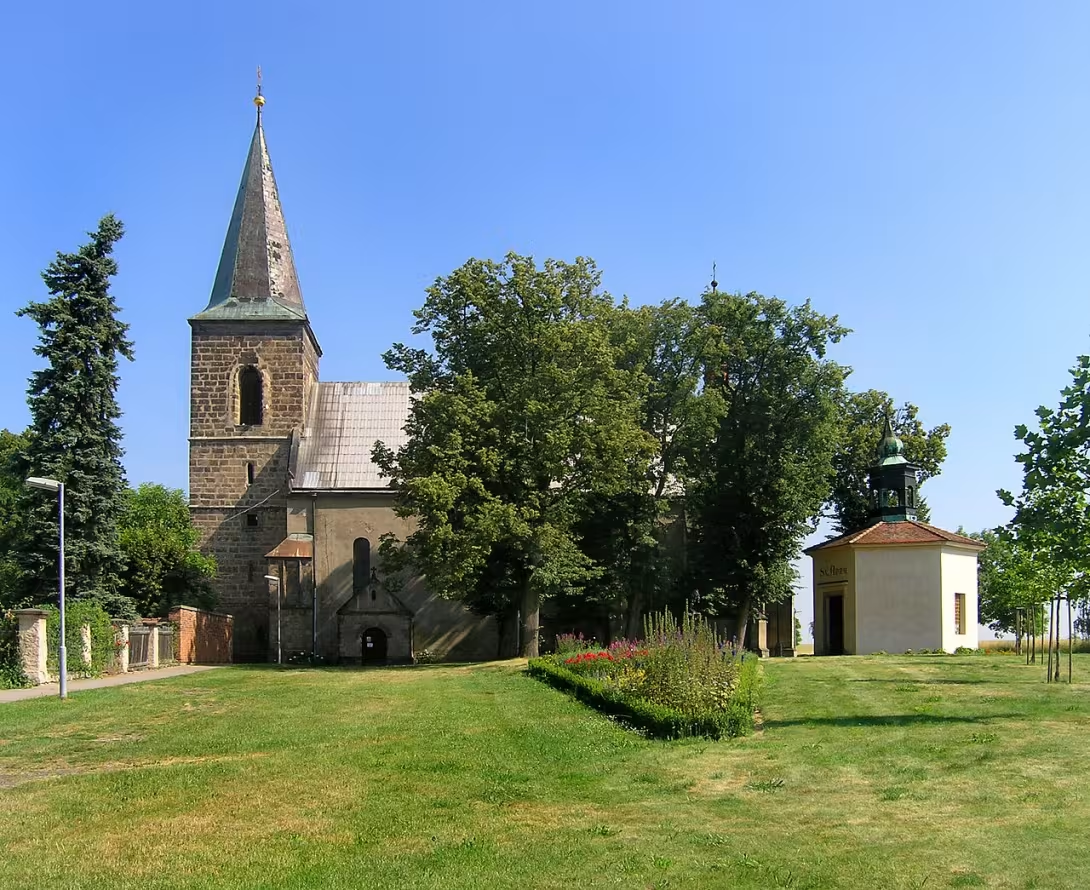
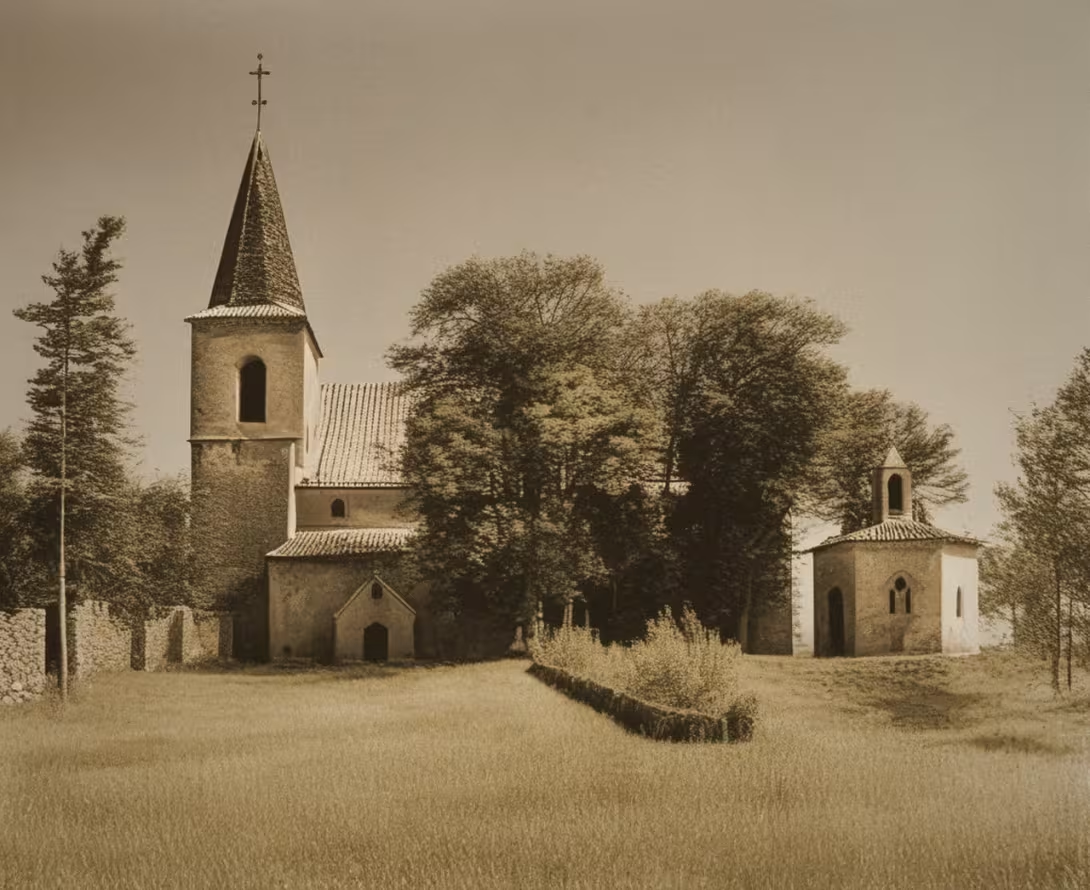
The historical appearance on the left is an AI-generated visualisation and serves as inspiration only.
Historical milestones
- 1352
- First written mention of the church.
- 1380
- Addition of a Gothic western tower and eastern choir.
- 1897
- Regotizing restoration by Rudolf Vomáčka.
Architectural development
The church's construction began on Romanesque foundations, with a significant Gothic expansion around 1380 that included the addition of a western tower and an expansive eastern choir. Baroque modifications introduced interior changes and added a sacristy. The regotizing restoration in 1897 by Rudolf Vomáčka brought it closer to its medieval appearance.
Historical events
First written mention in 1352.
Regotizing restoration completed by Rudolf Vomáčka in 1897.
Points of interest
- One lesser-known fact about Kostel Nanebevzetí Panny Marie is that it underwent a significant architectural transformation around 1380 when a western tower and an expansive eastern choir were added. This expansion reflects the Gothic architectural trends of the time, which emphasized verticality and light.
- A curious aspect of this church's history involves its integration into the Roman Catholic parish of Budyně nad Ohří in 2006. Before this change, it functioned as a local parish for centuries, highlighting its longstanding role within the community's spiritual life.
- Despite its predominantly Gothic architecture, Kostel Nanebevzetí Panny Marie retains elements from earlier periods, such as the Romanesque oblong nave. This blend of styles is further enriched by Baroque modifications made in later years, including interior changes and the addition of a sacristy.
- The church's exterior features motifs like flames, trefoils, quatrefoils, and cinquefoils adorning its buttresses. These decorative elements are not only aesthetically pleasing but also serve as historical markers of the artistic influences that shaped its design over centuries.
- An interesting legend tied to Kostel Nanebevzetí Panny Marie is related to Rudolf Vomáčka, who led a regotizing restoration in 1897. This project aimed to restore many medieval Gothic elements, and it's said that during the restoration, workers discovered hidden compartments within the walls containing old manuscripts detailing local legends and stories from centuries past.
Guide
This guide is narrated by a synthetic voice generated by artificial intelligence.
Show guide text
This text was created by artificial intelligence and has not been editorially reviewed. It may contain inaccuracies.
Welcome to the historic site of Kostel Nanebevzetí Panny Marie in Charvatce. As you stand before this majestic structure, take a moment to absorb its timeless presence—a testament to centuries of devotion and architectural evolution.
The origins of this sacred building trace back to the early 13th century, built upon Romanesque foundations that whisper tales of medieval craftsmanship. Over time, it embraced Gothic architecture, reflecting the era's penchant for height and light. The church has seen various modifications, including Baroque additions, but its most significant transformation occurred in 1897 with a regotizing restoration led by Rudolf Vomáčka.
As you gaze upon this architectural gem, notice how the western tower and eastern choir were added around 1380, embodying the Gothic style's vertical aspirations. The church's silhouette against the sky is a reminder of its historical journey through styles and centuries.
While specific architects remain unnamed, the spirit of those who contributed to its construction lives on in every stone and archway. This place has witnessed countless stories, from the quiet prayers of parishioners to the grand restorations that have preserved its beauty for future generations.
A lesser-known fact about Kostel Nanebevzetí Panny Marie is its architectural transformation around 1380 when a western tower and an expansive eastern choir were added. This expansion reflects the Gothic architectural trends of the time, emphasizing verticality and grandeur—a testament to the evolving artistic expressions of that era.
As you continue your exploration, let yourself be drawn into the rich tapestry of history woven into this sacred space. Each corner holds a story waiting to be discovered, inviting you to delve deeper into its past.
Thank you for visiting Kostel Nanebevzetí Panny Marie. We hope this experience has enriched your understanding and appreciation of its historical significance. May your journey through Charvatce continue with curiosity and wonder.
Businesses nearby
Do you run a restaurant, accommodation, shop, museum, rental, wellness or other visitor service near this monument? Show yourself directly to the people heading to it — this is how they will see you in the app and on the web:
Events nearby

Zdroj akcí: otevřená data měst a obcí ČR (Národní katalog otevřených dat) a kalendář akcí Národního památkového ústavu.
Accommodation nearby
Themed route
Thematic Tour Itinerary: Charvatce
1. Kostel Nanebevzetí Panny Marie (Charvatce) - Church Begin your journey at the heart of Charvatce with the stunning Kostel Nanebevzetí Panny Marie, a remarkable example of Baroque architecture. This church is not only an architectural gem but also holds significant historical value for the local community, making it a must-visit for anyone interested in religious and cultural heritage.
2. Local Cemetery - Historical Site A short walk from the church will lead you to the nearby cemetery, which serves as a poignant reminder of Charvatce's history. The gravestones and monuments here offer insights into the lives of past residents and reflect the community’s historical narrative over centuries.
3. Charvatce Village Square - Community Hub Continue your exploration by visiting the central village square in Charvatce. This area acts as a social and cultural hub, where you can experience local life and perhaps catch glimpses of traditional Czech festivities or markets. The square provides an excellent opportunity to appreciate the charm of rural Czech architecture.
4. Local Farmsteads - Cultural Experience Nearby farmsteads offer a glimpse into the agricultural traditions that have shaped Charvatce's way of life. These farms are not only significant for their contribution to local agriculture but also provide insights into traditional farming techniques and rural living in the Ústecký kraj region.
5. Walking Trail through Surrounding Fields - Nature Walk Conclude your visit with a leisurely walk along the trails that wind through the surrounding fields. This nature walk offers serene views of the countryside, allowing you to appreciate the natural beauty of the area while reflecting on the cultural and historical experiences encountered during your tour.
This itinerary provides a comprehensive exploration of Charvatce, focusing on its rich history, architecture, and community life.
Seasonal recommendations
Spring: Visiting the Church of the Assumption of the Virgin Mary in Charvatce during spring offers a rejuvenating experience as nature awakens around this historic site. The landscape is adorned with blooming flowers and lush greenery, creating a picturesque backdrop that enhances the church's architectural beauty. This time of year often sees moderate weather, making it ideal for exploring both indoor and outdoor spaces comfortably. Visitors should consider arriving early to avoid larger crowds drawn by the pleasant conditions and vibrant surroundings.
Summer: The summer months at Charvatce provide an opportunity to enjoy the Church of the Assumption of the Virgin Mary under clear skies and warm sunshine, which beautifully illuminates its historic architecture. This period often attracts more visitors due to favorable weather and longer daylight hours, making it a popular time for tourists. To fully appreciate your visit without the rush, plan to arrive early in the morning or later in the afternoon when the crowds tend to thin out. Lightweight, breathable clothing is recommended to stay comfortable during outdoor exploration.
Autumn: Autumn brings a unique charm to Charvatce with its warm hues and crisp air, offering an enchanting atmosphere around the Church of the Assumption of the Virgin Mary. The changing leaves create a stunning visual contrast against the church's historic facade, making it a perfect time for photography enthusiasts. As temperatures begin to drop, visitors should dress in layers to accommodate fluctuating weather conditions. While autumn is generally quieter than summer, weekends can still see an influx of tourists enjoying the seasonal beauty.
Winter: Winter at Charvatce transforms the Church of the Assumption of the Virgin Mary into a serene and mystical destination, with snow often adding a magical touch to its historic structure. The cooler temperatures and shorter days mean that visitors should plan their visit during daylight hours for optimal viewing conditions. It's advisable to wear warm clothing and comfortable footwear suitable for potentially snowy or icy paths. While winter may bring fewer tourists, the church might have reduced opening hours, so checking in advance is recommended.
Visualizations and artistic views


The visualisations are generated by artificial intelligence and serve as inspiration.
Photos from the area
Real photos taken near the monument


Zdroj a licence jsou uvedeny u každého snímku.
Tips from visitors
No tips yet. Be the first!
Log in and add your tip.
Sources and literature
Fotografie: Czech Wikipedia user Packa / CC BY-SA 3.0 — Wikimedia Commons. The author and licence also appear when you hover over the image.
Faktickým podkladem tohoto textu byl článek na Wikipedii, jehož autory jsou přispěvatelé Wikipedie. Článek je dostupný pod licencí CC BY-SA 4.0.
Location on the map

Příběhy a pověsti
Legendy, pověsti a příběhy spjaté s touto památkou
Příběh: Kostel Nanebevzetí Panny Marie (Charvatce)
Bylo to v pondělí ráno, kdy Martin zjistil, že jeho ruce se nemohou sám ovládat. Jak čelil obrovskému stolu v hnízdu svých praprababových potomků na okraji C…
Číst příběh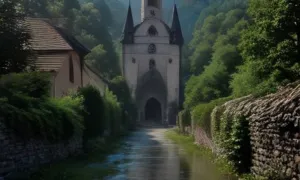
Pověst: Kostel Nanebevzetí Panny Marie (Charvatce)
Podle místní pověsti si starousedlíci v Charvatcích po celé generace šeptali o tajemném srdci svého kostela – o tom, že pískovcové kvádry, z nichž jsou zdi p…
Číst příběhFotografie návštěvníků
Zatím žádné fotografie. Buďte první, kdo přidá fotografii z návštěvy!
Přihlaste se a přidejte svou fotografii nebo hodnoťte.
Za ověřenou návštěvu v aplikaci získáte víc bodů — poznáme podle GPS, že jste na místě.
Reviews and comments