



Kostel Nanebevzetí Panny Marie (Lobkovice) Church
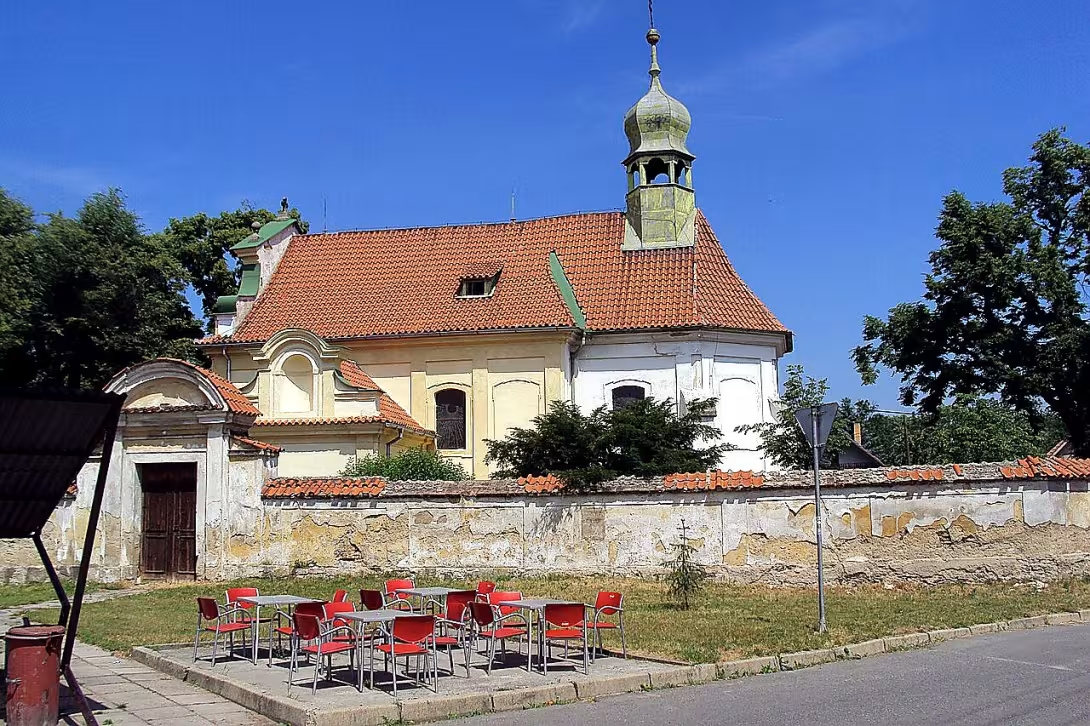
Kostel Nanebevzetí Panny Marie in Lobkovice is a cultural monument of the Czech Republic, known for its historical significance and architectural evolution. Situated within the Neratovice district of Středočeský kraj, this church dates back to the first half of the 14th century as an original Gothic structure. Over time, it underwent significant Baroque renovations around 1700, altering its appearance while retaining elements of its initial design. The church grounds also house the Palacký family tomb, where historian and politician František Palacký is buried, enhancing its historical importance.
The origins of Kostel Nanebevzetí Panny Marie trace back to when Bohemia was part of the Holy Roman Empire. During this period, Gothic architecture flourished across Europe, characterized by pointed arches and intricate stonework. The church likely replaced an earlier Romanesque building, reflecting architectural trends of its time. Its initial construction in the early 14th century marked it as a significant religious site within the community.
Architecturally, Kostel Nanebevzetí Panny Marie began as a Gothic structure with a single-nave design and a five-sided presbytery. A bell tower was added later, possibly replacing an original one. The Baroque renovations around 1700 significantly altered its appearance by introducing elements such as a sacristy and an entrance porch on the opposite side of the nave. Inside, the church features a Gothic sanctuary and wall seating in the presbytery, alongside a Baroque main altar from 1693 depicting the Assumption of the Virgin Mary.
The church grounds include a notable horticultural feature: the Palacký family tomb. Constructed in 1860 following Terezie Palacká's death, it was later expanded to honor František Palacký after his passing in 1876. The tomb features sculptures by J. Maixner from Vienna and includes portrait reliefs of both Palacký's parents, with additional ornamentation and inscriptions added over time.
Today, Kostel Nanebevzetí Panny Marie stands as a testament to architectural transitions from Gothic to Baroque styles. The church grounds, including the horticultural feature and the separate bell tower built in 1833, are protected as cultural heritage sites. Visitors can explore its historical significance, appreciating its role in both religious and local history.
Kostel Nanebevzetí Panny Marie is a site worth visiting for those interested in architectural evolution and Czech history. Its blend of Gothic origins and Baroque transformations offers insight into cultural shifts over centuries. The presence of the Palacký family tomb adds an intriguing historical layer, inviting visitors to reflect on the lives and contributions of notable figures associated with this monument.
Then and now
Drag the slider to compare how the landmark may have looked when it was built with the view today.
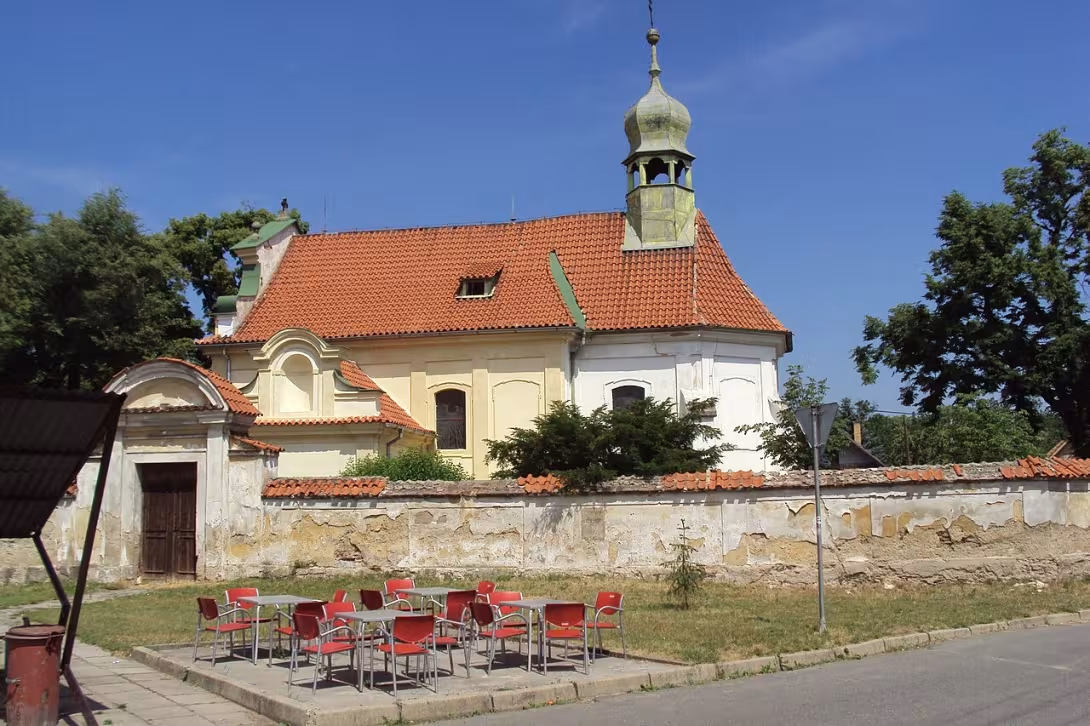
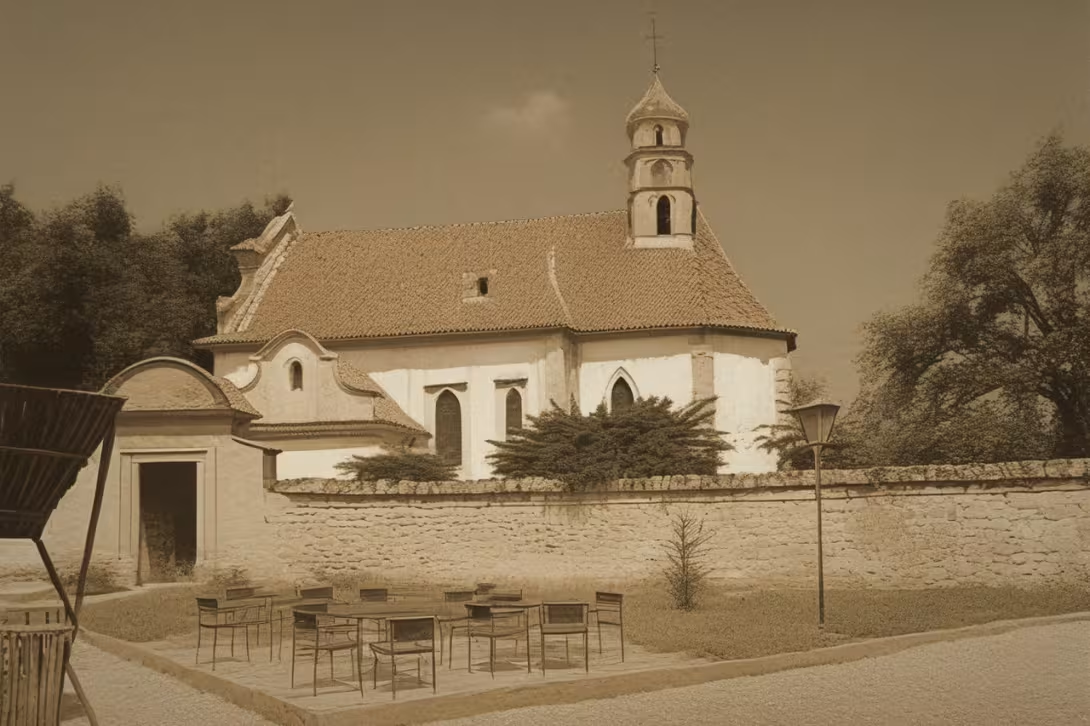
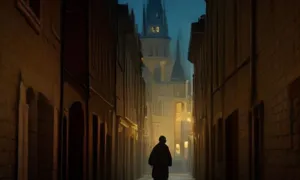
The historical appearance on the left is an AI-generated visualisation and serves as inspiration only.
Historical milestones
- kolem 1350
- Původní gotická stavba kostela.
- 1700
- Barokní renovace kostela.
- 1693
- Vytvoření hlavního oltáře barokního stylu.
- 1860
- Postavení hrobky rodiny Palackých.
- 1876
- Rozšíření hrobky pro Františka Palackého.
- 1833
- Postavení samostatné věže kostela.
Architectural development
Kostel Nanebevzetí Panny Marie began as a Gothic structure in the early 14th century. It likely replaced an earlier Romanesque building. The church features a single-nave design with a five-sided presbytery and a bell tower added later, possibly replacing an original tower. Baroque renovations around 1700 significantly altered its appearance, including the addition of a sacristy and entrance porch.
Historical events
The church was originally built in the first half of the 14th century as a Gothic structure.
In 1700, it underwent Baroque renovations altering its architectural style.
In 1860, the Palacký family tomb was constructed on the church grounds.
Points of interest
- The church's Gothic origins likely replaced an earlier Romanesque structure, reflecting the architectural transition of its time and the broader trend across Bohemia during the Holy Roman Empire.
- During its Baroque renovations in 1700, Kostel Nanebevzetí Panny Marie introduced a sacristy and an entrance porch on the opposite side of the nave, showcasing how religious buildings adapted to changing tastes while retaining core elements like the Gothic sanctuary.
- The bell tower, now separate from the main structure, was constructed in 1833, indicating that even centuries after its initial construction, the church continued to evolve architecturally with additions that responded to practical and aesthetic needs of later periods.
- The Palacký family tomb features sculptures by J. Maixner from Vienna, illustrating a connection between local heritage sites and broader European artistic influences during the 19th century.
- František Palacký, buried at the church grounds, was not only a historian but also played a pivotal role in Czech nationalism, making his tomb an important site for those interested in both Czech history and the development of national identity.
Guide
This guide is narrated by a synthetic voice generated by artificial intelligence.
Show guide text
This text was created by artificial intelligence and has not been editorially reviewed. It may contain inaccuracies.
Welcome to the historic Kostel Nanebevzetí Panny Marie in Lobkovice, a gem nestled within Středočeský kraj. As you stand here, take a moment to absorb the serene presence of this cultural monument that has stood witness to centuries of history and transformation.
Let's delve into its origins. The church was originally constructed as a Gothic structure in the first half of the 14th century, around 1350. It likely replaced an earlier Romanesque building, reflecting the architectural evolution prevalent across Bohemia during this era under the Holy Roman Empire. This transition marked a significant phase in regional architecture, showcasing intricate designs and structural innovations.
As you look at the church now, notice its single-nave design with a distinctive five-sided presbytery. The bell tower, added later, stands as a testament to the evolving needs of the community it served. Around 1700, the church underwent significant Baroque renovations that introduced new elements such as a sacristy, enhancing both its functionality and aesthetic appeal.
The church is not just an architectural marvel but also holds deep historical significance due to its association with František Palacký, a prominent Czech historian and politician. In 1860, the family tomb of the Palackýs was erected here, later expanded in 1876 to include František himself. This connection adds layers of cultural richness to your visit.
One intriguing aspect of this church is its layered history. The Gothic origins suggest a narrative of transformation from an earlier Romanesque structure, mirroring broader architectural trends across Bohemia during the medieval period. Such transitions were not merely about aesthetics but also reflected shifts in religious and social paradigms.
As you continue your exploration, take time to appreciate these historical narratives woven into every stone of this church. Each element tells a story, from its foundational Gothic roots to its Baroque embellishments, all while standing as a silent guardian of the past.
We invite you to linger a little longer, perhaps wander around and let the tranquility of Lobkovice envelop you. There's much more to discover here, stories waiting just beneath the surface for those curious enough to seek them out. Thank you for joining us on this journey through time at Kostel Nanebevzetí Panny Marie.
Tips for visitors
The best time to visit the Church of the Assumption of the Virgin Mary in Lobkovice is during late spring or early autumn. During these seasons, the weather is typically pleasant, which enhances your experience as you explore the church's Gothic architecture and serene surroundings. Additionally, visiting outside of peak tourist season can provide a more tranquil atmosphere, allowing for a deeper appreciation of this cultural monument.
The area is accessible by both car and public transport. It's advisable to check current routes and schedules via a travel planner or the official website of the church for the most up-to-date information.
When planning your visit, consider bringing comfortable walking shoes as exploring historical sites often involves walking on uneven surfaces. A camera is also recommended to capture the stunning architecture and picturesque views around the church. Since specific lighting conditions can vary, early morning or late afternoon visits are ideal for photography, offering softer light that enhances the details of the Gothic structures.
For families with children visiting Lobkovice, there are several engaging activities nearby within a 30-minute drive. Exploring the natural landscapes and parks around Středočeský kraj can be both fun and educational for kids. These areas often provide opportunities for outdoor play and learning about local flora and fauna. Additionally, the tranquil setting of Lobkovice itself offers a peaceful environment where families can enjoy quality time together.
Frequently asked questions
Can the monument be visited?
Religious buildings are usually open mainly during services; at other times a visit is normally arranged with the parish or the operator. We have not verified specific times.
Where is the monument?
Location: Palackého, Lobkovice, Neratovice, Středočeský kraj. The map on this page shows the exact spot.
Why is the monument protected?
It is listed in the Central List of Cultural Monuments of the Czech Republic as a cultural monument (register no. 25845/2-1395).
Businesses nearby
Do you run a restaurant, accommodation, shop, museum, rental, wellness or other visitor service near this monument? Show yourself directly to the people heading to it — this is how they will see you in the app and on the web:
Accommodation nearby
Trips and activities nearby
Guided tours, tickets and activities nearby from GetYourGuide
Affiliate link: if you buy from the partner, we may receive a commission. The price for you does not change.
Search tours and activities →Themed route
Thematic Walking Tour: Lobkovice and its Surroundings
1. Kostel Nanebevzetí Panny Marie (Lobkovice) - Church Begin your journey at the heart of Lobkovice with the stunning Kostel Nanebevzetí Panny Marie. This church is a remarkable example of Baroque architecture, featuring intricate details and beautiful frescoes. It stands as a testament to the region's rich cultural heritage and offers visitors an opportunity to appreciate its serene atmosphere and historical significance.
2. Lobkovice Village Square - Historic Center After exploring the church, take a leisurely walk through the charming village square of Lobkovice. This area is perfect for soaking in the quaint ambiance of this small community. The square provides insight into traditional Czech village life, with its well-preserved buildings and inviting atmosphere that reflect centuries-old traditions.
3. Local Farmsteads - Agricultural Heritage Continue your tour by visiting some local farmsteads around Lobkovice. These farms offer a glimpse into the rural lifestyle and agricultural practices of the region. They are an excellent opportunity to learn about traditional farming techniques and perhaps even sample some locally produced goods, such as cheese or honey.
4. Lobkovice Cemetery - Historical Landmark Conclude your tour at the Lobkovice cemetery, which serves not only as a resting place but also as a historical landmark. The cemetery is home to several notable graves that tell stories of the village's past residents and their contributions to local history. It provides a peaceful setting for reflection on the community's heritage.
This thematic walking tour offers a comprehensive exploration of Lobkovice, highlighting its architectural beauty, cultural traditions, agricultural roots, and historical significance.
Seasonal recommendations
Spring: The spring season at the Church of the Assumption of the Virgin Mary (Lobkovice) is marked by a gentle awakening of nature surrounding this historic site. As the snow melts and the landscape begins to bloom, soft pastel colors bring new life to the area, creating an idyllic setting for visitors. This time of year offers a serene atmosphere with fewer crowds, allowing for a more intimate exploration of the church's architectural details. Practical advice for spring includes wearing layers as temperatures can fluctuate and carrying an umbrella or raincoat due to unpredictable showers. Visiting in late morning is ideal when the sunlight enhances the beauty of both the church and its surroundings.
Summer: Summer at Lobkovice brings vibrant energy with longer daylight hours, making it perfect for exploring the Church of the Assumption of the Virgin Mary. The lush greenery and blooming flowers create a picturesque backdrop that complements the historic architecture beautifully. This is also the peak tourist season, so expect larger crowds and plan accordingly by arriving early to enjoy the site in relative tranquility. Comfortable walking shoes are recommended due to the extensive grounds, and light clothing will help keep you cool during your visit. Don't forget sunscreen and a hat for protection against the sun.
Autumn: Autumn transforms Lobkovice into a tapestry of warm hues as leaves change color around the Church of the Assumption of the Virgin Mary. This season offers a unique charm with its crisp air and golden landscapes, providing an enchanting atmosphere for visitors. The cooler temperatures make it ideal for leisurely strolls through the area, and the reduced tourist numbers mean you can explore at your own pace. Dress in layers to adjust to varying temperatures throughout the day, and consider bringing a light jacket as evenings can become quite chilly.
Winter: Winter envelops Lobkovice in a serene blanket of snow, casting a magical glow over the Church of the Assumption of the Virgin Mary. The church's architecture is particularly striking against the stark winter landscape, offering a picturesque scene for photography enthusiasts and those seeking peace away from bustling tourist spots. Due to shorter daylight hours and potential closures during extreme weather, it’s advisable to check opening times in advance and plan your visit accordingly. Dress warmly with layers, including a coat, hat, gloves, and waterproof boots to ensure comfort while exploring the historic site in this tranquil season.
Visualizations and artistic views


The visualisations are generated by artificial intelligence and serve as inspiration.
Photos from the area
Real photos taken near the monument


Zdroj a licence jsou uvedeny u každého snímku.
Tips from visitors
No tips yet. Be the first!
Log in and add your tip.
Sources and literature
Photos: Zákupák / Public domain — Wikimedia Commons. The author and licence also appear when you hover over the image.
Faktickým podkladem tohoto textu byl článek na Wikipedii, jehož autory jsou přispěvatelé Wikipedie. Článek je dostupný pod licencí CC BY-SA 4.0.
Location on the map





Příběhy a pověsti
Legendy, pověsti a příběhy spjaté s touto památkou
Fotografie návštěvníků
Zatím žádné fotografie. Buďte první, kdo přidá fotografii z návštěvy!
Log in a přidejte svou fotografii nebo hodnoťte.
Za ověřenou návštěvu v aplikaci získáte víc bodů — poznáme podle GPS, že jste na místě.
Reviews and comments