






Kostel Nanebevzetí Panny Marie (Mukařov) Church
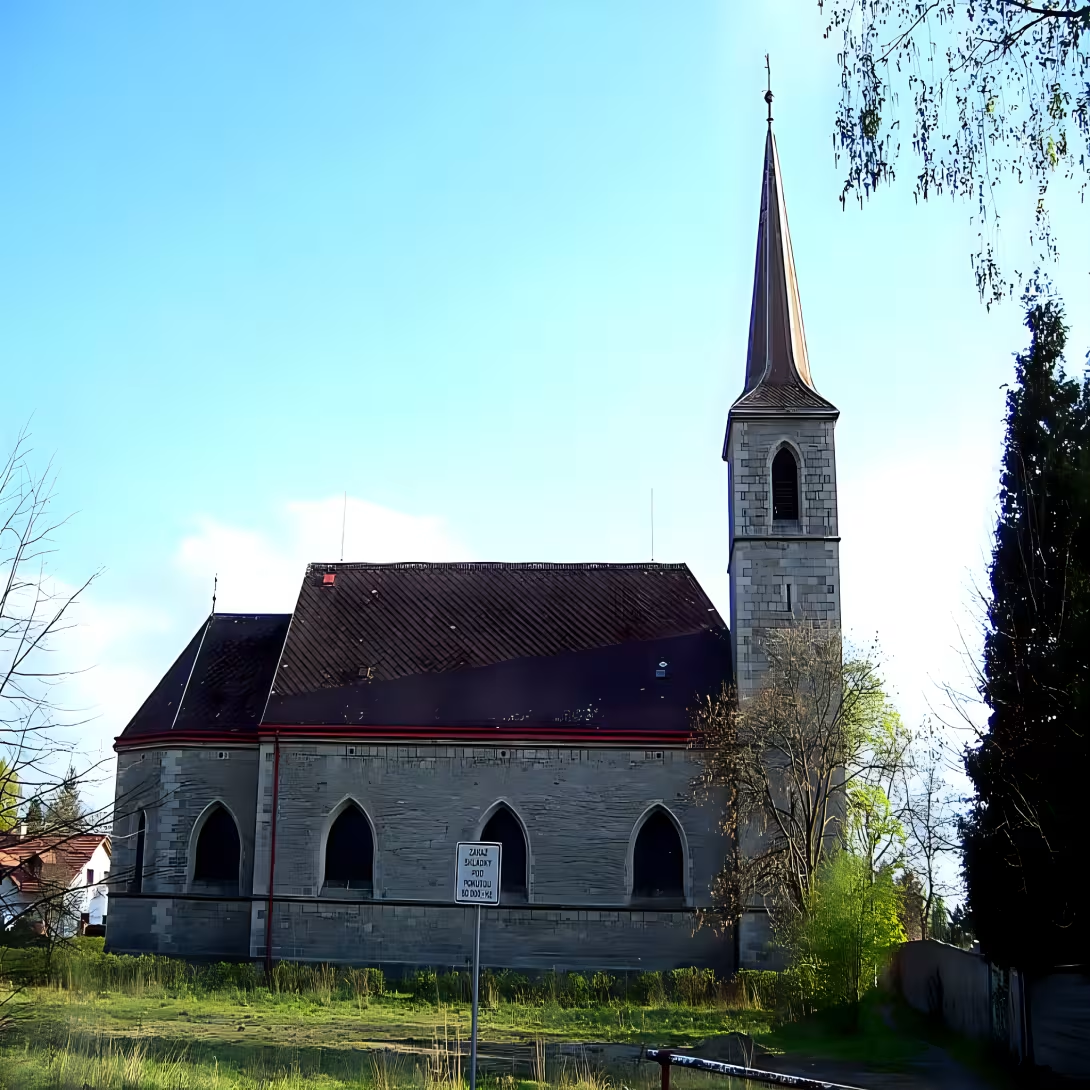
Kostel Nanebevzetí Panny Marie in Mukařov is a neo-Gothic filial church located in the Středočeský kraj region of the Czech Republic. This monument exemplifies the transition from medieval Gothic to neo-Gothic styles, reflecting broader European trends during the late 19th century. The church holds historical significance due to its long-standing presence and evolution over centuries.
The origins of Kostel Nanebevzetí Panny Marie trace back to the 14th century when it was first documented in 1318 as a Gothic church dedicated to the Virgin Mary. Over time, ownership changed hands, with notable associations including the Mühlhausen family in 1402 and later the Augustinian canons of Prague. Following the Battle of White Mountain in 1620, the church became part of the Řičany parish under the Smiřice family and Albrecht von Wallenstein. By 1754, Marie Therese Savojská integrated it into the Řičany parish. Due to deterioration by 1890, the original medieval structure was demolished, leading to the construction of the current neo-Gothic building between 1890 and 1893.
Architecturally, the original church featured a rectangular layout with a polygonal presbytery, adorned with frescoes that suggested it was once richly decorated. The new neo-Gothic structure reflects its era's stylistic elements, featuring symmetrical windows, a polygonal presbytery, and a bell tower. Notably, two windows in the presbytery were donated by Prince Jan II of Liechtenstein, adding to the church's historical richness.
Throughout its history, Kostel Nanebevzetí Panny Marie has seen various owners and administrators, reflecting broader socio-political shifts. The church was consecrated on August 13, 1893, by auxiliary bishop Ferdinand Jan Nepomucký Kalous, marking a significant moment in its history.
Today, the church remains an important cultural and historical site. It is under the administration of the Říčany parish, having been transferred from being a local parish church in 2009. Restoration efforts between 2007 and 2009 ensured that its interior was preserved for future generations to appreciate. Visitors can explore this monument to experience a piece of Czech history and architectural evolution.
Kostel Nanebevzetí Panny Marie is not only a place of worship but also a symbol of historical continuity and cultural heritage. Its rich past and architectural beauty make it a worthwhile visit for anyone interested in exploring the layers of Bohemian history.
Then and now
Drag the slider to compare how the landmark may have looked when it was built with the view today.
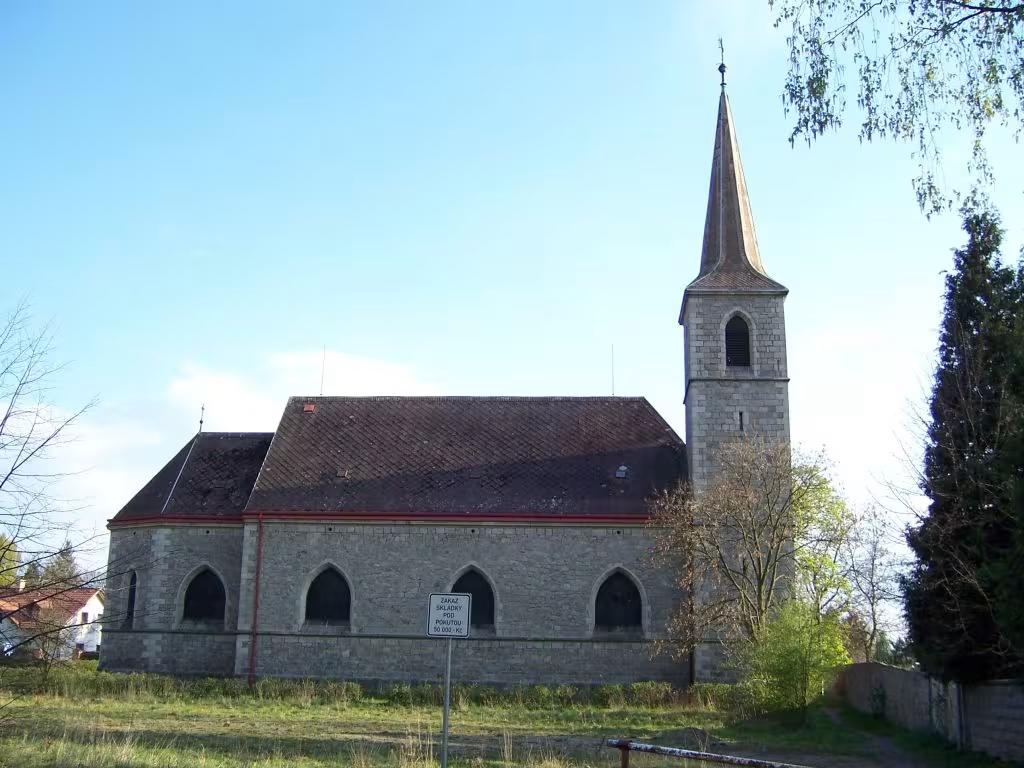

The historical appearance on the left is an AI-generated visualisation and serves as inspiration only.
Historical milestones
- 1318
- The church is first documented as a Gothic church.
- 1402
- Ownership transferred to the Mühlhausen family.
- 1620
- After the Battle of White Mountain, it was annexed to the Říčany parish.
- 1754
- Maria Theresa of Savoy integrated the church into the Říčany parish.
- 1890
- Demolition of the original Gothic church due to dilapidation.
- 1893
- The church was consecrated by auxiliary bishop Ferdinand Jan Nepomucký Kalous.
Architectural development
The original church from the 14th century featured a rectangular layout with a polygonal presbytery. It had a tower and was adorned with frescoes. The new neo-Gothic structure, built between 1890 and 1893, features symmetrical windows, a polygonal presbytery, and a bell tower, reflecting the stylistic elements of its era.
Historical events
First documented mention in 1318 as a Gothic church dedicated to the Virgin Mary.
In 1890, due to deterioration, the original medieval structure was demolished and replaced with the current neo-Gothic building.
Owners
The original church was associated with various owners including the Mühlhausen family in 1402 and later the Augustinian canons of Prague. After the Battle of White Mountain in 1620, it became part of the Řičany parish under the Smiřice family and Albrecht von Wallenstein. In 1754, Marie Therese Savojská integrated it into the Řičany parish.
Points of interest
- The church's transition from a Gothic to a neo-Gothic structure reflects the broader European architectural trends of the late 19th century, illustrating how local buildings adapted to continental influences.
- In its early history, Kostel Nanebevzetí Panny Marie was associated with the Mühlhausen family in 1402 and later the Augustinian canons of Prague, indicating its importance within regional religious networks during medieval times.
- Following the Battle of White Mountain in 1620, the church became part of the Řičany parish under the Smiřice family and Albrecht von Wallenstein, linking it to significant historical figures and events that shaped Bohemia's socio-political landscape.
- Two windows in the presbytery were donated by Prince Jan II of Liechtenstein, adding a layer of aristocratic patronage and highlighting connections between local religious sites and European nobility.
- The church was consecrated on August 13, 1893, by auxiliary bishop Ferdinand Jan Nepomucký Kalous, marking an important ecclesiastical event that underscored its spiritual significance in the region.
Guide
This guide is narrated by a synthetic voice generated by artificial intelligence.
Show guide text
This text was created by artificial intelligence and has not been editorially reviewed. It may contain inaccuracies.
Welcome to the historic site of Kostel Nanebevzetí Panny Marie in Mukařov, a remarkable testament to architectural evolution and cultural history nestled in the Středočeský kraj region. As you stand here, take a moment to absorb the serene presence of this neo-Gothic church that has gracefully replaced its 14th-century predecessor due to deterioration.
The story of this sacred site begins as early as 1318 when it was first documented as a Gothic church. Over the centuries, Kostel Nanebevzetí Panny Marie witnessed significant transitions in ownership and purpose. By 1402, the church came under the stewardship of the Mühlhausen family, marking an era that would see its fortunes intertwined with regional history. The aftermath of the Battle of White Mountain in 1620 brought another shift when it was annexed to the Řičanská farnost, and later in 1754, Empress Maria Theresa Savoy integrated it further into this parish.
The turn of the 19th century marked a pivotal moment for Kostel Nanebevzetí Panny Marie. In 1890, the original Gothic structure was demolished due to its deteriorated state. Between 1890 and 1893, the church you see today rose from its ashes, embodying neo-Gothic architectural elements that reflect broader European trends of that era.
Now, as you look around, notice how the neo-Gothic style is evident in the church's design, with its pointed arches and intricate detailing. While specific architects remain unknown, their vision brought this structure to life, bridging medieval Gothic traditions with late 19th-century architectural innovations.
Kostel Nanebevzetí Panny Marie holds stories of notable figures such as Jan II. z Lichtenštejna, whose influence is woven into its historical fabric. These connections add layers of depth and intrigue to your visit, inviting you to ponder the lives that once intersected with this sacred space.
One fascinating aspect of Kostel Nanebevzetí Panny Marie is its architectural transition from Gothic to neo-Gothic—a reflection of how local buildings adapted to continental influences. This evolution not only highlights changes in style but also symbolizes a broader narrative of cultural and historical shifts within Europe.
As you continue your exploration, let the atmosphere of this place inspire you to delve deeper into its history and significance. Kostel Nanebevzetí Panny Marie is more than just an architectural marvel; it's a portal to understanding the past. Thank you for visiting, and we invite you to immerse yourself further in the stories that surround this beautiful church.
Tips for visitors
The best time to visit the Church of the Assumption of the Virgin Mary in Mukařov is during late spring or early autumn. During these months, you'll enjoy mild weather and beautiful natural surroundings that enhance the neo-Gothic architecture's charm. Additionally, visiting outside peak tourist seasons ensures a more tranquil experience, allowing for better appreciation of the church's intricate details.
The area is accessible by both car and public transport. For those using public transport, ensure to verify current routes and schedules through a reliable transportation app or website.
When visiting the Church of the Assumption of the Virgin Mary, consider bringing comfortable walking shoes, as you may want to explore the surrounding area. A camera is recommended to capture the architectural beauty, especially during golden hour when the sunlight enhances the church's neo-Gothic features. Additionally, carrying a light jacket or sweater can be useful due to varying weather conditions.
Photography enthusiasts will find several spots around the church ideal for capturing its beauty. The best lighting occurs in the early morning or late afternoon when the sun casts soft shadows on the structure. Try photographing from different angles and distances to fully appreciate the intricate details of the neo-Gothic design. Be mindful of any photography restrictions that might be in place.
For families with children, Mukařov offers a peaceful environment for exploration. While there may not be specific attractions within immediate proximity, the surrounding countryside provides opportunities for leisurely walks and picnics. Ensure to bring snacks or a packed lunch if planning an extended visit. Engaging children with stories about the church's history can make the experience more enriching.
Frequently asked questions
Can the monument be visited?
Religious buildings are usually open mainly during services; at other times a visit is normally arranged with the parish or the operator. We have not verified specific times.
Where is the monument?
Location: Mukařov, Středočeský kraj. The map on this page shows the exact spot.
Why is the monument protected?
It is listed in the Central List of Cultural Monuments of the Czech Republic as a cultural monument (register no. 38089/2-4136).
Businesses nearby
Do you run a restaurant, accommodation, shop, museum, rental, wellness or other visitor service near this monument? Show yourself directly to the people heading to it — this is how they will see you in the app and on the web:
Events nearby
Zdroj akcí: otevřená data měst a obcí ČR (Národní katalog otevřených dat) a kalendář akcí Národního památkového ústavu.
Accommodation nearby
Trips and activities nearby
Guided tours, tickets and activities nearby from GetYourGuide
Affiliate link: if you buy from the partner, we may receive a commission. The price for you does not change.
Search tours and activities →Themed route
Thematic Vlog Tour: Mukařov and the Church of the Assumption of the Virgin Mary
1. Church of the Assumption of the Virgin Mary (Mukařov) - Type: Historical Landmark, Religious Site - Why Visit: This stunning Baroque church is a centerpiece of spiritual life in Mukařov and offers visitors a glimpse into the region's rich religious history. Its intricate architecture and serene atmosphere make it an ideal starting point for exploring the area.
2. Local Cemetery (Mukařov) - Type: Historical Site - Why Visit: Located near the church, this cemetery is not only a resting place but also a historical record of Mukařov's past residents. The well-preserved gravestones and monuments provide insight into local history and genealogy.
3. Mukařov Village Square - Type: Cultural Site - Why Visit: A short walk from the church, the village square is a charming spot that reflects traditional Czech rural life. It's perfect for experiencing local culture, perhaps enjoying a coffee at one of the nearby cafes or simply relaxing in this picturesque setting.
4. Mukařov Historical Museum (Hypothetical) - Type: Cultural Site - Why Visit: If available within the village, this museum would offer exhibits on Mukařov's history and heritage. It provides a deeper understanding of the area’s development over time through artifacts and displays.
This tour offers a comprehensive look at Mukařov's cultural and historical treasures, starting with its iconic church and extending into the heart of the village.
Seasonal recommendations
Spring: Visiting the Church of the Assumption of the Virgin Mary in Mukařov during spring offers a unique blend of natural beauty and serene atmosphere. The surrounding landscape bursts into life with vibrant wildflowers, and fresh greenery cloaks the historic church, creating an idyllic setting for photography enthusiasts. The gentle warmth of the season encourages longer daylight hours, perfect for exploring the area at your leisure. However, be mindful that springtime can bring unpredictable weather; it's wise to dress in layers and carry a light raincoat or umbrella. While visitor numbers may start to increase as people seek outdoor activities after winter, arriving earlier in the day can help you avoid larger crowds.
Summer: Summer is an ideal time to visit Mukařov’s Church of the Assumption, with its lush surroundings offering a picturesque backdrop for your exploration. The warm weather and extended daylight hours make it perfect for leisurely strolls around the church grounds. However, this season often attracts more visitors, especially during peak tourist times, so consider visiting early in the morning or later in the afternoon to avoid crowds. Dress comfortably in light clothing, and don’t forget sunscreen and a hat to protect against the sun. The vibrant atmosphere is enhanced by the lively nature around you, making it an enchanting time for both relaxation and exploration.
Autumn: Autumn brings a stunning display of colors as the leaves around Mukařov’s Church of the Assumption turn into shades of gold, amber, and red. This season offers a tranquil and atmospheric setting that is perfect for photography or simply enjoying the natural beauty. The cooler temperatures are ideal for comfortable walking tours without the summer heat. While visitor numbers tend to decrease compared to summer, it's still advisable to arrive early in the day to fully enjoy the peaceful ambiance. Dressing warmly with layers will ensure you remain comfortable as the days grow shorter and the air becomes crisp.
Winter: The winter season transforms Mukařov’s Church of the Assumption into a serene and magical destination, especially if snow blankets the landscape. The church takes on an ethereal quality against the white backdrop, creating a picturesque scene that is particularly enchanting during sunrise or sunset. However, be prepared for shorter visiting hours due to reduced daylight and potential closures from inclement weather. It's essential to dress warmly in layers, including a coat, hat, gloves, and sturdy boots, as temperatures can drop significantly. While fewer visitors might mean less crowd congestion, it’s important to check the church’s opening times in advance, as they may vary during this season.
Visualizations and artistic views


The visualisations are generated by artificial intelligence and serve as inspiration.
Photos from the area
Real photos taken near the monument


Zdroj a licence jsou uvedeny u každého snímku.
Tips from visitors
No tips yet. Be the first!
Log in and add your tip.
Sources and literature
Photos: Mirekk / CC BY 3.0, rozlišení zvýšeno umělou inteligencí — Wikimedia Commons. The author and licence also appear when you hover over the image.
Faktickým podkladem tohoto textu byl článek na Wikipedii, jehož autory jsou přispěvatelé Wikipedie. Článek je dostupný pod licencí CC BY-SA 4.0.
Location on the map



Příběhy a pověsti
Legendy, pověsti a příběhy spjaté s touto památkou

Fotografie návštěvníků
Zatím žádné fotografie. Buďte první, kdo přidá fotografii z návštěvy!
Log in a přidejte svou fotografii nebo hodnoťte.
Za ověřenou návštěvu v aplikaci získáte víc bodů — poznáme podle GPS, že jste na místě.
Reviews and comments