



Kostel Nanebevzetí Panny Marie v Klecanech Church
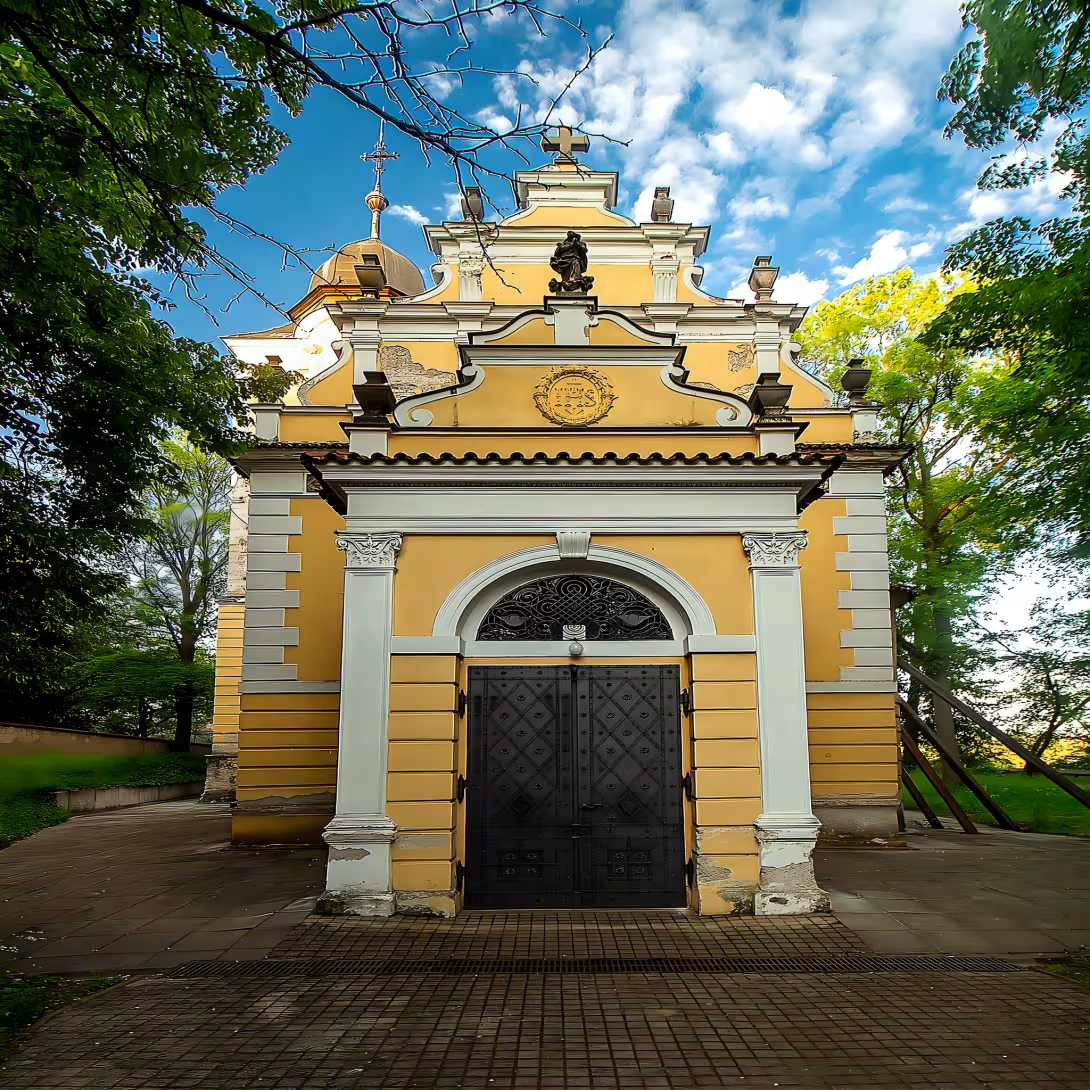
Kostel Nanebevzetí Panny Marie v Klecanech is a Roman Catholic parish temple built in the northern part of the village near the chateau. The long history of the building and the personality associated with it makes it a place worthy of visiting both believers and interested in Czech sacral architecture.
The church dates back to the 14th century when it was built in a Gothic style. During the Thirty Years' War, however, construction suffered serious damage. Restoration came only in the 18th century, when in 1748-1749 the church was rebuilt in Baroque form. At the end of the 19th century, namely in 1889-1892, he underwent another significant reconstruction in the pseudorenesance style.
The name of Czech writer Václav Beneš Třebízský, who worked here as chaplain in 1876-1884, is permanently associated with the church. This stay and its influence on the local community were later commemorated by two monuments - the work of sculptor Josef Václav Mysbek from 1894 and the work of Ladislav Šaloun from 1898. A memorial hall was set up in his honor at the rectory.
Original art interior decoration was stolen over time and later replaced by modern copies. The church had a complex reconstruction in 1973, when its total repair took place including the connection of electrification. The interesting elements of the complex are two statues before the entrance: a column with a statue of St. Wenceslas from the second half of the 17th century, which was transported to Klecan from the nearby Overthinking in 1896, and a Baroque statue of St. John Nepomuk from the first quarter of the 18th century.
As of 1 January 2006, the Klecan parish was abolished and joined to the parish in Odolena Voda, which was simultaneously transferred from the vicariate of Podřipský to the IV. of Prague. Although the pastoral status of the church has changed, it remains an important part of the spiritual life of the village and a testament to the transformation of the sacral building from the Middle Ages to the present.
Then and now
Drag the slider to compare how the landmark may have looked when it was built with the view today.
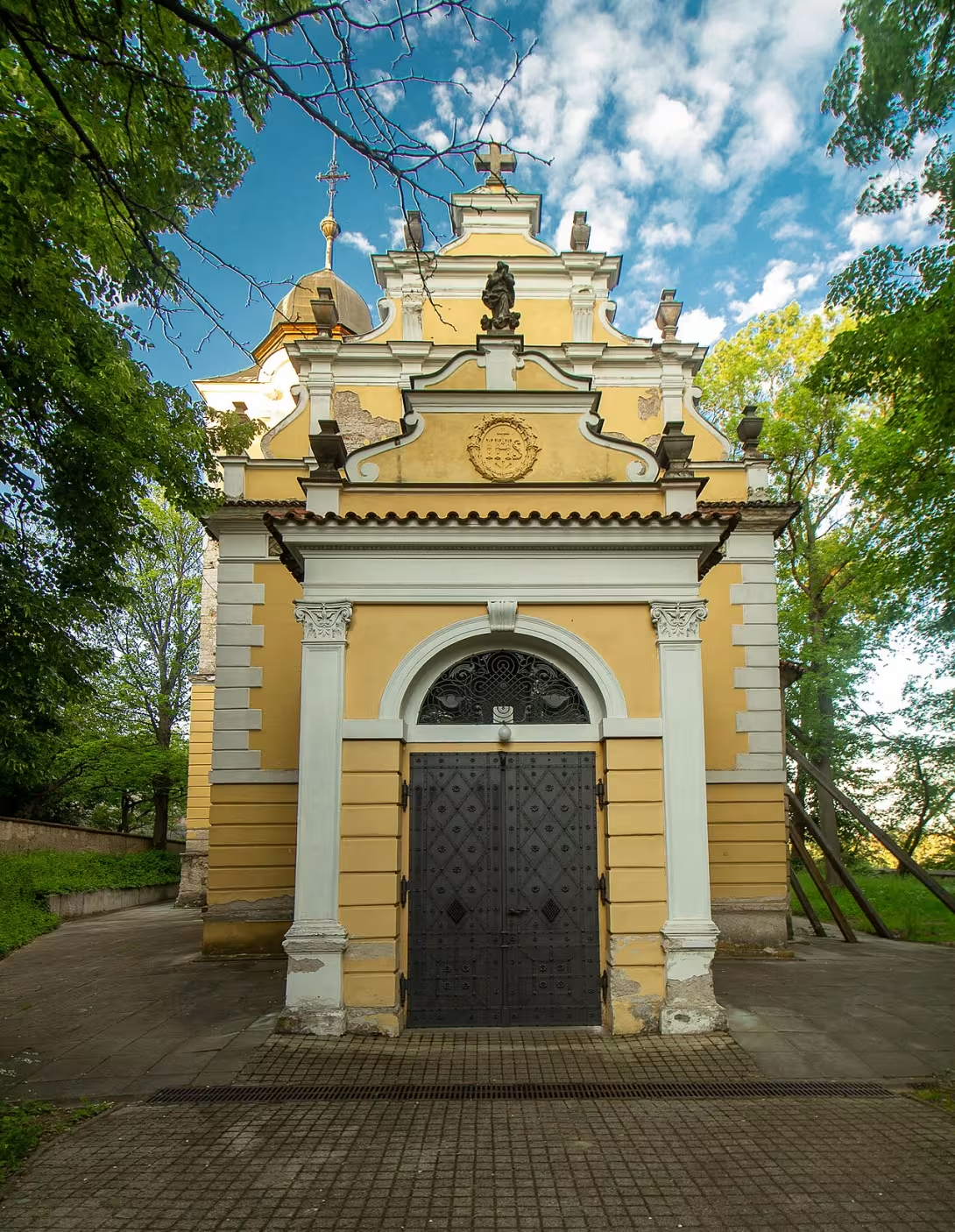
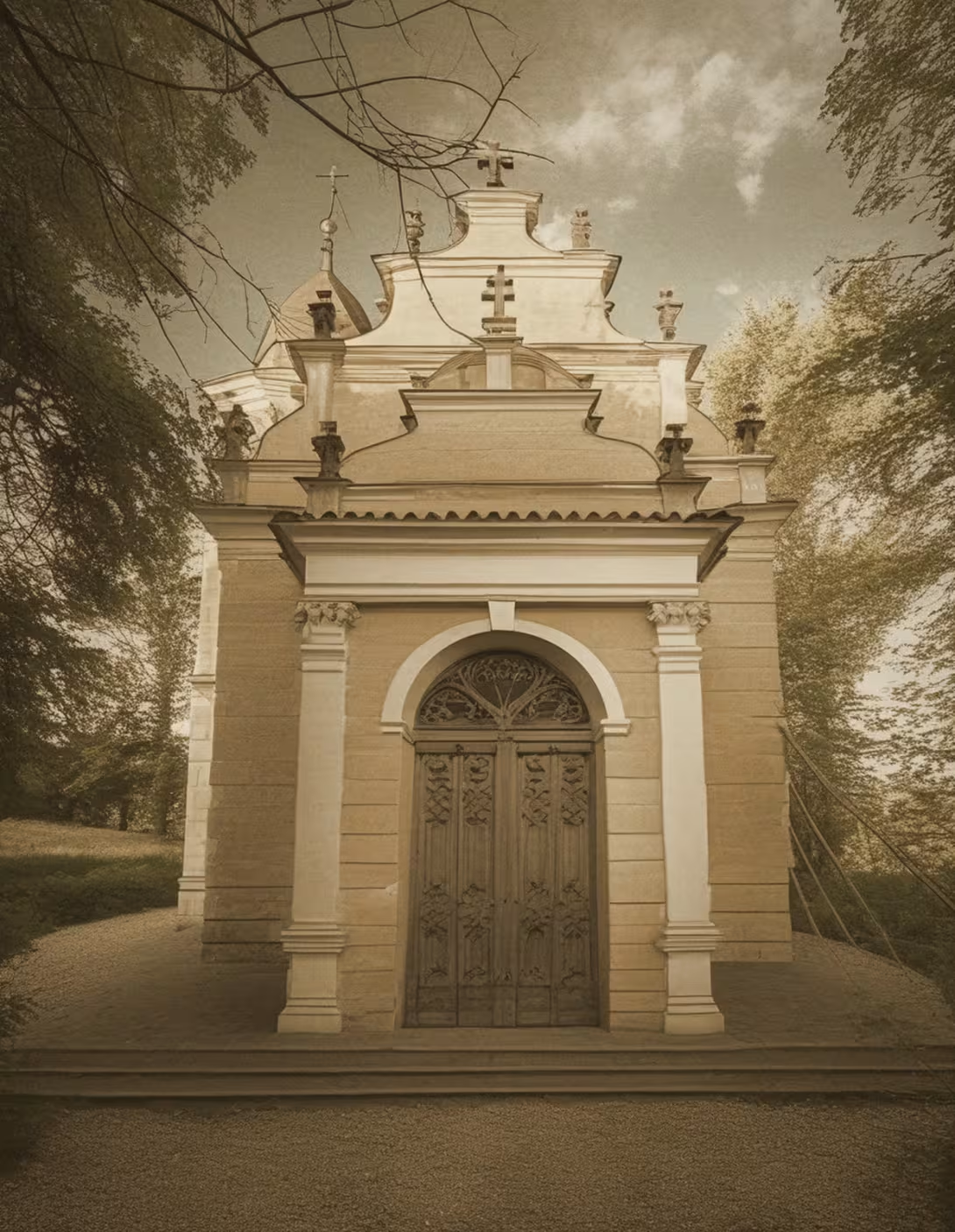
The historical appearance on the left is an AI-generated visualisation and serves as inspiration only.
Historical milestones
- 1748-1749
- Baroque reconstruction of church after damage during the 30 years war
- 1876-1884
- The influence of Václav Beneš Třebízský as chaplain in the church
- 1889-1892
- Neo-Renaissance reconstruction of the church according to architect Jan Vejhok
- 1973
- Total repair of church including electrification
Architectural development
The church was created as a Gothic building in the 14th century. After the Thirty Years War, it was rebuilt in a Baroque style. In 1889- 1892 he underwent a non-Renaissance reconstruction according to the Jan Vejhův project. The interior was damaged over time, but historical elements and monuments were preserved.
Historical events
Church damage during the Thirty Years War (17th Century)
Baroque reconstruction in 1748-1749
The work of Václav Beneš Třebízský as chaplain in 1876-1884
Total church repair in 1973
Points of interest
- Kostel Nanebevzetí Panny Marie v Klecanech was built in the 14th century in a Gothic style.
- During the Thirty Years' War, the church suffered serious damage, which was only repaired in the 18th century.
- In 1748-1749 the church passed through Baroque reconstruction.
- In 1889-1892 the church was rebuilt in a pseudorenesance style.
- The name of Václav Beneš Třebízský, who was a chaplain in 1876-1884, is associated with the church.
Guide
This guide is narrated by a synthetic voice generated by artificial intelligence.
Show guide text
This text was created by artificial intelligence and has not been editorially reviewed. It may contain inaccuracies.
The Church of the Assumption of the Virgin Mary stands in the northern part of Klecany, not far from the local château. It is a Roman Catholic church that served as the parish church of the Klecany parish. This parish was abolished on January first, 2006 and together with the parish in Líbeznice was attached to the parish of Odolena Voda. Odolena Voda was at the same time transferred from the Podřipský deanery to the fourth Prague deanery.
The church was created in the fourteenth century as a Gothic structure. During the Thirty Years' War it was severely damaged. Between 1748 and 1749 it was rebuilt in the Baroque spirit. Another major transformation came between 1889 and 1892, when it received a pseudo-Renaissance appearance.
The name of the writer Václav Beneš Třebízský is connected with the church. Between 1876 and 1884 he worked here as a chaplain. Two monuments commemorate his stay in Klecany. One was created by Josef Václav Myslbek in 1894, the second by Ladislav Šaloun in 1898. A memorial hall dedicated to the writer is located in the rectory.
The original artistic decoration of the interior has not survived, it was gradually stolen. Later it was replaced by modern copies. In 1973 the church underwent a complete renovation and electricity was installed.
Before the entrance to the church grounds stand two statues. The first is a column with a statue of Saint Wenceslas from the second half of the seventeenth century. It was brought to Klecany in 1896 from the nearby Přemyšlení. The second is a Baroque statue of Saint John of Nepomuk from the first quarter of the eighteenth century.
Tips for visitors
Best time to visit the Church of the Assumption of the Virgin Mary is in the morning or in the afternoon. In these times it is calmer in the church and you can see the interior without disturbing crowd. In addition, in the morning light it is ideal for shooting indoor spaces where natural light shows beautiful shades of color and detail. The Baroque treatment will be the best visible.
The church is accessible by car and public transport.
When visiting the church, wear comfortable clothes and shoes because in the interior you often move along the tiles with different levels. You can also bring a small laptop or camera if you want to record interesting details. Don't forget the hat or scarf, because there are rules of decency in the church that include the headgear for women.
Photography is allowed in the church, but it is good to take care of respect for other visitors. The best places for photography are mainly the interior with Baroque frescos and altar. For quality images is ideal natural light from window holes, which hits the church in the morning and afternoon. The outside facade is also interesting, but it is best taken in clear weather.
In the vicinity of the church is worth visiting especially the Klecan Chateau, which is located near the church. It is a beautiful Baroque building with a rich history, which offers the possibility to explore interiors. Another interesting thing is the village of Přemyslen, where originally stood the column with the statue of St. Wenceslas. This statue was moved outside the church in Klecany in 1896 and today there is an interesting historical monument. It is also advisable for families with children to visit local surroundings with natural paths that lead around the church and chateau.
For families with children, a visit to the church is interesting thanks to its historic atmosphere and the possibility of exploring rich history. Children can look at small statues and detailed decorations that fascinate them. There is also an opportunity for children to have fun on a small playground or to see the area around the chateau. Children may also be intrigued by the story of the statue of St. Wenceslas, which was moved from the Conscious to the Klecan.
Frequently asked questions
Can the monument be visited?
Religious buildings are usually open mainly during services; at other times a visit is normally arranged with the parish or the operator. We have not verified specific times.
Where is the monument?
Location: Klecany, Středočeský kraj. The map on this page shows the exact spot.
Why is the monument protected?
It is listed in the Central List of Cultural Monuments of the Czech Republic as a cultural monument (register no. 16460/2-2083).
For kids
Imagine going back to when Klecany was a small village surrounded by a chateau town. Kostel Nanebevzetí Panny Marie v Klecanech was young and full of life back then.
There were people here who lived for a living in agriculture and trade. The village was surrounded by woods and meadows, where there were collections of mushrooms and beans. Local residents also met in the Klecan market to sell their goods to each other.
Businesses nearby
Do you run a restaurant, accommodation, shop, museum, rental, wellness or other visitor service near this monument? Show yourself directly to the people heading to it — this is how they will see you in the app and on the web:
Events nearby


Zdroj akcí: otevřená data měst a obcí ČR (Národní katalog otevřených dat) a kalendář akcí Národního památkového ústavu.
Nearby
Ambient landscape, other sights
Accommodation nearby
Trips and activities nearby
Guided tours, tickets and activities nearby from GetYourGuide
Affiliate link: if you buy from the partner, we may receive a commission. The price for you does not change.
Search tours and activities →Themed route
Kostel Nanebevzetí Panny Marie v Klecanech This Baroque church forms the heart of our cruise route and the main reason to visit. It stands here as a dignified monument to the history of the village and offers visitors a view of the richly decorated interior and exterior architecture that affected the appearance of the entire square.
Klecan Chateau It is located in the immediate vicinity of the church, which makes it an ideal second stop without the need for a long journey. The chateau complements the historical image of Klecan and allows visitors to admire another example of regional architecture in close proximity to the main goal.
Column with statue of St. Wenceslas This statue has an extraordinary historical significance since it was moved from the nearby village in 1896. Its presence here reminds of cultural and spiritual links between neighbouring municipalities and adds a specific character to the square.
Around the Church and Chateau Passing the streets between these two dominoes allows you to experience the calm atmosphere of the village Klecany. Walk around the surrounding area provides space to reflect on the historical development of the site and to admire the preserved character of the rural development that surrounds these monuments.
This compact route combines the main sacral monument with the nearest historical landmarks. Visitors will thus receive a comprehensive picture of Klecan without the need for further trips. The whole journey is short and comfortable, suitable for families and individuals who want to know the essence of this Central Bohemian place in a short time.
Seasonal recommendations
Spring In the spring months, the Church of the Assumption of the Virgin Mary in Klecany is dressed in light and green - the rays of the sun penetrate through the windows and create on the stone walls a game of colored reflections, while the surrounding meadows and trees bloom. There is also a specific awakening environment: after rainy days, the air smells fresh earth and flowering lime, while in Sunday morning church bells mingle with bird singing. The atmosphere is calm, almost intimate, because the attendance is not yet high. Practical advice: the best time to visit is early morning or in the afternoon when the sun shines directly into the interior and creates magical effects. Comfortable shoes are recommended, as the sidewalks can be slippery after spring rains. For photographers it is ideal period from April to May when the church and its surroundings turn into a vivid picture of green and light.
Summer In the summer months, the church in Klecany offers not only a rich history, but also an opportunity to walk around the surrounding fields and forests where flowers thrive on warm days. Specific here is the long daylight, which in the late afternoon creates long shadows on the facade of the church and highlights its Gothic details. In the main summer season, however, higher attendance is required, especially on Sunday morning, when both believers and tourists come here. Practical advice: it is recommended to come early in the morning to avoid crowds, and to take plenty of water with you, for there are not many shadows around. Suitable is light but decent clothes that protect from the sun, and comfortable shoes for possible walks around. Evening visits are quieter, but in summer daylight is also shortened, so the church interior is less illuminated.
Autumn Autumn brings a church atmosphere to Klecan that becomes more mysterious and mysterious - deciduous trees and grey skies create dramatic contrasts with dark stone walls and golden stained glass. There is also a specific change in the light spectrum: the morning sun creates warm shades on the church, while the afternoon comes a colder, bluer touch. In September and October the attendance rate is lower than in summer, but in Advent time the church becomes a centre of peace and reflection. Practical advice: Warmer clothing is recommended, as autumn days are usually variable, and comfortable shoes for walking around the forest. The best time to visit is in the afternoon when the sun shines directly into the interior and creates pleasant warmth. In November, after St. Catherine's, the days are shortening, so the church's interior is less illuminated, but a specific, Christmas-tuned atmosphere is thriving.
Winter Winter visit to the church in Klecany is like an entrance to another world - the snow cover softens the shape of the church and creates a calm, almost fairy tale scenery, while the ice crusts on the windows and shadows from the snow provide an uncanny feel of the interior. There is also a specific silence that only interrupts the ringing and rustling of snow. In winter, the attendance is the lowest, but the opening time is shorter, especially in December, when the church becomes part of the Christmas atmosphere. Practical advice: It is recommended to warm but comfortable clothes, including waterproof shoes, because snow pools can be slippery. The best time to visit is in the afternoon when the sun shines directly into the church and creates glare on the snow. In winter it is also advisable to visit the church within smaller groups to minimise the disturbance of the quiet atmosphere.
Visualizations and artistic views


The visualisations are generated by artificial intelligence and serve as inspiration.
Photos from the area
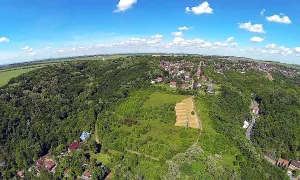
Real photos taken near the monument

Zdroj a licence jsou uvedeny u každého snímku.
Atmosphere of the place
This atmospheric visualisation of the place and period was generated by artificial intelligence. It is not real footage of the location.
Tips from visitors
No tips yet. Be the first!
Log in and add your tip.
Sources and literature
Photos: VitVit / CC BY-SA 4.0, rozlišení zvýšeno umělou inteligencí — Wikimedia Commons. The author and licence also appear when you hover over the image.
Faktickým podkladem tohoto textu byl článek na Wikipedii, jehož autory jsou přispěvatelé Wikipedie. Článek je dostupný pod licencí CC BY-SA 4.0.
Location on the map





Příběhy a pověsti
Legendy, pověsti a příběhy spjaté s touto památkou
Fotografie návštěvníků
Zatím žádné fotografie. Buďte první, kdo přidá fotografii z návštěvy!
Log in a přidejte svou fotografii nebo hodnoťte.
Za ověřenou návštěvu v aplikaci získáte víc bodů — poznáme podle GPS, že jste na místě.
Reviews and comments