






kostel Navštívení Panny Marie v Horní Polici Church
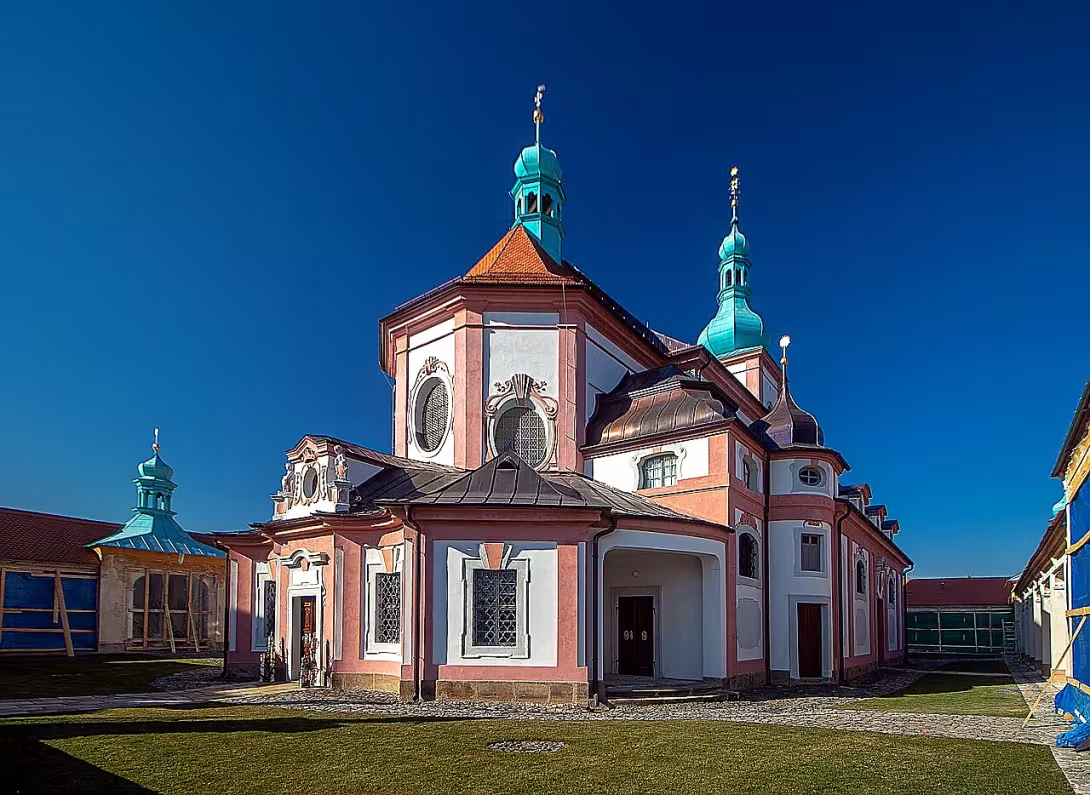
The Church of the Visitation of the Virgin Mary in Horní Police is a significant Baroque pilgrimage church located in the Liberec Region. This historical monument has been central to religious devotion since 1523, when a wooden statue of the Virgin Mary was found on the Ploučnice River, sparking its pilgrimage tradition. The current structure, including its chapel, bell tower, and deanery building, dates back to the late 17th and early 18th centuries. Architects Giulio Broggio and Octavio Broggio guided this era of architectural grandeur. Recognized as a national cultural monument, this church complex holds both historical and spiritual significance.
The origins of the Church of the Visitation trace back to 1523 with the discovery of the wooden statue on the Ploučnice River, initiating its pilgrimage tradition. The first recorded mention of a church in Horní Police dates to 1291. However, significant architectural developments occurred during the Baroque period. Between 1689 and 1725, under the patronage of Julius František, sasko-lauenburský vévoda, and his daughter Anna Marie Františka, toskánská velkovévodkyně, the church was constructed in its present form. This period marked significant religious and cultural developments in Bohemia under Habsburg rule, with an increased emphasis on art and architecture as expressions of faith.
Architecturally, the Church of the Visitation is characterized by its Baroque style, featuring a three-nave structure surrounded by a triple-aisled ambulatory with chapels and altars. The church underwent modifications in 1861 under Emperor Ferdinand I, enhancing its historical integrity. Recent renovations from 2019 to 2020 have restored its architectural splendor, ensuring the preservation of this cultural heritage site.
Throughout its history, the Church of the Visitation has seen various influential figures associated with it. In 1736, Pope Clement XII granted the local parish priest the title of archdeacon, elevating the status of the pilgrimage. This period also saw Archdeacon Wenzel Hocke, known as "Hockewanzel," who served from 1779 to 1808 and became a notable figure in the church's history. A memorial stone erected in 1908 commemorates his death near the church.
The Church of the Visitation has been the site of numerous key events that have shaped its pilgrimage tradition. Following the discovery of the wooden statue, the church saw an influx of pilgrims, with around 35,000 visitors attending the feast of Navštívení Panny Marie in 1724 alone. Between 1730 and 1760, it was one of the most visited pilgrimage sites in northern Bohemia. Today, the main pilgrimage event occurs on the first Sunday in July, while smaller "mini-pilgrimages" take place every first Saturday of the month.
Today, the Church of the Visitation stands as a testament to its rich historical and cultural legacy. Recent renovations have ensured that it remains accessible to visitors who wish to explore its architectural beauty and spiritual significance. Its picturesque location near the Ploučnice River adds to its appeal, making it a worthwhile destination for those interested in history, architecture, or religious traditions.
The Church of the Visitation of the Virgin Mary in Horní Police is not only an architectural marvel but also a beacon of cultural heritage that continues to draw visitors from around the world. Its storied past and ongoing significance make it a must-visit site for anyone exploring the Liberec Region.
Then and now
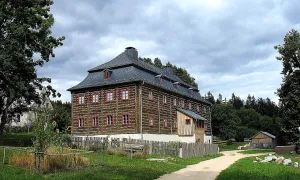
Drag the slider to compare how the landmark may have looked when it was built with the view today.
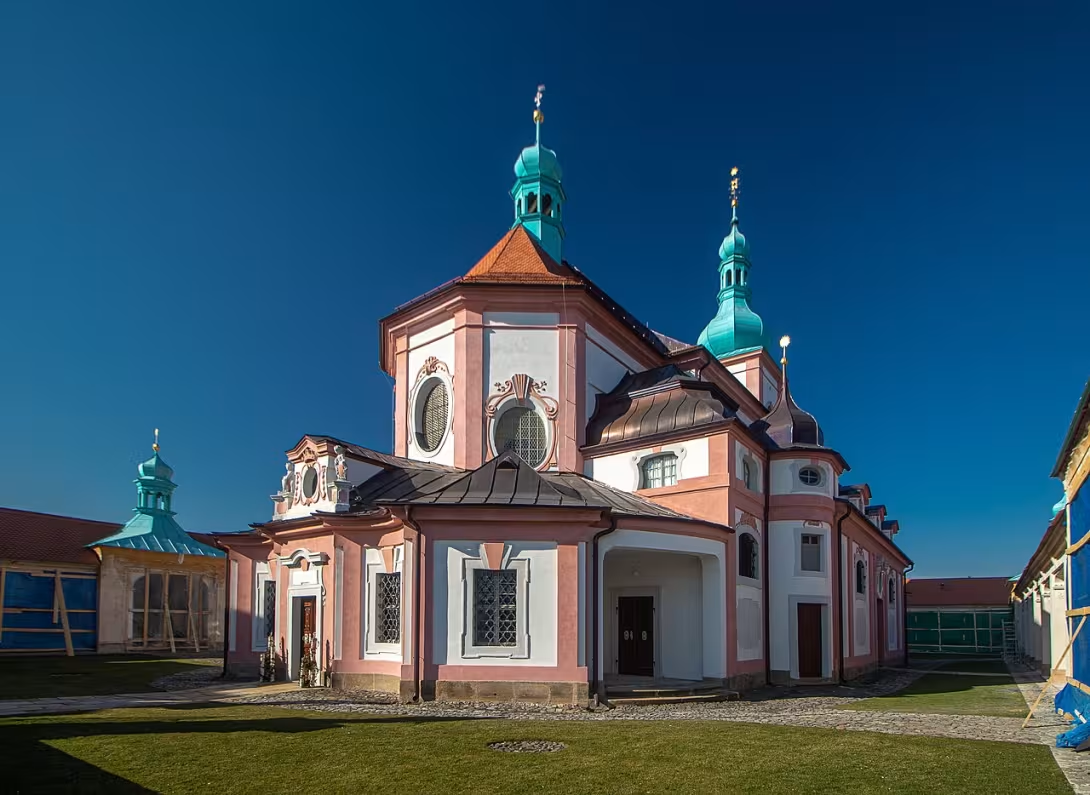
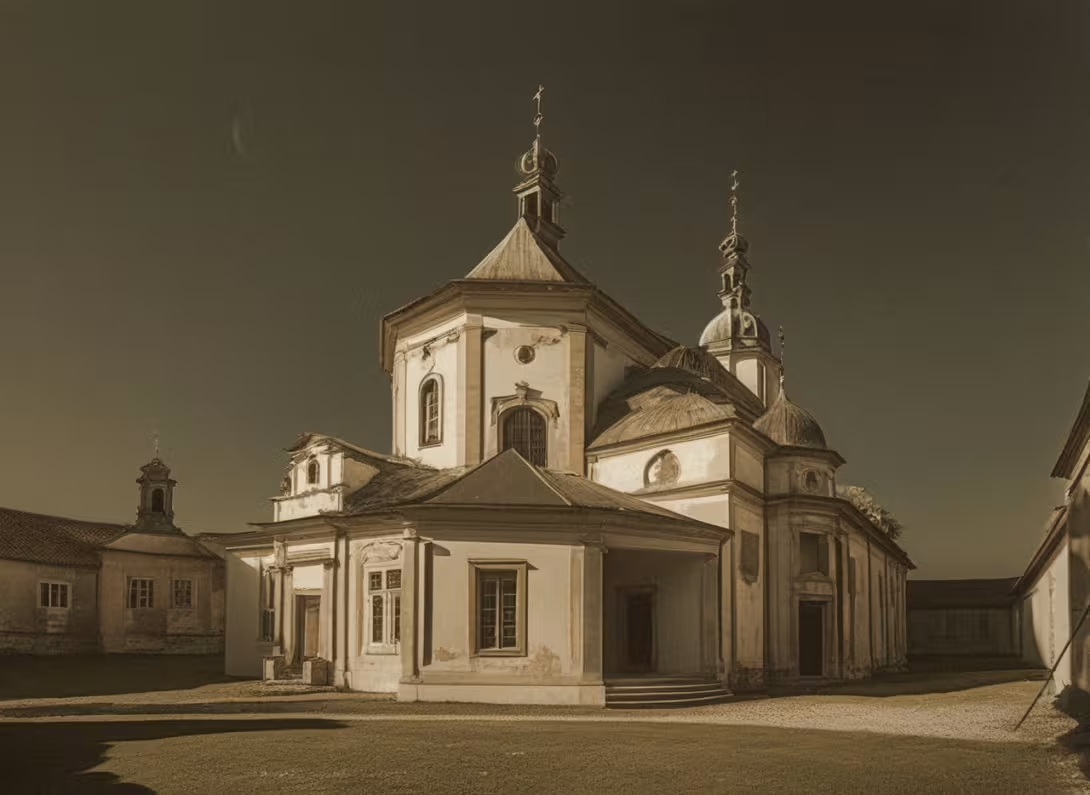
The historical appearance on the left is an AI-generated visualisation and serves as inspiration only.
Historical milestones
- 1523
- Discovery of the wooden statue of the Virgin Mary on the Ploučnice River.
- 1684
- Litoměřický biskup Jaroslav Ignác ze Šternberka authorized the construction of a new pilgrimage church.
- 1736
- Pope Clement XII granted the local parish priest the title of archdeacon.
Architectural development
The church's current Baroque design was completed in the late 17th and early 18th centuries. It features a three-nave structure with a surrounding ambulatory, chapels, and altars. The building underwent modifications in 1861 under Emperor Ferdinand I. Recent renovations from 2019 to 2020 have restored its historical integrity.
Historical events
In 1523, a wooden statue of the Virgin Mary was discovered on the banks of the Ploučnice River, initiating the site's pilgrimage tradition.
The current structure of the church and its surrounding buildings were completed between 1689 and 1725.
In 1736, Pope Clement XII granted the local parish priest the title of archdeacon, elevating the status of the pilgrimage.
A major reconstruction took place from 2019 to 2020.
Points of interest
- The Church of the Visitation was originally associated with a wooden statue of the Virgin Mary discovered in 1523 on the Ploučnice River, which sparked its pilgrimage tradition and contributed to its historical significance as a religious site.
- In 1736, Pope Clement XII elevated the status of the local parish priest by granting him the title of archdeacon, marking an important moment in the church's history that enhanced its prominence within the Catholic community.
Guide
This guide is narrated by a synthetic voice generated by artificial intelligence.
Show guide text
This text was created by artificial intelligence and has not been editorially reviewed. It may contain inaccuracies.
Welcome to the Church of the Visitation of the Virgin Mary in Horní Police, a magnificent Baroque pilgrimage church nestled in the scenic Liberec Region. As you stand here, take a moment to absorb the grandeur before you—the intricate facade and the harmonious blend of architecture with nature invite you into its storied past.
The origins of this sacred site trace back to 1523 when a wooden statue of the Virgin Mary was discovered on the Ploučnice River. This remarkable find sparked a pilgrimage tradition, marking the beginning of the church's historical significance as a religious beacon. Over time, it became clear that a more permanent structure was needed to accommodate the growing number of pilgrims and honor this revered icon.
The transformation into the architectural marvel you see today began in 1684 when Litoměřický biskup Jaroslav Ignác ze Šternberka authorized the construction of a new pilgrimage church. The project, spanning from 1689 to 1725, was masterfully overseen by architects Giulio Broggio and Octavio Broggio. Their vision brought forth a stunning complex that includes not only the church itself but also an elegant chapel, a towering bell tower, and a deanery building.
As you explore this space, take note of the Baroque elements that define its architecture. The facade is adorned with elaborate details that invite admiration, while the overall structure exudes a sense of spiritual grandeur. Inside, the atmosphere is one of reverence and tranquility, inviting reflection and awe.
This church has been touched by notable historical figures who have contributed to its legacy. Among them are Julius František, sasko-lauenburský vévoda, and Anna Marie Františka, toskánská velkovévodkyně, whose influence is woven into the fabric of this sacred site. In 1736, Pope Clement XII further elevated its status by granting the local parish priest the title of archdeacon, a testament to its enduring spiritual significance.
An intriguing aspect of this church's history lies in the wooden statue that sparked it all. The discovery on the Ploučnice River not only initiated a tradition but also imbued the site with an aura of mystery and devotion that continues to draw visitors from far and wide.
As you conclude your visit, we invite you to linger a while longer, soaking in the serene atmosphere and reflecting on the rich tapestry of history surrounding this sacred place. Thank you for joining us on this journey through time at the Church of the Visitation of the Virgin Mary. May your experience here inspire continued exploration and discovery. Safe travels as you continue your adventure!
Tips for visitors
The best time to visit the Church of the Visitation of the Virgin Mary in Horní Police is during late spring or early autumn, when the weather is pleasant for walking around the picturesque landscape near the Ploučnice River. These seasons offer beautiful natural lighting for photography and a comfortable climate for exploring nearby historical sites without the crowds typical of summer months.
Parking and transportation to the church are convenient, with options available both by car and public transport. Visitors can drive to Horní Police and find parking facilities near the site. Alternatively, those preferring public transport can use local buses or trains that connect to the area. It's advisable to check current routes and schedules online before your visit to ensure a smooth journey.
When visiting this historical church, it is recommended to bring comfortable walking shoes as you might want to explore the surrounding landscape and nearby sites within a five-kilometer radius. A camera or smartphone for capturing the stunning views and architectural details of the church is also suggested. Additionally, consider bringing water and snacks if planning an extended visit.
For photography enthusiasts, some of the best spots include the exterior of the church where you can capture its Baroque architecture against the backdrop of the Ploučnice River. Early morning or late afternoon light provides a soft glow that enhances the beauty of the surroundings. Inside the church, natural lighting through stained glass windows creates vibrant colors and patterns worth photographing.
Nearby attractions within a 30-minute drive include other historical sites in the Liberec Region, offering more insights into local history and culture. These sites provide additional opportunities for exploration and learning, making them ideal for visitors interested in extending their cultural experience beyond the church itself.
Businesses nearby
Do you run a restaurant, accommodation, shop, museum, rental, wellness or other visitor service near this monument? Show yourself directly to the people heading to it — this is how they will see you in the app and on the web:
Events nearby
Zdroj akcí: otevřená data měst a obcí ČR (Národní katalog otevřených dat) a kalendář akcí Národního památkového ústavu.
Nearby
The church is situated near the Ploučnice River, surrounded by a picturesque landscape that enhances its pilgrimage appeal. The area includes other historical sites and natural features within a five-kilometer radius.
Accommodation nearby
Trips and activities nearby
Guided tours, tickets and activities nearby from GetYourGuide
Affiliate link: if you buy from the partner, we may receive a commission. The price for you does not change.
Search tours and activities →Themed route
Thematic Walking Tour: Horní Police and Surroundings
1. **Navštívení Panny Marie Church (Church) Start your journey at the heart of Horní Police with the stunning Navštívení Panny Marie Church. This pilgrimage church, located near the Ploučnice River, is renowned for its architectural beauty and spiritual significance. Its picturesque setting enhances the serene experience, making it a must-visit for both history enthusiasts and those seeking tranquility.
2. **Ploučnice River Path (Natural Feature) After exploring the church, take a leisurely walk along the path beside the Ploučnice River. This scenic route offers breathtaking views of the surrounding landscape, characterized by lush greenery and gentle river flows. The natural beauty of this area complements the historical charm of Horní Police, providing a perfect setting for reflection or photography.
3. **Pilgrimage Route Landmarks (Historical Sites) Continue your exploration by following the pilgrimage route that leads to various landmarks within a five-kilometer radius. These sites include smaller chapels and historical markers that tell stories of past pilgrimages and local traditions. Each landmark offers a unique glimpse into the region's rich cultural heritage, making this part of the tour both educational and inspiring.
4. **Local Historical Sites (Historical Sites) Conclude your thematic tour by visiting other historical sites in the vicinity. These locations provide additional context to the area's history and development over the centuries. Whether it’s an ancient structure or a notable monument, each site adds depth to your understanding of Horní Police's past and its enduring legacy.
This walking tour offers a comprehensive experience of Horní Police, blending spiritual, historical, and natural elements into a cohesive journey through time and beauty.
Seasonal recommendations
Spring: Visiting the Church of Our Lady's Visitation during spring offers a unique experience as nature begins to awaken around Horní Police. The landscape is adorned with blooming flowers and fresh greenery, creating a vibrant backdrop for exploring this historical site in reconstruction. The gentle warmth of early sunsets provides soft lighting that enhances the church’s architectural details. Visitors should plan their visit on weekdays to avoid larger crowds often seen during weekends when locals take advantage of the pleasant weather. Light layers are recommended due to fluctuating temperatures, and carrying an umbrella is wise as spring showers can be frequent.
Summer: Summer at the Church of Our Lady's Visitation in Horní Police provides a lively atmosphere with longer daylight hours allowing for extended exploration. The lush greenery surrounding the church offers a picturesque setting, ideal for photography enthusiasts. This season sees increased visitor numbers, especially during peak holiday periods when families and tourists flock to enjoy the outdoors. Arriving early can help avoid crowds and ensure a more tranquil experience. Comfortable walking shoes are advisable due to potential uneven pathways, and sun protection is essential as the days are warm.
Autumn: Autumn brings a magical transformation to the Church of Our Lady's Visitation with its vibrant palette of reds, oranges, and yellows. The cooler temperatures create a cozy atmosphere, perfect for leisurely strolls around the church grounds. This season often sees fewer visitors compared to summer, allowing for a more intimate experience of the site in reconstruction. The soft autumn light provides excellent conditions for photography, capturing the historical architecture against the colorful foliage. Layered clothing is recommended as temperatures can vary significantly throughout the day.
Winter: Winter at the Church of Our Lady's Visitation offers a serene and quiet ambiance, with snow often blanketing the surrounding landscape, creating a picturesque scene. The shorter days mean earlier closures, so it’s best to plan visits during daylight hours for maximum viewing time. The cool air can make exploration more comfortable without the summer crowds, though visitors should be prepared for potential icy conditions on pathways. Wearing warm layers and sturdy footwear is essential, and bringing gloves or a hat will enhance comfort during your visit in this tranquil season.
Visualizations and artistic views


The visualisations are generated by artificial intelligence and serve as inspiration.
Photos from the area
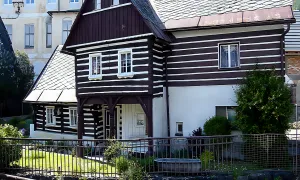
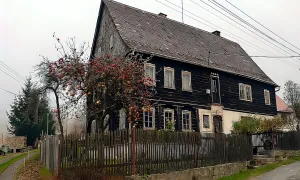
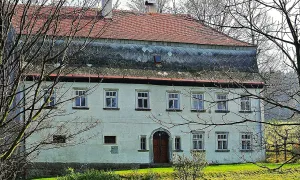
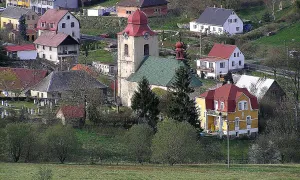
Real photos taken near the monument


Zdroj a licence jsou uvedeny u každého snímku.
Tips from visitors
No tips yet. Be the first!
Log in and add your tip.
Sources and literature
Fotografie: VitVit / CC BY-SA 4.0 — Wikimedia Commons. The author and licence also appear when you hover over the image.
Faktickým podkladem tohoto textu byl článek na Wikipedii, jehož autory jsou přispěvatelé Wikipedie. Článek je dostupný pod licencí CC BY-SA 4.0.
Location on the map
Příběhy a pověsti
Legendy, pověsti a příběhy spjaté s touto památkou
Fotografie návštěvníků
Zatím žádné fotografie. Buďte první, kdo přidá fotografii z návštěvy!
Přihlaste se a přidejte svou fotografii nebo hodnoťte.
Za ověřenou návštěvu v aplikaci získáte víc bodů — poznáme podle GPS, že jste na místě.
Reviews and comments