






poutní areál Horní Police Pilgrimage resort
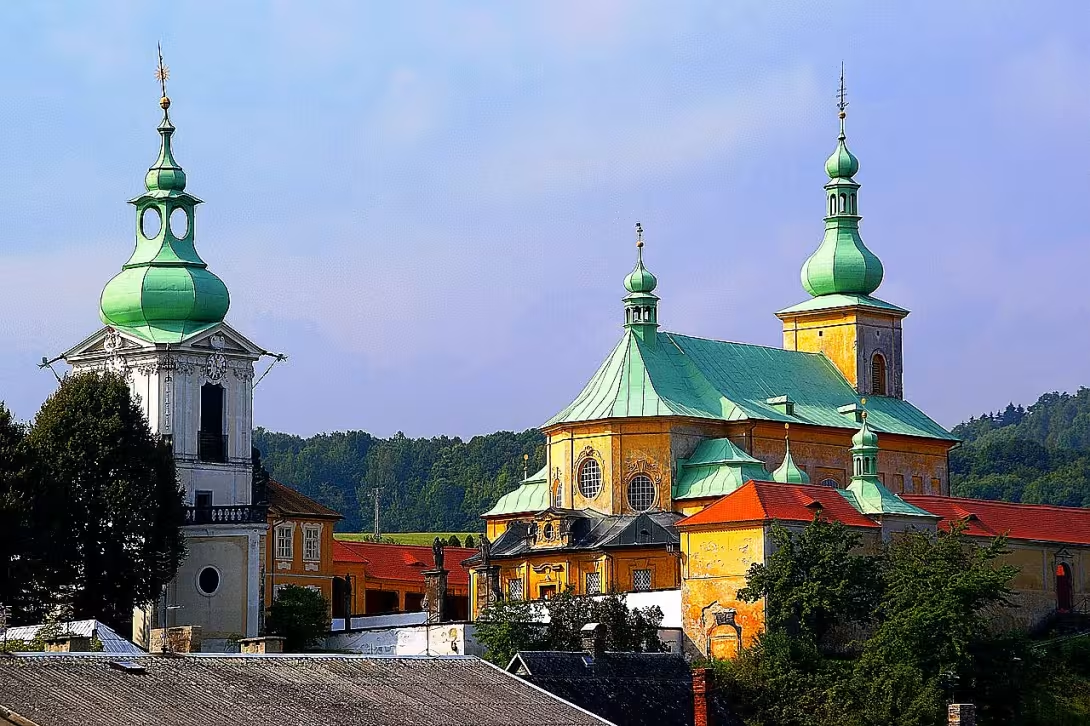
The pilgrimage site of Horní Police in the Liberec Region of Czechia is renowned for its Baroque architecture and spiritual significance. Originating from an 18th-century transformation, it features a prominent church dedicated to the Visitation of the Virgin Mary. Recognized as a national cultural monument since 2018, this site holds historical importance due to its association with Marian devotion and numerous pilgrimages dating back to the early 16th century.
The origins of Horní Police's pilgrimage site are steeped in legend and history. According to local lore, in 1523, a wooden statue of the Virgin Mary was discovered by the Ploučnice River after being cast out during the iconoclastic movements of the Reformation. This statue, known as "Mater Gravida" or "Těhotná Panna Maria," became central to the site's spiritual significance. The statue is unique for its depiction of the Virgin Mary in an advanced stage of pregnancy and is attributed with around sixty miracles despite being considered a less refined artistic work. Initially housed in a Gothic church documented as early as 1291, this Marian devotion led to the establishment of pilgrimage traditions that have persisted through centuries.
The Baroque transformation of Horní Police began in earnest in the late 17th century due to increasing numbers of pilgrims. The original small church built during the era of the Lords of Dubá was insufficient for the growing crowds. In response, it was demolished and replaced with a larger structure designed by architect Julius Broggio and completed by his son Octavio in 1723. This new complex included a three-nave church dedicated to the Visitation of the Virgin Mary, an unusual U-shaped sacristy, additional chapels, and other buildings. The site also features a rare double-decker gallery within the church, which is uncommon outside border regions.
Ownership and administration of the pilgrimage site have seen significant figures throughout its history. In 1682, approximately 4,000 pilgrims attended an event at Horní Police, prompting local farář Michael Gabriel Jantsch to seek assistance from hejtman Jan Jiří Hentych. Together, they approached Julius František, the Saxon Duke and owner of the Zákupy estate, which included Horní Police, for support in expanding the church. The Duke's approval led to the construction of a larger Baroque complex. In 1736, Pope Clement XII granted the local archdeacon the right to use pontifical insignia, elevating the site’s ecclesiastical status.
Key events at Horní Police include its transformation into an arciděkanství in 1723 and subsequent pilgrimages that attracted tens of thousands. In particular, a significant pilgrimage event on the feast day of the Visitation of Mary in 1724 drew around 35,000 visitors, with similar numbers recorded in following years. These events were marked by extensive celebrations lasting up to eight days, adhering to the old liturgical calendar.
Today, Horní Police remains an important spiritual and cultural destination. The site underwent significant reconstruction from 2019 to 2020, ensuring its preservation for future generations. This included updates to the church's structure and the installation of new organs with two manuals and a pedal, featuring seventeen registers. Visitors can explore not only the main church but also nearby historical sites such as a chapel built in 1722. The picturesque landscapes surrounding Horní Police add to its allure, making it a worthwhile destination for those interested in history, architecture, and spirituality.
Horní Police's pilgrimage site stands as a testament to centuries of religious devotion and architectural evolution. Its rich history and cultural significance continue to draw visitors from around the world. Whether you are drawn by spiritual curiosity or an appreciation for Baroque artistry, Horní Police offers a unique glimpse into the past while inviting reflection on its enduring legacy.
Then and now
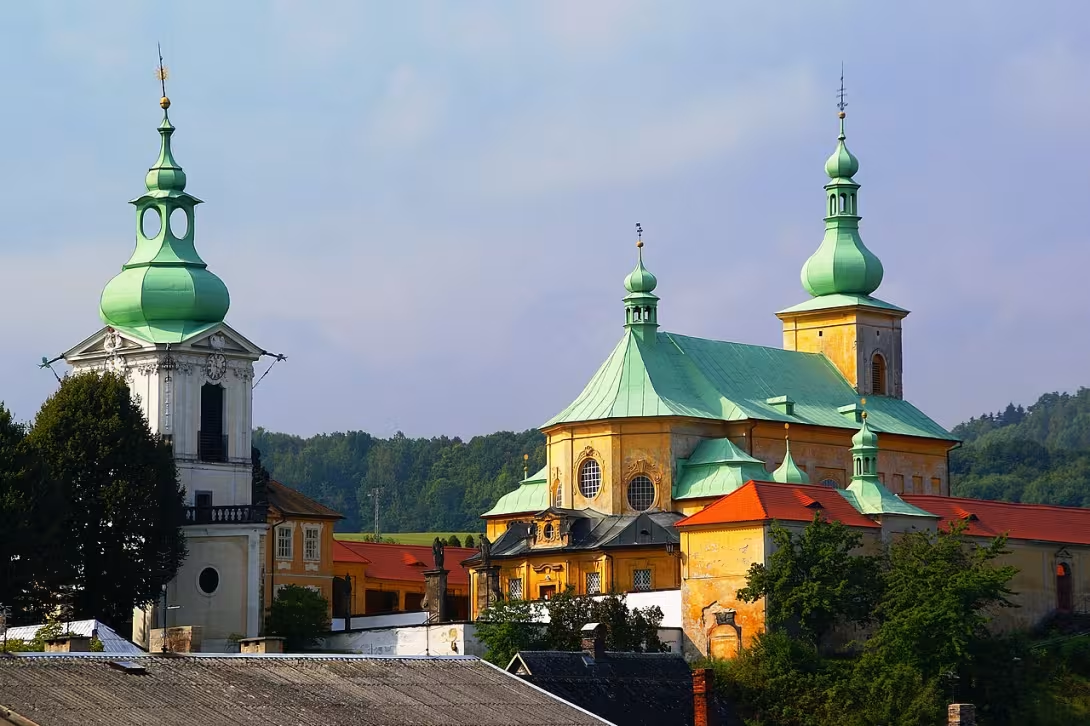
Drag the slider to compare how the landmark may have looked when it was built with the view today.
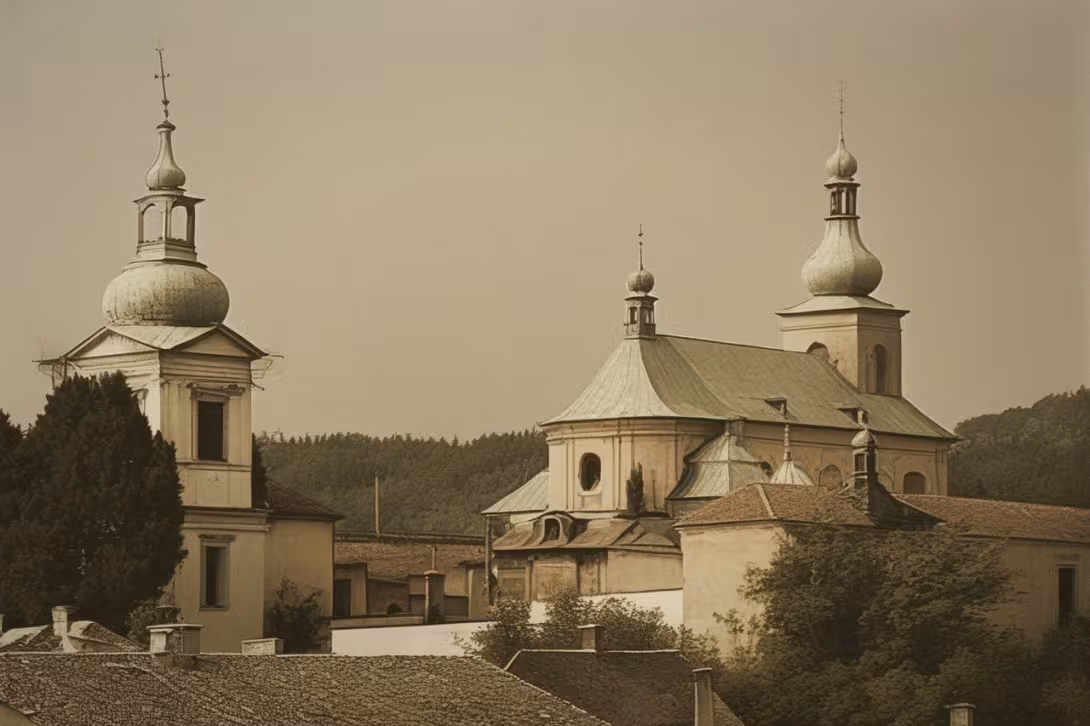
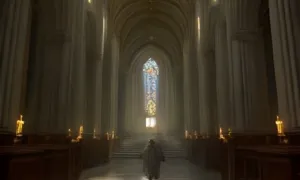
The historical appearance on the left is an AI-generated visualisation and serves as inspiration only.
Historical milestones
- 1523
- A wooden statue of the Virgin Mary was reportedly found by the Ploučnice River.
- 1682
- Approximately 4,000 pilgrims attended a pilgrimage event.
- 1736
- Pope Clement XII granted pontifical insignia to the local archdeacon.
- 2019-2020
- The site underwent significant reconstruction.
Architectural development
The pilgrimage site was originally a small church built during the era of the Lords of Dubá, which proved insufficient for the growing number of pilgrims. In response, it was demolished and replaced with a larger Baroque structure designed by Julius Broggio and completed by his son Octavio in 1723. The complex includes a three-nave church, an unusual U-shaped sacristy, and additional chapels and buildings.
Historical events
In 1682, approximately 4,000 people participated in a pilgrimage event at Horní Police.
The Baroque pilgrimage site was completed between 1689 and 1723 under the guidance of architects Julius Broggio and his son Octavio.
In 1736, Pope Clement XII granted the local archdeacon the right to use pontifical insignia.
A significant reconstruction took place from 2019 to 2020.
Points of interest
- The wooden statue of the Virgin Mary discovered at Horní Police is known as "Mater Gravida" or "Těhotná Panna Maria," notable for its depiction of Mary in an advanced stage of pregnancy, a unique artistic choice that contributed to its spiritual significance.
- Despite being considered less refined artistically, the statue attributed with around sixty miracles played a crucial role in establishing Horní Police as a major pilgrimage site, highlighting the power of faith over aesthetic value.
Guide
This guide is narrated by a synthetic voice generated by artificial intelligence.
Show guide text
This text was created by artificial intelligence and has not been editorially reviewed. It may contain inaccuracies.
Welcome to the historic pilgrimage site of Horní Police, nestled in the picturesque Liberec Region of Czechia. As you stand here, take a moment to absorb the serene atmosphere that surrounds this remarkable place. The air is filled with a sense of history and spirituality, inviting you to explore its rich past.
The origins of this sacred site date back to an 18th-century transformation, marking it as a beacon for spiritual seekers. It was in 1523 when a wooden statue of the Virgin Mary, known locally as "Mater Gravida" or "Těhotná Panna Maria," was discovered by the Ploučnice River. This unique depiction of Mary in an advanced stage of pregnancy became central to the site's spiritual significance.
In 1682, approximately 4,000 pilgrims gathered here for a pilgrimage event, reflecting its growing importance as a place of worship and reflection. The year 1736 marked another significant moment when Pope Clement XII granted pontifical insignia to the local archdeacon, elevating the site's ecclesiastical status.
The architectural grandeur you see before you is largely attributed to Julius Broggio and Octavio Broggio, whose designs have left an indelible mark on this place. As you look around, notice the Baroque elements that define its aesthetic—though not overly ornate, they carry a subtle elegance that complements the site's spiritual ambiance.
Key historical figures like Michael Gabriel Jantsch and Jan Jiří Hentych played pivotal roles in shaping Horní Police into what it is today. Their contributions are woven into the fabric of this location, adding layers to its storied past.
One intriguing aspect of this pilgrimage site is the wooden statue of the Virgin Mary. Its depiction as "Těhotná Panna Maria" is a fascinating artistic choice that has captivated many over the centuries. This unique representation adds depth to the spiritual narrative and continues to draw visitors from far and wide.
Between 2019 and 2020, Horní Police underwent significant reconstruction, ensuring its preservation for future generations while maintaining its historical essence.
As you continue your visit, I encourage you to explore every corner of this enchanting site. Discover more about its history, architecture, and the stories that have unfolded here over the centuries. Thank you for joining me on this journey through time at Horní Police. May your exploration be both enlightening and inspiring.
Tips for visitors
The best time to visit the pilgrimage site of Horní Police is during late spring or early autumn, when the weather is mild and pleasant for exploring both the poutní areál and its surrounding landscapes. During these seasons, you can enjoy the lush greenery and vibrant colors typical of the Czech countryside without the crowds that often accompany summer months. Additionally, visiting in May or September allows you to experience local festivals and events that celebrate the region's cultural heritage.
Parking is available near the site, with additional public transport options accessible from nearby towns. Visitors can reach Horní Police by car, which provides flexibility for exploring at your own pace. For those preferring public transportation, buses are a viable option; however, it’s advisable to check current schedules and routes in advance using an online travel planner or contacting local tourist information centers.
When planning your visit, consider bringing comfortable walking shoes as the site includes several pathways that wind through picturesque landscapes. A light jacket is recommended due to variable weather conditions, especially if visiting during spring or autumn. Don’t forget a camera to capture the stunning Baroque architecture and serene natural surroundings. For families with children, it’s wise to pack snacks, water, and perhaps a small first-aid kit for any minor scrapes.
Photography enthusiasts will find several spots around Horní Police ideal for capturing its beauty. Early morning or late afternoon light provides the best conditions for photographing the Baroque architecture, as the soft lighting enhances textures and details. The chapel from 1722 nearby offers a picturesque backdrop with its historical significance adding depth to your photos.
In addition to the pilgrimage site itself, visitors can explore other attractions within a 30-minute drive or walk. The Ploučnice River is perfect for a leisurely stroll or picnic, offering scenic views and a peaceful environment. For families, the nearby chapel from 1722 provides an educational experience about local history and architecture.
Businesses nearby
Do you run a restaurant, accommodation, shop, museum, rental, wellness or other visitor service near this monument? Show yourself directly to the people heading to it — this is how they will see you in the app and on the web:
Events nearby
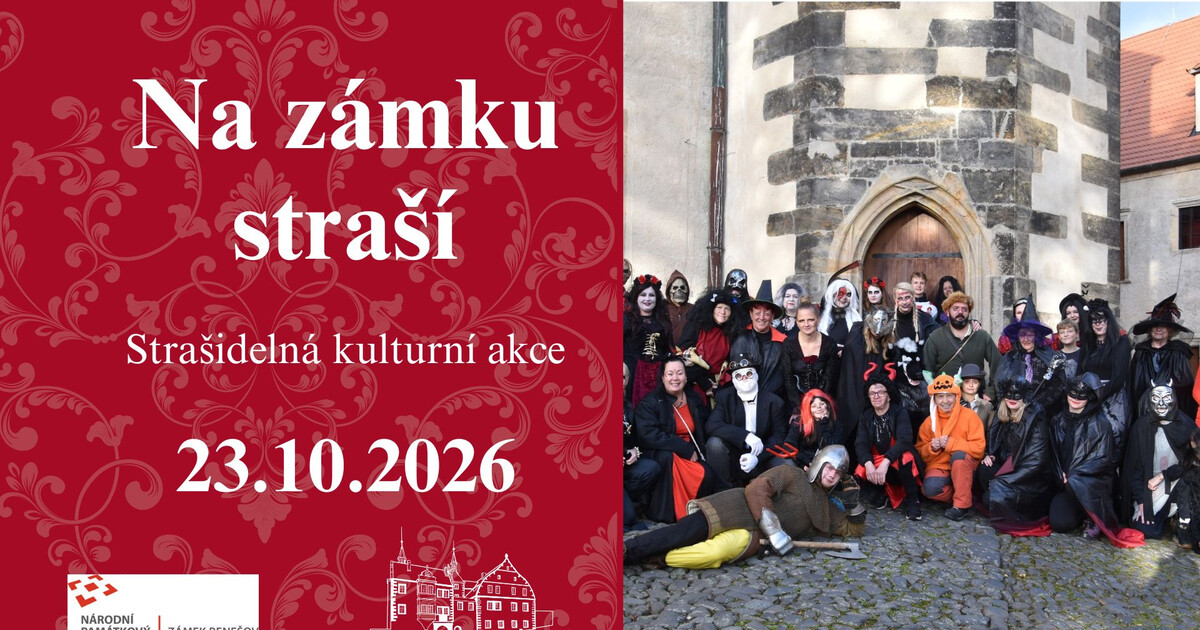
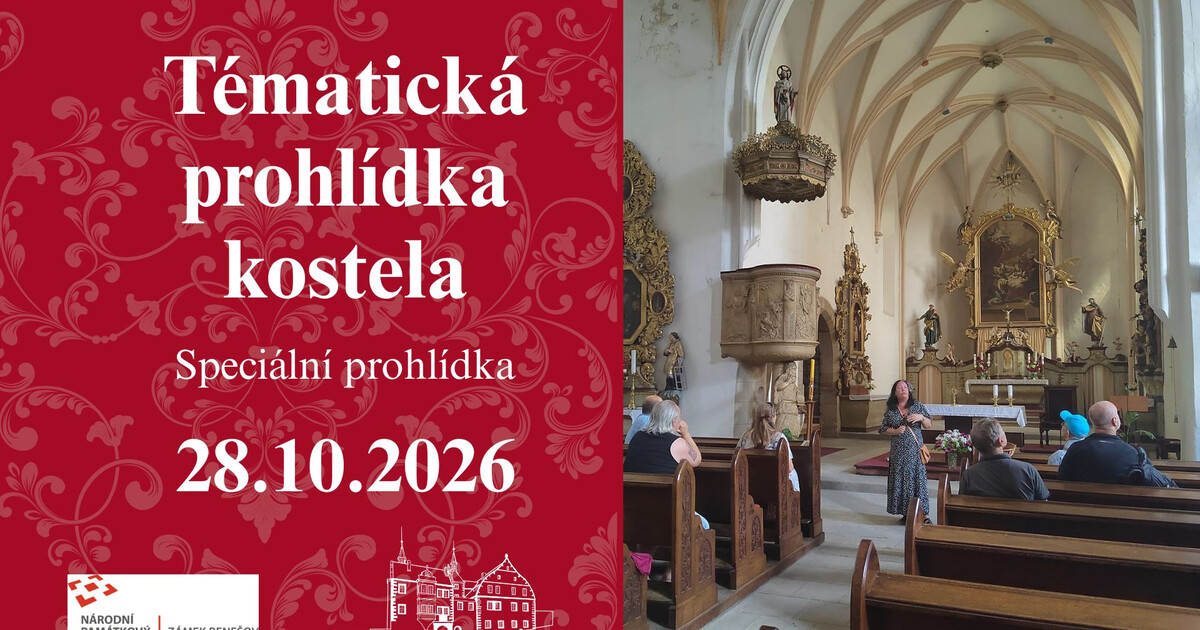

Zdroj akcí: otevřená data měst a obcí ČR (Národní katalog otevřených dat) a kalendář akcí Národního památkového ústavu.
Nearby
Horní Police is situated near the Ploučnice River and surrounded by picturesque landscapes typical of the Czech countryside. The area includes other historical sites such as a nearby chapel from 1722.
Accommodation nearby
Trips and activities nearby
Guided tours, tickets and activities nearby from GetYourGuide
Affiliate link: if you buy from the partner, we may receive a commission. The price for you does not change.
Search tours and activities →Themed route
Thematic Walking Tour: Horní Police Pilgrimage Site and Surroundings
1. Poutní areál Horní Police (Pilgrimage Site) - *Type:* Religious/Spiritual Site - *Why Visit:* The pilgrimage site of Horní Police is a serene destination for those interested in spiritual journeys or exploring the rich religious heritage of the Czech countryside. Its tranquil atmosphere and historical significance make it an ideal starting point for your exploration.
2. Chapel from 1722 - *Type:* Historical Chapel - *Why Visit:* Located nearby, this chapel offers a glimpse into early 18th-century architecture and local history. It complements the pilgrimage site with its serene ambiance and historical charm, providing an opportunity to appreciate the religious artistry of the period.
3. Ploučnice River - *Type:* Natural Landscape - *Why Visit:* Flowing near Horní Police, the Ploučnice River adds a picturesque backdrop to your visit. Its banks offer peaceful walking paths and scenic views, perfect for reflecting on the natural beauty that surrounds this historic area.
4. Horní Police Countryside - *Type:* Scenic Rural Area - *Why Visit:* The surrounding countryside of Horní Police is characterized by lush landscapes typical of the region. It's a wonderful place to take leisurely strolls, enjoy fresh air, and immerse yourself in the tranquil rural environment that defines this part of Liberecký kraj.
5. Pilgrimage Site Nádvoří (Courtyard) - *Type:* Open Space - *Why Visit:* The courtyard at the pilgrimage site offers a peaceful space for contemplation and relaxation. It's an ideal spot to unwind after visiting the main attractions, providing a quiet area to reflect on your journey through this historic locale.
This tour provides a comprehensive experience of Horní Police’s spiritual and natural offerings, ensuring a memorable visit filled with history, spirituality, and scenic beauty.
Seasonal recommendations
Spring: During spring, the pilgrimage site of Horní Police is a vibrant tapestry of blooming flowers and lush greenery, creating an enchanting atmosphere that captivates visitors. The soft morning light enhances the natural beauty, offering ideal conditions for photography enthusiasts to capture the picturesque landscapes. As nature awakens, it's advisable to wear comfortable walking shoes and layers, as temperatures can vary throughout the day. Early mornings are particularly serene, with fewer crowds allowing a peaceful exploration of the site’s historical charm.
Summer: The summer months bring a lively atmosphere to Horní Police pilgrimage area, characterized by long daylight hours that extend well into the evening, perfect for leisurely strolls and exploring the site's rich history. This season is popular among tourists, so it’s wise to arrive early in the day to avoid large crowds. Visitors should dress comfortably in light clothing and bring sun protection, such as hats and sunscreen, to enjoy a full day at this outdoor attraction. The warm weather also makes it an excellent time for picnics amidst the scenic surroundings.
Autumn: Autumn transforms Horní Police into a breathtaking spectacle of reds, oranges, and yellows, with crisp air enhancing the sensory experience of walking through the historical site. This season offers a unique opportunity to witness the changing leaves, creating a stunning backdrop that is perfect for photography or quiet reflection. As temperatures start to drop in the evenings, it’s recommended to wear layers that can be easily adjusted throughout the day. The cooler weather tends to reduce crowds, making it an ideal time for those seeking a more intimate experience of this historic site.
Winter: In winter, Horní Police presents a serene and mystical ambiance with snow-covered landscapes adding a magical touch to its historical architecture. The shorter daylight hours mean that visits are best planned during the daytime when there is ample light to appreciate the intricate details of the pilgrimage area. Visitors should dress warmly in layers, including thermal clothing and waterproof outerwear, as temperatures can be quite cold. While some parts may have reduced opening times or accessibility due to weather conditions, the quiet atmosphere offers a peaceful experience away from the bustling tourist seasons.
Visualizations and artistic views


The visualisations are generated by artificial intelligence and serve as inspiration.
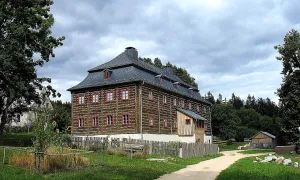
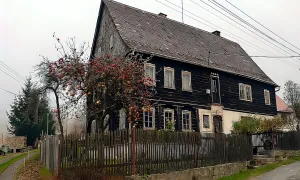
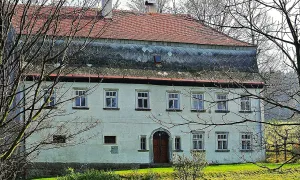
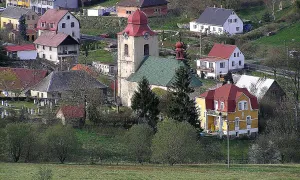
Photos from the area
Real photos taken near the monument


Zdroj a licence jsou uvedeny u každého snímku.
Tips from visitors
No tips yet. Be the first!
Log in and add your tip.
Sources and literature
Fotografie: Stanislav Dusík / CC BY-SA 4.0 — Wikimedia Commons. The author and licence also appear when you hover over the image.
Faktickým podkladem tohoto textu byl článek na Wikipedii, jehož autory jsou přispěvatelé Wikipedie. Článek je dostupný pod licencí CC BY-SA 4.0.
Location on the map
Příběhy a pověsti
Legendy, pověsti a příběhy spjaté s touto památkou
Fotografie návštěvníků
Zatím žádné fotografie. Buďte první, kdo přidá fotografii z návštěvy!
Přihlaste se a přidejte svou fotografii nebo hodnoťte.
Za ověřenou návštěvu v aplikaci získáte víc bodů — poznáme podle GPS, že jste na místě.
Reviews and comments